

Many parents and schools, despite differing viewpoints, share a common question: When Circular 29 on supplementary teaching and learning comes into effect, will schools be allowed to collaborate with external centers to teach English, life skills, etc., within the school premises?
According to Circular 29, fee-based tutoring in schools is prohibited. Free tutoring within schools is only permitted for certain groups of students, including: students whose end-of-semester academic results were below par; students selected by the school for advanced training; and final-year students who voluntarily register for exam preparation according to the school's educational plan.
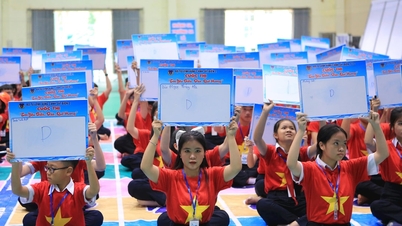
Currently, many schools and teachers are wondering whether they are allowed to collaborate with external centers to organize educational activities such as teaching English or life skills within the school.
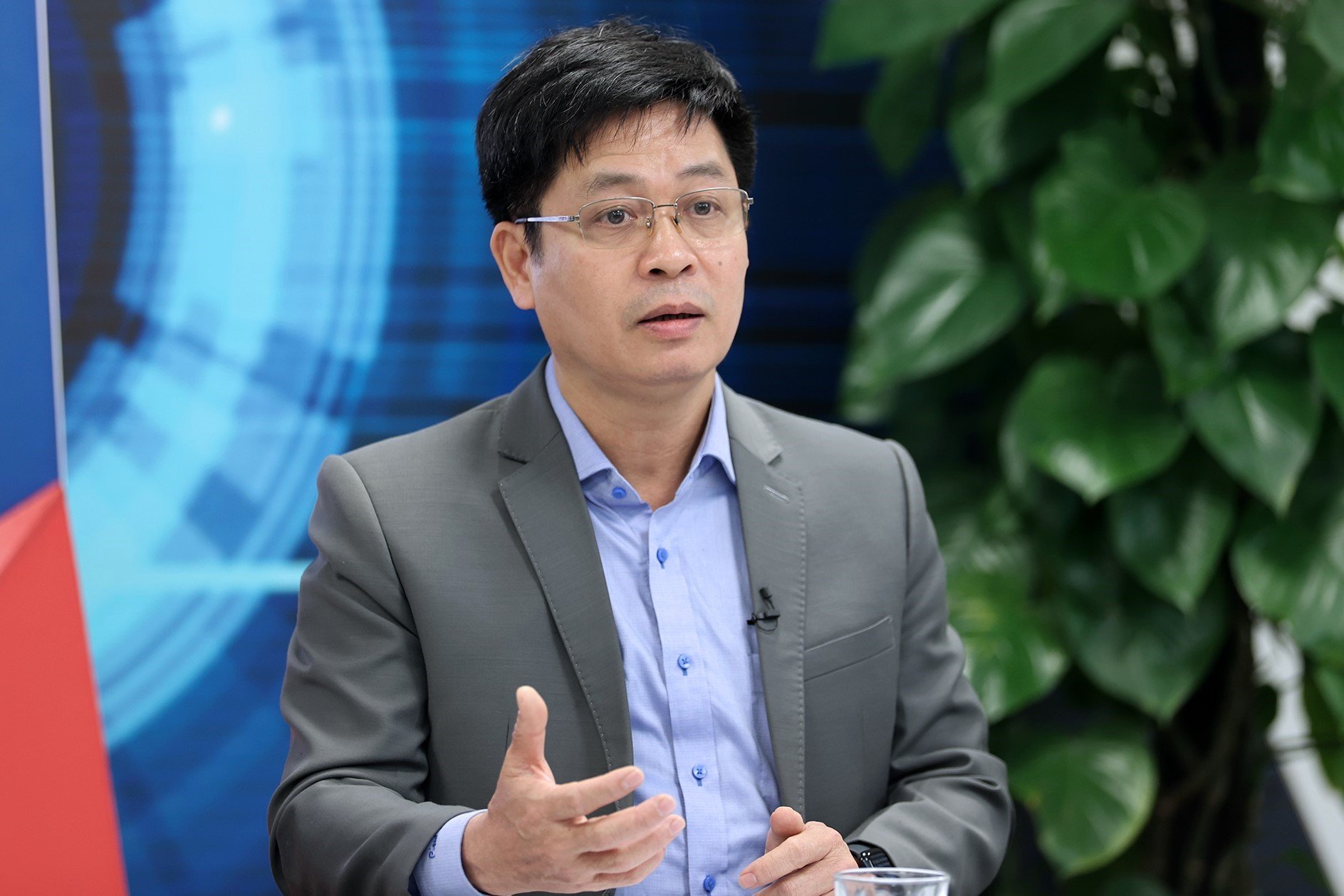
In response to this, Associate Professor Dr. Nguyen Xuan Thanh, Director of the Secondary Education Department (Ministry of Education and Training), told VietNamNet that Government Decree 24/2021/ND-CP (regulating management in public preschool and general education institutions) as well as the Charters of junior high schools, high schools, and multi-level schools all mention forms of educational activities, in which educational institutions are given the autonomy to coordinate with other units to improve educational capacity. That is, schools can cooperate in organizing activities to help students develop skills.
Furthermore, Circular 29 does not prohibit schools from collaborating to organize educational and competency-building activities for students, enabling them to apply their knowledge and develop themselves.
According to Mr. Thanh, programs and content from collaborative activities that do not include additional content from the main curriculum of general education are completely permissible.
"However, these activities must be carried out in accordance with other legal regulations, in addition to Circular 29. As long as the content of these activities helps students develop their abilities, why shouldn't we encourage them to have the opportunity to experience them?" Mr. Thanh said.
However, it should be noted that organizing such activities within schools also involves the use of public assets, which are invested in to carry out educational tasks; therefore, schools must comply with all legal regulations.
Regarding concerns about monitoring the quality of joint programs to ensure they do not encroach on the content of the main curriculum, Mr. Thanh said that this is also the responsibility of the principal and teachers in the school.
"If you say it's difficult, I don't understand what the principals or teachers in schools are doing. Whether the principals and teachers agree to the collaboration or not, they themselves must know whether that collaboration program overlaps with the general education curriculum. As professionals whose main occupation is teaching, we naturally have to know and understand the curriculum thoroughly. Therefore, teachers must know which content is part of the curriculum. If any teacher says they 'don't know whether this is inside or outside the curriculum,' then they need to reconsider whether they have fulfilled their responsibilities."
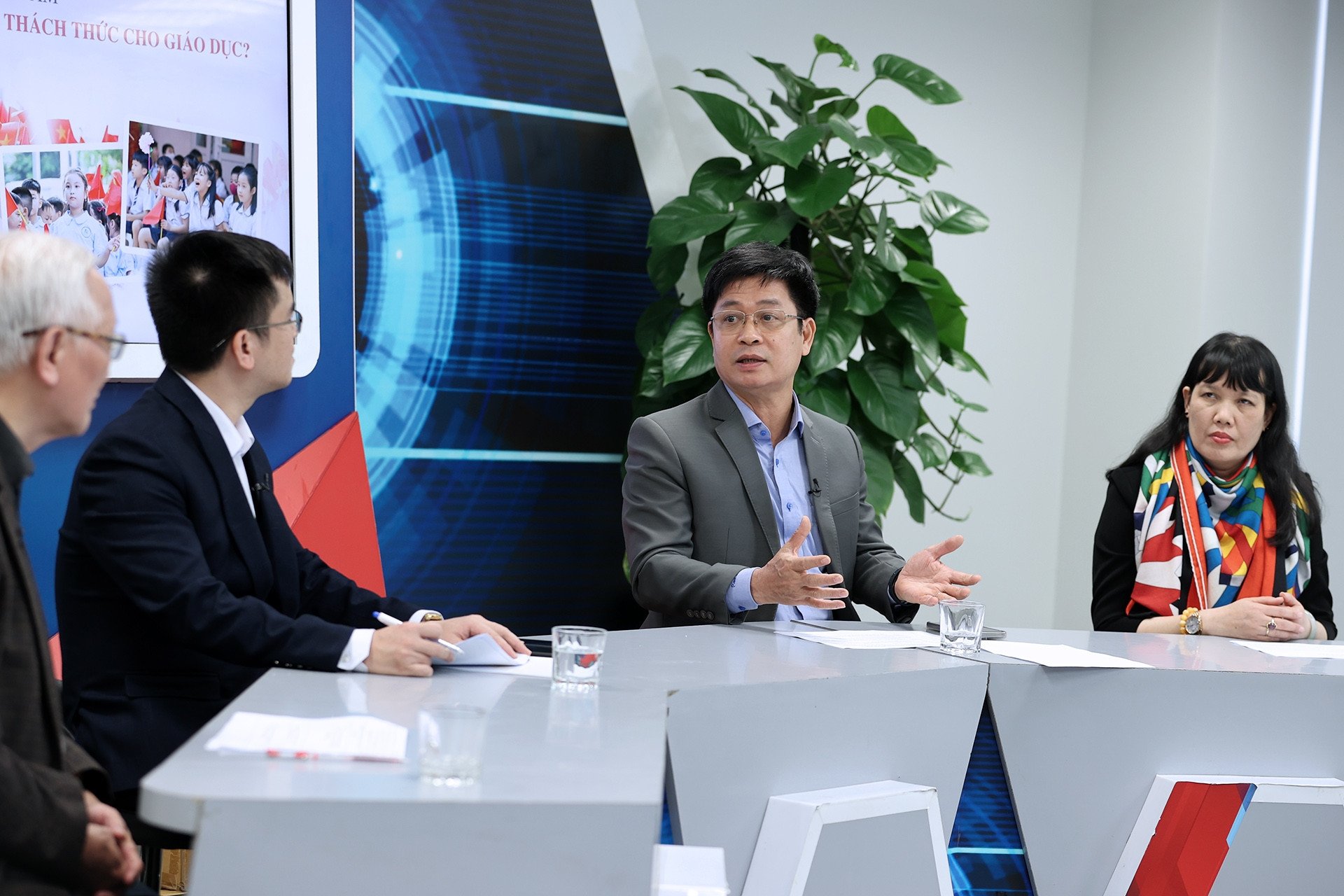
Parents 'lower expectations, increase effort' as tutoring and extra classes disappear on their own.
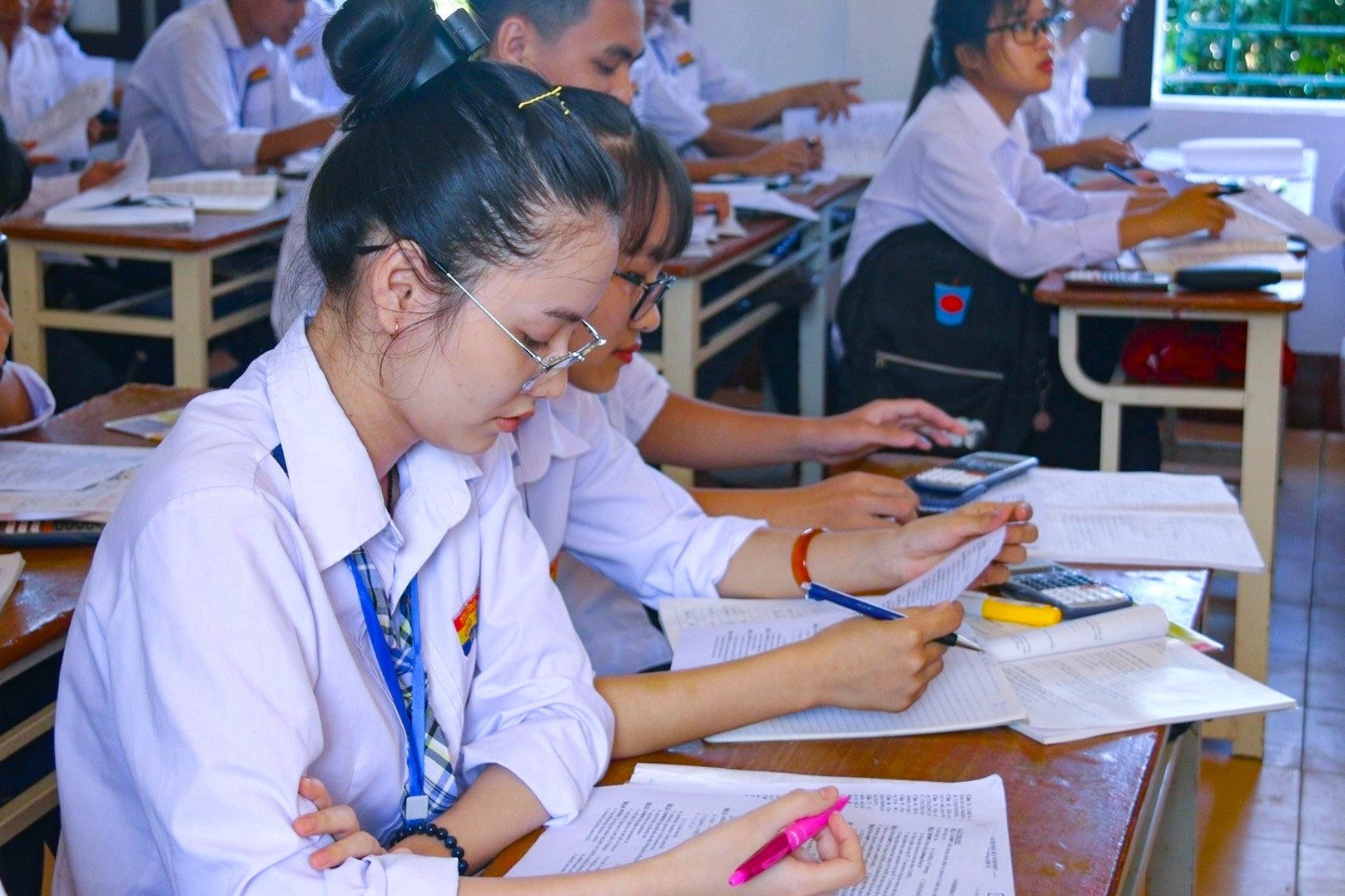
'All students have good and excellent titles, so why do they have to worry about going to extra classes?'
Source: https://vietnamnet.vn/thong-tu-29-co-hieu-luc-truong-co-duoc-lien-ket-day-tieng-anh-ky-nang-song-2371342.html






















![[Video] The craft of making Dong Ho folk paintings has been inscribed by UNESCO on the List of Crafts in Need of Urgent Safeguarding.](https://vphoto.vietnam.vn/thumb/402x226/vietnam/resource/IMAGE/2025/12/10/1765350246533_tranh-dong-ho-734-jpg.webp)











































Comment (0)