

In livestock farming, along with biosecurity measures, vaccination is the optimal solution for proactively protecting pig herds. Given the complex situation of African swine fever, promoting vaccination against the disease needs to be given more attention by local authorities.

In mid-May 2024, the first outbreak of African swine fever in the province began in Mong Cai City. According to statistics from the Provincial Department of Animal Husbandry and Veterinary Medicine (Department of Agriculture and Rural Development), from May 14th to August 9th, 2024, African swine fever occurred in 500 households in 87 villages and hamlets of 32 communes and wards across 9 localities, including: Mong Cai, Dam Ha, Quang Yen, Hai Ha, Tien Yen, Ba Che, Uong Bi, Binh Lieu, and Ha Long, with a total of 3,661 pigs killed or culled, weighing over 160,000 kg. The Ministry of Agriculture and Rural Development also assessed that Quang Ninh is one of the provinces and cities with the most severe and persistent outbreaks, and most of the African swine fever outbreaks are occurring in unvaccinated pig herds in small-scale farming households.
According to monitoring results from the Provincial Department of Livestock and Veterinary Medicine, the prevalence rate of African Swine Fever virus in the environment is approximately 3%, and under favorable weather conditions, outbreaks can occur in pig herds. In infected herds, the mortality rate can reach 100%, and the virus can survive for a long time in the environment and in pork products. In particular, production and livestock farming in Quang Ninh only meet 40% of the province's domestic consumption, with the majority imported from neighboring localities, thus the risk of disease spread remains high. Coupled with unfavorable fluctuations in the prices of input materials and output products in the livestock industry, African Swine Fever has once again negatively impacted the industry. This continues to cause significant losses for livestock farmers and the state budget.
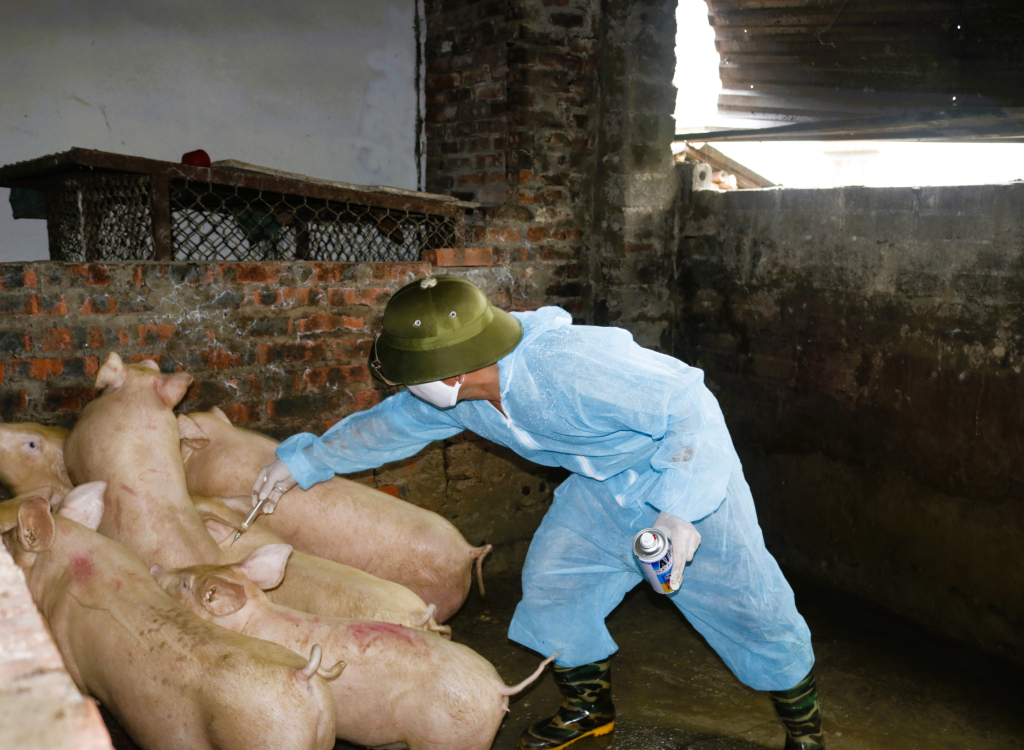
Given the complex developments of the disease, in July 2024, the Sub-Department, in coordination with the production unit, AVAC Vietnam Joint Stock Company, conducted a trial of the vaccine in Mong Cai City, a locality currently with approximately 15,000 pigs. From July 29th to August 5th, 2024, 2,393 pigs in Mong Cai City were vaccinated experimentally with the African Swine Fever vaccine. During the trial vaccination in Hai Xuan and Hai Tien communes (July 29-31), 140 households with a total of 1,698 pigs were vaccinated; the vaccination on August 5th in Hai Yen ward and Hai Dong commune involved 41 households with 695 pigs. As of August 9th, the pig herds vaccinated experimentally in Hai Tien, Hai Dong communes and Hai Yen ward remained stable, with no post-vaccination incidents reported. In Hai Xuan commune, seven days after vaccination, pigs in four households showed signs of death, loss of appetite, and poor appetite.
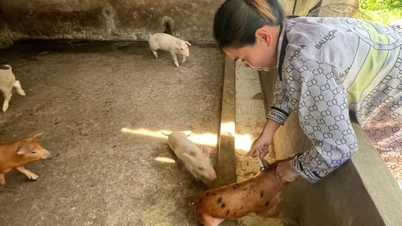
Having witnessed his family's pig herd being culled, Mr. Vuong Van Tan (Hamlet 6, Hai Xuan Commune, Mong Cai City) understands the danger and uncertainty of raising pigs without a vaccine. Therefore, Mr. Tan boldly decided to experiment with a Vietnamese-made African swine fever vaccine on 10 of his family's pigs, hoping that a successful vaccination would open up a new direction in pig farming.
Besides Mong Cai City, Ha Long City has also begun vaccinating pigs against African swine fever in Le Loi and Thong Nhat communes since August 2nd, 2024. To date, the vaccinated pigs have remained stable, with no post-vaccination incidents. Ms. Chu Thi Thu Thuy, Head of the Provincial Department of Animal Husbandry and Veterinary Medicine, stated: After vaccination, the Department closely coordinates with local authorities and livestock owners to implement monitoring and surveillance measures for 21 days, as well as technical measures and risk management after vaccination. The pilot vaccination program against African swine fever in Mong Cai and Ha Long aims to assess the effectiveness of the vaccine in protecting pigs in the field, contributing to ensuring livestock safety and production development. If the level of protection and safety is high, the Department will report to the Department of Agriculture and Rural Development to advise the Provincial People's Committee on the implementation of widespread vaccination.
Source















































































Comment (0)