

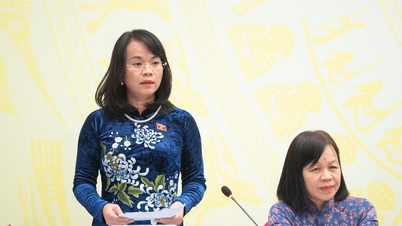
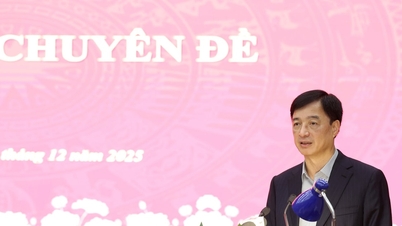
Also attending were Central Committee member and Standing Vice Chair of the Committee on Citizen Petitions and Supervision Le Thi Nga, the Vice Chairs and members of the Committee.
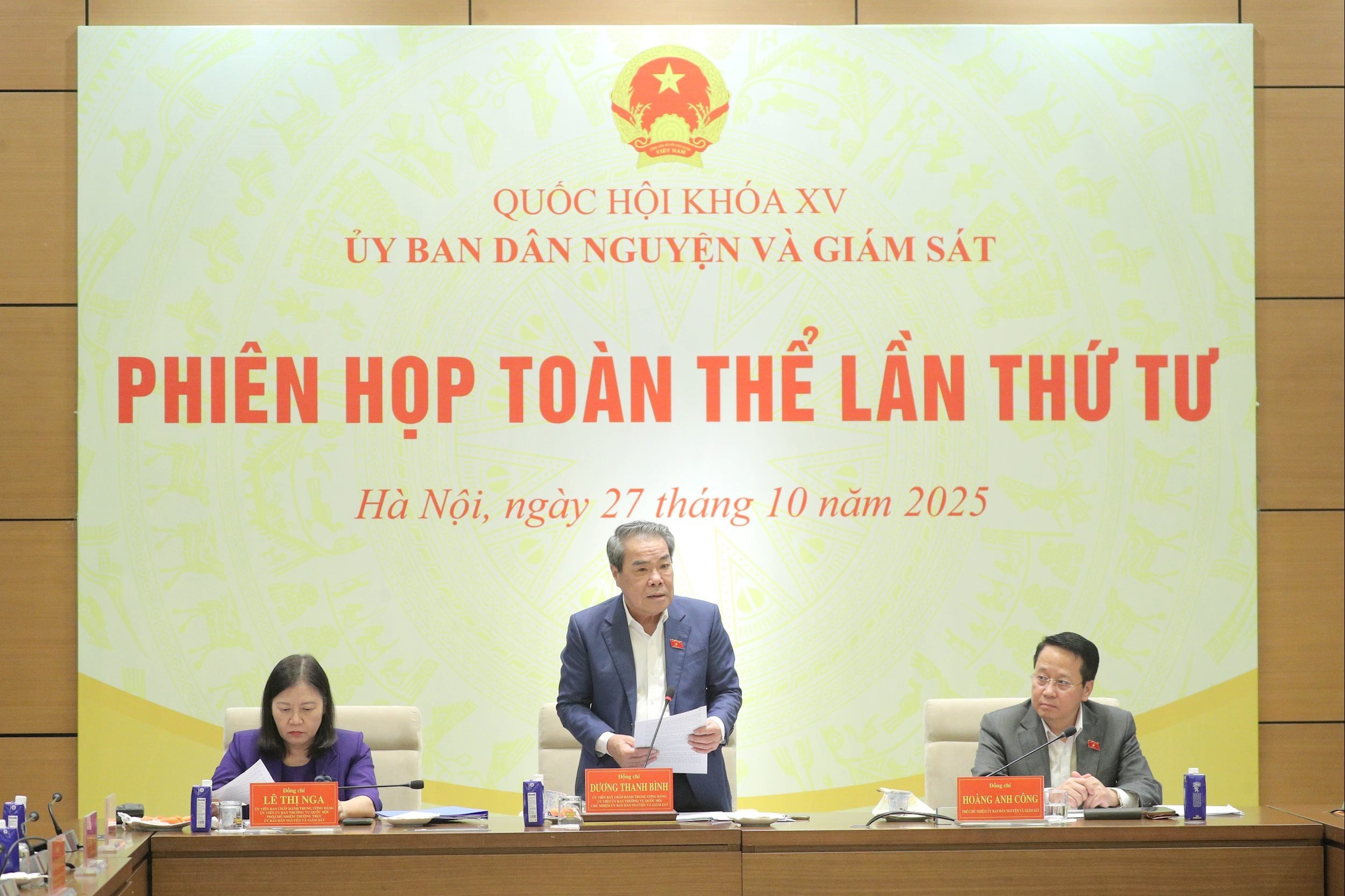
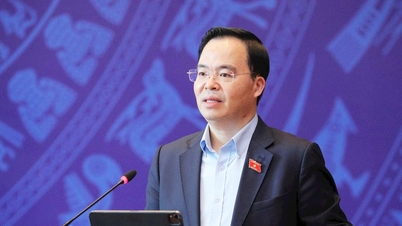
According to the report presented by Deputy Inspector General of the Government Le Tien Dat, the draft Law adds new regulations on receiving citizens online, aiming to create convenient conditions for citizens, improve the efficiency of citizen reception work, and contribute to reducing and simplifying administrative procedures.
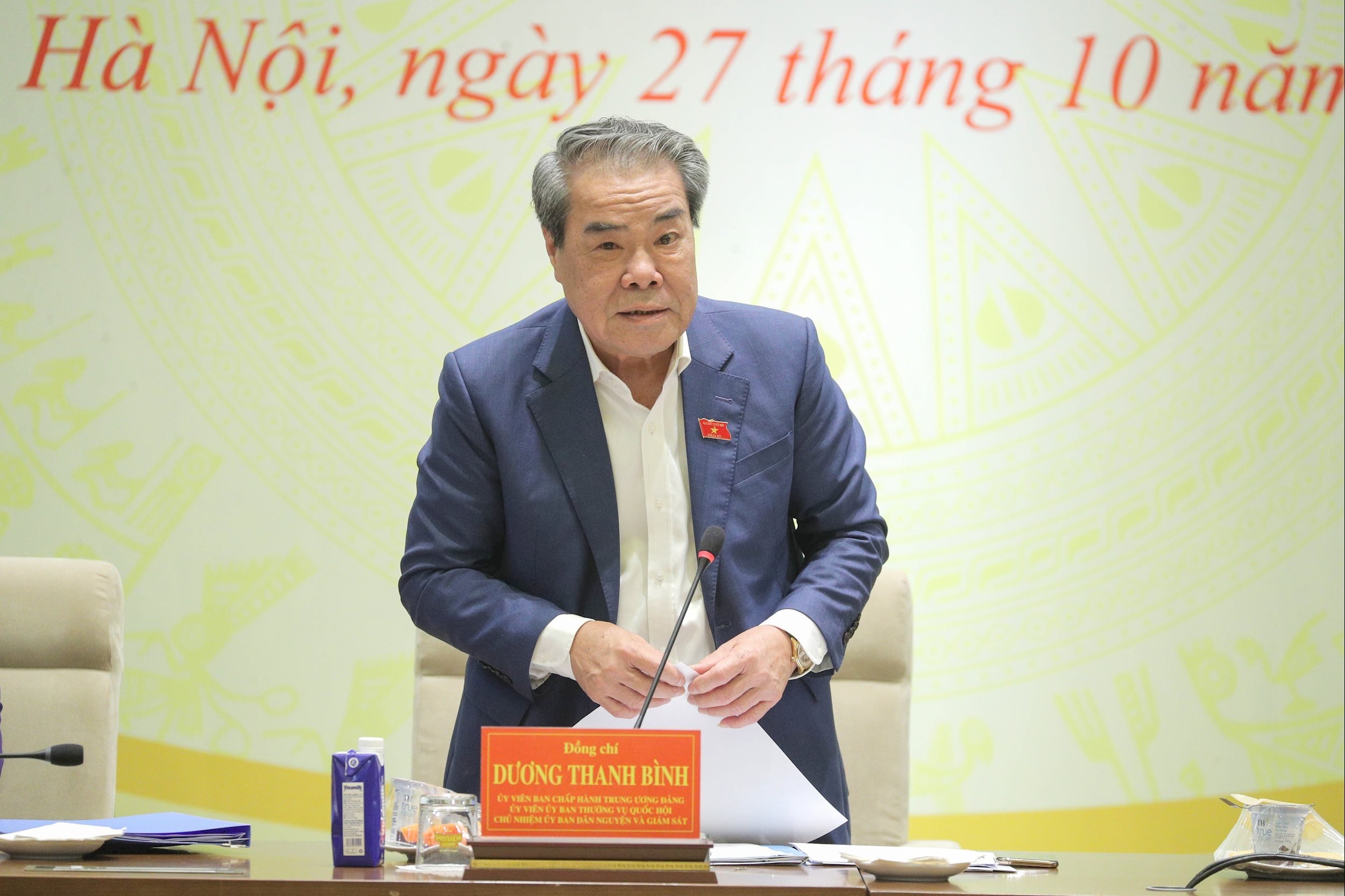
The draft law also stipulates provisions aimed at promoting decentralization and delegation of power, enhancing proactiveness and accountability in the performance of public duties. The government regulates the form of online citizen reception. The Prime Minister authorizes the Inspector General of the Government to handle complaints.
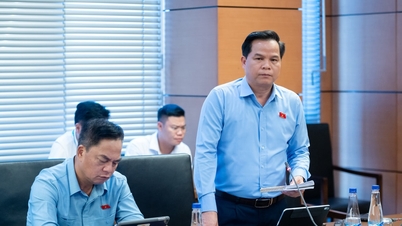
The majority of opinions within the Committee on Citizen Petitions and Supervision supported the draft Law's provision on online citizen reception to promote digital transformation in citizen reception, petition processing, and complaint resolution, contributing to facilitating citizens' exercise of their right to complain and denounce, while reducing pressure at citizen reception offices.
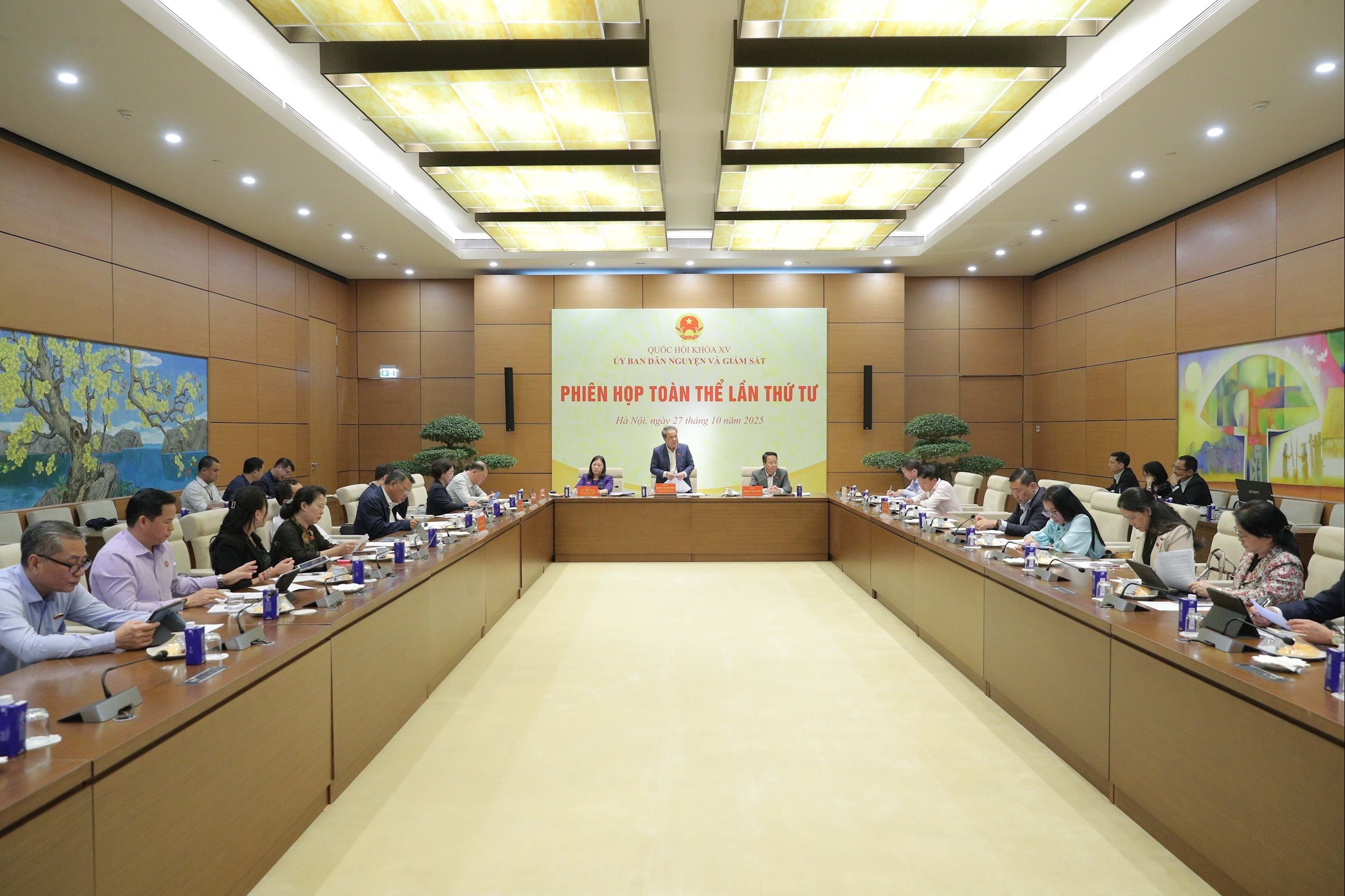
However, some opinions suggest that the Government should further assess the effectiveness of the online citizen reception model implemented in the past, the technical infrastructure conditions, etc. They also propose researching and simultaneously developing and issuing a Government Decree at the same time as the Law takes effect after being passed by the National Assembly , which would detail the procedures, rights and obligations of citizens, and responsibilities of state agencies in online citizen reception.

It has been suggested that the regulations on citizen reception locations be revised to align with the provisions of the draft Law on forms of citizen reception, both in person and online. Explanations of the concepts of "online citizen reception" and "in-person citizen reception" should be added, along with the option of "combining in-person and online citizen reception" in the draft Law.
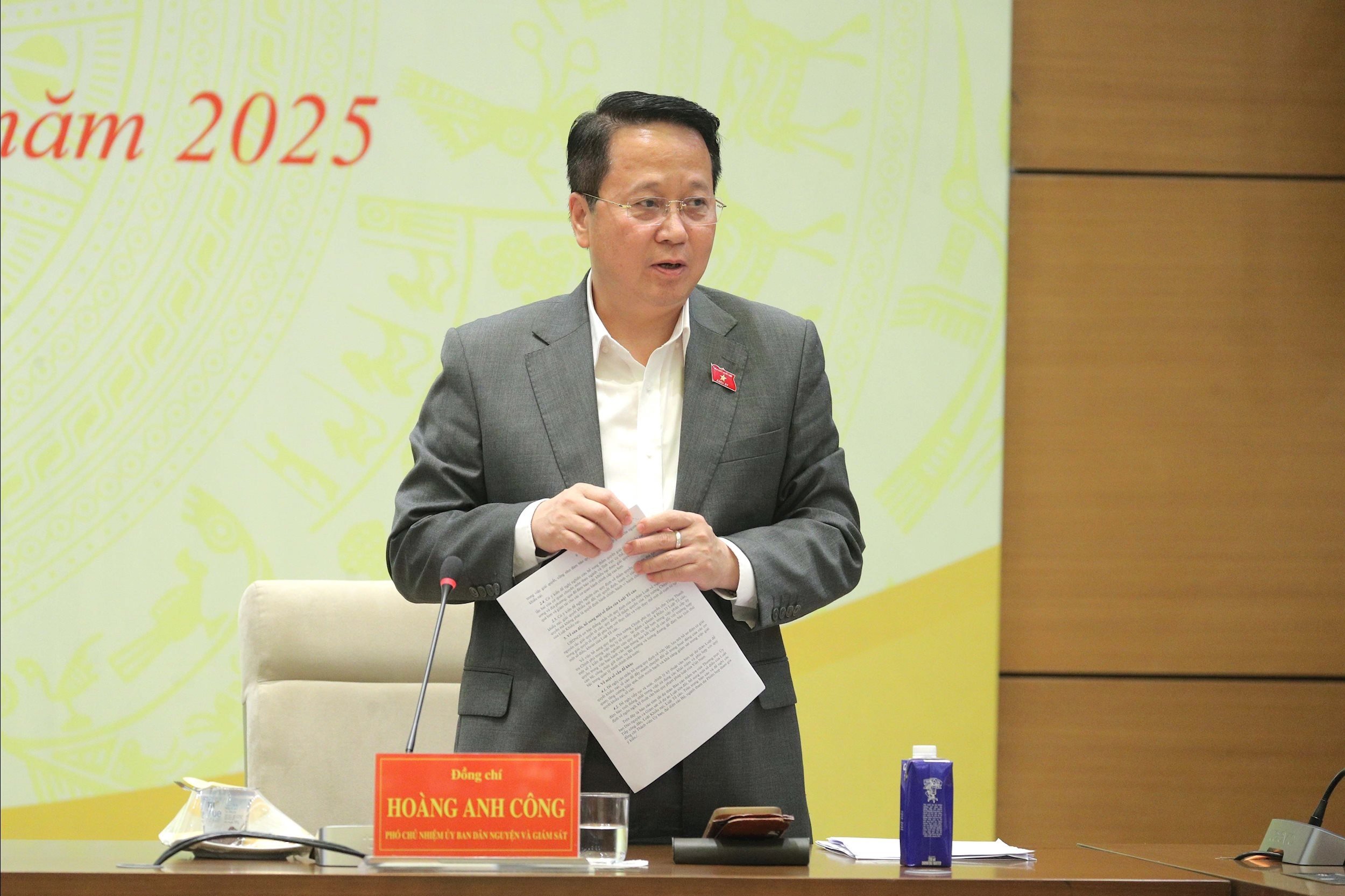
The delegates also highly appreciated the draft Law for stipulating the form of online citizen reception, especially in the context of implementing a two-tiered local government system and a large geographical area, but emphasized the need to pay close attention to ensuring the technical infrastructure for the smooth operation of online citizen reception.
It should be noted that the draft Law does not clarify the online citizen reception process. Delegates requested the Government to issue a detailed draft guideline simultaneously with the law's effective date, which would stipulate the operating mechanism for online citizen reception at the central and local levels, how data security and connectivity are ensured, the process for identity verification, and how minutes are drawn up, etc.

Some delegates suggested piloting the digitalization of citizen reception rooms in suitable locations such as Hanoi, Ho Chi Minh City, and Da Nang before nationwide implementation. They also emphasized the need for regular training of citizen reception staff in digital transformation skills and expertise.
Responding to the delegates' comments, Deputy Inspector General of the Government Le Tien Dat further explained that online citizen reception will be implemented by mobilizing citizens to a specific office and connecting online to receive their feedback, rather than connecting each citizen individually online.
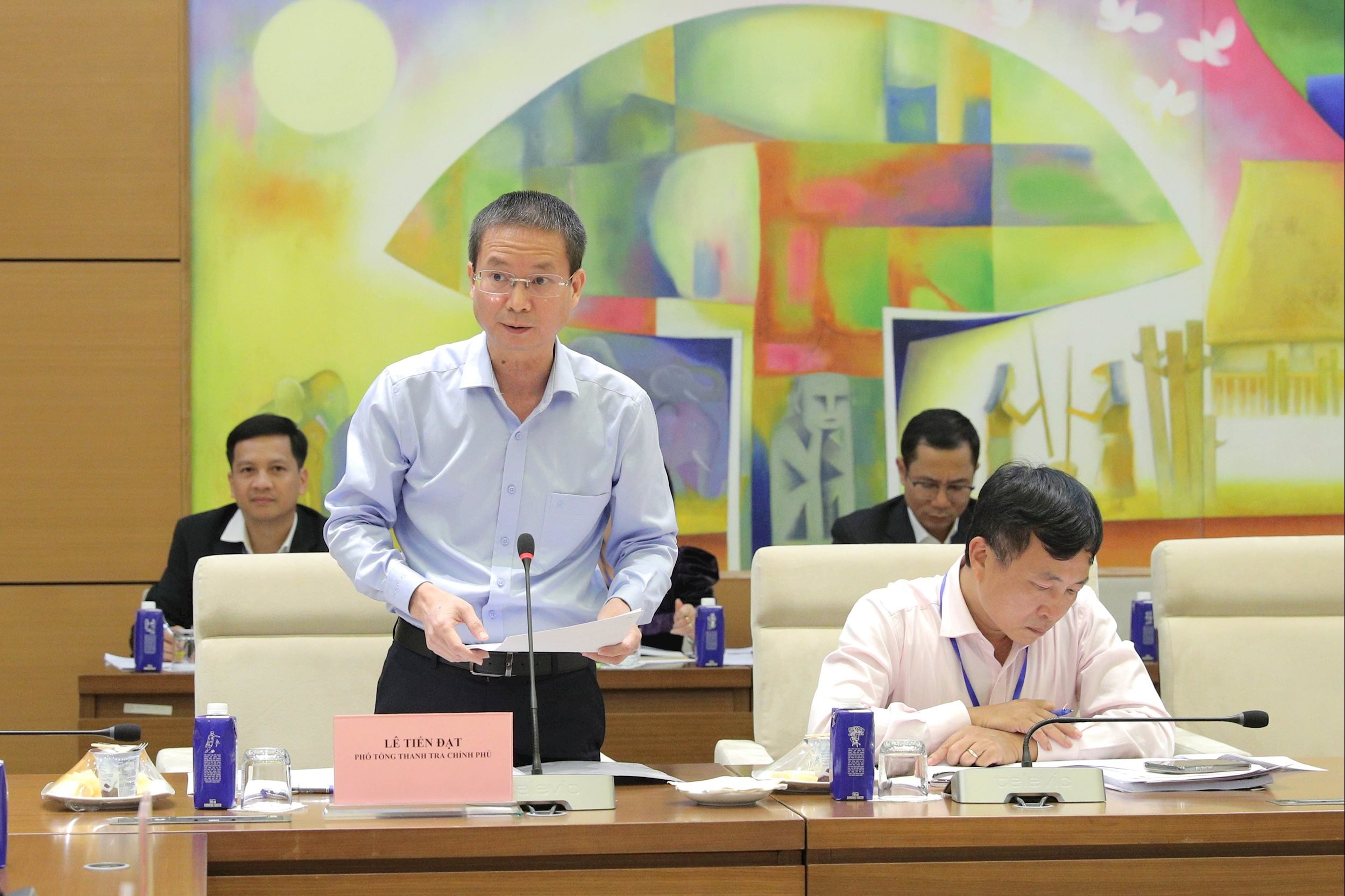
Concluding the session, the Chairman of the Committee on Citizen Petitions and Supervision, Duong Thanh Binh, requested the drafting agency to incorporate the opinions of National Assembly deputies and to study the detailed regulations in the Government Decree on the form of online citizen reception.
Source: https://daibieunhandan.vn/uy-ban-dan-nguyen-va-giam-sat-hop-phien-toan-the-lan-thu-tu-10393170.html
![[Image] Vietnam's colorful journey of innovation](/_next/image?url=https%3A%2F%2Fvphoto.vietnam.vn%2Fthumb%2F1200x675%2Fvietnam%2Fresource%2FIMAGE%2F2025%2F12%2F14%2F1765703036409_image-1.jpeg&w=3840&q=75)















































![[Image] Vietnam's colorful journey of innovation](https://vphoto.vietnam.vn/thumb/402x226/vietnam/resource/IMAGE/2025/12/14/1765703036409_image-1.jpeg)
























Comment (0)