

Mr. Chen Ta Yu, Chief Representative of the Tzu Chi organization in Vietnam (China/Taiwan):
People are Vietnam's most valuable asset.
Vietnam not only boasts beautiful natural landscapes but also intelligent, hardworking, peace- loving, and inquisitive people. The Vietnamese people are the most valuable asset, enabling the country to enter a new era full of opportunities and continue to be a focal point of international attention.
Throughout my journey with Vietnam, I have come to appreciate even more the tradition of unwavering loyalty and devotion that the Vietnamese people show to their international friends. This is a respect for the past, but also a continuation in the present: thoughtfulness, enthusiasm, and responsibility in every exchange and cooperation activity. It is these qualities that have created the "Vietnamese spirit of friendship"—a lasting value that makes us even more attached to and cherish it.
|
Mr. Chen Ta Yu (far left) distributes Lunar New Year gifts to residents of Tram Tau district, Yen Bai province (now Tram Tau commune, Lao Cai province) on January 13, 2020. (Photo: Tzu Chi). |
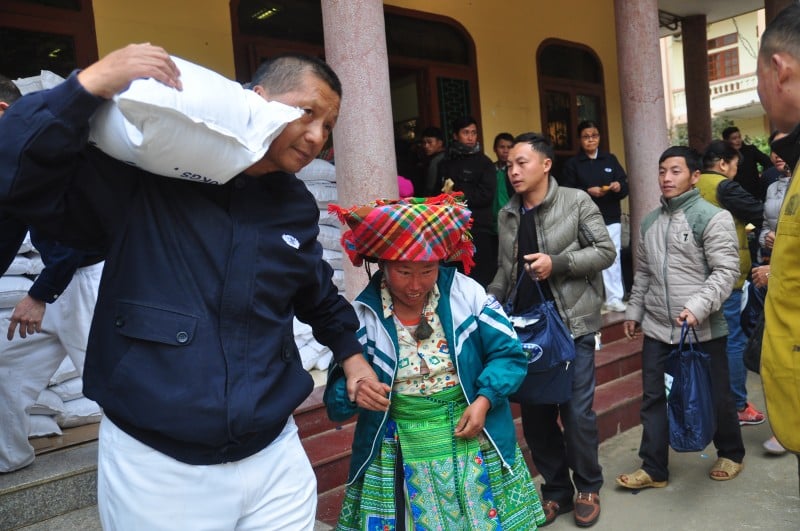
The Tzu Chi Foundation was founded on the philosophy of compassion: helping those in need. Upon arriving in Vietnam, we found that the benevolent spirit of the people here blended seamlessly with Tzu Chi's philosophy. Besides the support and facilitation from the Government, we also received active cooperation from the People's Aid Coordination Committee (PACCOM - a unit of the Vietnam Union of Friendship Organizations ) and the Committee for Foreign Non-Governmental Organizations. This support not only facilitated Tzu Chi's charitable activities but also strengthened our belief and desire to have a long-term presence in Vietnam.
Mr. Radman Jesse Kivette, Chief Representative of VinaCapital Foundation (USA):
Vietnam has helped motivate us to shift from philanthropy to sustainable development.
My first visit to Vietnam in 2000 took me to Bac Ha (Lao Cai province) where I met a young female doctor who had just graduated and volunteered to work at the district hospital. What moved me was that her motivation wasn't for herself, but to serve the poor and needy. This instilled in me a deep sense of Vietnam: a nation with people who live for the community, always putting the common good first. From that thought, I felt more "Vietnamese" and have been attached to this country ever since.
|
Mr. Radman Jesse Kivette and the children are supported by the VinaCapital Foundation. (Photo: VCF) |
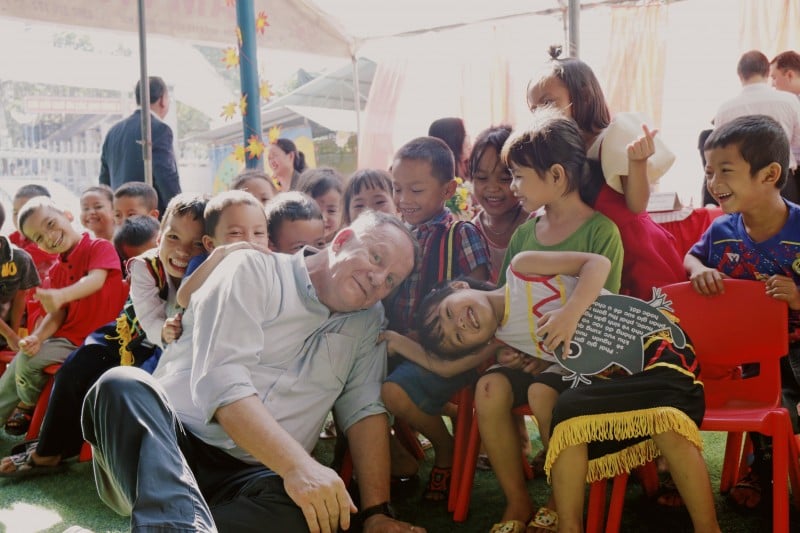
Vietnam helped me shift from a mindset of simply doing volunteer work to a deeper understanding of sustainable development – a more scientifically grounded, long-term, and substantive approach.
Throughout my more than 20-year journey, I have always received support from the Vietnamese Government, the Vietnam Union of Friendship Organizations (VUFO), and the People's Aid Coordination Committee (PACCOM). Even when international resources were limited, we consistently received encouragement, moral support, and practical assistance from these organizations, as well as from the local authorities where I had the opportunity to work.
Ms. Lu Jingru, former nurse at Nanxishan Hospital (Guangxi Zhuang Autonomous Region, China):
Vietnam: Modern and optimistic
When we arrived in Vietnam for the 70th anniversary of the Dien Bien Phu victory, we were warmly welcomed by the Vietnam Union of Friendship Organizations from the moment we landed at the airport. In the city, I saw towering skyscrapers, wide roads, and vibrant flags and flowers. Vietnam's development today further enhances the value of peace. This prosperity was built upon the sacrifices and losses I witnessed firsthand. I believe that Vietnam will continue to develop even more strongly, and the Sino-Vietnamese friendship will continue to be inherited and fostered by the younger generation through continuous exchange and learning.
|
Ms. Lu Jingru, former nurse at Nanxishan Hospital (Guangxi Zhuang Autonomous Region, China). (Photo: Ding Hua). |
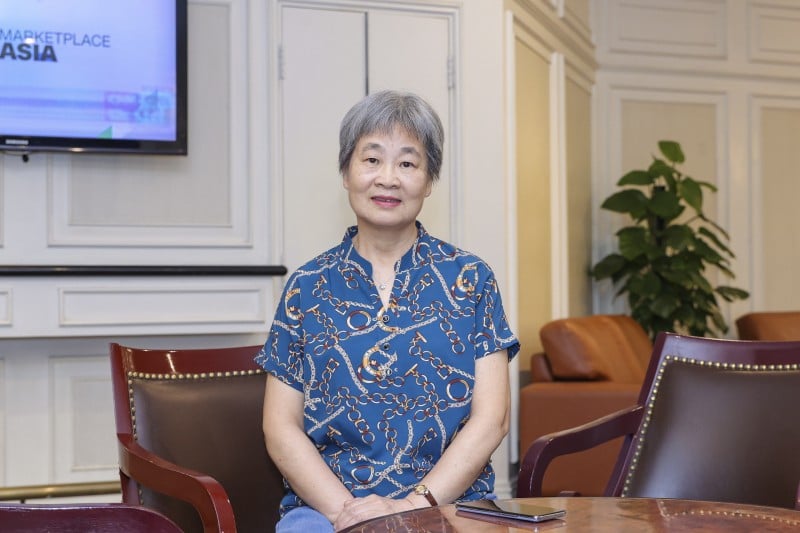
I worked at Nam Khe Son Hospital when I was only 17 or 18 years old. I was directly involved in treating wounded and sick Vietnamese soldiers. Some of these soldiers were only the same age as us when they went to war; some had lost arms, others legs. But they always maintained an optimistic spirit, finding joy in hardship. They further motivated the medical team to work harder in caring for them, because they felt that serving the wounded and sick was also a way to support Vietnam's resistance war.”
Timothée Rousselin (France):
Vietnamese people are kind and hospitable.
I have lived in Vietnam for six years. From the very first days I set foot in this land, what impressed me most was the kindness and hospitality of the Vietnamese people. I was truly amazed to discover so many beautiful things here: picturesque landscapes, a rich culture, a profound history, exquisite cuisine, and above all, lovely people.
In Vietnam, I clearly feel that community values are highly emphasized. Family, hometown, and those around me are always the top priorities.
|
Timothée Rousselin (France). (Photo: Provided by the subject). |
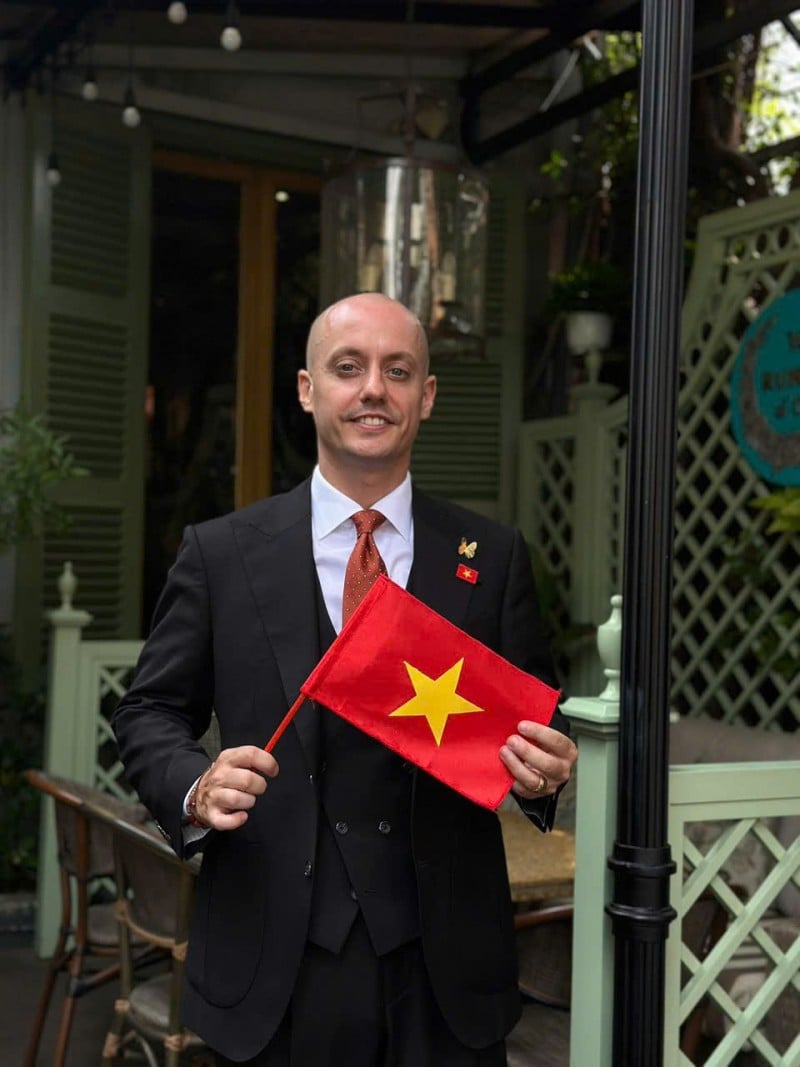
During my time living here, there's one special day that always evokes strong emotions in me: April 30th. For me, that day is not only a momentous historical milestone for Vietnam – the reunification of the country – but also a powerful symbol of the aspiration for freedom, of the journey towards healing, development, and a forward-looking future. What moves me most is that Vietnamese people don't live in hatred, but together remember the past with pride and gratitude. It's a message of peace and solidarity that many places should learn from.
Mr. Frank Howard Joyce, Head of the National Council of Seniors of the United States:
Vietnam: A Lesson in Peace
In the 1960s, when I was in my twenties, I became involved in the anti-war movement in Vietnam. Around 1966, I refused conscription. I participated in numerous protests and anti-war activities throughout the 1960s and 1970s.
|
Mr. Frank Howard Joyce, Head of the National Council of Senior Citizens of the United States. (Photo: Dinh Hoa). |
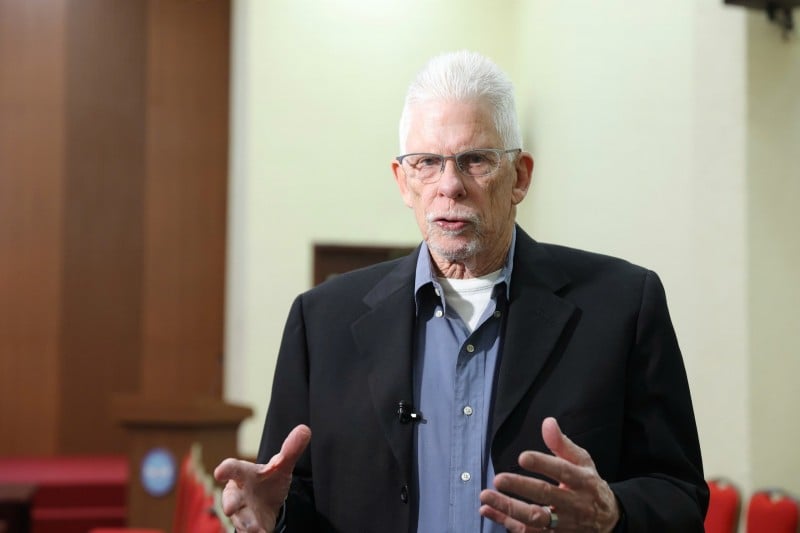
In April 1970, I was part of a peace delegation that traveled to Hanoi and its suburbs, meeting many Vietnamese people and witnessing firsthand the consequences of the war. Part of the purpose of the trip was so that upon returning to the United States, we could tell the true story of what was happening during the war – something that the American media at the time did not accurately reflect.
I still remember those days in April 1975, when we poured into the streets to celebrate. We were proud of the Vietnamese people, and also proud of what we had done as anti-war activists and peace advocates.
In April 2025, I was able to return to Vietnam. This would be my fifth visit. And each time I return, I am amazed by Vietnam's strong development, resilient spirit, and vibrant energy.
From the very beginning of my career, I have always felt welcome here as an American citizen. That feeling remains today. I see more and more American tourists coming to Vietnam. Clearly, they also feel that warm welcome. Experiencing the spirit of peace in Vietnam always moves me and gives me renewed energy. Each time I return, I learn more valuable lessons from the Vietnamese people about peace and how to build peace.
Joel Schwartz - Labor activist, member of the Reconciliation and Development Foundation (USA) delegation:
The spirit of the Vietnamese people inspires people around the world.
I began learning about Vietnam when I was 17 years old. Since then, I have studied the history of the Vietnamese people's struggle and participated in the anti-war movement in Vietnam. Now, at 73 years old, the memories of that period remain vivid in my mind.
|
Joel Schwartz - Trade union activist, member of the Reconciliation and Development Fund delegation (USA): (Photo: Dinh Hoa). |
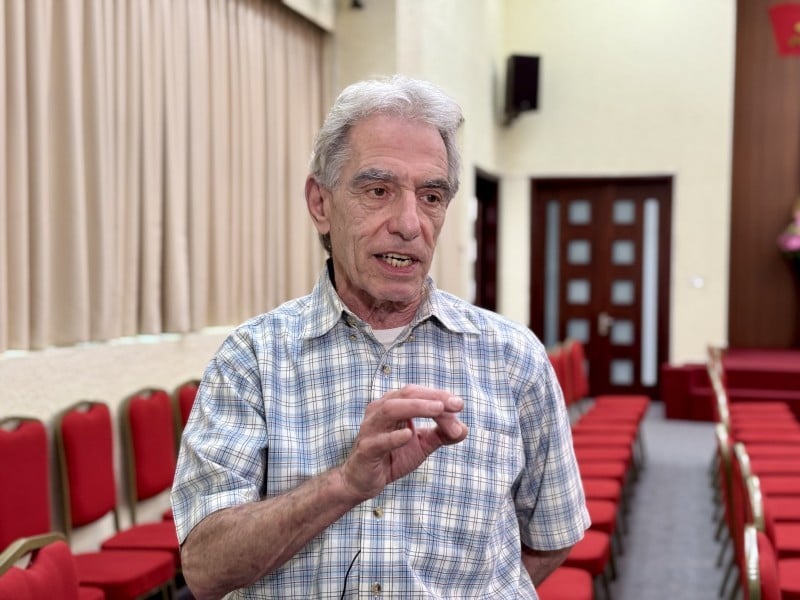
The tenacious struggle of the Vietnamese people is a profound source of inspiration for me. The Vietnamese have shown the world that they can endure a fierce struggle while maintaining their noble qualities. After all, war, regardless of who wages it, can devastate human lives. However, the Vietnamese have not forgotten the past, but neither do they dwell in it. That is truly a great lesson.
I currently live on Staten Island, New York, where there is a Palestinian community that we support together. They also find inspiration from Vietnam. For them, the spirit of the Vietnamese people is a powerful driving force for the Palestinian struggle on Staten Island. Your struggle continues to inspire people all over the world. I believe that will continue in the future.
Myrna V. Pagán - Artist, human rights activist, member of the National Council of Seniors:
Vietnam is young, modern, and always moving forward.
The most striking image I saw when I visited Vietnam was that of the children on the street making heart shapes with their hands as we sat on the bus. Their eyes and smiles were so innocent. I saw in them a future full of hope, not only for Vietnam but for the whole world.
|
Ms. Myrna V. Pagán (center) - Artist, human rights activist, member of the National Council of Senior Citizens of the United States: (Photo: Dinh Hoa). |
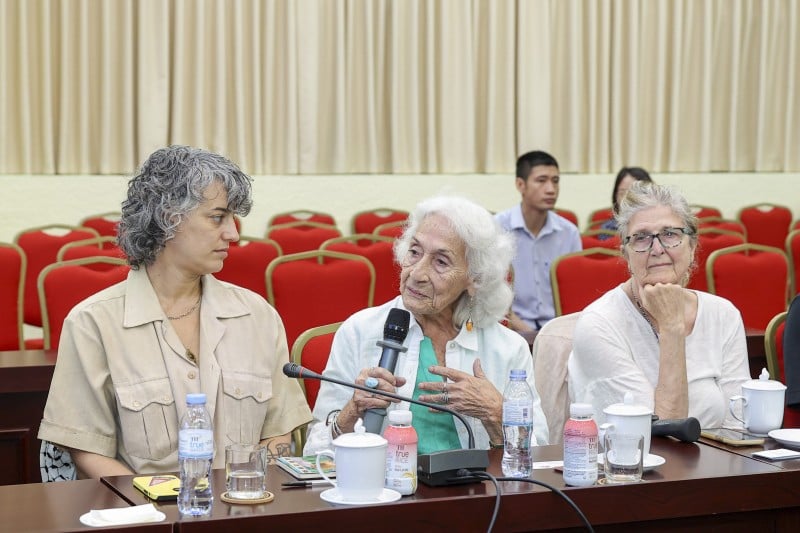
This also made me reflect: in a world full of changes, where many children are still wary of strangers, in Vietnam, children warmly welcome, want to shake hands with, and want to take pictures with foreigners.
Hearing the numbers of sacrifices in the past war, my heart ached. But you have overcome the loss to nurture a beautiful young generation, like lotus flowers. I now know that the lotus is the national flower of Vietnam, and it is so right, because you are the embodiment of those lotus flowers: pure, resilient, and full of vitality.
I hope to return to Vietnam someday and bring my grandchildren to meet their little friends here. I am getting old, but the future belongs to the children, the young sprouts of our two countries. I am very happy to be in Vietnam. I wish I could stay longer and learn Vietnamese to communicate. But even if I can't speak Vietnamese yet, my heart is already talking to you all.
On April 17, 2025, we met with the President of the Vietnam Union of Friendship Organizations and received updates about your country. I realized that our two countries are not only geographically distant, but also once separated by invisible walls of media and prejudice. Therefore, seeing and experiencing life here firsthand was a valuable experience. From the people I met, I clearly felt their dedication, resilience, and hope for the future. That is the strongest message I will carry with me.
Mr. Petr Tsvetov, First Vice President of the Russia-Vietnam Friendship Association:
Vietnam has a presence in many places around the world.
In early September 2025, I had the opportunity to return to Vietnam. Vietnam – the land where I lived and worked for many years. Even the short journey from the airport to the hotel was enough for me to notice the changes, evidence of a Vietnam that is developing rapidly and steadily reaching new heights.
I recall my first trip to Vietnam in 1977, when the country was still facing many difficulties. People used ration coupons to buy rice, meat, and fish, each in small quantities. At Dong Xuan Market, there were mostly only bananas; not many other fruits or goods. Today, looking back, I feel joy spreading in my heart. Hanoi is very different from before: any supermarket or market is overflowing with goods, from agricultural products to electronic devices. I often tell my students: just open the phone case, and you'll see the words "Made in Vietnam." This means that Vietnamese products are now present all over the world, affirming the country's new position.
Vietnam is now gradually mastering high technology, demonstrating dynamism and innovation in the Fourth Industrial Revolution. I am particularly impressed with the GDP growth rate from the 1990s to the 2000s, along with the boom in foreign trade, showing that the international community increasingly values cooperation with Vietnam.
Kaneya Manabu (Former Chief of Police of Saitama Prefecture, Japan):
There are many smiles in Vietnam.
Vietnamese people often have friendly, warm, and affectionate smiles. I always see people smiling, even when they are in difficult circumstances or working hard. People are very close to each other, even in the workplace. Everyone cares for and shares with each other openly.
|
Kaneya Manabu (formerly the Chief of Police of Saitama Prefecture, Japan). (Photo: Provided by the subject). |
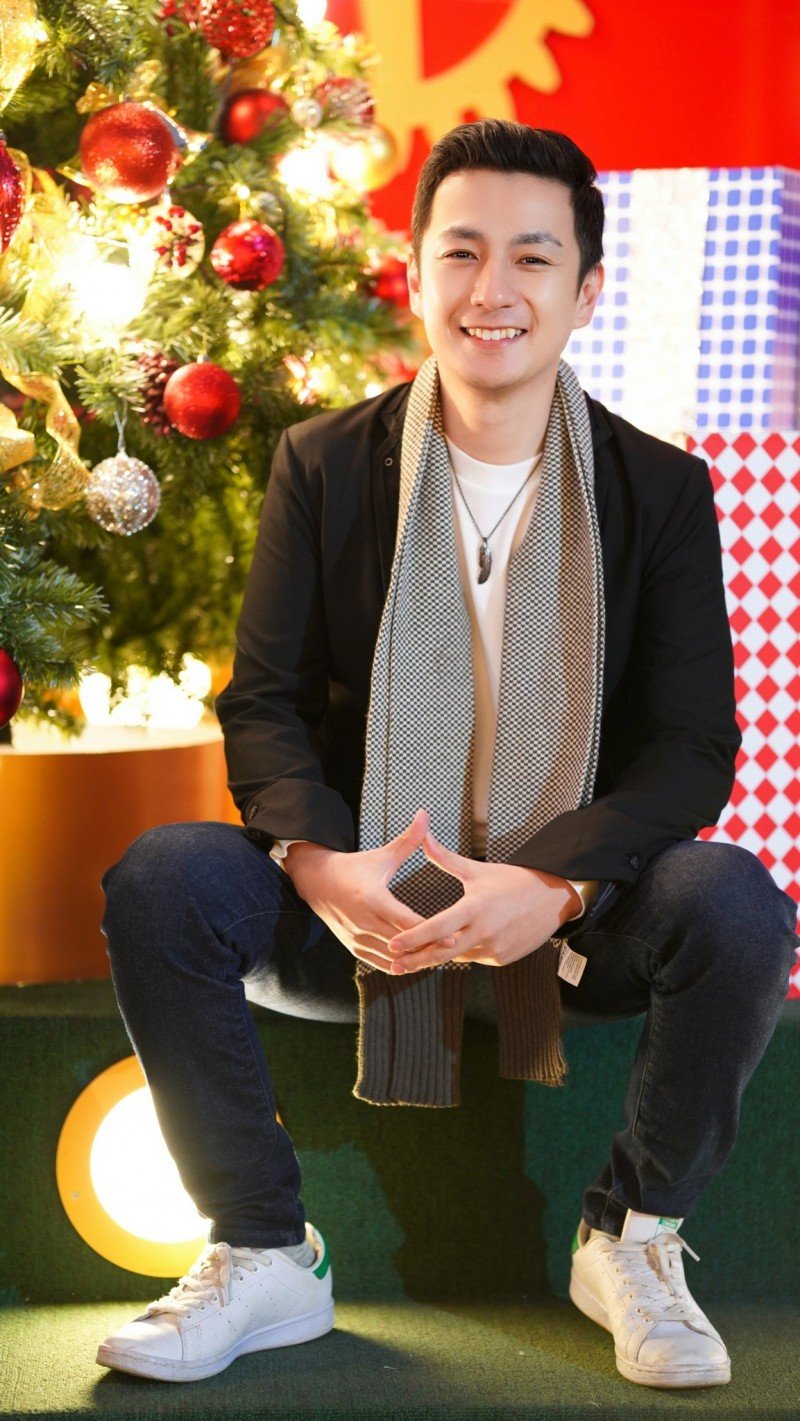
For many Vietnamese people, happiness isn't about having a good job or a lot of money, but about having a loving and warm family. When I asked them how they would live in old age, most Vietnamese said they had their children, grandchildren, and relatives to support them and didn't have to worry about anything. The people here are truly very affectionate.
In some developed countries, many people commit suicide due to work pressure. For Vietnamese people, if they face difficulties at work, they consider quitting rather than suicide. This demonstrates self-respect and a belief that one's own well-being is paramount.
In Vietnam, if a parent or child in the family is sick, they can request time off work and openly state the reason as caring for a loved one. Their superiors or colleagues find this normal; no one complains, and they might even send their regards or allow them to take extra time off. This is a wonderful display of human kindness that I have witnessed.
In Vietnam, there's a common practice of taking lunch breaks at the office. I think many places should adopt this. A lunch break of at least 5-10 minutes increases work efficiency. Napping also reduces work-related stress.
I want to start a family and live happily with my family in Vietnam.
Source: https://thoidai.com.vn/viet-nam-trong-tam-long-ban-be-217525.html


![[Photo] General Secretary and President To Lam meets with National Assembly delegates from ethnic minorities.](https://vphoto.vietnam.vn/thumb/1200x675/vietnam/resource/IMAGE/2026/04/20/1776696701056_a1-bnd-8331-3342-jpg.webp)
![[Image] National Assembly discusses the implementation of the socio-economic development plan.](https://vphoto.vietnam.vn/thumb/1200x675/vietnam/resource/IMAGE/2026/04/20/1776696707422_ndo_br_img-20260420-185419-jpg.webp)















































Comment (0)