

Extreme weather, shocking electricity bill.
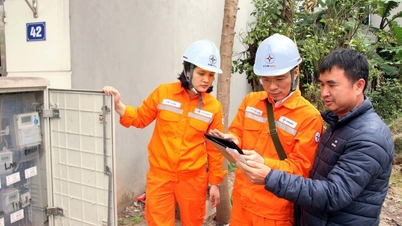
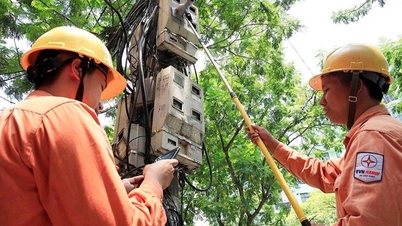
According to information from the Ho Chi Minh City Power System Dispatch Center, in early May, Ho Chi Minh City broke the record for electricity consumption with 94,802,677 kWh/day, far exceeding the highest level in 2022 by nearly 2.8 million kWh. In addition, the Ho Chi Minh City Power Corporation also reported that even on weekends when manufacturing, government agencies, and office buildings are closed, electricity consumption remains higher than previous years' records. In Hanoi , electricity consumption also peaked during days of scorching heat reaching 40-44 degrees Celsius.
Although extreme weather plays a major role in the skyrocketing electricity bills, people's passive approach to cooling solutions is also a contributing factor. Specifically, people often wait until the hot season to start cooling with quick-acting "cooling" devices such as evaporative coolers, fans, and air conditioners. This method only provides temporary relief and adds to the burden on monthly electricity bills.
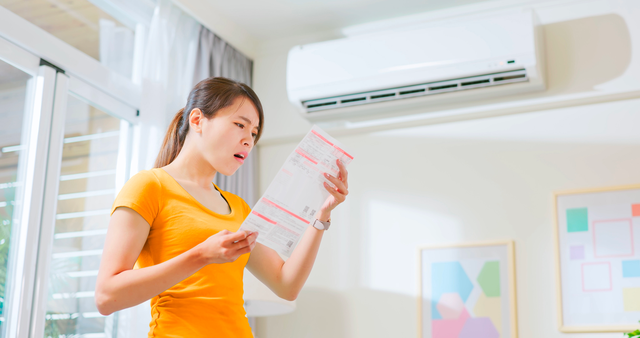
Rising electricity costs due to people using air conditioners and fans to escape the heat are causing concern for many households.
Specifically, when the outside temperature is 40 degrees Celsius, if the air conditioner is set to 20 degrees Celsius, the electricity consumption of a 1HP air conditioner after 8 hours is 10.72 kWh. Compared to days with an average temperature of 30 degrees Celsius, this electricity consumption is 4-5 times higher during the same usage period.
Instead of using passive solutions, people can implement proactive heat mitigation measures for their living spaces, especially in the roof, terrace, and exterior walls of their homes. This is a sustainable solution to prevent thermal shock and electricity bill spikes.
How to get through the harsh summer with its unpredictable sun and rain.
Specifically, for completed buildings where heat insulation was "accidentally" omitted during construction, homeowners can use heat-reflective paints to coat the old paint on exterior walls and roof slabs to "urgently" lower the temperature of the house. According to experts, Sikalastic®-590 and Sika® RainTite from the Sika brand are among the most effective and exclusive "2-in-1" heat insulation and waterproofing solutions currently available.
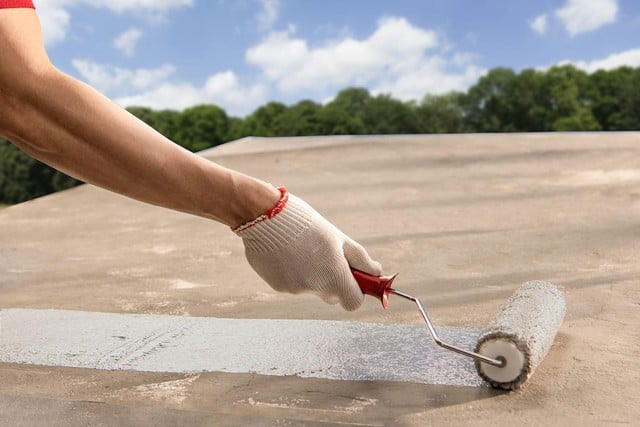
Images of Sikalastic 590 product application for roof decking.
Sikalastic®-590 is recommended for roofing due to its ability to withstand the intense sunlight and hot, humid weather typical of Vietnam. The product's special structure prevents heat transfer and reflects light, thereby reducing the surface temperature of the coated area and minimizing heat absorption into the living space. Depending on the outside temperature, application method, and roofing material, Sikalastic®-590 can reduce heat absorption by 5-10°C, saving on air conditioning costs. Another advantage of Sikalastic®-590 is its superior performance. Sikalastic®-590 offers excellent crack-filling capabilities, prevents staining and weathering, and ensures the aesthetic appeal of the structure.
As for exterior walls, common building materials like bricks are not very effective at heat insulation. Therefore, Sika® RainTite is considered a "savior" thanks to its application of heat radiation reflection technology that can reflect UV rays, helping to reduce wall temperature by up to 10 degrees Celsius compared to conventional paints or waterproofing agents. In addition, Sika® RainTite is also used for waterproofing and heat insulation on many other surfaces such as interior vertical walls, concrete roof slabs, foundation walls on roofs, and finished surfaces.
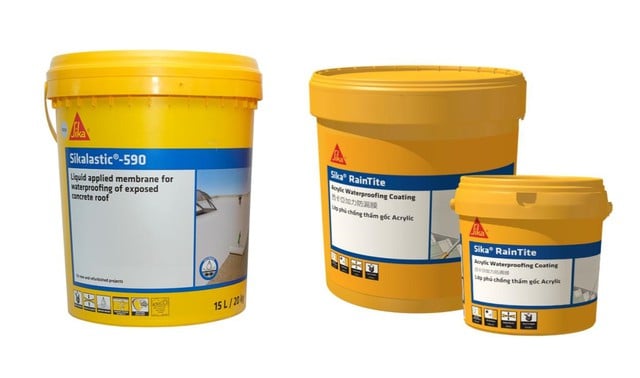
Sika's "2-in-1" waterproofing and heat insulation solution.
Not only are Sikalastic®-590 and Sika® RainTite an indirect solution for "reducing electricity bills," they also limit the risk of overload, tripped circuit breakers, and even fires in household electricity use. This heat-resistant duo also has VOC levels that comply with requirements, has minimal environmental impact, and is safe for installers and users, thus being considered an indirect solution for protecting the living environment.
"However, instead of waiting until the last minute, proactively addressing heat issues from the structural design stage and installing heat insulation systems before building a house is still the optimal solution. Don't wait until the hot season arrives to scramble for solutions," advises a Sika expert.
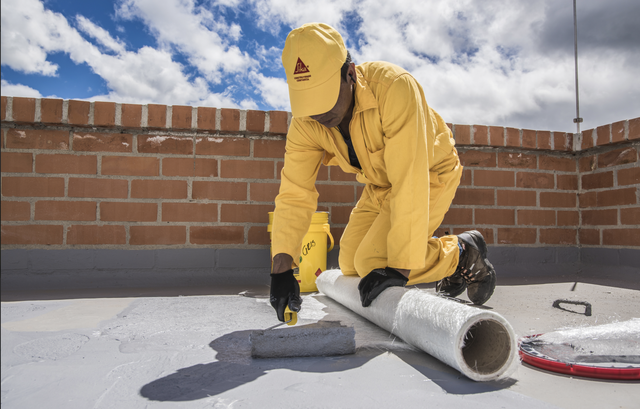
Sika provides comprehensive solutions for the construction and waterproofing of townhouses.
For example, initial planning options such as rooftop gardens, climbing plants on walls, and increasing the area of gardens and water features will help reduce the surface radiation of the building, providing overall heat insulation. Alternatively, homeowners can research ways to design courtyards and skylights to enhance air convection, allowing hot air to escape upwards and outwards, making way for cooler air.
Whether applying passive or active methods to reduce heat in a house, homeowners should consider building materials from leading brands. Sika, a corporation offering comprehensive solutions for townhouses from foundation to roof, with superior waterproofing and heat insulation solutions, is a worthwhile option for homeowners. Readers can learn more about Sika's solutions at https://vnm.sika.com .
Source link





















































































Comment (0)