

Four years after the world recorded its first death from Covid-19, the disease has become endemic, but global health systems still face potential burdens and risks from the increasing prevalence of seasonal respiratory illnesses.
Continued spread
According to warnings from the World Health Organization (WHO), the number of Covid-19 cases, mainly due to the JN.1 variant, increased rapidly again in late 2023 and early 2024, coinciding with the peak season for influenza and other respiratory illnesses in winter and spring. Approximately 10,000 deaths from Covid-19 were recorded in the last month of 2023. However, according to the WHO, these statistics are based on data recorded in fewer than 50 countries, mainly in Europe and the Americas.
In the US, the Centers for Disease Control and Prevention (CDC) has called the current surge in Covid-19 cases the second-largest Covid-19 wave in the country's history, following the surge in Omicron variant cases in the late winter/spring of 2021-early 2022. Dr. Michael Hoerger, an assistant professor at the Tulane University School of Medicine (Louisiana), warned that the peak of the current wave will be between mid-December 2023 and February 2024, with one in three Americans contracting Covid-19.
Europe continues to record "record" numbers for the rate of increase in influenza and Covid-19 cases. In Portugal, the proportion of influenza cases among patients in intensive care reached a record high (17%) in the last week of 2023. In the UK, the National Health Service (NHS) reported that the number of Covid-19 and influenza cases doubled in just two weeks from December 23 to 31, 2023, an increase of more than 65% since the beginning of December 2023. Several countries in the Southern Hemisphere, currently in summer, are also seeing higher-than-expected levels of respiratory illness activity for this time of year. In Australia, a new wave of Covid-19 swept through New South Wales (NSW) during the New Year's holiday, with the highest infection rate in the state in a year.
Increased risk of severe pneumonia.
Explaining the recent rapid spread of Covid-19, experts say that the JN.1 variant can evade the immune system and is more easily transmitted than other variants. Currently, the JN.1 variant has appeared in over 40 countries and is classified by the WHO as a variant of concern. In addition to common symptoms such as fever or chills, cough, sore throat, nasal congestion or runny nose, headache, muscle aches, shortness of breath, fatigue, loss of taste or smell, brain fog, and digestive symptoms like stomach discomfort, the JN.1 variant also causes two unusual symptoms: difficulty sleeping and anxiety. The JN.1 variant also raises concerns among health experts due to its increased risk of severe pneumonia.
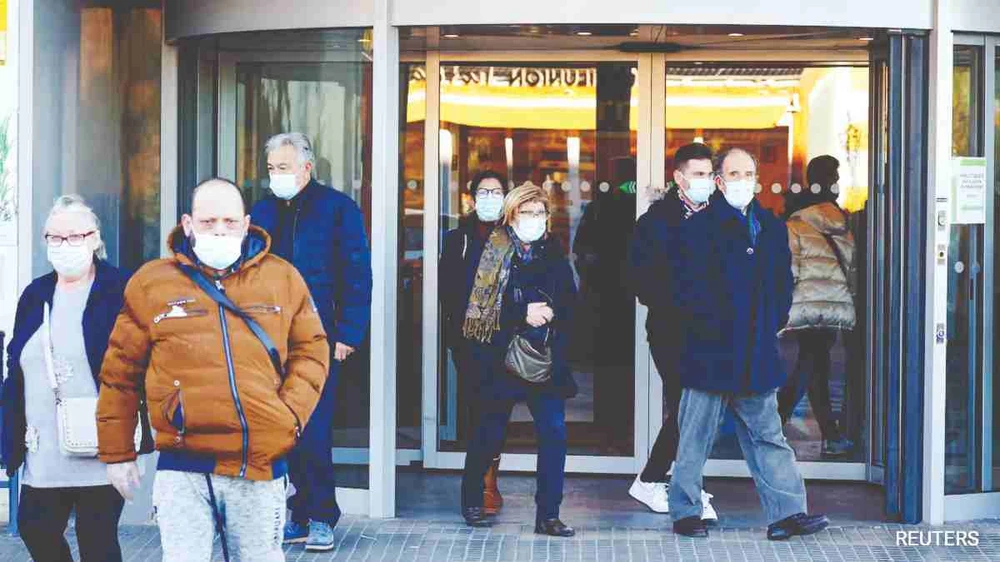
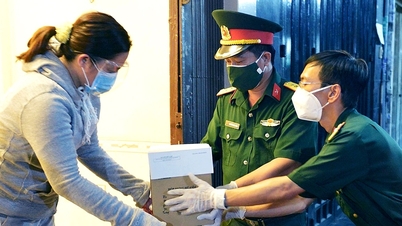
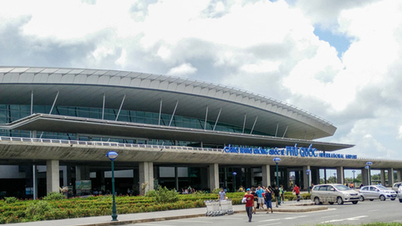
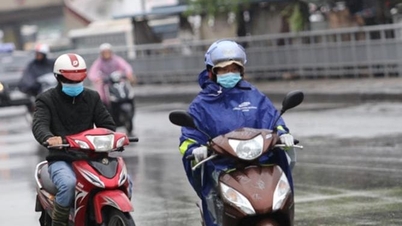
To prevent the spread of the disease, the European Centre for Disease Prevention and Control (ECDC) recommends that people stay home and wear masks in crowded places and at healthcare facilities. In Greece, the government has urged people to get vaccinated against influenza and Covid-19. Spain has reimposed mask mandates in hospitals. Hospitals in at least four US states have reinstated mask-wearing regulations. In Southeast Asia, many countries have reimplemented measures such as installing thermal scanners at airports, urging people to wear masks, and administering Covid-19 vaccines.
Compiled by THANH HANG
Source





























































































Comment (0)