

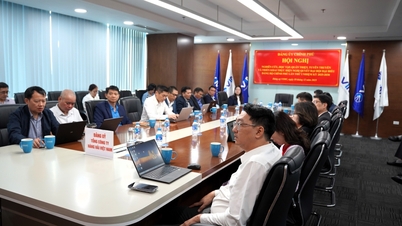
This was the consensus reached by many delegates at the in-person meeting of the network of social organizations working in the field of child rights protection, organized by the Vietnam Association for the Protection of Children's Rights in coordination with Ho Chi Minh City on the afternoon of December 10th.
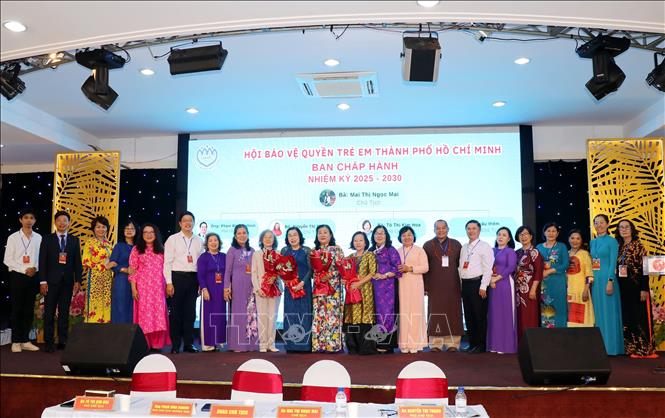
According to Ms. Mai Thi Ngoc Mai, President of the Ho Chi Minh City Association for the Protection of Children's Rights, changes in geographical boundaries, population, resources, and inter-sectoral coordination methods are posing entirely new demands on current child protection work. There are advantages, but also considerable difficulties.
Ms. Mai stated that the Association had worked with child welfare officers in the three former regions of Ho Chi Minh City, Binh Duong, and Ba Ria - Vung Tau and noted several emerging obstacles. The biggest issues were the lack of clearly defined responsible points of contact; the existing coordination process was still inefficient; and some newly assigned officers lacked experience and were responsible for multiple areas, making it difficult to closely monitor the situation of children at the grassroots level. Meanwhile, incidents of school violence, child abuse, and online safety issues continued to occur frequently and were becoming more complex.
Mr. Nguyen Lu Gia, representative of Save the Children International in Vietnam, stated that limitations in capacity and experience at some units and localities have significantly affected the speed of intervention and handling of emergency cases involving children. Based on the practical implementation of child support projects in Ho Chi Minh City, Mr. Nguyen Lu Gia proposed that relevant agencies should promptly review and update the post-merger situation and work with the city to develop appropriate support services and models to ensure that all children, especially those in difficult circumstances, have access to necessary care.
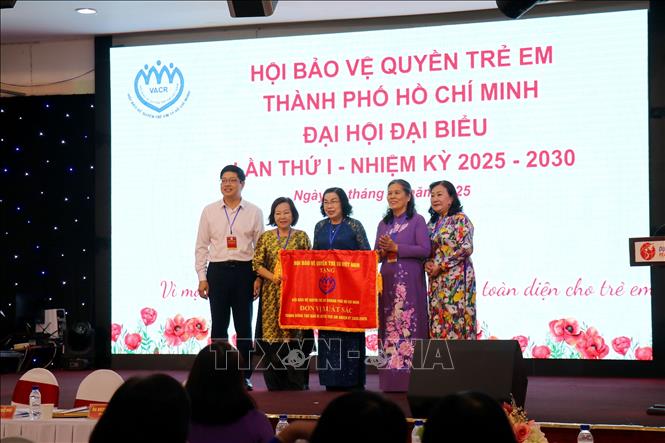
Mr. Nguyen Van Tinh, Vice Chairman of the Ho Chi Minh City Children's Protection Association, also pointed out a worrying reality: Many grassroots officials in charge of children's affairs have only been in the job for 1-2 months, lacking experience and burdened with an excessively large workload.
"If the Department of Health manages 12 tasks, then in the future, each ward will only have one health officer responsible for all departmental-level activities. The field of children's health is only one of those 12 tasks, but the children's health sector alone has 8 regular responsibilities, of which child protection is only a part," Mr. Tinh cited as an example.
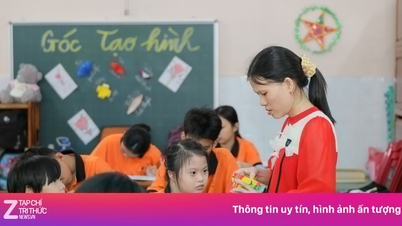
At the conference, social facilities in the city shared many difficulties in transferring children from charity classes to higher grades or transferring them to other schools after completing primary school; many children in these classes have not been issued health insurance cards, limiting their access to basic healthcare. A few other children have not yet been issued personal identification documents…
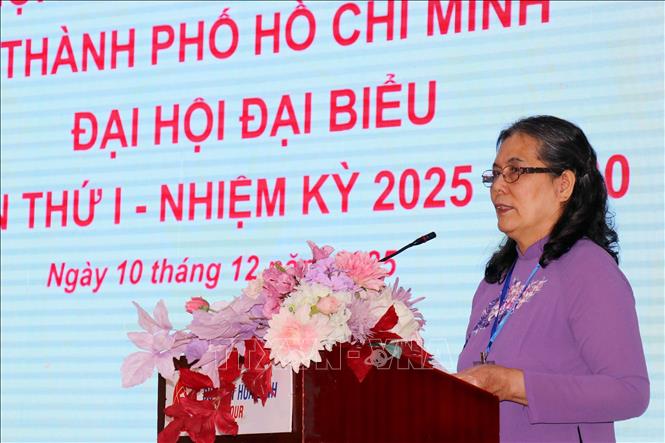
Based on practical experience, Ms. Nguyen Thi Thanh Hoa, President of the Vietnam Association for the Protection of Children's Rights, believes that the urgent need now is to strengthen the inter-sectoral coordination network between state agencies and social organizations. Simultaneously, it is necessary to strengthen and develop the network of child protection collaborators at the grassroots level; increase the number of people close to the community, closely monitor the situation, and be able to detect risks early, providing timely support to relevant agencies.
According to Ms. Hoa, child protection cannot be the responsibility of a single agency or organization, but requires a collaborative effort from many sectors, levels, and forces; especially in the trend of streamlining the organizational structure, the role of collaborators is even more important.
Effective child protection cannot simply address incidents after they occur; it requires building a risk prevention system at the grassroots level, starting within each family, school, and community. Prevention remains the best approach to protecting children, because only when risks are identified early, and children are surrounded by a safety net beforehand, will all protective actions be fully effective.
Source: https://baotintuc.vn/thoi-su/xay-dung-he-thong-phong-ngua-rui-ro-cho-tre-em-tu-co-so-20251210210232708.htm

























![[Video] The craft of making Dong Ho folk paintings has been inscribed by UNESCO on the List of Crafts in Need of Urgent Safeguarding.](https://vphoto.vietnam.vn/thumb/402x226/vietnam/resource/IMAGE/2025/12/10/1765350246533_tranh-dong-ho-734-jpg.webp)














































Comment (0)