

Oats are known as the "queen of grains." It's no coincidence that this food is given such a title.
In fact, oats are rich in vitamins E, B6, and B5, as well as minerals such as iron, selenium, magnesium, and copper. They are also one of the most fiber-rich and nutrient-dense grains.
Therefore, adding oats to your daily diet can effectively improve your health. Here are some of the benefits of this food:
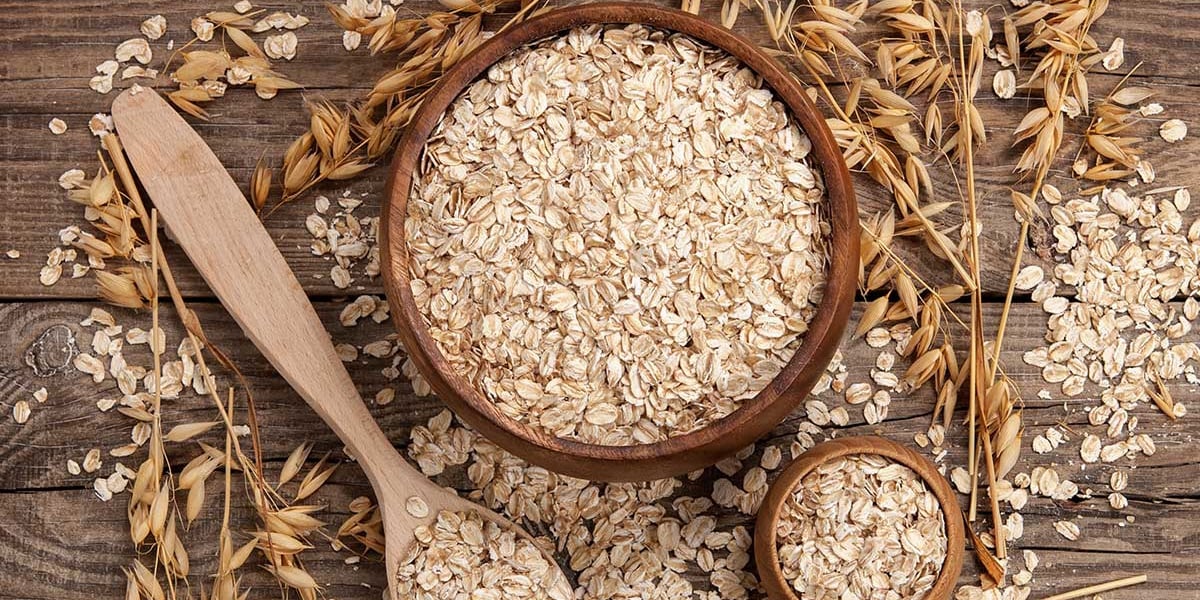
Lower cholesterol and blood sugar levels.
Oatmeal is a food rich in fiber that helps lower blood sugar after meals, increases the effectiveness of insulin, especially water-soluble fiber which is very beneficial because it prevents sugar from being absorbed into the intestines and lowers blood sugar by up to 30%. Fiber can lower triglycerides and bad LDL cholesterol and increase good HDL cholesterol, which is beneficial for the health of people with diabetes.
Therefore, eating plain oatmeal without added sugar is a great option for controlling blood sugar levels.
Reduce the risk of heart disease and control blood pressure.
The high amount of soluble fiber in oats can lower high cholesterol and harmful cholesterol levels in the body. This helps reduce the risk of heart disease and high blood pressure.
Oatmeal contains antioxidants called avenanthramides that may protect against cardiovascular disease and high blood pressure. Antioxidants also boost the immune system to fight off infections.
Therefore, consuming three servings of whole grains daily can significantly reduce the risk of cardiovascular disease in middle-aged individuals, primarily through the mechanism of lowering blood pressure.
Weight management support
Breakfast is a crucial meal that provides energy for a long day of work, so it's really important for metabolism. Good breakfast foods should be those that are high in fiber and protein, both of which are important for healthy weight management.
Oatmeal is one of the best breakfast options to help with weight management. The fiber in oatmeal helps you feel full longer because it's a slow-release carbohydrate. The energy from slow-release carbs provides plenty of energy throughout the day without making you feel tired.
Improve sleep quality
The amino acids and other nutrients in oats help produce melatonin, which induces sleepiness. When mixed with milk or honey, oats make a great snack before bed.
Whole-grain oats also promote insulin production, helping neural pathways receive tryptophan. Tryptophan is an amino acid that acts as a sedative for the brain. The abundant vitamin B6 content helps reduce stress (a major cause of insomnia), and combined with milk and bananas, it can further help your body relax.
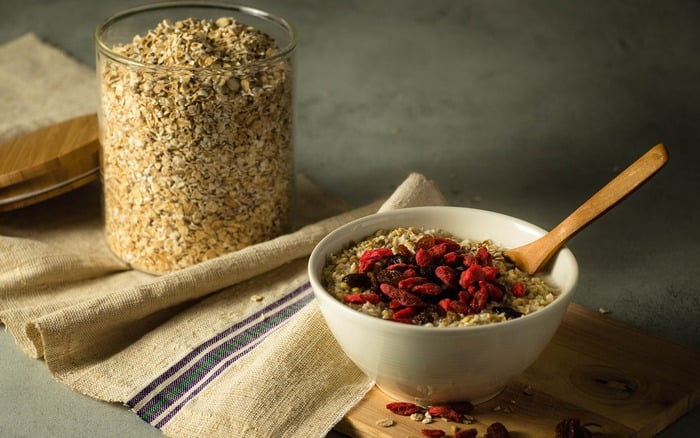
Prevent constipation
Another reason fiber is important in your diet is that it can prevent constipation. Oatmeal contains insoluble oat bran, the outer layer of the grain. Oat bran adds bulk to your stool and retains just enough water to help prevent constipation.
However, if you're just starting to add oat bran to your diet, it's best to increase it gradually. It takes the body a little time to adjust to it, and too much at once can cause constipation.
Slow down the aging process.
Oatmeal is known as a gentle beauty ingredient with many benefits for the skin. This food can soothe damaged skin, prevent irritation such as burning, dryness, and redness, and promote natural hydration. As a result, it helps restore and nourish the skin, leaving it moist and smooth.
Oats contain flavonoids that help absorb UVA rays – one of the typical causes of premature skin aging. This active ingredient also protects the skin from the negative effects of chemicals, environmental pollution, etc.
Thanks to its ability to moisturize and cleanse excess oil, oatmeal helps the skin become healthy, bright, and full of vitality.
Reducing asthma in children
A Finnish study of 1293 children found that those introduced to oatmeal were less likely to develop persistent asthma.
This is a great reason to make oatmeal a family food. Asthma is the most common chronic disease in children, and it's frightening because it affects breathing. Asthma involves inflammation in the airways and often causes shortness of breath, wheezing, and coughing. Research says that oatmeal actually reduces the risk of asthma in children.
Source


![[Image] Close-up of the newly discovered "sacred road" at My Son Sanctuary](/_next/image?url=https%3A%2F%2Fvphoto.vietnam.vn%2Fthumb%2F1200x675%2Fvietnam%2Fresource%2FIMAGE%2F2025%2F12%2F13%2F1765587881240_ndo_br_ms5-jpg.webp&w=3840&q=75)





















































































Comment (0)