

To reduce the spike in blood sugar after a meal high in carbohydrates, people should eat the following vegetables with it:
Leafy green vegetables
Common leafy green vegetables include bok choy, Chinese cabbage, mustard greens, lettuce, spinach, and watercress. They are rich in both soluble and insoluble fiber, which, upon entering the intestines, forms a gel-like layer that slows the absorption of glucose from starches into the bloodstream, according to the American website Eating Well.
The fiber in leafy green vegetables also stimulates the secretion of certain gut hormones, such as GLP-1, which helps the body process sugar better and prolongs the feeling of fullness.
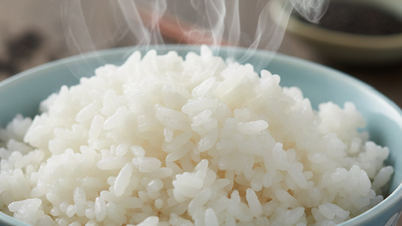
A study published in the Journal of Clinical Biochemistry and Nutrition conducted on people with type 2 diabetes showed that eating vegetables before carbohydrates, such as white rice, significantly reduced post-meal blood glucose and insulin levels.
Broccoli
Broccoli is rich in fiber and low in starch, which helps slow down glucose absorption. In particular, broccoli contains glucoraphanin, a precursor to sulforaphane. This compound has the potential to improve insulin sensitivity and reduce oxidative stress in the liver and fatty tissue.
Okra

Cooked okra is very rich in soluble fiber.
PHOTO: AI
After cooking, okra develops a mucilaginous layer rich in pectin. This is a type of soluble fiber that creates high viscosity in the intestines, slowing the rate of glucose absorption from the intestines into the bloodstream.
People can eat boiled, steamed, or sour okra as part of a carbohydrate-rich meal. Avoid using okra-infused water as a folk remedy to lower blood sugar instead of medical treatment. Current evidence suggests this method is only supportive and cannot replace medication.
bitter melon
Bitter melon offers numerous health benefits due to its content of compounds such as triterpenoids, saponins, and polypeptide-P. In animal studies, these substances have shown the ability to partially mimic the effects of the hormone insulin and help improve blood sugar control.
The best way to absorb the nutrients from bitter melon is to eat the fruit, not take it in supplement form or powder. Bitter melon is commonly prepared by stir-frying, boiling, or making soup.
People taking medication for diabetes, especially insulin or sulfonylureas, should avoid consuming large amounts of concentrated bitter melon extract. This could increase the risk of hypoglycemia. Therefore, they should consult their doctor before using it, according to Eating Well.
Source: https://thanhnien.vn/bua-an-nhieu-tinh-bot-an-rau-nao-de-on-dinh-duong-huyet-185251211200523212.htm

![[Photo] Closing Ceremony of the 10th Session of the 15th National Assembly](/_next/image?url=https%3A%2F%2Fvphoto.vietnam.vn%2Fthumb%2F1200x675%2Fvietnam%2Fresource%2FIMAGE%2F2025%2F12%2F11%2F1765448959967_image-1437-jpg.webp&w=3840&q=75)
![[Photo] Prime Minister Pham Minh Chinh holds a phone call with the CEO of Russia's Rosatom Corporation.](/_next/image?url=https%3A%2F%2Fvphoto.vietnam.vn%2Fthumb%2F1200x675%2Fvietnam%2Fresource%2FIMAGE%2F2025%2F12%2F11%2F1765464552365_dsc-5295-jpg.webp&w=3840&q=75)














































![[OFFICIAL] MISA GROUP ANNOUNCES ITS PIONEERING BRAND POSITIONING IN BUILDING AGENTIC AI FOR BUSINESSES, HOUSEHOLDS, AND THE GOVERNMENT](https://vphoto.vietnam.vn/thumb/402x226/vietnam/resource/IMAGE/2025/12/11/1765444754256_agentic-ai_postfb-scaled.png)












































Comment (0)