

(CLO) Emissions have been rapidly increasing as China transformed into the world 's factory, but the country has recently made significant technological advancements to become a clean energy powerhouse.
As the world's largest carbon polluter, China has a greater responsibility than any other country in reducing global emissions.
Perhaps that's one reason why China is installing wind and solar power projects faster than any other country on the planet. As President-elect Donald Trump is likely to relinquish America's role as a global climate leader, experts say China will have to take the lead.
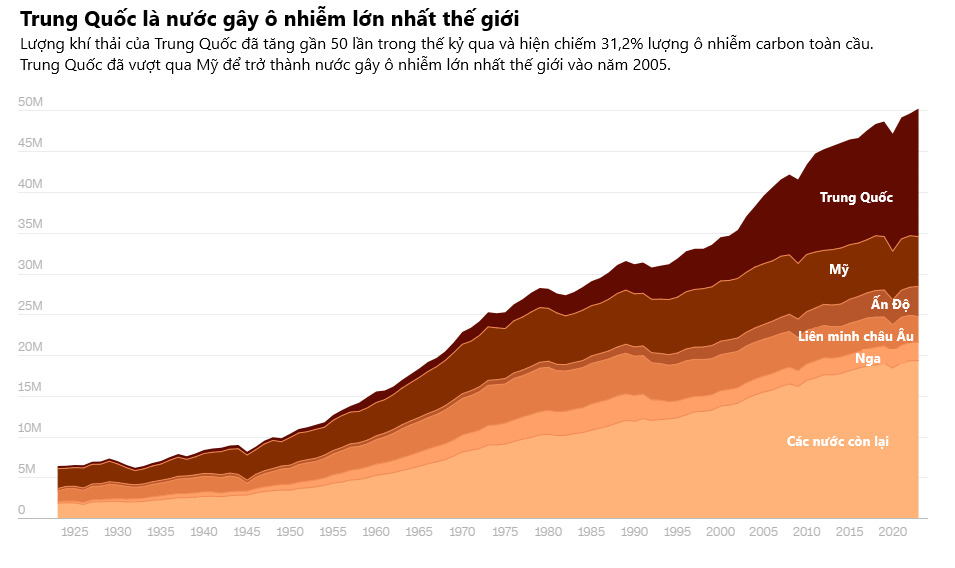
Carbon pollution is at alarmingly high levels all the time, but there is still a glimmer of hope: the rate of emissions growth in China is slowing. Some climate experts and senior US officials believe that China's emissions will soon peak and decline.
But that's not because China is using less energy. They're still using more than ever, it's just that they're adding wind and solar power to the grid at an incredible rate.
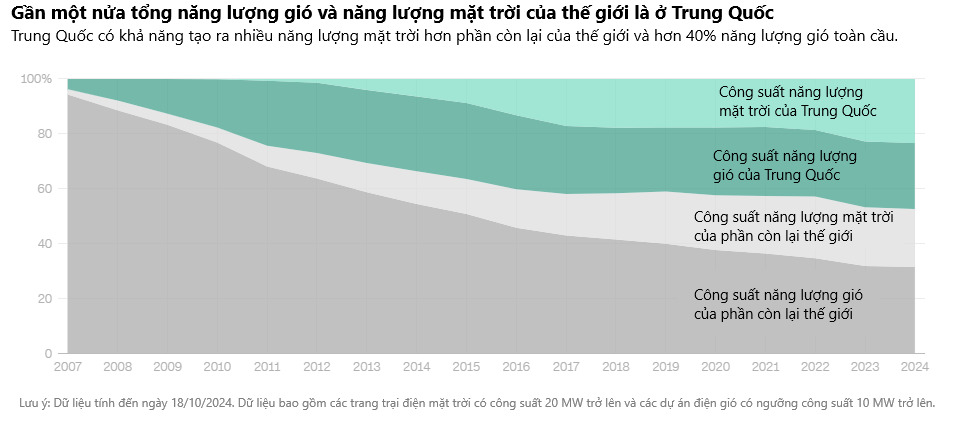
Despite its pollution contributing to global warming, China remains a global powerhouse in renewable energy.
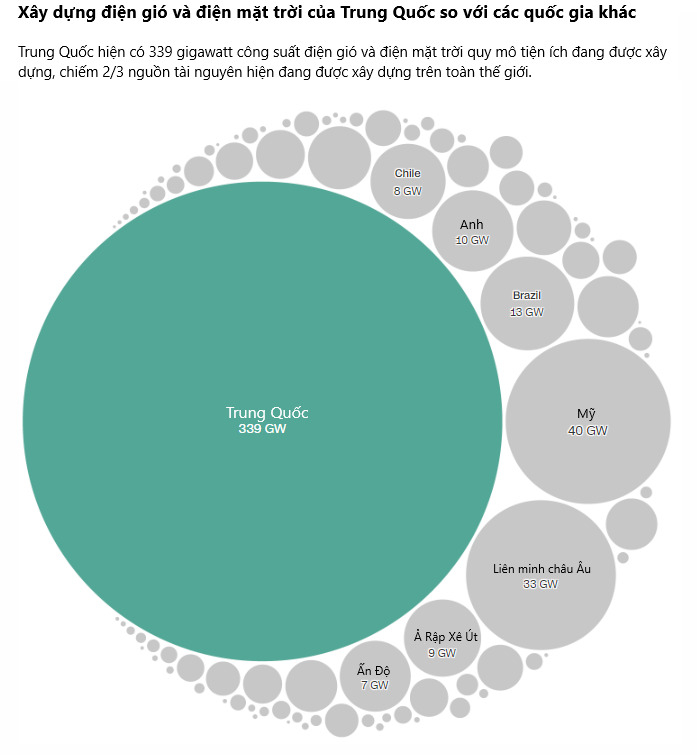
This country is building two-thirds (nearly 339 gigawatts) of the world's utility-scale solar and wind power projects. That's enough to power more than 250 million homes, almost double the number of homes currently in the United States.
According to the International Energy Agency, China's solar power is currently developing so rapidly that by the early 2030s, the country will generate more electricity from solar power than the total amount of electricity the United States will consume.
China is also leading the world in global solar panel exports, with the majority going to Europe and notable growth in Africa.
John Podesta, a senior White House adviser on international climate policy, said that while many Western nations are setting ambitious climate mitigation targets, China tends to "talk less and do more" than expected.
"Some of China's planning scenarios are for 100 gigawatts a year, but they are building at nearly 300 gigawatts a year," Podesta said. Chinese President Xi Jinping previously pledged to build 1,200 gigawatts of renewable energy by 2030, a goal the country has already achieved six years ahead of schedule.
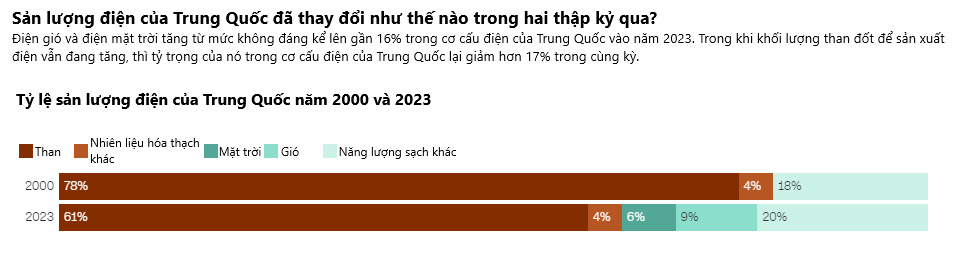
The bigger question now is whether clean energy will lead to the closure of coal-fired power plants. According to the Global Energy Monitor, wind and solar power currently have the potential to generate 37% of the country's electricity, replacing coal's dominance.
In a recent press conference, Minister of Climate Change Xia Yingxian stated that China is actively considering its 2035 emissions reduction target, which all countries participating in the Paris Agreement are obligated to announce next year.
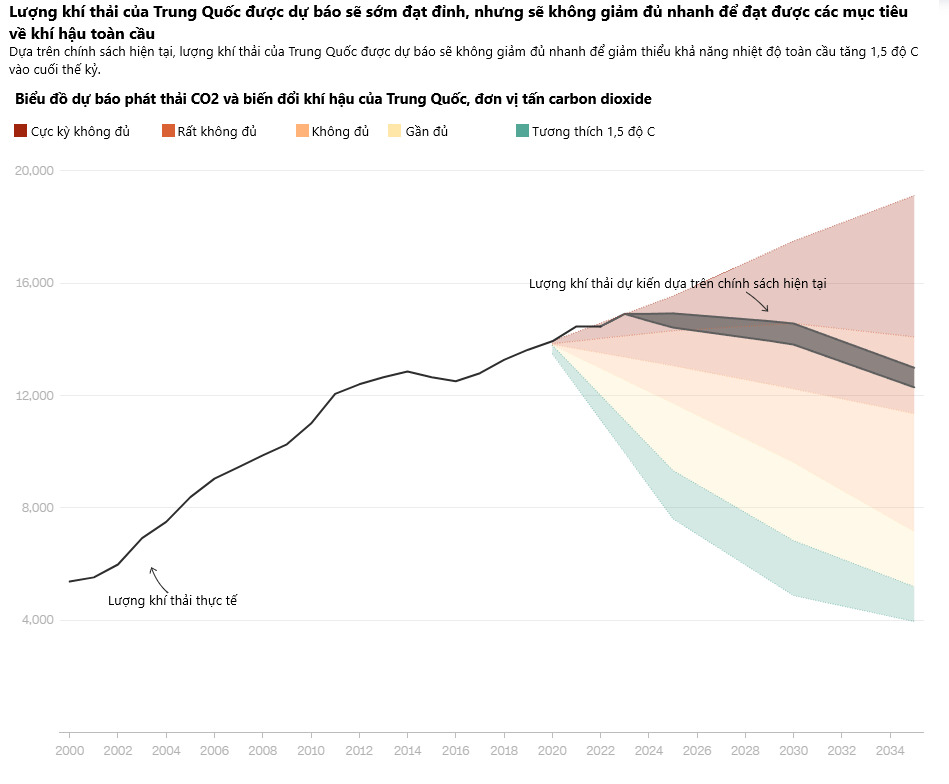
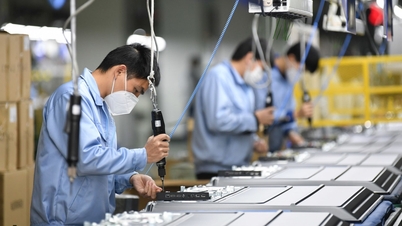
As China's post-Covid infrastructure boom slows, so does demand for heavy industrial materials like cement and steel. Meanwhile, solar panel and electric vehicle production is accelerating.
Li Shuo, director of the China Climate Center at the Asia Society Policy Institute, said that since 2015, China has been responsible for 90% of global emissions growth, so the peak of its emissions "certainly means that global emissions will peak and stabilize."
Ngoc Anh (according to CNN)
Source: https://www.congluan.vn/bieu-do-cho-thay-trung-quoc-sieu-cuong-ve-nang-luong-sach-du-cap-cho-ca-nuoc-my-post321961.html






























































































Comment (0)