


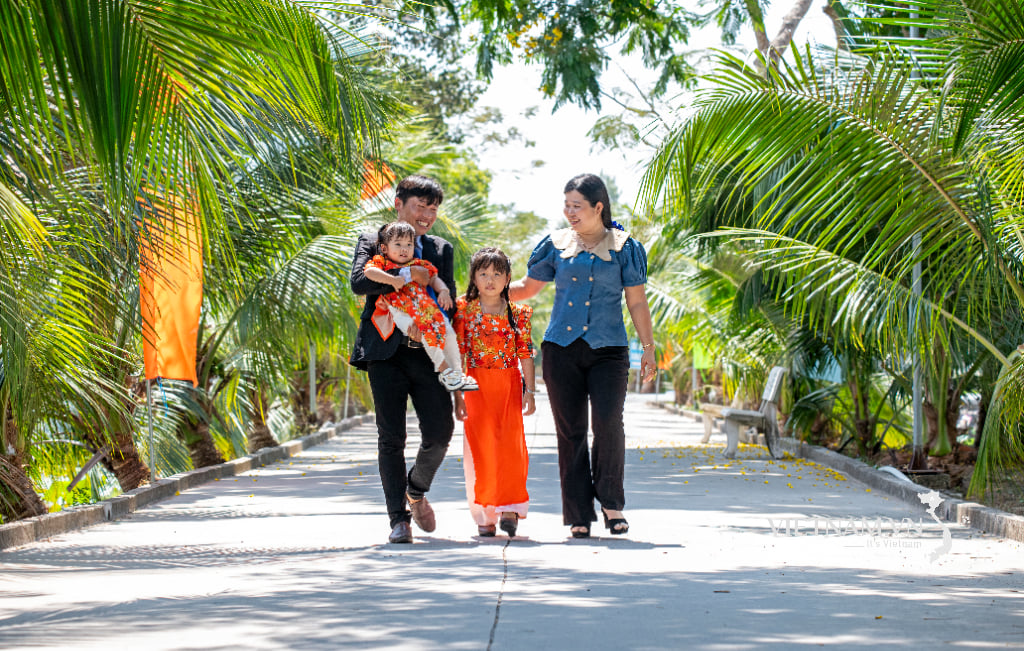
Just last year, the family of Ms. Le Xuan Hien (47 years old, residing in Nga Bay Ward, Can Tho City) was on the local list of impoverished households for many years. Despite the couple's hard work and willingness to take on any job they could find, from harvesting rice to cutting sugarcane to working as construction laborers, they still couldn't earn enough money to support their family of four (two daughters, currently 9 and 13 years old), remaining perpetually poor.
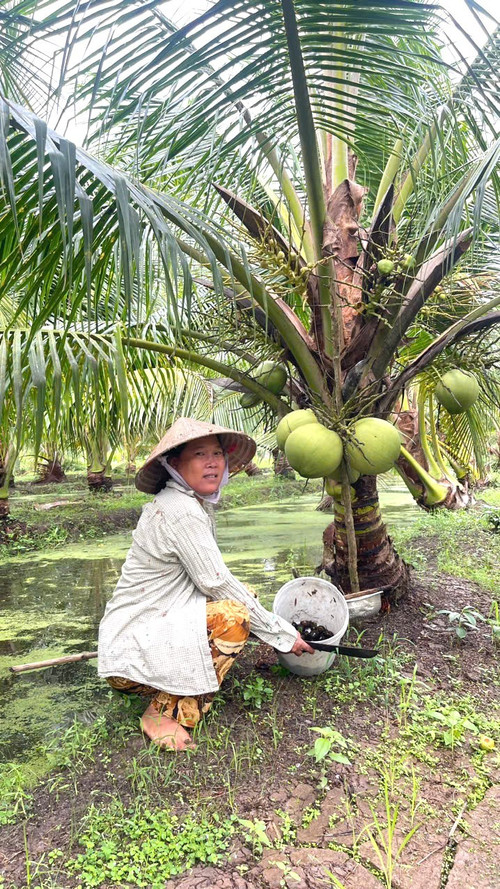
Ms. Hien still remembers her wedding day 14 years ago. After moving out on her own, her husband's family gave them 2,000 square meters of land to cultivate. The land was small, mainly used for rice farming, and the harvest wasn't much each season, so after gardening, they both worked as hired laborers. When their children started school, her husband became the primary breadwinner, and she had to prioritize taking the children to and from school before going to work, making it difficult to manage her time. To earn extra money, Ms. Hien worked as a hired laborer during the day and then went to catch snails to sell early the next morning.
After years of working odd jobs without much improvement in their economic situation, Ms. Hien and her husband discussed ways to escape poverty. About 6-7 years ago, through the local women's association, Ms. Hien gained access to preferential credit for poor households from the Social Policy Bank. Determined to change their livelihood, they borrowed 50 million VND to buy a motorbike to work as a motorbike taxi driver and transport goods. When there were male customers, her husband drove; when there were female customers, she drove. They used the remaining capital to renovate their house. With the motorbike, they earned income from transporting customers, and from taking their children to school, Ms. Hien started taking on additional daily jobs transporting students. Currently, in addition to taking their two children to school, she transports four more students from the neighborhood, earning an extra 2 million VND per month. After just a few years of diligently working as a motorbike taxi driver and doing extra work, the couple repaid their loan for the motorbike.
With a stable income and the ability to repay debts, the couple became even more confident in their path out of poverty through preferential loans. Seeing that their two plots of rice paddies weren't very productive, while their neighbor's adjacent land remained fallow, after many sleepless nights of deliberation, Ms. Hien and her husband decided to borrow an additional three plots of land from their neighbor to plant coconut trees.

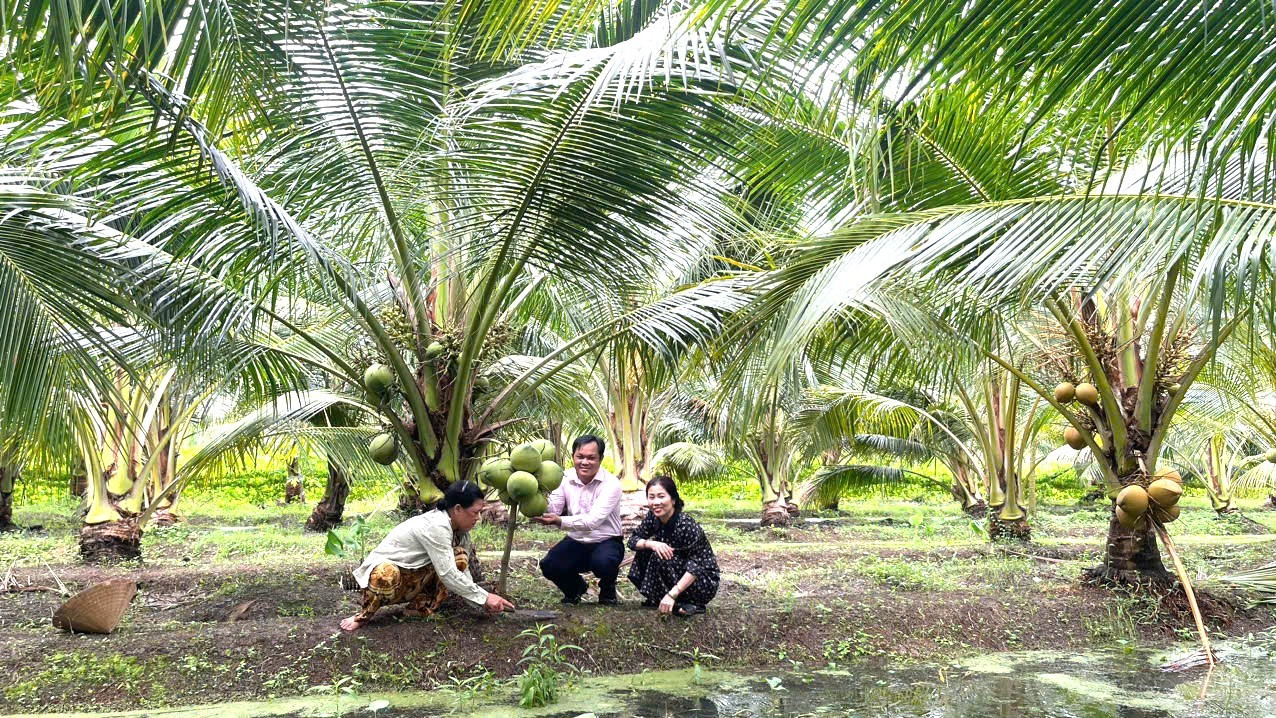
In 2023, Ms. Hien and her husband borrowed 100 million VND in preferential loans for poor households from the Social Policy Bank of Hau Giang (now Can Tho) to prepare the land and buy 300 coconut saplings to plant. They also utilized the water in the canal under the coconut trees to raise fish.
Currently, the coconut garden of Ms. Hien and her husband has begun to yield its first fruits, bringing in income. Along with other sources of income and local government support for house renovations, they officially removed themselves from the local poverty list at the beginning of 2025. Their family's finances are now stable, and Ms. Hien continues to collect snails to sell and provide transportation for students to school to supplement their income. It is expected that their income will increase in the coming years as the coconut trees, funded by poverty reduction, continue to bear more and more fruit.

Data from the Social Policy Bank of Can Tho City shows that over the past 30 years, social policy credit implemented in Can Tho has contributed to helping over 355,000 households escape poverty and near-poverty; attracting and creating jobs for more than 445,000 workers; and helping nearly 166,000 disadvantaged students access loans for their studies, ensuring that no student has to drop out of school due to financial difficulties.
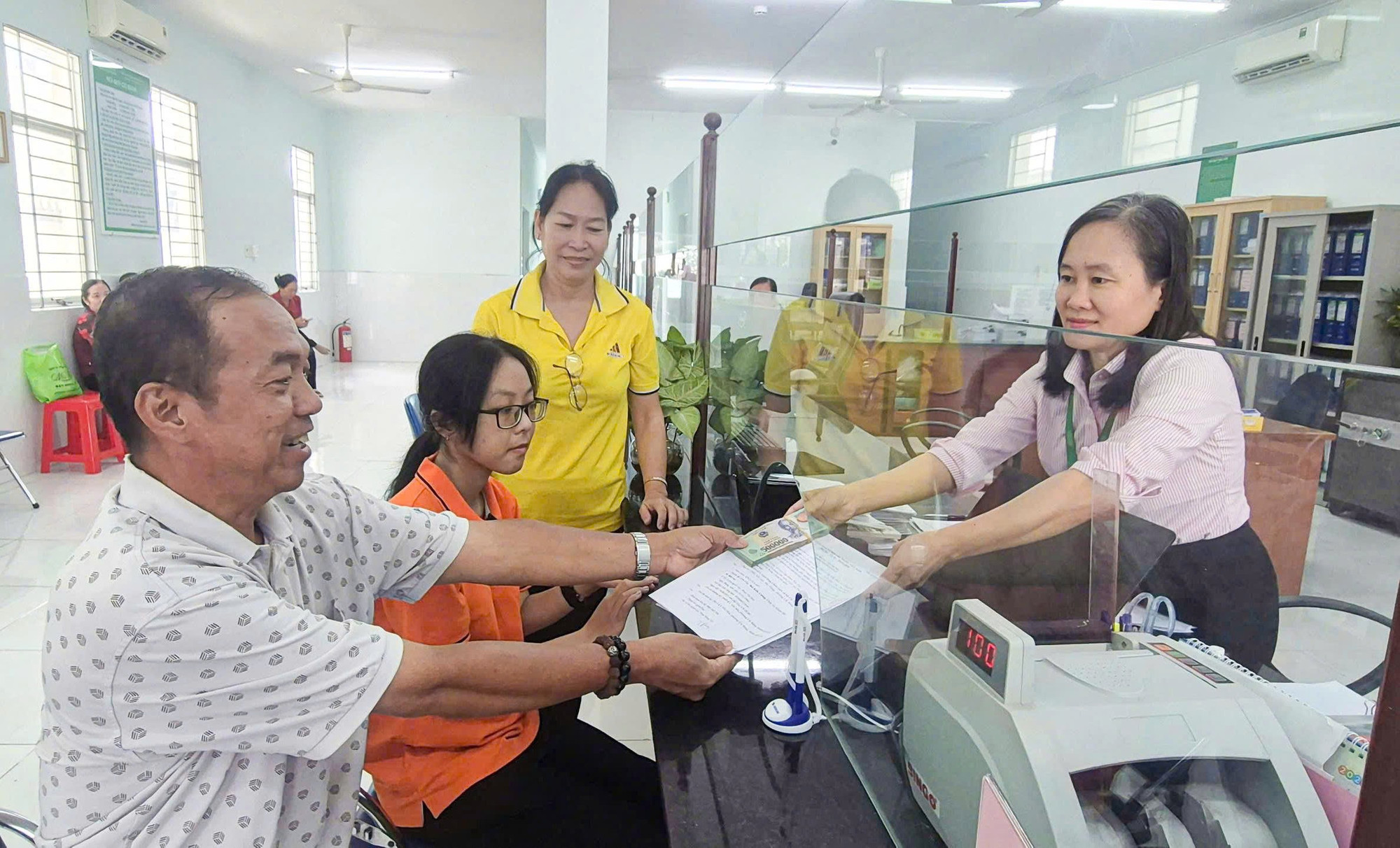
Preferential loans from the Social Policy Bank have also supported the construction and renovation of over 874,000 rural water and sanitation facilities; supported the purchase of social housing, construction, and repair of nearly 49,000 houses for poor households and those living in flood-prone areas; and provided loans to over 34,000 ethnic minority households for production development, vocational training, and land purchase. These preferential loans also helped 68 businesses borrow funds to pay wages for workers who had stopped working or to resume production, benefiting over 47,000 workers affected by the COVID-19 pandemic.
Ms. Trinh Bich Tuyen, Deputy Director of the Can Tho City Branch of the Social Policy Bank, stated that sustainable poverty reduction is a major policy of the Party and State, and a cause for the entire population, with profound humanitarian significance. The State has implemented numerous mechanisms, policies, and allocated resources to improve the lives of the poor, especially in disadvantaged, remote, and mountainous areas. Among these, the policy of providing credit support to the poor and other policy beneficiaries is particularly important and has been actively implemented, significantly contributing to the effective implementation of the Party and State's policies, goals, and tasks regarding poverty reduction, job creation, human resource development, and social security.
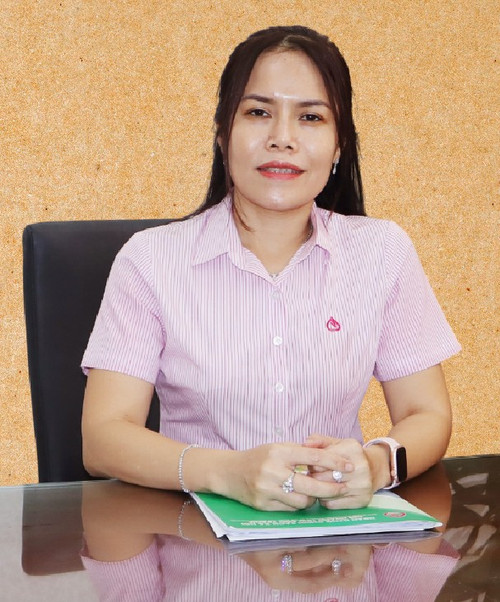
According to Ms. Tuyen, policy credit has helped solve fundamental and essential problems in life for the poor and other policy beneficiaries. This capital flow directly pushes back and prevents the negative impact of illegal lending on the lives of poor households, near-poor households, newly-escaped-from-poverty households, and other policy beneficiaries, especially in rural areas and among ethnic minorities. Through policy credit programs, people receive timely capital to invest in production development, create livelihoods, create jobs, and cover essential living expenses.
With access to preferential government funding, the poor and other policy beneficiaries have focused on investing in production and business development, creating livelihoods and jobs. From this "seed capital," many households have boldly borrowed and used the funds effectively, rising out of poverty and achieving legitimate wealth. As a result, the material and spiritual lives of the poor and other policy beneficiaries have continuously improved, helping them gain more confidence and gradually increase their standing in society.
From 2023 to the present, the Can Tho branch of the Vietnam Social Policy Bank has disbursed loans to over 20,700 poor and near-poor households for economic development and job creation, totaling over 952 billion VND. The outstanding loan balance as of November 30, 2025, is over 1,572 billion VND, with nearly 44,000 households still having outstanding loans. This capital has been mostly disbursed for production, livestock farming, services, and traditional crafts… The support ranges from production and business capital to consumer-oriented purposes such as repairing and building houses, sanitation facilities, and education…

In lending to poor households, collateral requirements and credit risks are often significant, making it difficult for the poor to access conventional commercial loans. Therefore, preferential credit for poor households, implemented through the Social Policy Bank, has become a crucial channel for accessing capital. In fact, studies show that poor households borrowing credit to develop their businesses and create livelihoods to escape poverty tend to have a high rate of timely repayment of principal and interest.
Right from the establishment of the Social Policy Bank, the Government issued Decree 78/ND-CP dated October 4, 2002, stipulating that the bank's lending would be entrusted to socio-political organizations. This regulation aimed to deliver policy credit capital to the poor and other policy beneficiaries quickly and effectively. This capital flow helps people with production, business, and consumption purposes.

Based on the practical implementation of poverty reduction credit lending in Can Tho, Ms. Trinh Bich Tuyen observed that poor households and vulnerable groups in society inherently pose risks in lending. To minimize potential risks during the use of capital, the Can Tho City Branch of the Social Policy Bank regularly organizes training for officials of associations and organizations, poverty reduction committee officials, village/neighborhood heads, and the management boards of savings and loan groups. Through these training courses, participants understand new policies, regulations on loan use, and the responsibilities and obligations of individuals and households borrowing capital. Simultaneously, the bank regularly urges entrusted associations and organizations to strengthen inspection and supervision of the loan use by individuals and households. Participating parties also regularly report and advise local authorities on difficulties and obstacles encountered during the entrustment process so that solutions can be promptly implemented and addressed.
As a result, the lending, interest collection, and loan repayment upon maturity have been carried out effectively. Policy-based borrowers pay monthly interest and principal as committed, with the principal recovery rate in Can Tho exceeding 90%. Credit quality remains relatively stable.

The leader of the Can Tho City branch of the Social Policy Bank pointed out that the process of providing preferential loans to poor households and other policy beneficiaries has had both advantages and disadvantages in the past.
Ms. Trinh Bich Tuyen stated that, in terms of advantages, Party committees and authorities at all levels have identified social policy credit activities, especially for poor households, as one of the key and regular tasks in implementing socio-economic development plans at the local level. Therefore, localities have issued plans to implement action programs annually and for the entire period; and regularly directed Party committees and authorities at the local level to include social policy credit activities in their annual socio-economic development programs and plans.
Furthermore, the loan procedures for poor households are quite convenient and simple. A network of savings and loan groups has been established in hamlets/villages. Along with the organization of transactions at the commune level by the Social Policy Bank, this has created a system that is close to the people, friendly, and responsible, saving people transaction and travel costs. All of this, with the motto of providing services at home and disbursing funds at the commune level, is a step forward in administrative procedure reform, providing the best support for the people, especially vulnerable groups. This has helped the poor and policy beneficiaries access preferential credit policies from the State more easily.

However, Ms. Tuyen also pointed out some difficulties in lending to poor households, especially in the Mekong Delta region, which is affected by climate change, natural disasters, and epidemics, impacting the efficiency of loan utilization. Some borrowers have left their residences or gone to work far away, lacking specific information, making it difficult to monitor and urge the repayment of loans when due. Some cases have experienced risks due to objective reasons, and dossiers have been compiled and submitted to relevant authorities for consideration and processing according to regulations.
Faced with these difficulties, the Can Tho City branch of the Social Policy Bank reported to the Chairman of the People's Committee at the commune level to establish a Support Team to review and handle debts. The bank also coordinated with entrusted units to review the list of households that have left the locality; advised the Chairman of the People's Committee of the commune to convene the Support Team to review and handle debts to verify the address of the borrowers as a basis for requesting the local government and the Social Policy Bank in the borrower's new place of residence to urge debt repayment. On the other hand, the bank strengthened the inspection and supervision of capital use by individuals and households and increased propaganda in various forms to raise awareness and responsibility of borrowing capital among individuals and households.

Source: https://tienphong.vn/ba-thap-ky-von-uu-dai-giup-hang-tram-nghin-gia-dinh-o-can-tho-thoat-ngheo-post1803042.tpo
![[Photo] Prime Minister Pham Minh Chinh holds a phone call with the CEO of Russia's Rosatom Corporation.](/_next/image?url=https%3A%2F%2Fvphoto.vietnam.vn%2Fthumb%2F1200x675%2Fvietnam%2Fresource%2FIMAGE%2F2025%2F12%2F11%2F1765464552365_dsc-5295-jpg.webp&w=3840&q=75)
![[Photo] Closing Ceremony of the 10th Session of the 15th National Assembly](/_next/image?url=https%3A%2F%2Fvphoto.vietnam.vn%2Fthumb%2F1200x675%2Fvietnam%2Fresource%2FIMAGE%2F2025%2F12%2F11%2F1765448959967_image-1437-jpg.webp&w=3840&q=75)









































![[OFFICIAL] MISA GROUP ANNOUNCES ITS PIONEERING BRAND POSITIONING IN BUILDING AGENTIC AI FOR BUSINESSES, HOUSEHOLDS, AND THE GOVERNMENT](https://vphoto.vietnam.vn/thumb/402x226/vietnam/resource/IMAGE/2025/12/11/1765444754256_agentic-ai_postfb-scaled.png)









































Comment (0)