

Walking is one of the simplest and most effective ways to embark on a healthier lifestyle. It can also be a powerful tool for managing diabetes.
Dr. Marni Armstrong, a physician specializing in kinesiology at the University of Calgary (Canada), said that numerous studies show walking can offer significant health benefits, including better blood sugar control for people with diabetes.
Expert Marni Armstrong added: Research shows that whether you have diabetes or not, inactivity puts you at a much higher risk of cardiovascular disease, according to Diabetes Canada .
Specifically for people with diabetes, there are three times when walking yields the maximum benefits.

Walking in the morning offers many health benefits, especially in helping to control blood sugar levels and reduce the risk of diabetes.
Diabetes and brisk walking
According to research published in the British Journal of Sports Medicine, brisk walking helps reduce the risk of diabetes. The results showed that walking at a speed of 3.2 to 5 km/hour or brisk walking reduced the risk of diabetes by 15%, compared to walking at a normal speed of less than 3 km/hour. Specifically, walking faster than 6.4 km/hour reduced the risk of diabetes by as much as 39%.
Walking briskly helps people with diabetes in the following ways:
- Using insulin is better.
- Reducing stress is a factor that can affect blood sugar levels.
- To increase endurance, burn excess calories, and improve heart health, the faster you walk, the more beneficial it is.
- Low risk due to low impact, gentle on the joints.
- It may help improve sleep .
Morning walks are beneficial for people with diabetes.
A brisk morning walk offers numerous health benefits, particularly in controlling blood sugar levels and reducing the risk of diabetes. Doctors recommend morning walks for managing diabetes.
A 30-minute morning walk helps maintain healthy blood sugar levels and control insulin in type 2 diabetes.
Regular morning walks help control blood sugar by regulating insulin and glucagon levels in the body. Walking allows muscles to utilize more glucose and helps burn excess fat, while also improving body mass index.
Walking after meals aids digestion and stabilizes blood sugar levels.
Walking after meals with diabetes
Meanwhile, walking after meals aids digestion and stabilizes sudden spikes in blood sugar.
Just a two-minute walk after a meal is enough to aid digestion and balance the spike in blood sugar. According to research published in the journal Springer Nature , a two-minute walk after a meal can help stabilize blood sugar. The study also indicated that the best time to walk is within 60-90 minutes after eating, when blood sugar levels are typically at their highest.
A few short walks in my free time are also great.
Research has also shown that regularly taking short walks during work breaks can help people with diabetes lower their blood sugar and reduce the risk of complications, according to the website of Diabetes UK.
What should people with diabetes pay attention to when walking?
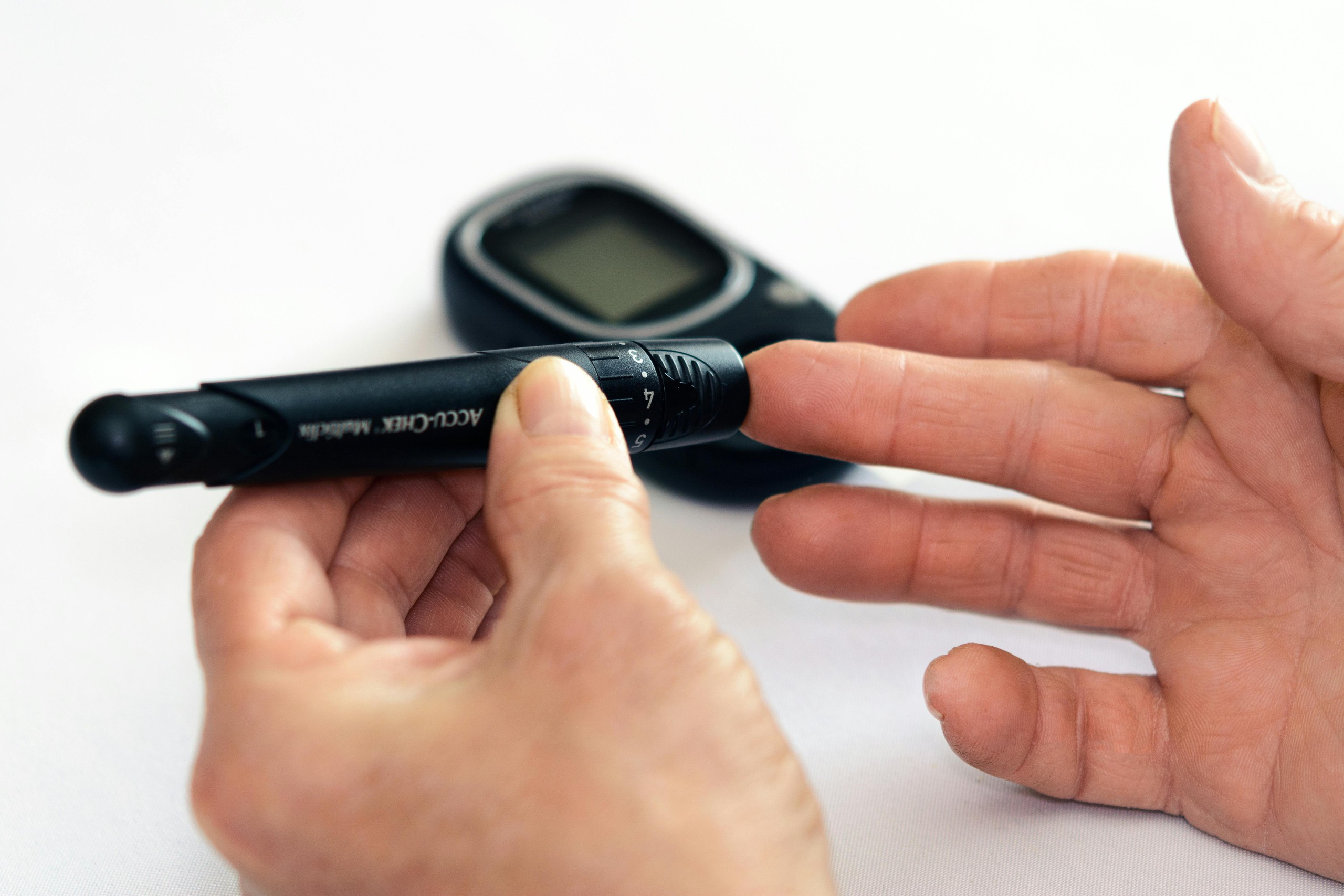
People with diabetes who are taking medication should check their blood sugar levels before, during, and after walking. They should also carry their medication to prevent hypoglycemia and inform family members which medications they are taking, according to Diabetes UK.
If you walk briskly for more than an hour, you may need a light snack such as a slice of whole-grain bread, a container of plain yogurt, or half a banana.
Source: https://thanhnien.vn/bac-si-chi-ra-3-thoi-diem-di-bo-cuc-tot-cho-nguoi-benh-tieu-duong-185241202225253194.htm
































![[Video] The craft of making Dong Ho folk paintings has been inscribed by UNESCO on the List of Crafts in Need of Urgent Safeguarding.](https://vphoto.vietnam.vn/thumb/402x226/vietnam/resource/IMAGE/2025/12/10/1765350246533_tranh-dong-ho-734-jpg.webp)



































































Comment (0)