

During holidays and festivals, the Muong women in Tu Vu commune, Thanh Thuy district, are busy preparing ingredients to make fish cakes - a traditional dish of the Muong ethnic group in this area.
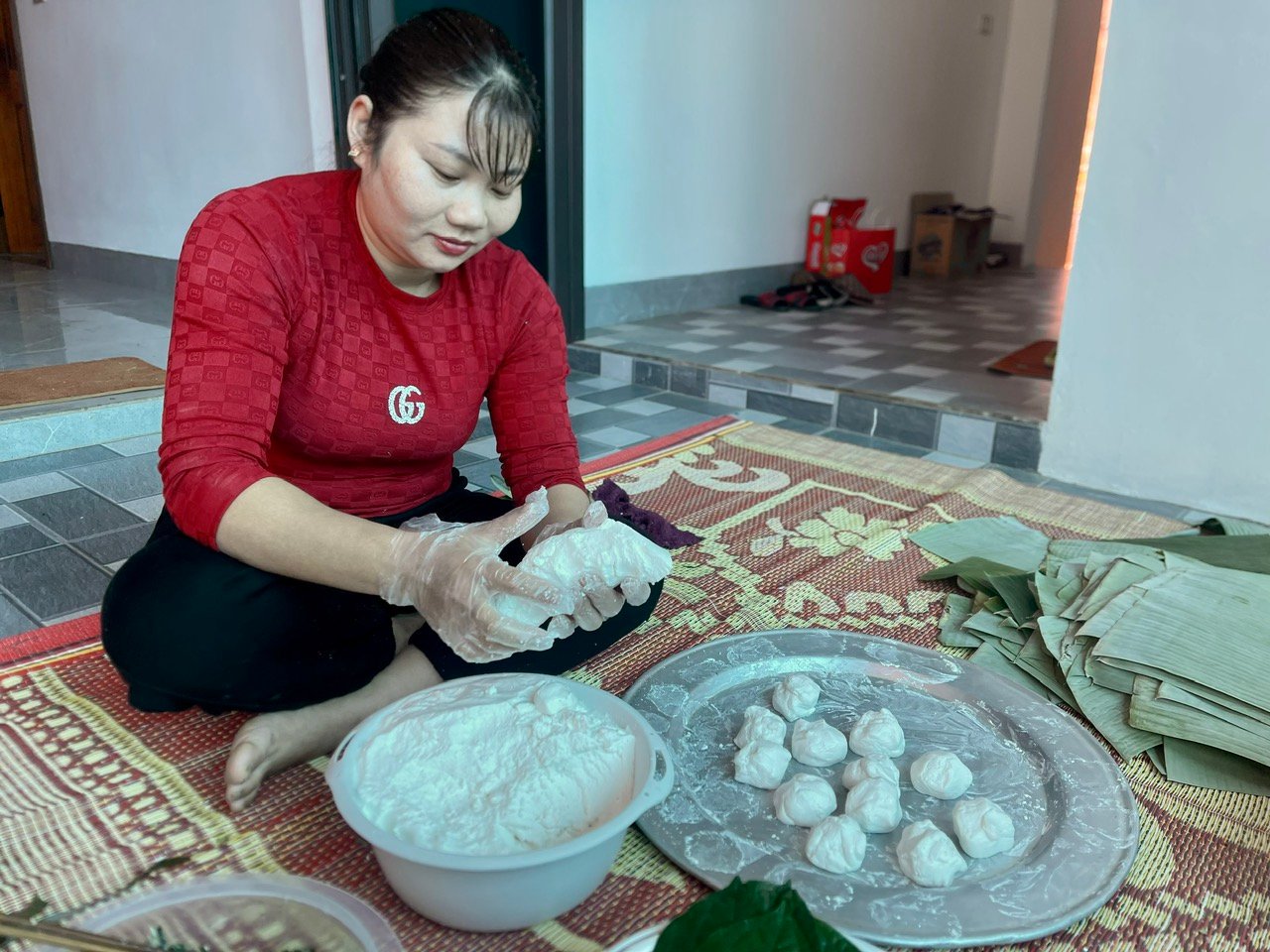
The ingredients for this dish are carefully selected, and each step of preparation is extremely meticulous. Glutinous rice must be soaked for 12 hours or more, then ground and left to ferment for 1-2 hours to meet the standards for making the cake. The best fish for the filling is carp or grass carp weighing 5kg or more. After cleaning, the fish is marinated with spices including seasoning powder, pepper, and star anise, then grilled over charcoal. When grilling, it is important to ensure even heat distribution, and especially to only cook the fish until just done to maintain its tenderness and sweetness. After grilling, the baker carefully removes the fish meat to eliminate the bones, then mashs it and stir-fries it again to allow the fish filling to absorb more of the spices.
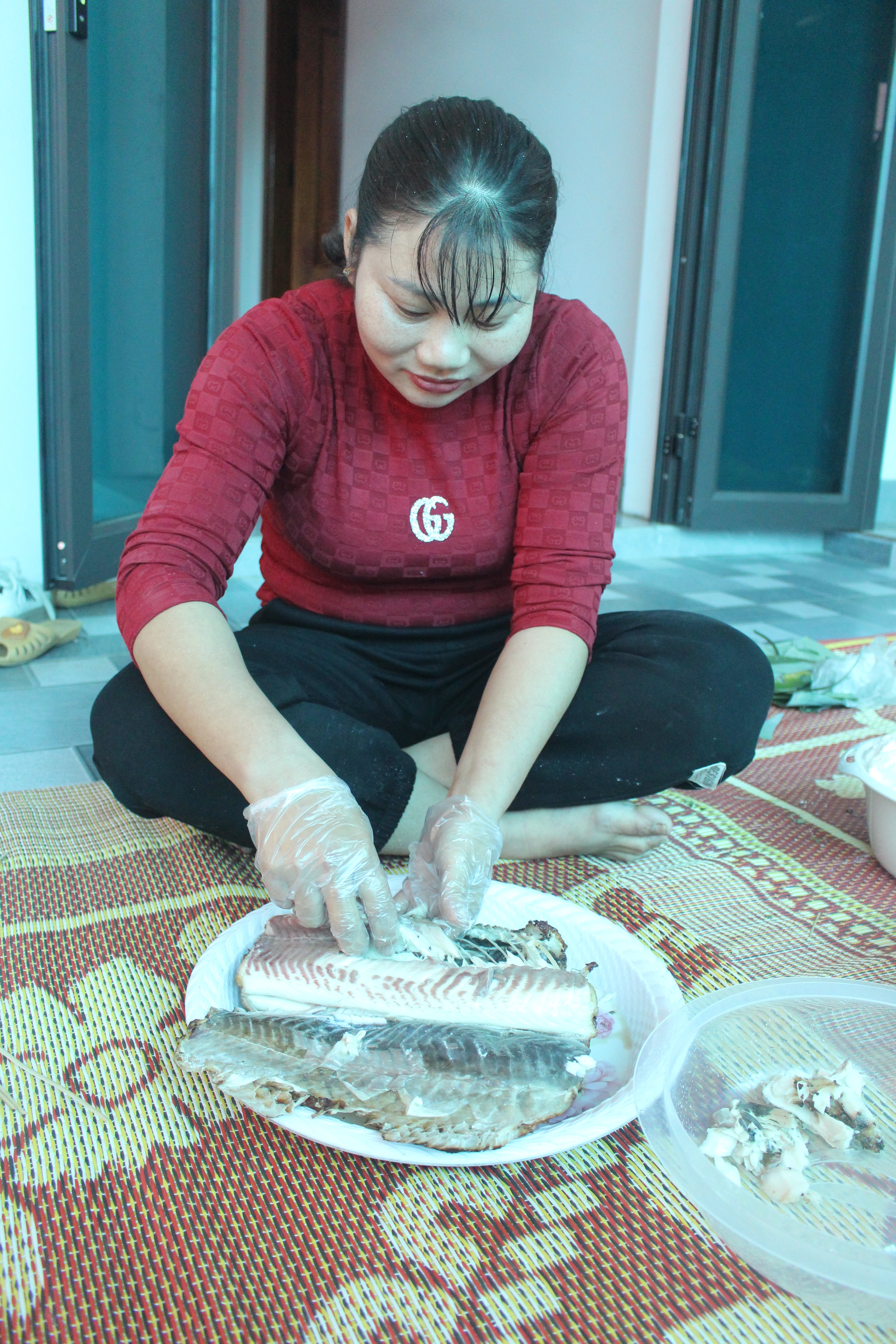
Carefully remove the fish from the bones to use as filling for the dumplings.
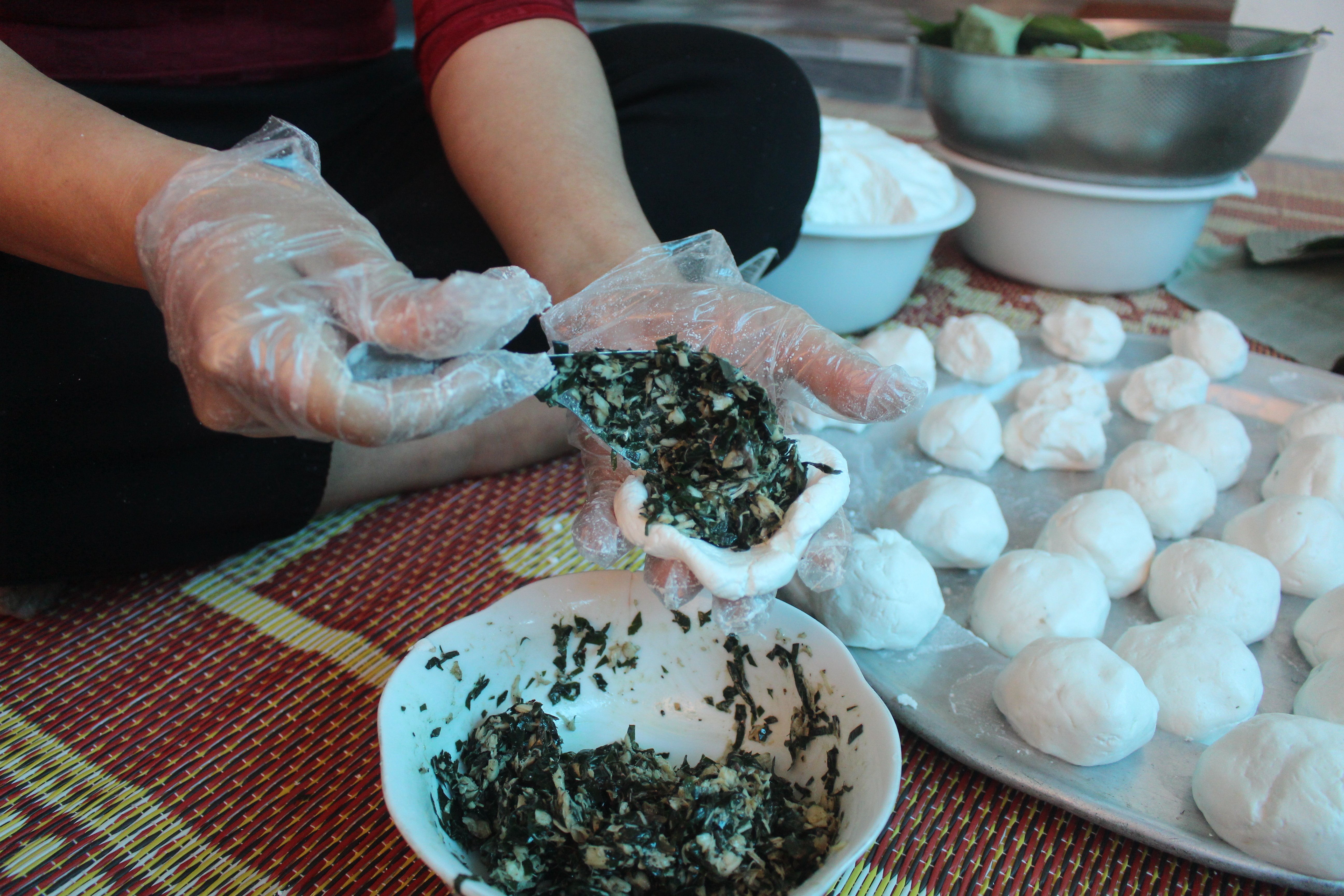
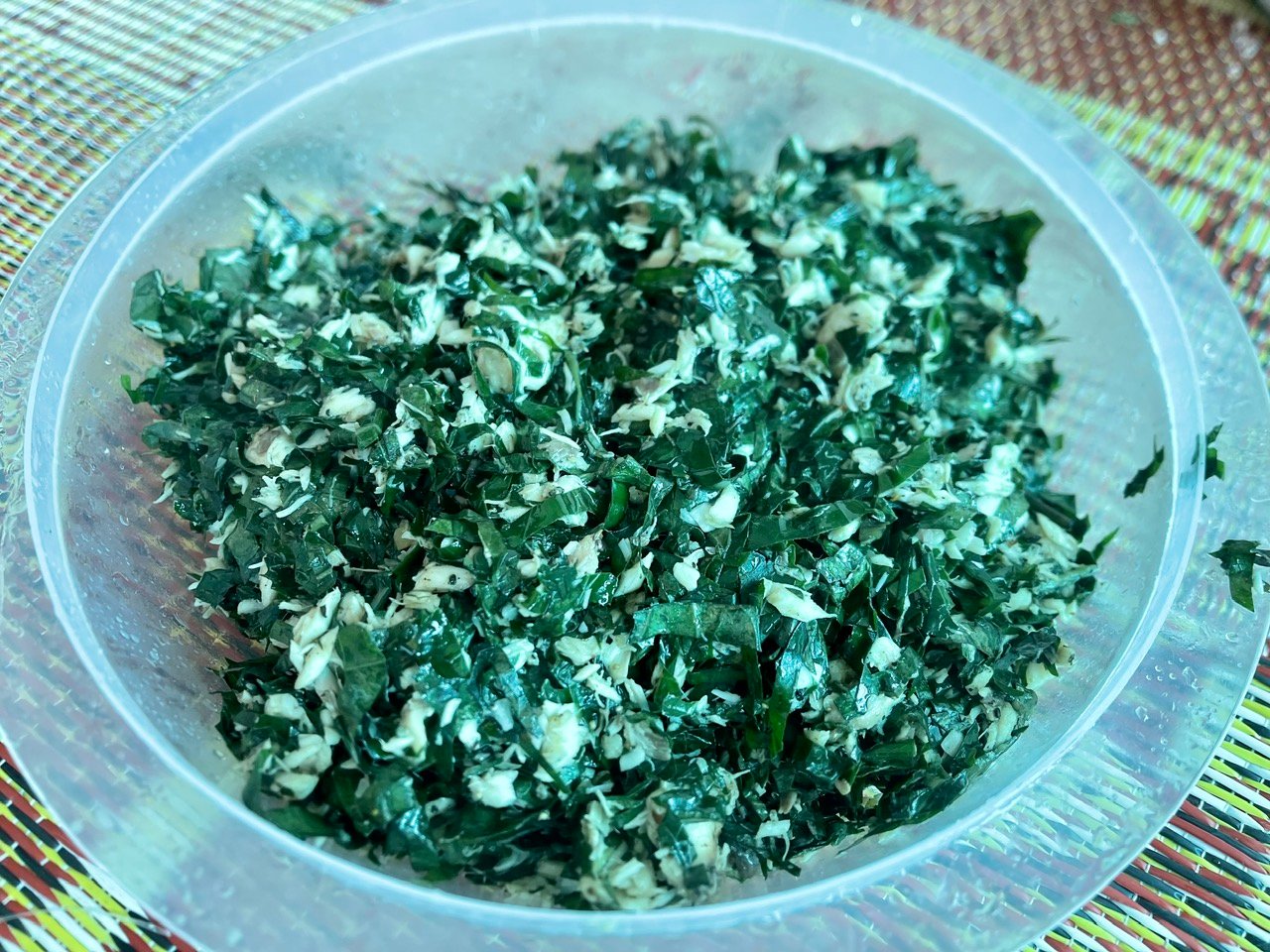
Grilled fish meat stir-fried with finely chopped taro leaves creates the unique flavor of the fish cake filling.
Ms. Tran Thi Thanh Xuan from Zone 6, Tu Vu Commune, shared: "Besides basic ingredients like glutinous rice flour, fish filling, and spices, an indispensable ingredient when making fish cakes is the 'tau' leaf. 'Tau' leaves look similar to betel leaves, have a light fragrance, but are very difficult to find because this plant is usually only found in stream beds and rocky mountains. This is also the special ingredient that creates the unique flavor of the fish cakes."
The Muong people in Tu Vu wrap the fish-shaped cakes by hand. When wrapping the cakes, the person wrapping them usually divides the dough into small portions, enough for one cake, flattens them, adds the filling, and reshapes them. Then, the cake is wrapped in a layer of tau leaves, and then wrapped again in banana leaves to form the outer layer.
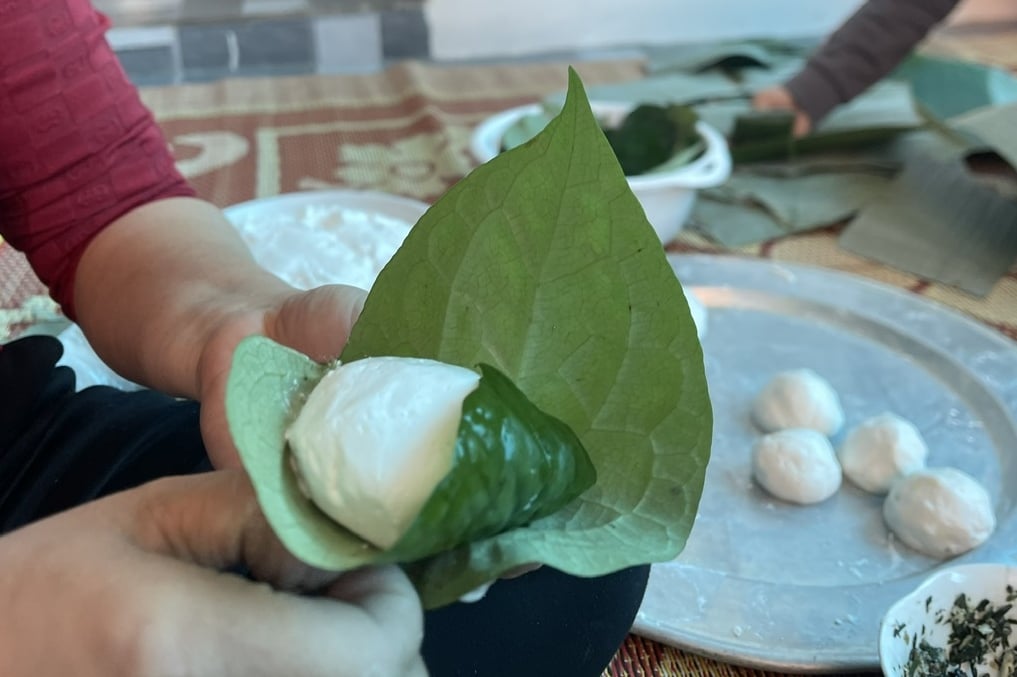
After shaping, the fish-shaped cakes are wrapped in tau leaves.
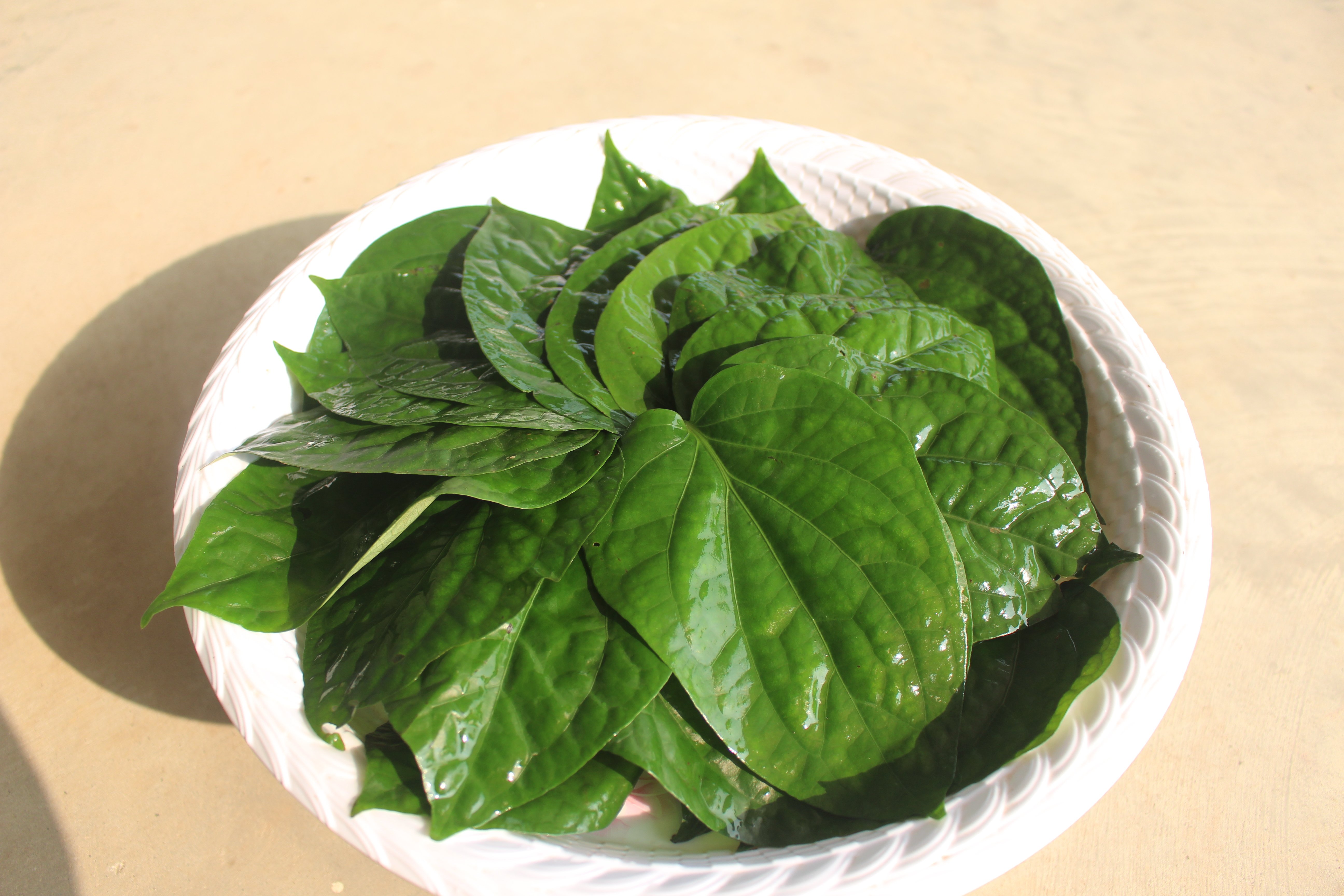
Táu leaves are an indispensable ingredient when making fish cakes.
The steaming process also requires meticulous attention, from preparing the right amount of water to adjusting the heat. During steaming, the heat must be consistent and sufficient, and the steaming time should be about an hour so that the steam can cook the cakes thoroughly. Once the time is up, the cakes must be removed immediately to cool and drain, allowing the leaves to dry and preventing mold.
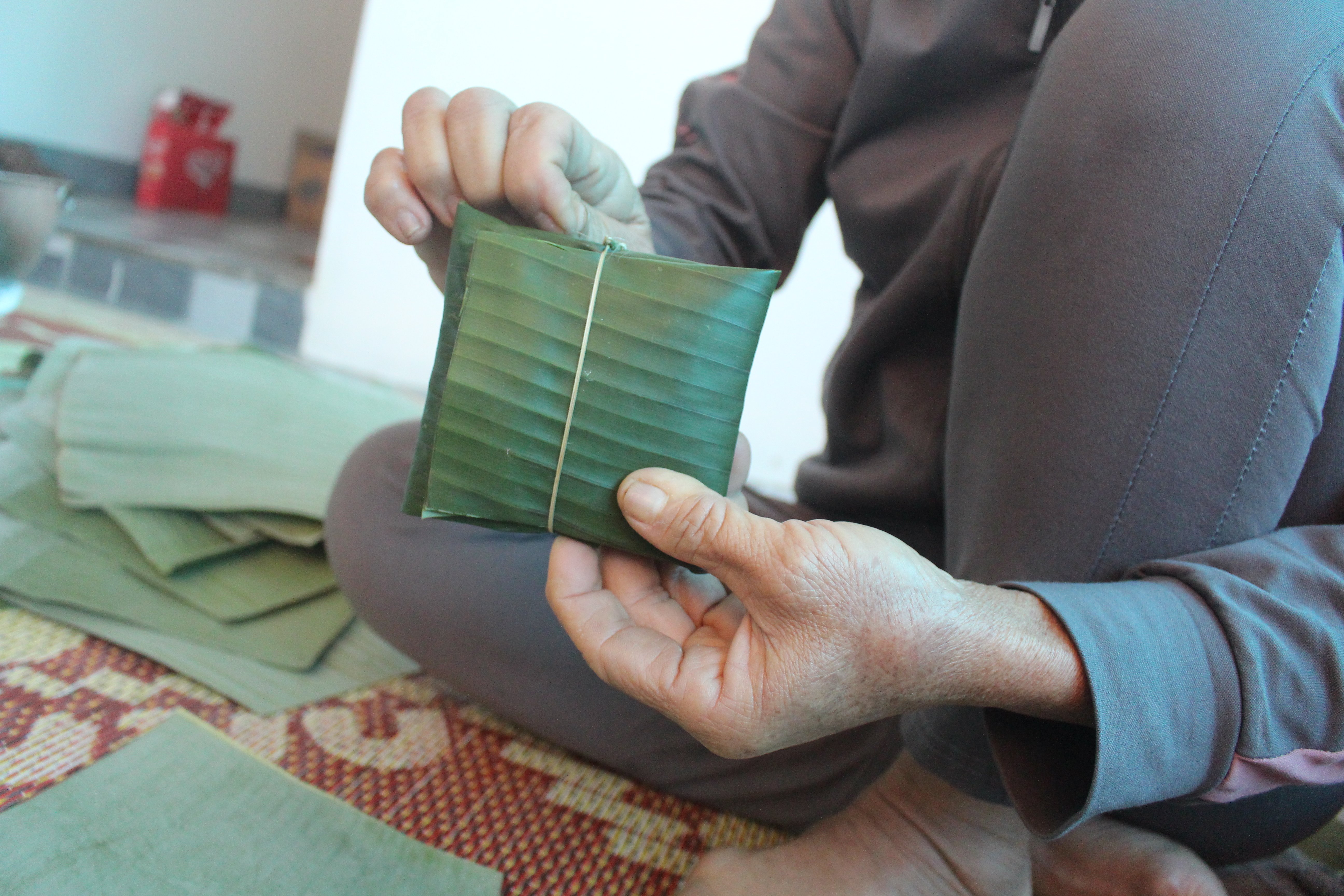
The cakes are neatly and attractively wrapped in square banana leaves.
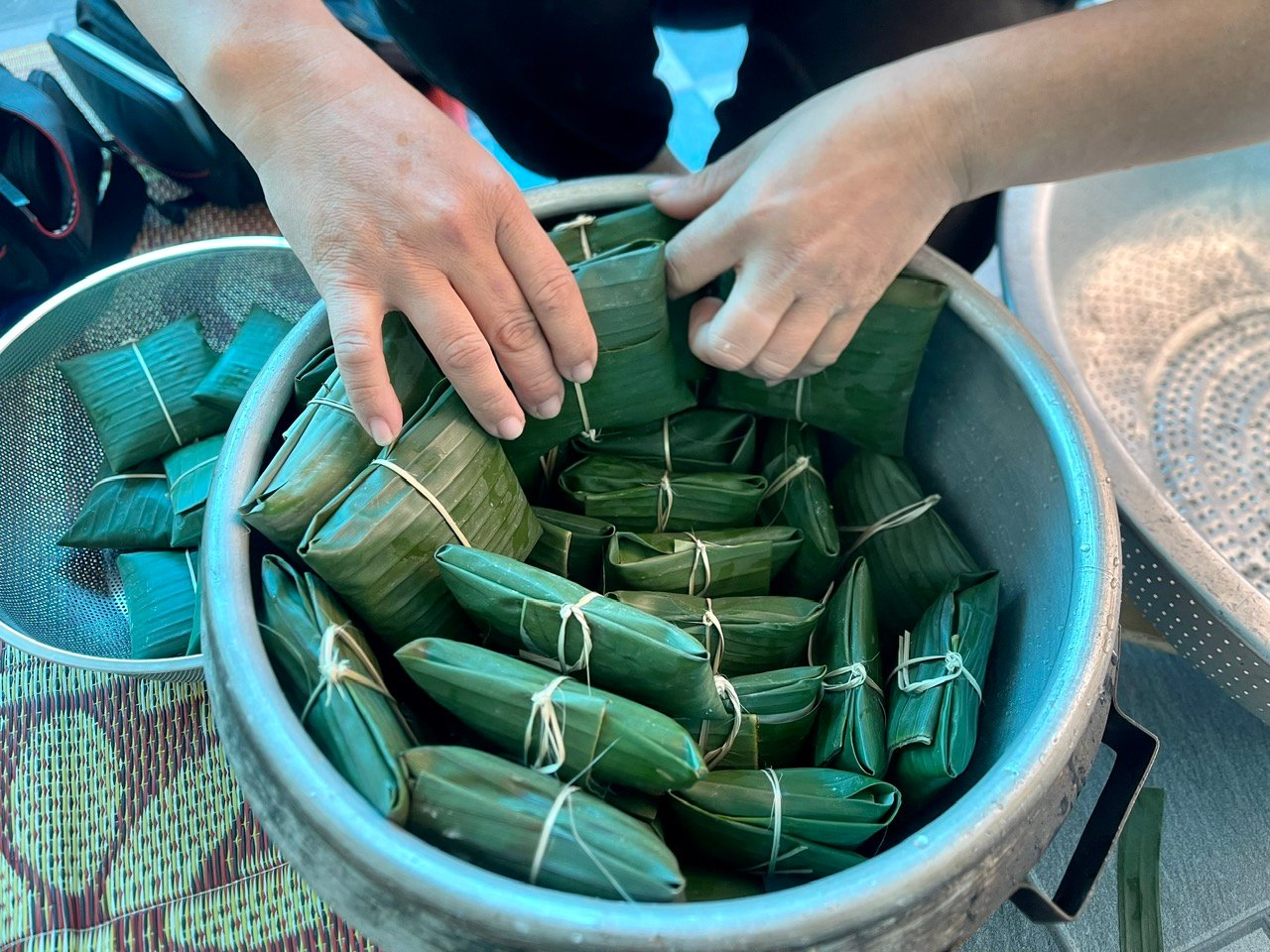
...and then place them in a pot and steam for 1 hour.
According to Ms. Phung Thi Thin, whether it's a holiday, Tet (Lunar New Year), or any family event, she, like many other families, chooses fish cakes as a special dish and gift. This traditional cake, passed down through generations, still retains the Muong people's culinary heritage in Tu Vu.
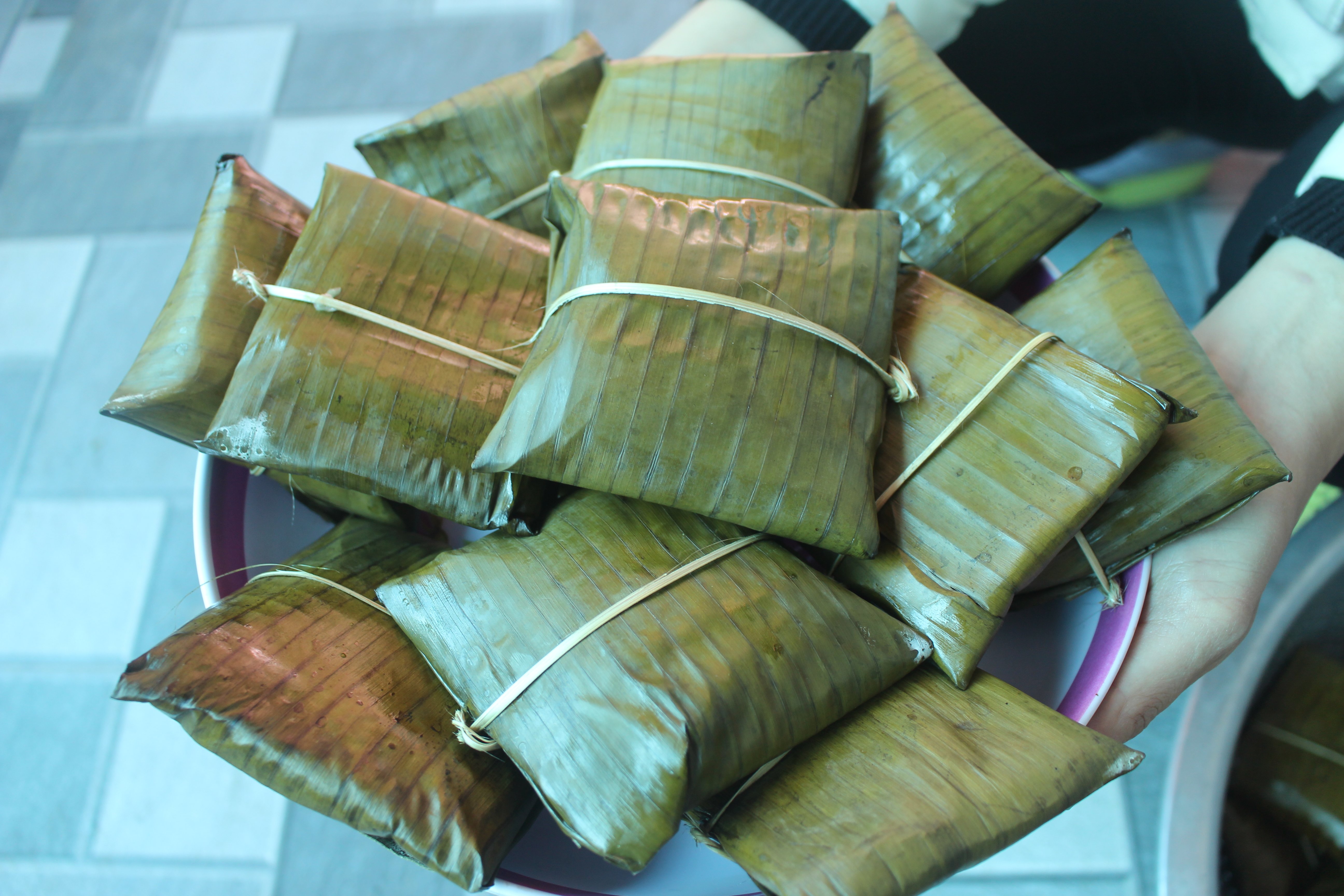
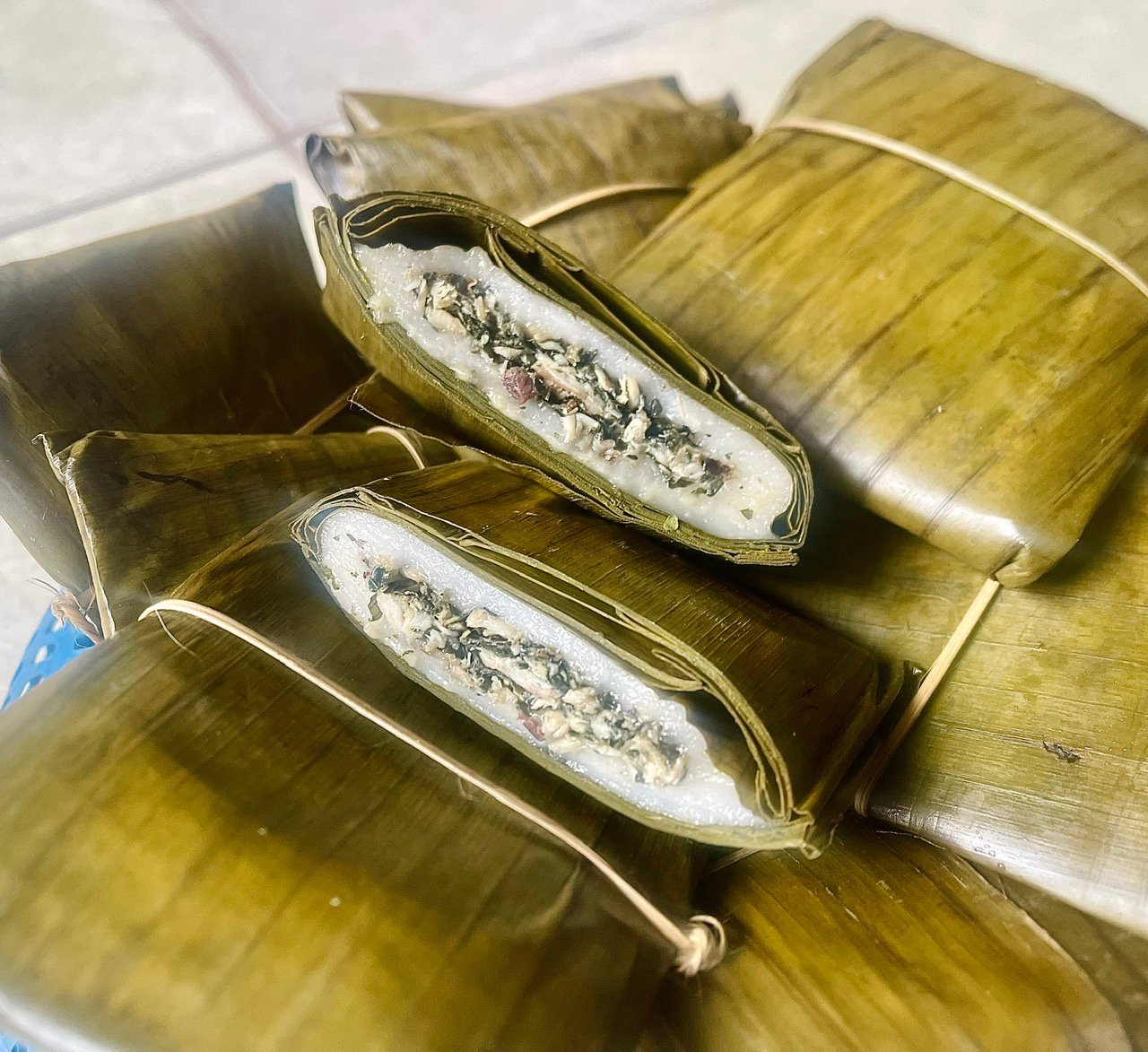
When cooked, the fish cake is chewy and flavorful, with a distinctive aroma of taro leaves, fish, and spices.
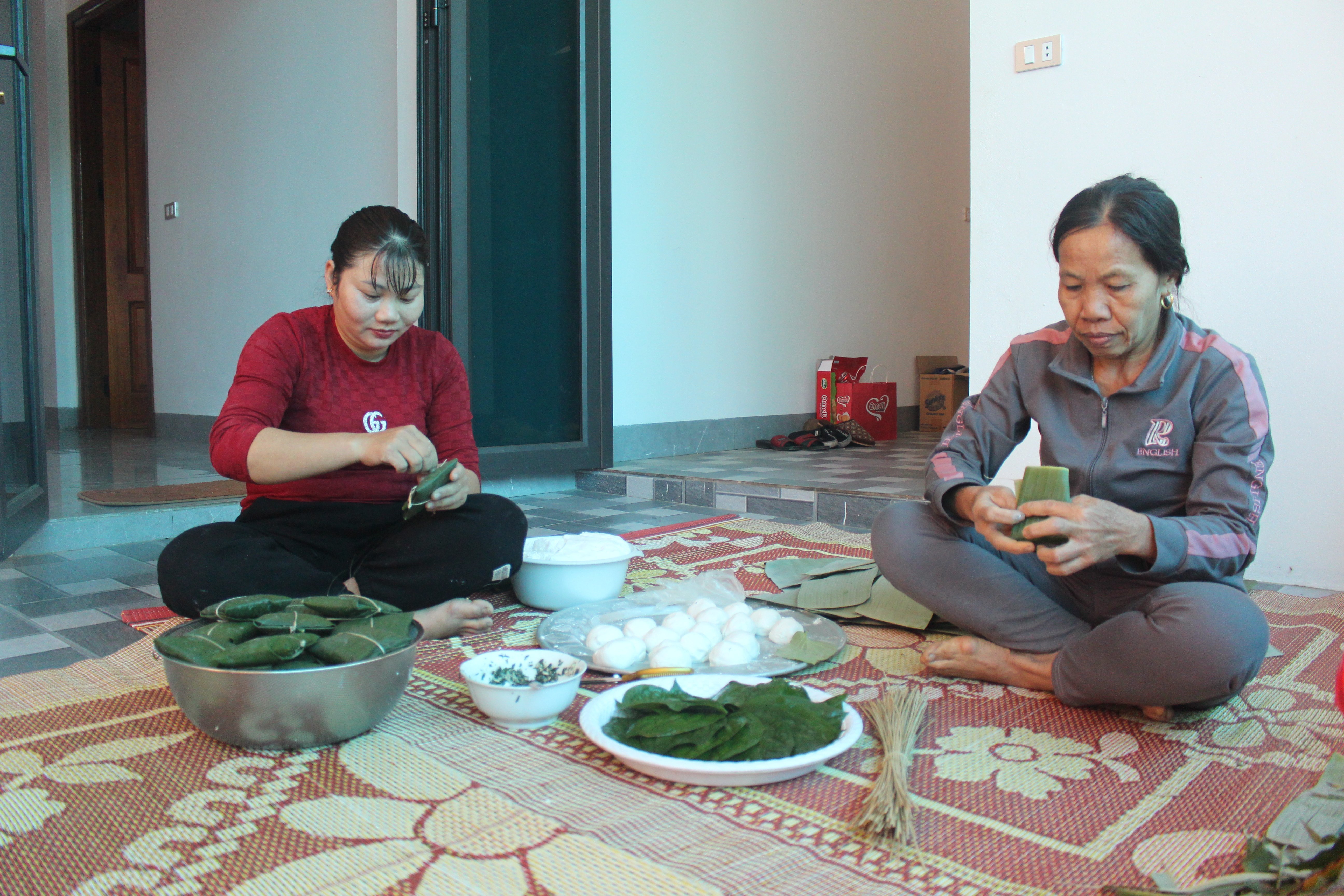
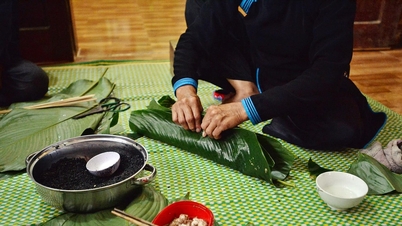
Ms. Tran Thi Thanh Xuan and her mother-in-law carefully wrap each fish-shaped cake in preparation for Tet (Lunar New Year).
Savoring each bite of the fish cake, you'll experience a truly special sensation: the fragrant, chewy texture of the glutinous rice flour blending perfectly with the sweet and savory flavor of the fish filling, seasoned with traditional spices and infused with the subtle, distinctive aroma of the tau leaves...
Preparing and wrapping each fish-shaped cake together is also an opportunity for family members to gather, strengthening bonds during traditional national holidays and festivals.
Mai Hoa
Source: https://baophutho.vn/banh-ca-cua-nguoi-muong-o-tu-vu-226420.htm

![[Photo] Prime Minister Pham Minh Chinh holds a phone call with the CEO of Russia's Rosatom Corporation.](/_next/image?url=https%3A%2F%2Fvphoto.vietnam.vn%2Fthumb%2F1200x675%2Fvietnam%2Fresource%2FIMAGE%2F2025%2F12%2F11%2F1765464552365_dsc-5295-jpg.webp&w=3840&q=75)


![[Photo] Closing Ceremony of the 10th Session of the 15th National Assembly](/_next/image?url=https%3A%2F%2Fvphoto.vietnam.vn%2Fthumb%2F1200x675%2Fvietnam%2Fresource%2FIMAGE%2F2025%2F12%2F11%2F1765448959967_image-1437-jpg.webp&w=3840&q=75)


































![[OFFICIAL] MISA GROUP ANNOUNCES ITS PIONEERING BRAND POSITIONING IN BUILDING AGENTIC AI FOR BUSINESSES, HOUSEHOLDS, AND THE GOVERNMENT](https://vphoto.vietnam.vn/thumb/402x226/vietnam/resource/IMAGE/2025/12/11/1765444754256_agentic-ai_postfb-scaled.png)























![[Photo gallery] Long Thanh Airport 'lights up' ready to welcome its first flight](https://vphoto.vietnam.vn/thumb/402x226/vietnam/resource/IMAGE/2025/12/11/1765467251707_bia_20251211222704.jpeg)














Comment (0)