

In recent years, Cuu village has become a destination that attracts many photographers and tourists because of its peaceful and nostalgic beauty. In particular, the village also has many houses that are over a hundred years old, with unique Vietnamese-French architecture.
The house of Mr. Nguyen Thien Tu (born in 1945) is one of the most carefully preserved and preserved ancient houses in the village. At the age of 80, every day, Mr. Tu still diligently takes care of the house and the shady garden, enthusiastically collects documents about Cuu village and happily welcomes guests who want to come and admire and learn about the house.

Mr. Tu said he is the fourth generation born and raised in this ancient house stained with time.
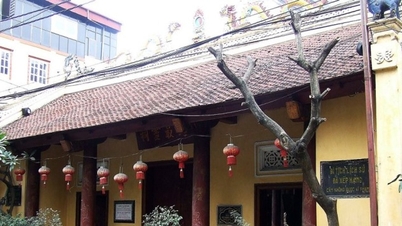
The house was built in the early 20th century. At that time, Mr. Tu’s grandfather was a local mandarin, and his son had returned from studying in France. Therefore, although the house has traditional Vietnamese architecture with a sloping roof, ironwood columns, panel doors, and a terracotta-tiled yard, it also harmoniously blends in some Western architectural features.
"According to my parents, the house was built on a plot of land of more than 300 square meters, including 11 rooms, including 3 rooms for worship, 2 rooms for living, 3 horizontal rooms for kitchen, serving production, 1 room for servants, 1 room for rice milling, 1 room for raising buffaloes and cows," Mr. Tu introduced.

In the 1930s and 1940s, the people of Cuu village prospered like a kite in the wind thanks to the tailoring business. Merchants hired designers and workers from Hanoi to build solid houses with an architectural fusion of Vietnamese and French cultures. However, Mr. Tu's family's house is still one of the most impressive works.
"My parents also worked in tailoring suits and raised their children. The family's life was quite well-off and prosperous. When I was born, life was more difficult due to the war. However, I was still able to get a full education," Mr. Tu said.
When he was young, Mr. Tu went to school, started a career, built a family and then lived in the center of Hanoi . More than 10 years ago, some families in the village had their horizontal lacquered boards, parallel sentences and worshiping objects stolen by thieves. He decided to return to his hometown to preserve and look after the house his ancestors left behind.
"Since childhood, my siblings and I have been taught to respect and preserve our family home. Every object in the house is a precious 'treasure' spiritually to us," said Mr. Tu.
On weekends, death anniversaries, holidays, and Tet, the house is the place to welcome children and grandchildren from all over to gather and reunite.

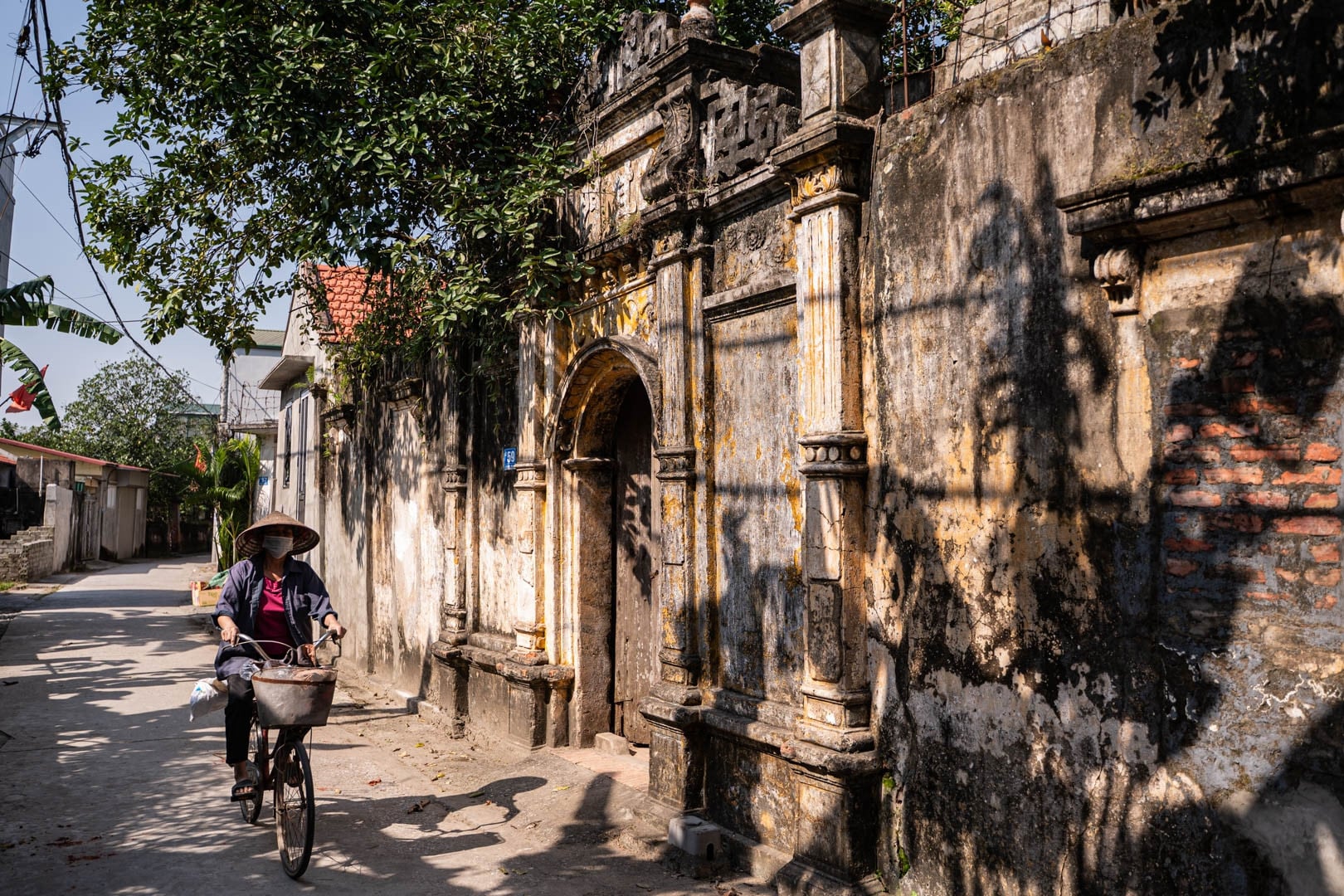
Walking on the main road along Cuu village, most visitors pay attention to the ancient gate with beautiful architecture of Mr. Tu's family. "Many architects, cultural and historical researchers have visited and commented that our family's gate has a very unique architecture," the 80-year-old man proudly said.
In front of the gate are printed three Chinese characters "Dac Ky Mon" (meaning a unique gate that lasts forever), decorated with embossed images of flowers, leaves, birds and animals expressing wishes for happiness, prosperity and longevity for the homeowner.


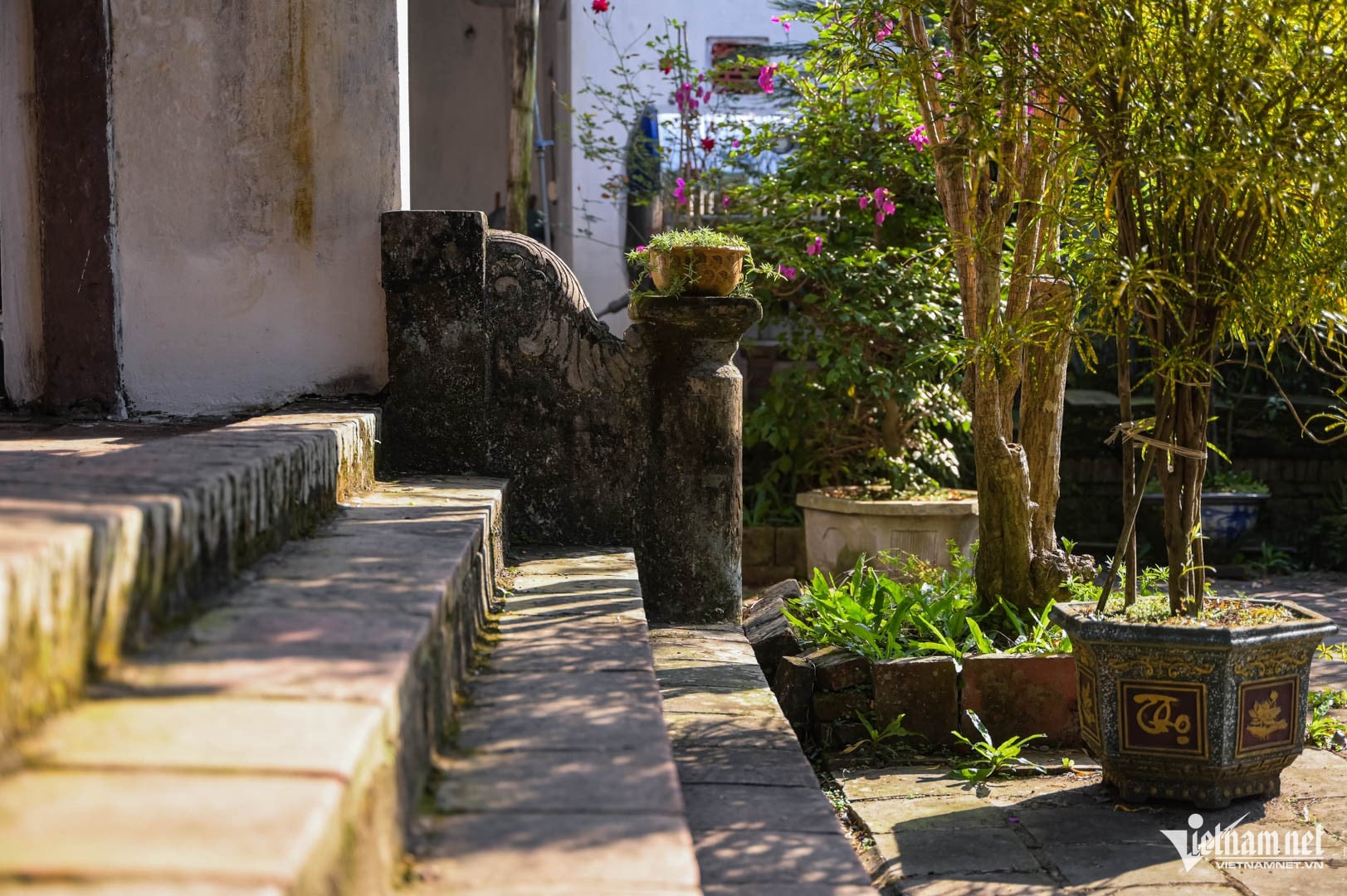
Through the gate is a stone-paved garden, shaded by green trees, with rows of areca trees, betel vines and the faint scent of roses.
The house still retains three intact worship rooms. "Over time, many rooms have seriously deteriorated. In 2024, one room completely collapsed after Typhoon Yagi ," said Mr. Tu.


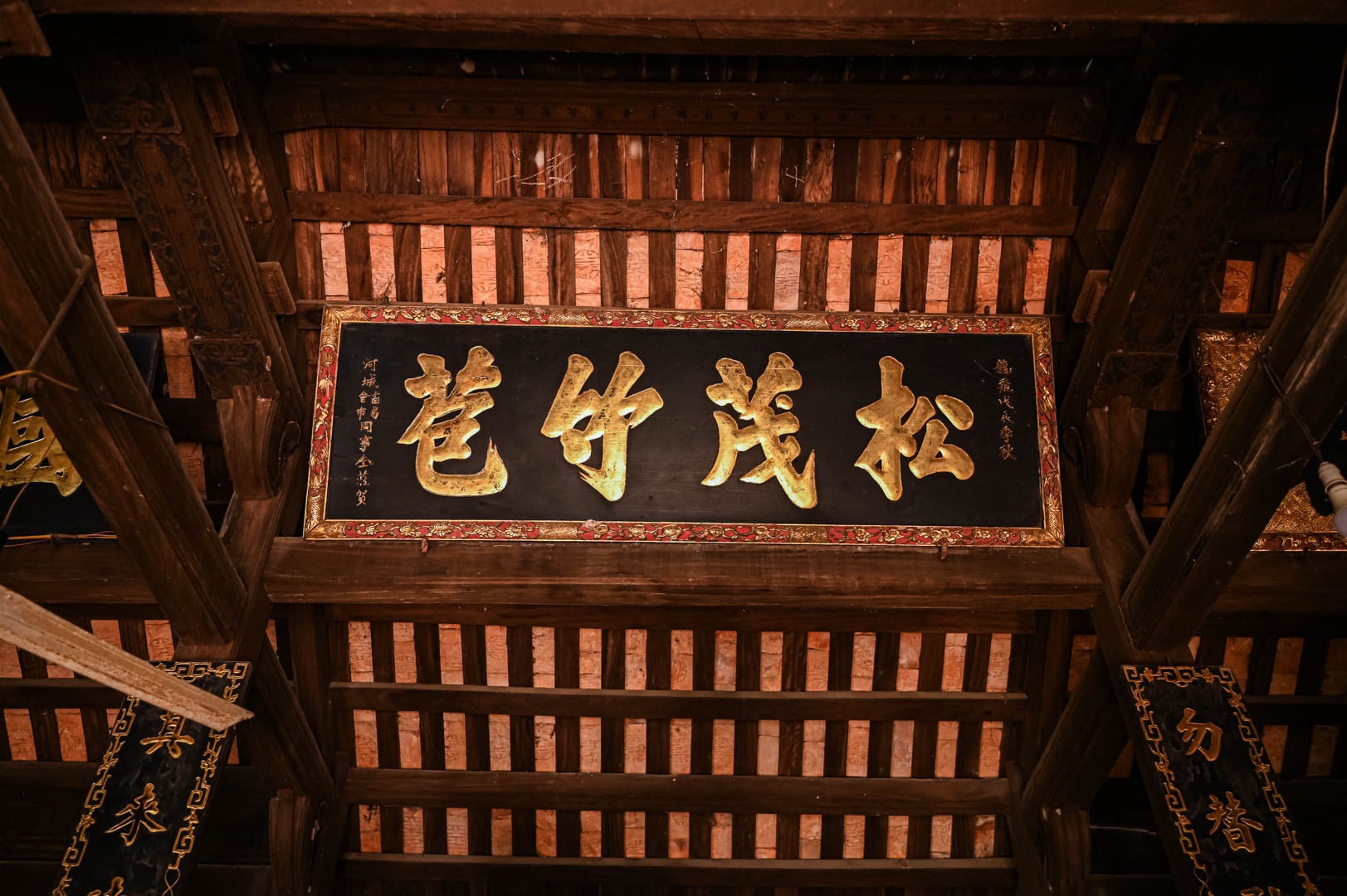
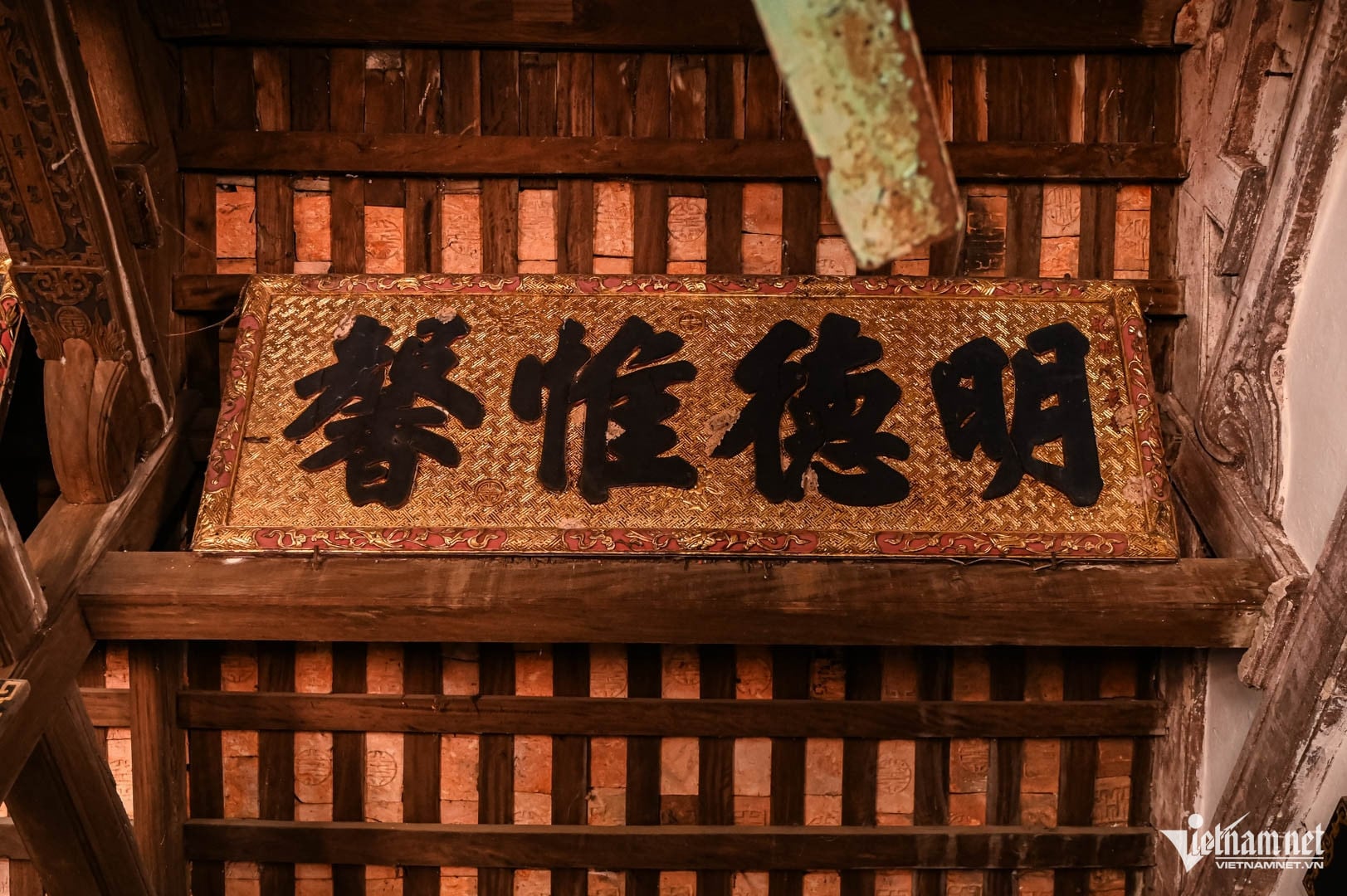
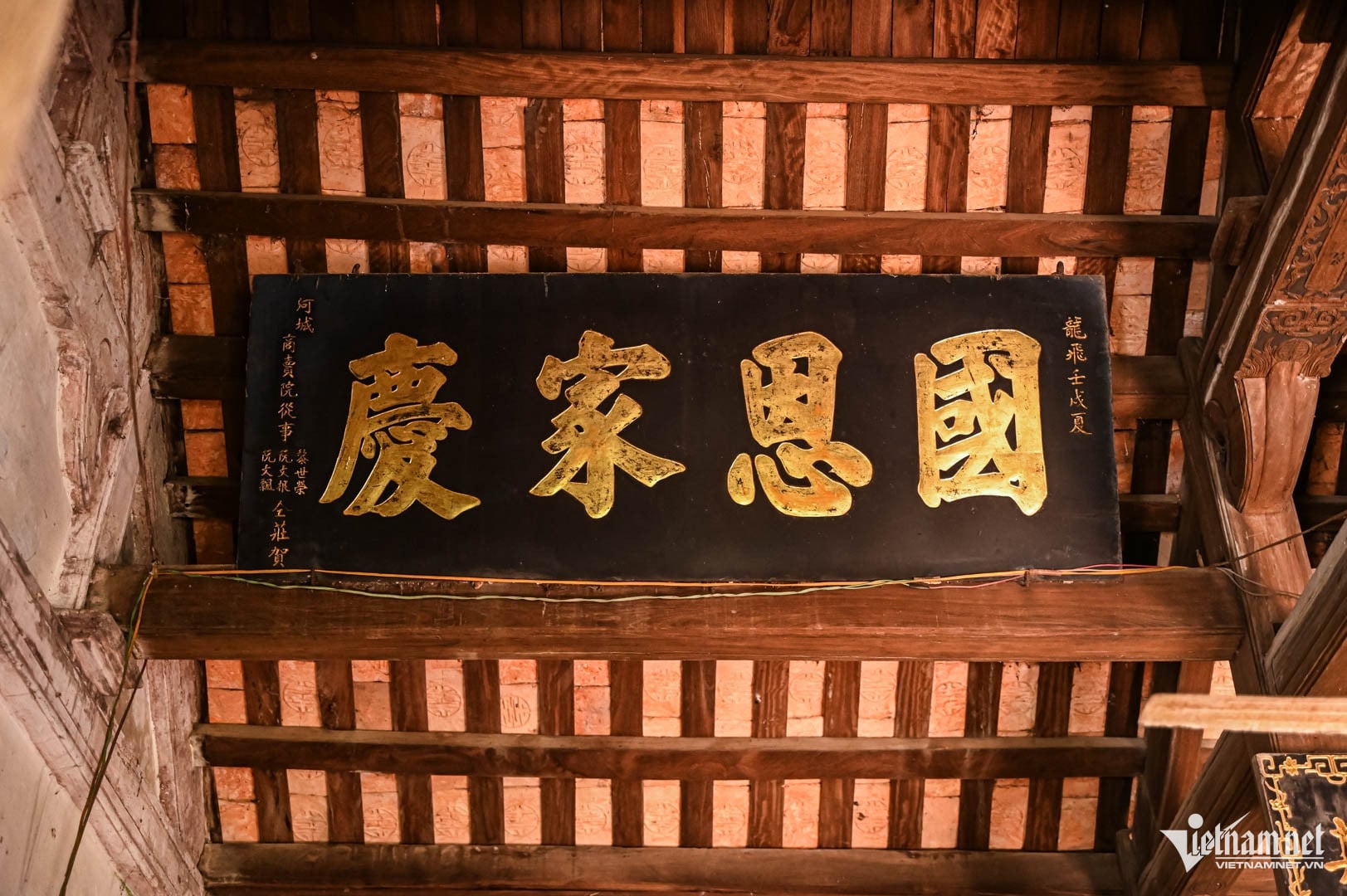

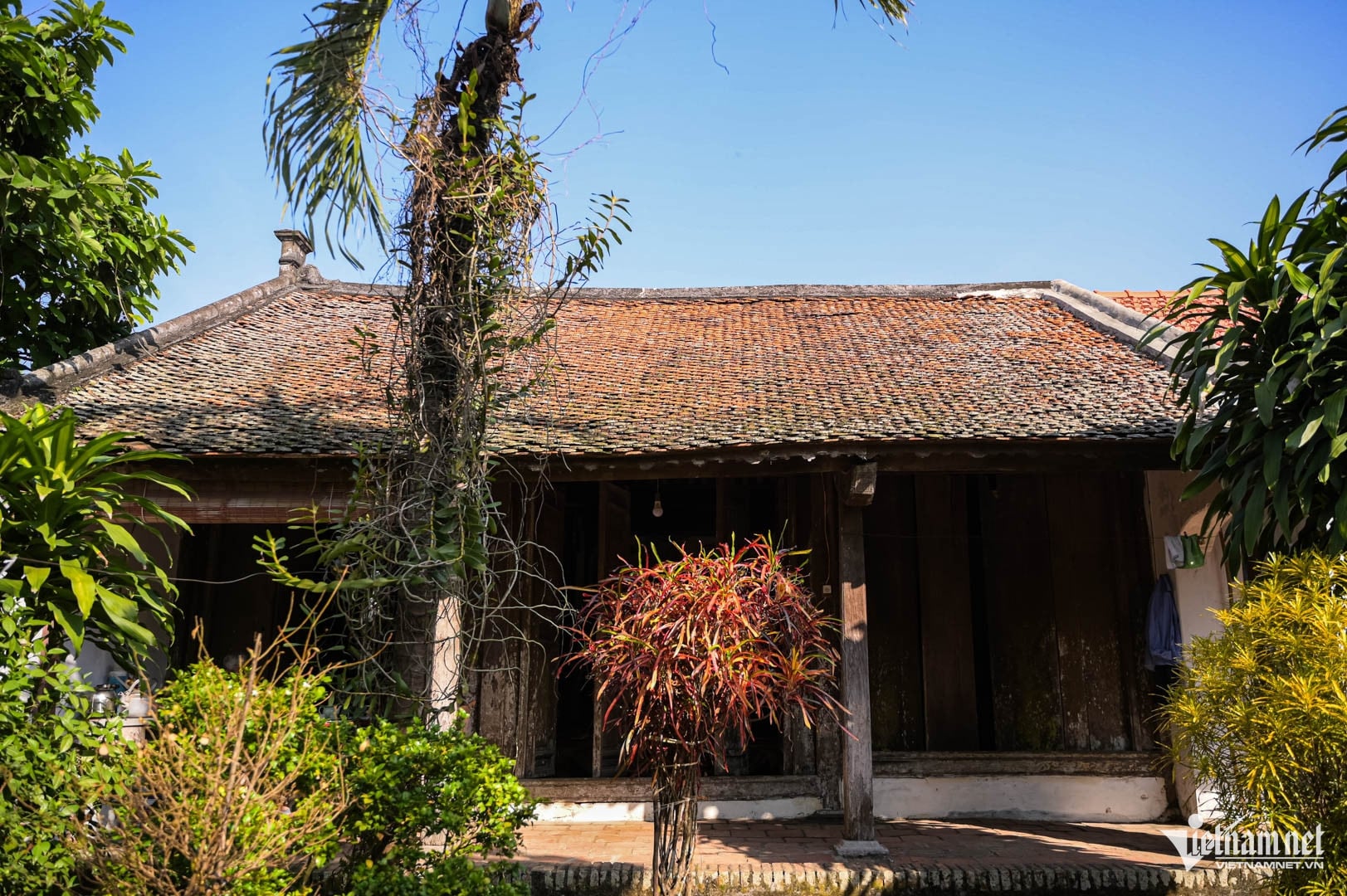
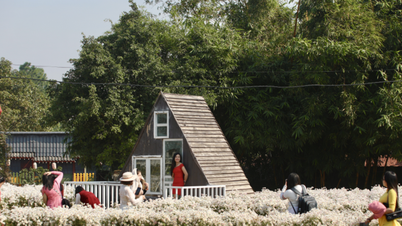
Coming to Cuu village, visitors can visit ancient houses and Western villas with Asian-European architectural style; check-in at the village gate, well, and rural market; and worship at Phuc Due pagoda.
Tourists can combine visiting other places in Chuyen My commune such as Chuon village - a thousand-year-old mother-of-pearl lacquer inlay village; famous Van Tu suit sewing village; Phu Yen leather shoes.
Source: https://vietnamnet.vn/bau-vat-trong-ngoi-nha-co-hon-100-tuoi-gin-giu-qua-4-the-he-o-ha-noi-2469340.html

![[Photo] 60th Anniversary of the Founding of the Vietnam Association of Photographic Artists](/_next/image?url=https%3A%2F%2Fvphoto.vietnam.vn%2Fthumb%2F1200x675%2Fvietnam%2Fresource%2FIMAGE%2F2025%2F12%2F05%2F1764935864512_a1-bnd-0841-9740-jpg.webp&w=3840&q=75)

![[Photo] National Assembly Chairman Tran Thanh Man attends the VinFuture 2025 Award Ceremony](/_next/image?url=https%3A%2F%2Fvphoto.vietnam.vn%2Fthumb%2F1200x675%2Fvietnam%2Fresource%2FIMAGE%2F2025%2F12%2F05%2F1764951162416_2628509768338816493-6995-jpg.webp&w=3840&q=75)
































































Comment (0)