

In the third quarter of 2025, the US luxury car market witnessed a dramatic shift as BMW officially overtook Lexus to reclaim the top spot. The German brand sold 96,886 vehicles, a lead of 5,277 compared to the Japanese competitor's 91,609. This marks a significant turning point after Lexus temporarily held the advantage in the second quarter.
Differentiated strategies can bring about overthrow.
According to data from Edmunds, BMW's success stems from its strategy of launching 2026 models early. These new versions accounted for 51% of BMW's total deliveries in the quarter, while Lexus's figure was only 4.8%. Ivan Drury, Director of Analysis at Edmunds, commented: "Like the story of the Tortoise and the Hare, BMW and Lexus are on two different paths to success."
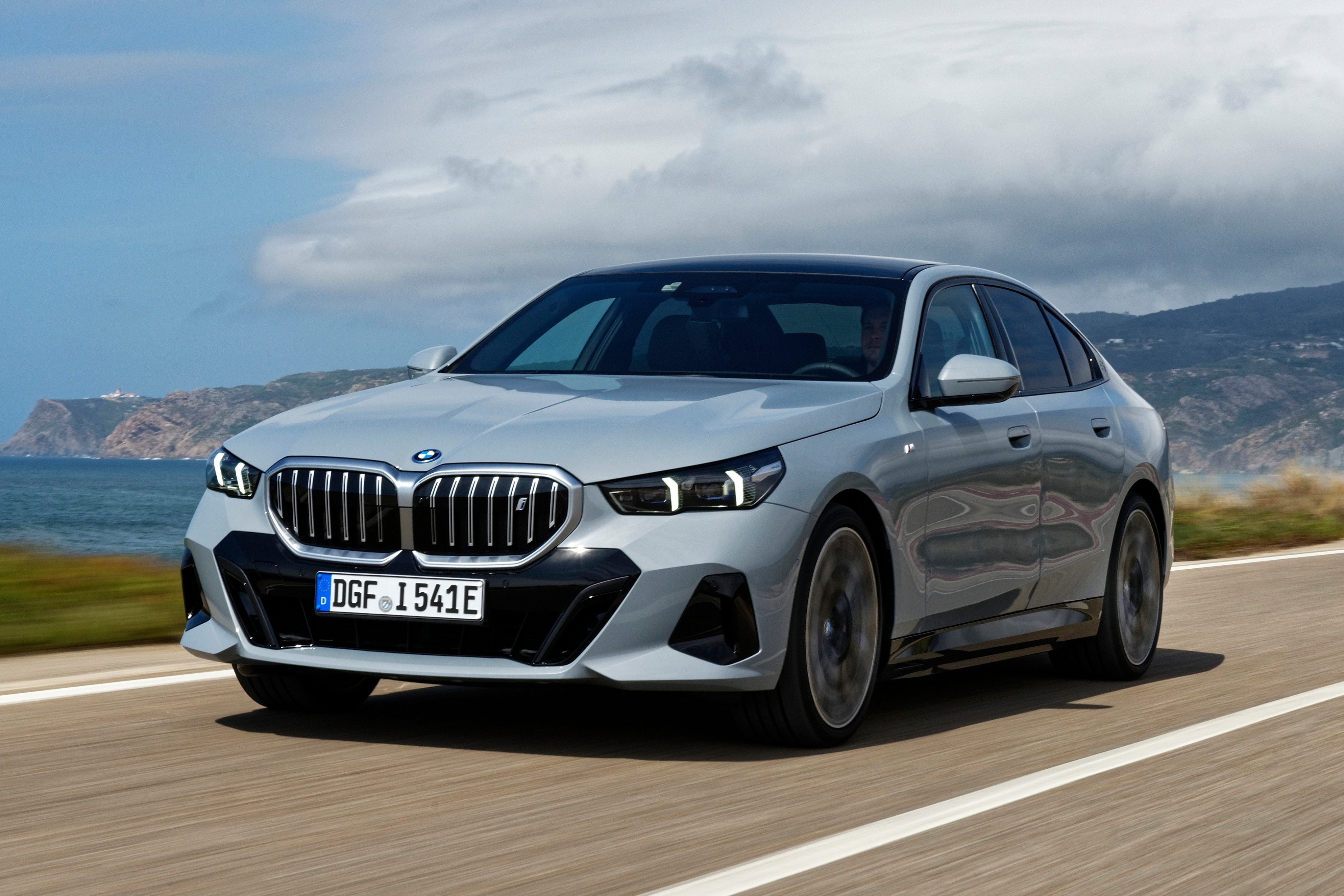
Despite selling more cars, BMW has a slower inventory turnover rate. On average, it takes 46 days for a BMW to find a buyer, compared to just 22 days for Lexus. The main reason is believed to be BMW's higher inventory of electric vehicles.
The power of hybrid vehicles and the challenge posed by electric vehicles.
BMW's third-quarter 2025 sales recorded an impressive 25% year-on-year growth. The main driver was strong demand for plug-in hybrid (PHEV) and crossover models. Specifically, PHEV sales increased by 37%, offsetting a 16% decline in pure electric vehicle (EV) sales. Models such as the 5 Series, X5, 7 Series, M5, and XM all offer PHEV versions, providing customers with a wide range of choices.
Shaun Bugbee, Executive Vice President of BMW of North America, said the slowdown in electric vehicle sales was partly due to the company's proactive production cuts in May and June to respond to uncertainty surrounding tax policies. However, as subsidy programs neared their end, BMW's electric vehicle sales surged more than 30% in September, and inventory levels dropped from 65 days to just 28 days.
Lexus is experiencing solid growth thanks to its SUVs.
Lexus also had a successful quarter with sales of 91,609 vehicles, a 13% increase year-on-year. Its two flagship SUVs, the Lexus GX and TX, played a key role in this growth. GX sales increased 35% to 28,244 vehicles, while TX sales rose 86% to 39,546 vehicles after addressing issues from the previous year.
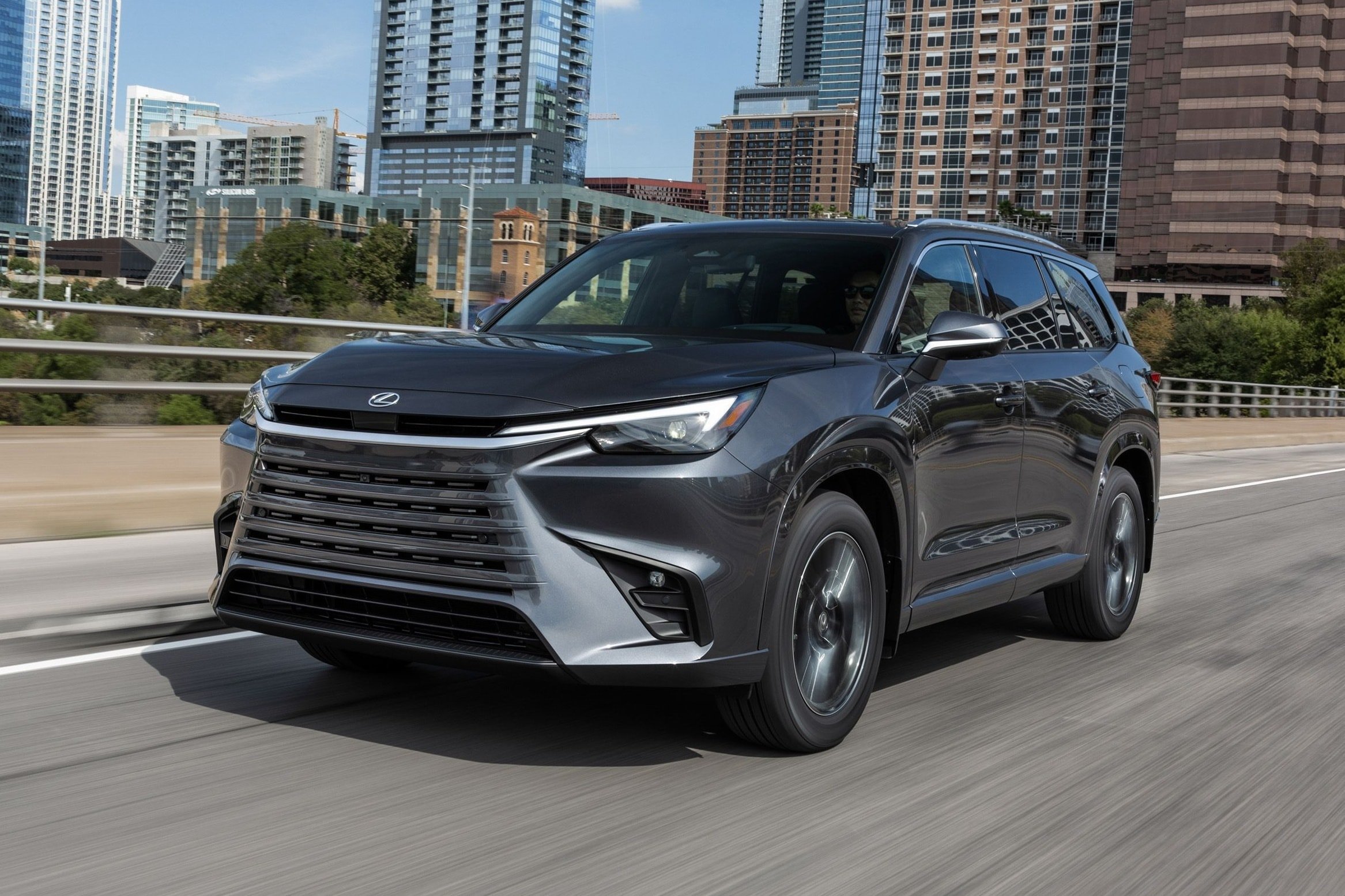
Notably, Lexus reports that approximately 70% of TX buyers are first-time buyers or upgraders from mainstream brands. With this growth momentum, Lexus expects to set a new sales record in the US with around 355,000 vehicles sold for the entire year.
Mercedes-Benz and the overall market landscape.
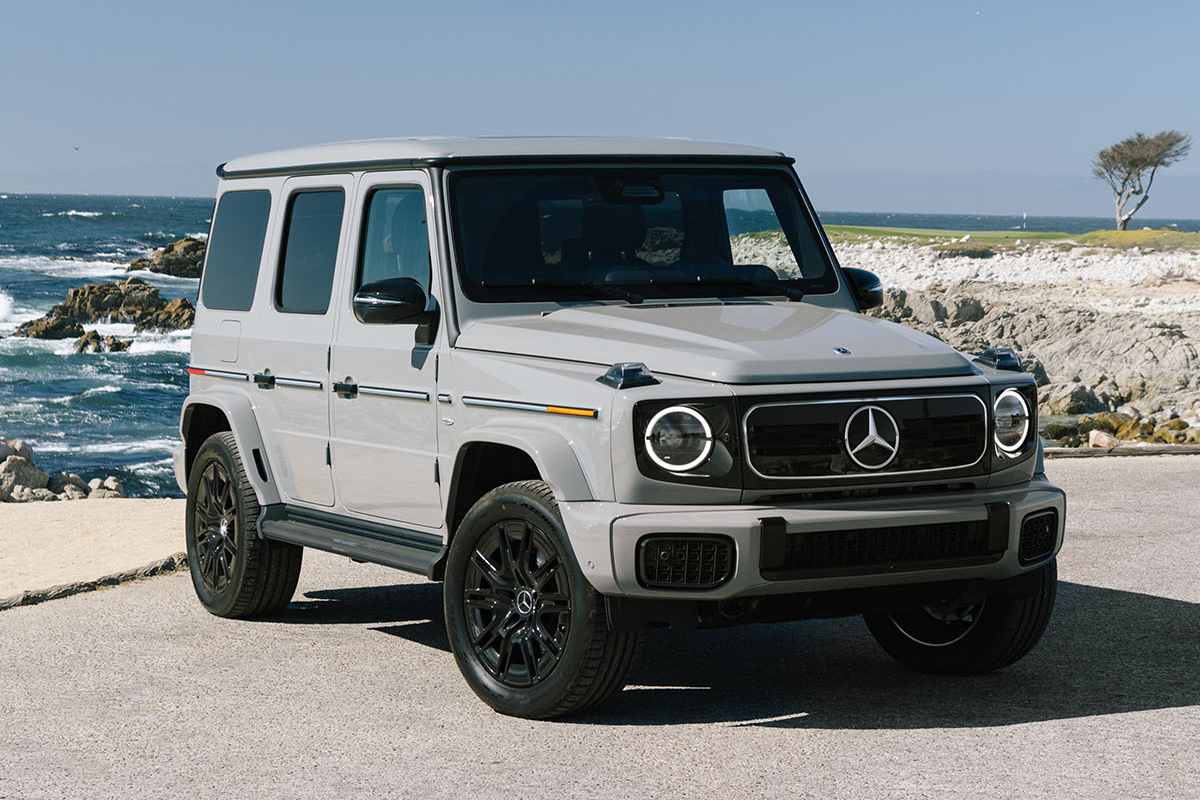
While the two rivals are fiercely competing, Mercedes-Benz recorded a decline, slipping to third place with sales of about 73,500 vehicles, down 13% compared to the same period in 2024. The company explained that the previous year's figure was unusually high due to supply being concentrated in the second half of the year. However, Mercedes-Benz's cumulative sales for the first nine months of the year still increased by 6%, reaching about 223,800 vehicles.
According to Automotive News Research & Data Center, the entire US luxury car market sold 518,353 vehicles in the third quarter of 2025, an increase of 4.5%. Other brands also recorded mixed results: Audi maintained stable sales (46,758 vehicles), Cadillac saw strong growth of 25% (46,525 vehicles) thanks to electric models, while Volvo and Porsche experienced a decline in sales.
A close race in the final quarter of the year.
Entering the final quarter of the year, the two-horse race between BMW and Lexus is expected to continue to be fierce. BMW has the advantage of launching new products and better managing its electric vehicle inventory. Meanwhile, Lexus owns an attractive SUV portfolio and the fastest sales rate in the segment. Changes in tax policy and electric vehicle subsidies will be important factors in shaping the final outcome of the battle for the luxury car throne in the US market.
Source: https://baonghean.vn/bmw-doi-lai-ngoi-vuong-xe-sang-tai-my-tu-tay-lexus-10308078.html



![[Photo] Prime Minister Pham Minh Chinh holds a phone call with the CEO of Russia's Rosatom Corporation.](/_next/image?url=https%3A%2F%2Fvphoto.vietnam.vn%2Fthumb%2F1200x675%2Fvietnam%2Fresource%2FIMAGE%2F2025%2F12%2F11%2F1765464552365_dsc-5295-jpg.webp&w=3840&q=75)
![[Photo] Closing Ceremony of the 10th Session of the 15th National Assembly](/_next/image?url=https%3A%2F%2Fvphoto.vietnam.vn%2Fthumb%2F1200x675%2Fvietnam%2Fresource%2FIMAGE%2F2025%2F12%2F11%2F1765448959967_image-1437-jpg.webp&w=3840&q=75)




































































Comment (0)