

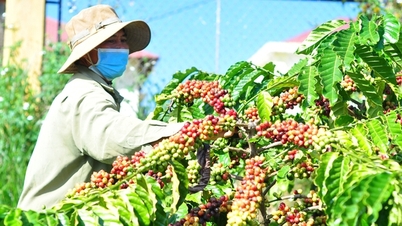
Mr. K'Rong Brech's family in Nam Nung commune, with nearly 1.7 hectares of coffee, has been applying the organic model for more than five years. Previously, each crop, he used a lot of inorganic fertilizers, which increased costs and hardened the soil. But since switching to using composted manure, keeping natural grass moist, and intercropping shade trees such as macadamia and pepper — which both help retain moisture and absorb CO₂ — the coffee garden has clearly changed: the soil is looser, the plants are healthier, and costs are reduced by more than half. This fall, the garden's yield is estimated at 3.5–4 tons/ha. Mr. Brech shared: "The new method was a bit difficult at first because he was not used to it, but the results are obvious."
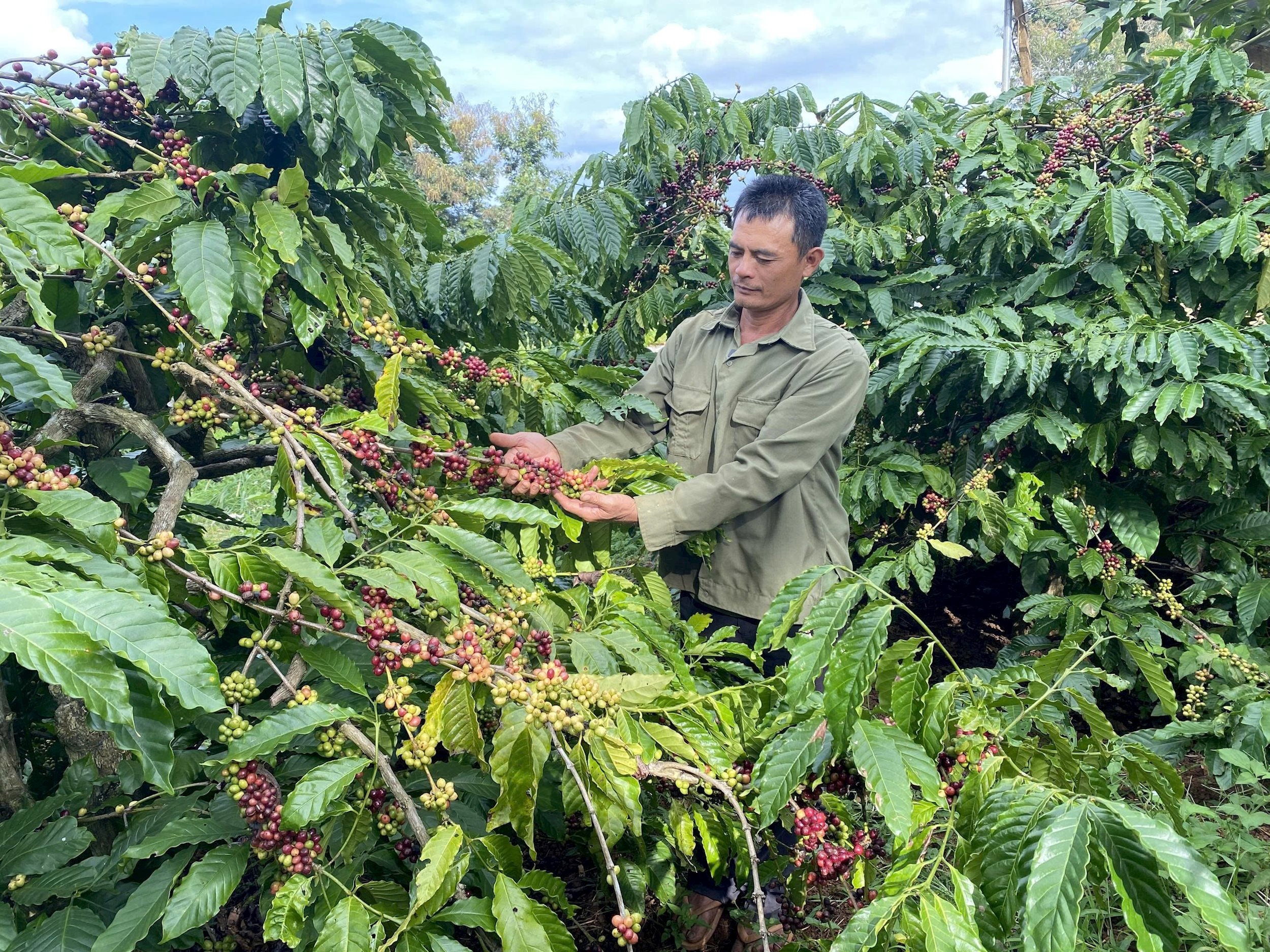
In Quang Phu commune, Ms. H'Mri's family with about 2 hectares of coffee mixed with durian and avocado to create shade also recorded similar benefits. Thanks to reducing chemical fertilizers, limiting pesticides, returning to manual grass cutting combined with maintaining natural grass, production costs have decreased by more than 50% compared to before. Productivity remains stable at 4-4.5 tons/ha, with an estimated income of more than 450 million VND/ha per year. "Previously, only a few households followed agricultural extension instructions, now almost everyone knows how to maintain landscape coffee gardens, keeping the environment cleaner," Ms. H'Mri confided.
Green agricultural chain — from households to cooperatives
Since 2023, Lam Dong province has expanded the implementation of sustainable coffee cultivation projects, reducing emissions. Projects implemented by the Lam Dong Agricultural Extension Center in coordination with the Central Highlands Agricultural and Forestry Science and Technology Institute, along with support programs from international enterprises and organizations — such as JDE, IDH — are helping farmers in many communes: Di Linh, Nam Ban – Lam Ha, Nam Ha, Nam Nung, Quang Phu, Quang Son ... access cultivation processes that meet the criteria of green and sustainable development.
According to Mr. Nguyen Van Chuong, Director of Lam Dong Agricultural Extension Center: the emission reduction model helps conserve soil and water, maintain moisture, improve soil structure, limit erosion; at the same time, save irrigation water, reduce fertilizer, and stabilize productivity. When the product is of good quality, the coffee beans are uniform and meet technical standards - better meeting the requirements of traceability - it is an advantage for export to the international market.
Not only does the model benefit the environment and soil health, it also brings clear economic value. Mr. Lang The Thanh - Director of Thanh Thai Fair Agriculture Cooperative (Nam Nung commune) - said: when the coffee meets the standards, the cooperative can supply qualified products to domestic and international partners. The emission reduction model therefore not only improves the quality of agricultural products but also opens up opportunities to access high-end markets.
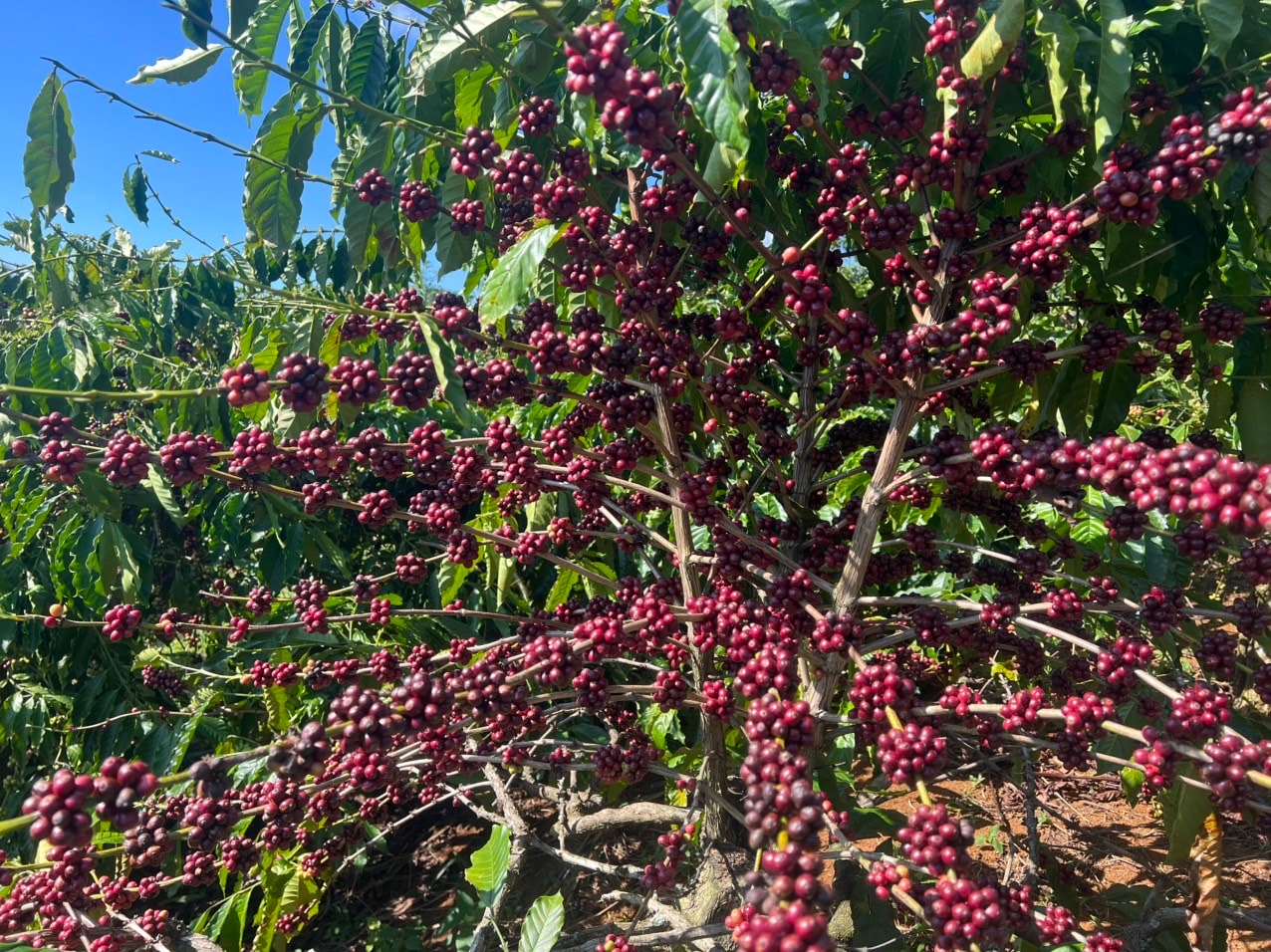
In the context of climate change, the overuse of chemical fertilizers, pesticides, and herbicides over the years has caused land degradation, water pollution, and increased greenhouse gas emissions — posing challenges not only to agricultural production but also to public health.
Mr. Le Quoc Thanh, Director of the National Agricultural Extension Center, emphasized: applying a sustainable farming model, reducing emissions — reducing chemicals, increasing tree cover, maintaining biodiversity — is an urgent solution. It is not only a way to protect land, water, the health of farmers and the community, but also to ensure stable, long-term agricultural development and adaptation to climate change.
With great potential — Lam Dong province has more than 327,000 hectares of coffee, of which more than 310,000 hectares are being exploited; many areas have been granted sustainable production certifications such as VietGAP, 4C, UTZ... — the emission reduction coffee model is not only a trend, but also a requirement for Vietnamese agriculture to integrate according to international standards, meet export needs, protect the environment and develop sustainably.
Reducing emissions from coffee farming — by redesigning production processes, reducing chemical dependence, increasing tree cover, maintaining natural vegetation, and applying intercropping — is proving that environmental protection and efficient production are not contradictory, but complementary. Farmers from individual households to cooperatives are gradually shifting to clean, standardized production — a necessary step to adapt to international markets with increasingly high demands on environmental standards and traceability.
With clear dual benefits — from reducing costs, restoring land, improving agricultural product quality, protecting the environment, to expanding export opportunities — the low-emission coffee model is not simply a technical solution, but is gradually becoming a strategic direction for sustainable agricultural development.
Source: https://daibieunhandan.vn/ca-phe-giam-phat-thai-huong-di-mang-lai-loi-ich-kep-cho-nong-dan-lam-dong-10398061.html
![[Photo] 60th Anniversary of the Founding of the Vietnam Association of Photographic Artists](/_next/image?url=https%3A%2F%2Fvphoto.vietnam.vn%2Fthumb%2F1200x675%2Fvietnam%2Fresource%2FIMAGE%2F2025%2F12%2F05%2F1764935864512_a1-bnd-0841-9740-jpg.webp&w=3840&q=75)
![[Photo] National Assembly Chairman Tran Thanh Man attends the VinFuture 2025 Award Ceremony](/_next/image?url=https%3A%2F%2Fvphoto.vietnam.vn%2Fthumb%2F1200x675%2Fvietnam%2Fresource%2FIMAGE%2F2025%2F12%2F05%2F1764951162416_2628509768338816493-6995-jpg.webp&w=3840&q=75)








































































Comment (0)