

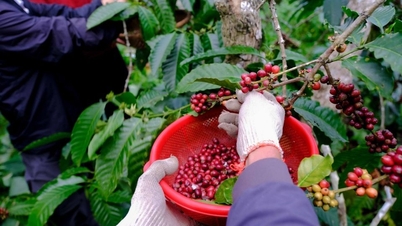
The Lam Dong coffee geographical indication is granted to Arabica and Robusta coffee in three forms: green coffee beans, roasted coffee beans, and ground coffee. The authority to manage the indication is assigned to the Department of Agriculture and Environment of Lam Dong province, aiming to ensure the use of the trademark is linked to the region, origin, production process, and quality standards.
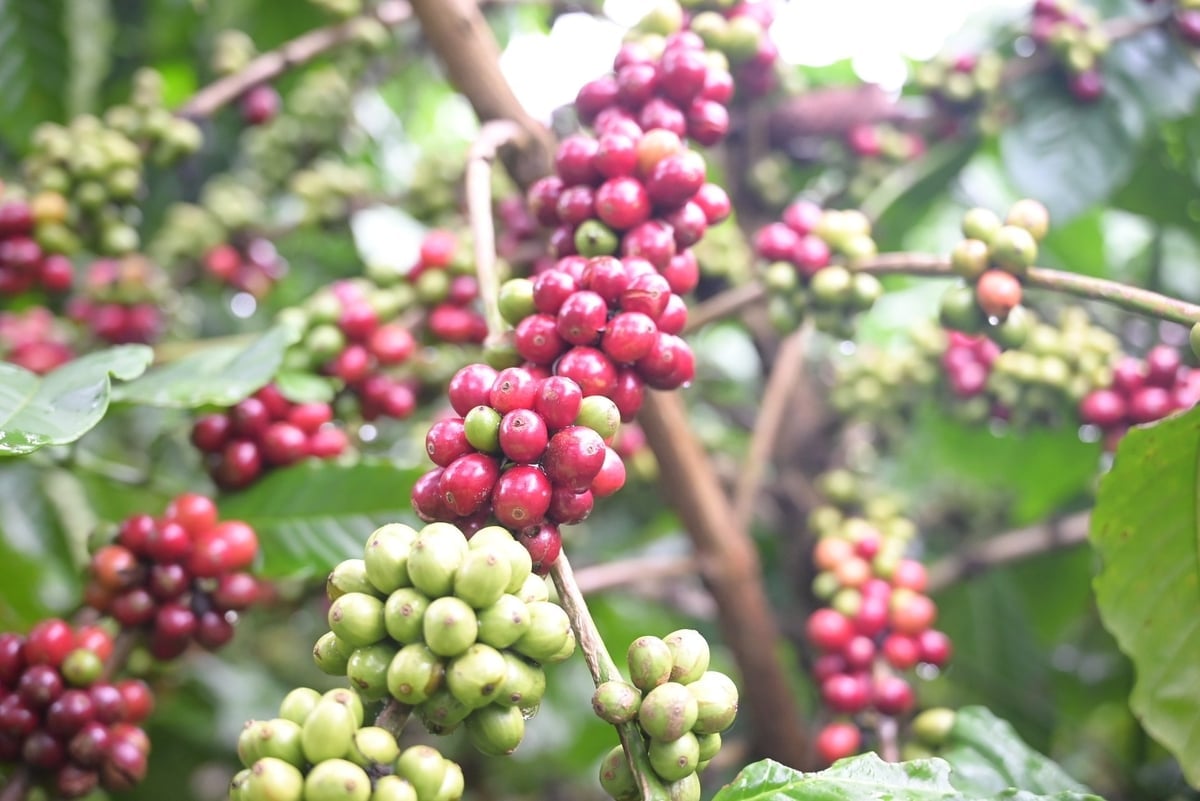
The Lam Dong geographical indication for coffee is granted to Arabica and Robusta coffee in three forms: green coffee beans, roasted coffee beans, and ground coffee. Photo: Pham Hoai.
Lam Dong is a key coffee-producing region in Vietnam, boasting a large planted area and high production volume. Arabica coffee accounts for a significant proportion of the area, alongside widespread Robusta cultivation. The unique topography of the region, with Arabica grown at high altitudes and Robusta at medium altitudes, along with rich organic soil and a cool climate, creates distinct differences in color, caffeine content, bean structure, and flavor characteristic of Lam Dong coffee. These factors form the scientific basis for the identification and protection of its geographical indication.
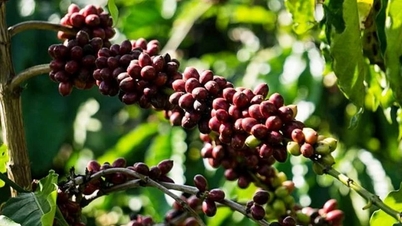
According to recognized technical descriptions, Lam Dong Arabica coffee has a bluish-gray color, caffeine content at or above a specified level, a light aroma, a mild acidity, and a sweet aftertaste. Lam Dong Robusta coffee has a dark brown color, aromas of fresh fruit, chocolate, and caramel, a rich flavor, and higher caffeine and protein content. Geographical indication protection covers the entire chain from harvesting (meeting the required percentage of ripe fruit), preliminary processing, processing, to packaging, ensuring traceability and product quality.
According to the leaders of the Department of Agriculture and Environment of Lam Dong province, the agency will take the lead in implementing regulations on the management of geographical indications, coordinating with businesses, cooperatives, and farmers to build sustainable value chains, control quality, and develop export markets.
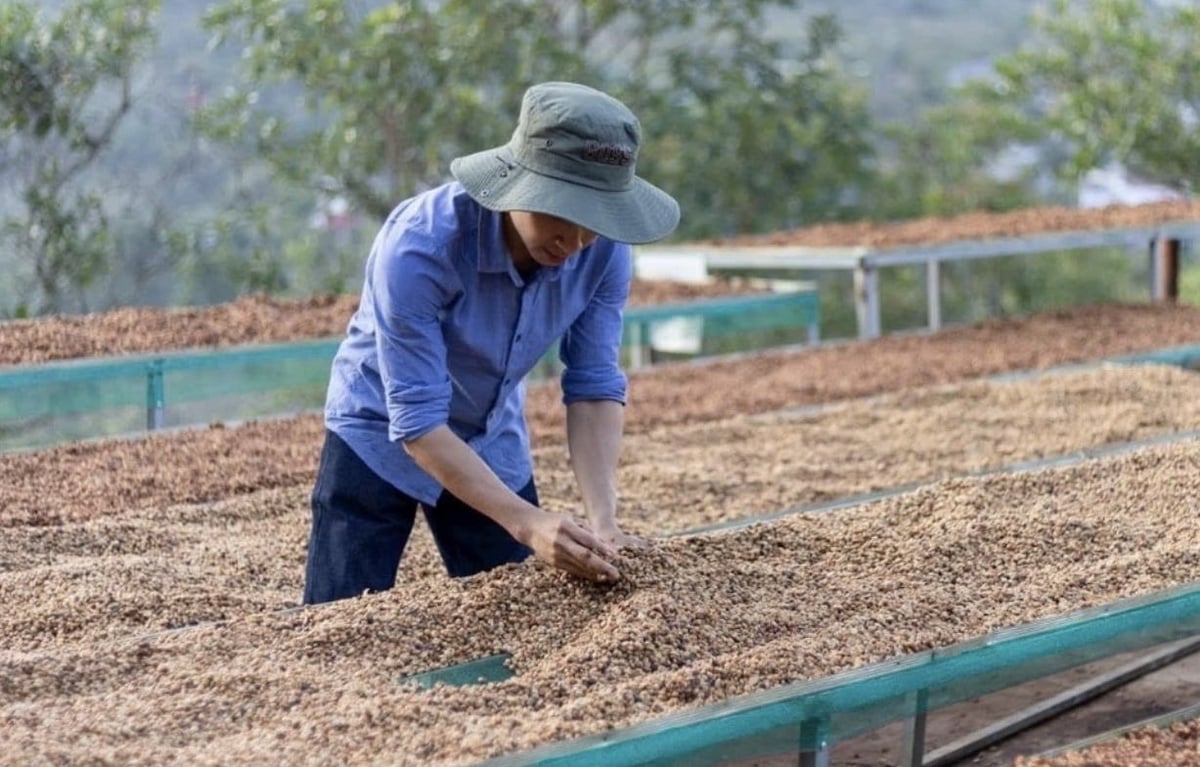
According to the head of the Department of Agriculture and Environment of Lam Dong province, the agency will take the lead in implementing regulations on the management of geographical indications, coordinating with businesses, cooperatives, and farmers to build sustainable value chains, control quality, and develop export markets. Photo: Pham Hoai.
Accordingly, the recognition of geographical indications also comes with specific tasks such as improving the raw material area system, applying sustainable farming techniques (shading, protecting headwater forests), controlling residues and processing standards to ensure product consistency when brought to market and meet export standards. Experts and management agencies have organized training and technical guidance, while also encouraging the development of collective trademarks and traceability systems for participating organizations and businesses.
According to the leaders of Lam Dong province, protecting geographical indications is not only about honoring local values but also about driving Lam Dong to improve its processing capacity and promote linkages between production, processing, and consumption. This will increase income for farmers and enhance the reputation of Vietnamese coffee on the world coffee map. Relevant units are tasked with disseminating information, monitoring the use of the indication, and protecting the rights of producers within the geographical area.
Source: https://nongnghiepmoitruong.vn/ca-phe-lam-dong-duoc-bao-ho-chi-dan-dia-ly-d781610.html



![[Photo] National Assembly Chairman Tran Thanh Man successfully concludes his participation in IPU-152](https://vphoto.vietnam.vn/thumb/1200x675/vietnam/resource/IMAGE/2026/04/18/1776502638199_vna-potal-chu-tich-quoc-hoi-ket-thuc-tot-dep-chuong-trinh-tham-du-ipu-152-8709975-jpg.webp)















































































Comment (0)