

Washing fruits and vegetables before eating is an important hygiene habit for protecting your health.
According to GoodRx (USA), fruits and vegetables can carry disease-causing bacteria if they are not washed and stored properly.
However, we shouldn't completely eliminate vegetables from our diet because they provide many essential vitamins and minerals for good health.
To avoid the risk of food poisoning, Lindsay Boyers, a nutritionist working in the US, shared tips on how to choose and wash fruits and vegetables.
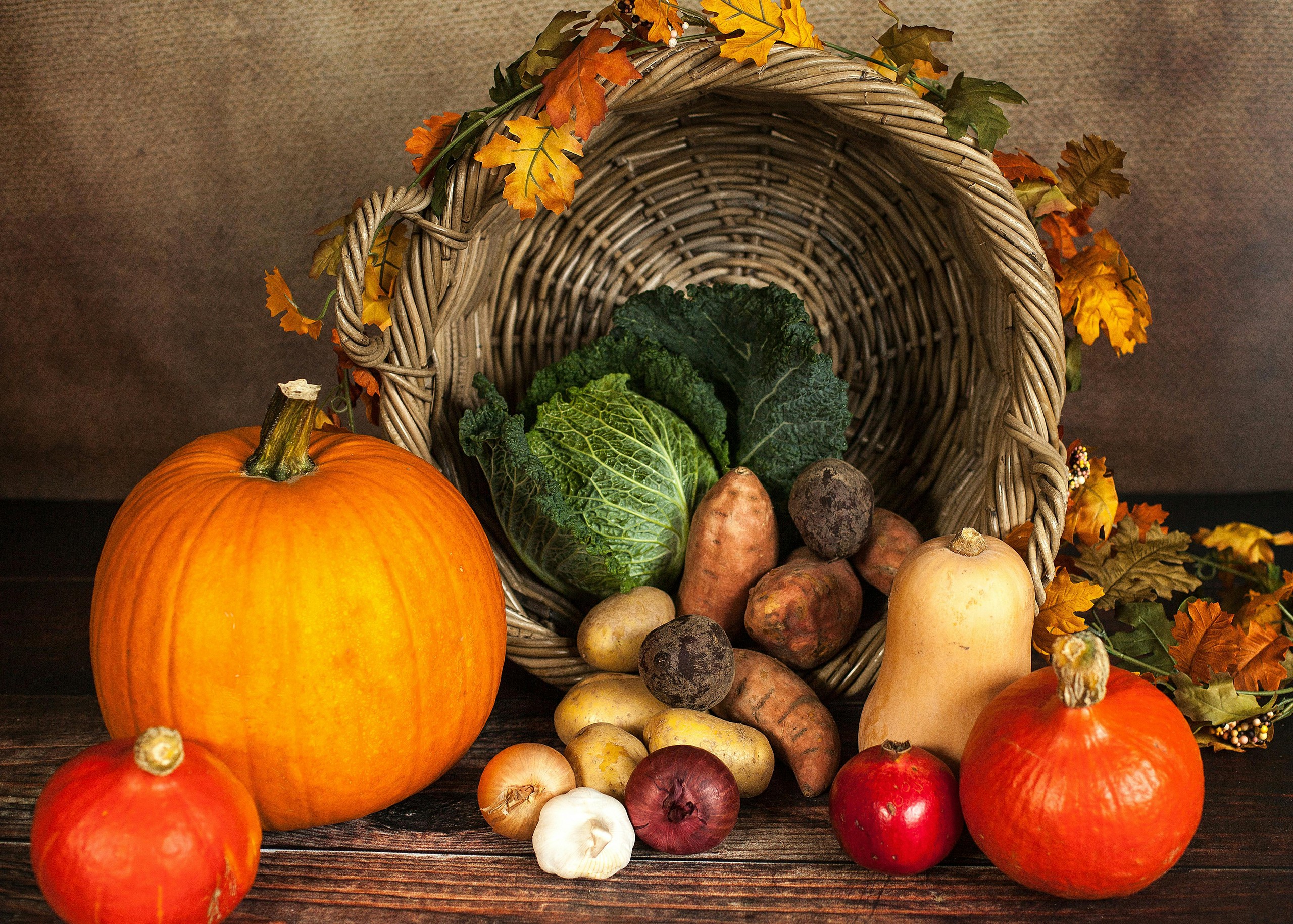
Fruits and vegetables can carry disease-causing bacteria if not washed and stored properly.
The importance of washing fruits and vegetables
According to the US Centers for Disease Control and Prevention (CDC), fruits and vegetables can be contaminated with disease-causing bacteria such as E. coli, Salmonella and Listeria.
These types of bacteria can cling to the surfaces of fruits and vegetables during cultivation, harvesting, transportation, or even right in our kitchens.
More dangerously, bacteria can penetrate deep inside fruits and vegetables when we cut or peel them.
Therefore, thoroughly washing fruits and vegetables is an effective way to remove bacteria and other contaminants, minimizing the risk of foodborne illnesses.
Even if you don't eat the peel, washing is still essential because bacteria can spread from the peel to the flesh inside.
How to wash fruits and vegetables
Before beginning, wash your hands thoroughly with soap and warm water for at least 20 seconds to remove bacteria from your hands.
Next, soak the fruits and vegetables under running water, gently scrubbing their surfaces.
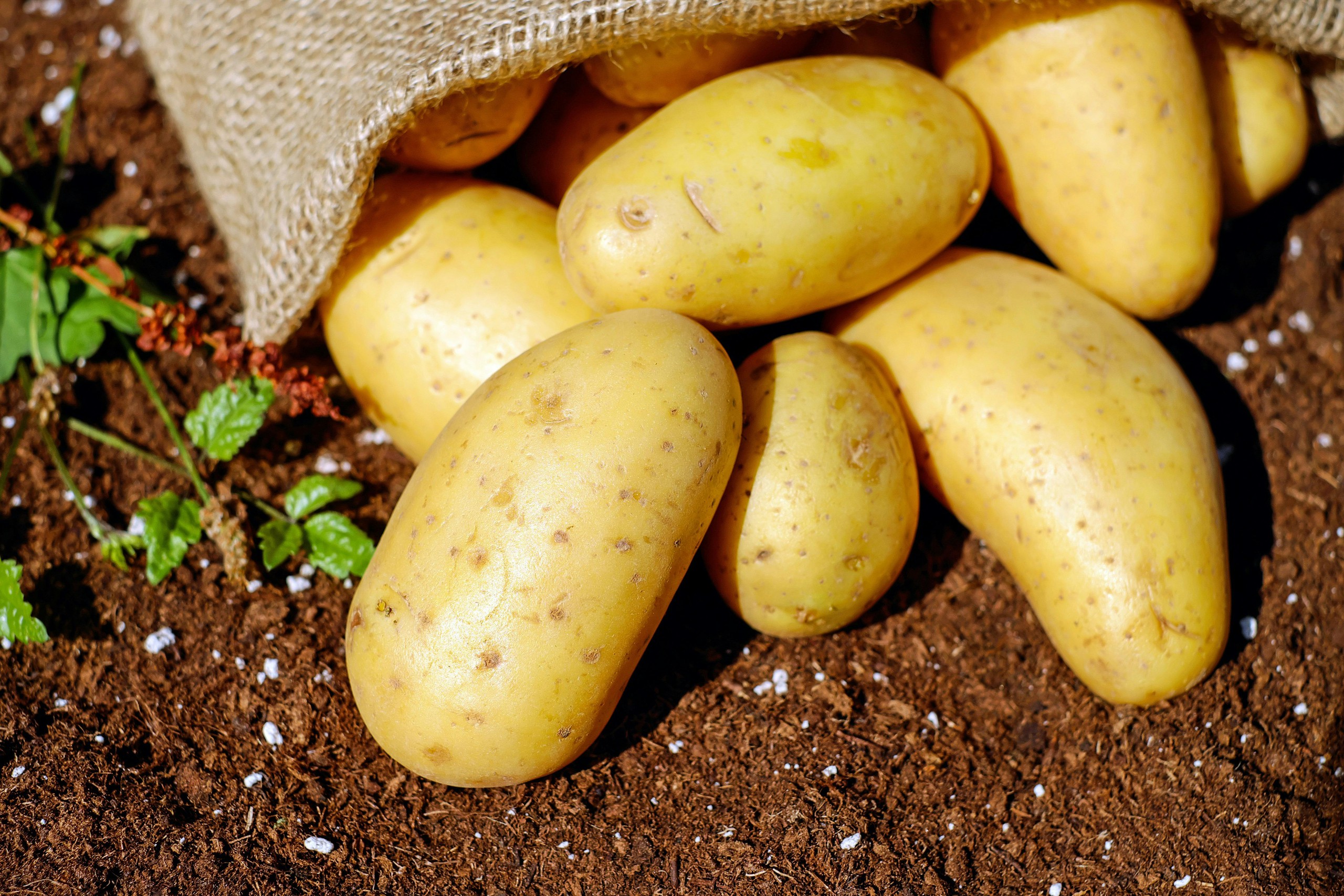
Each type of vegetable has its own characteristics, requiring a different washing method.
For vegetables with soil on the skin such as carrots and potatoes, you can use a special brush to scrub them clean. After washing, use a clean paper towel to dry them to completely remove the remaining water.
Each type of vegetable has its own characteristics, requiring a different washing method.
Leafy greens have many layers of leaves. To remove dirt and bacteria, discard the outermost leaves and then thoroughly wash each leaf under running water, gently rubbing to clean them.
For soft fruits like strawberries, you can place them in a colander and rinse under running water, then gently rub each fruit.
For fruits with hard skins like apples or pears, using a brush will help clean them more effectively, removing dirt that is deeply embedded in the skin.
You should wash fruits and vegetables immediately before using them. Washing them too soon can cause bacteria to grow back.
Can pesticides be removed from fruits and vegetables?
Although there's no way to completely eliminate pesticides from fruits and vegetables, we can still minimize the amount of residue using several methods.
First, peeling is an effective way to remove the outer layer that may contain pesticides. Additionally, scrubbing thoroughly with a brush and clean water will also help remove dirt.
Soaking vegetables in a baking soda solution also reduces the amount of residual pesticides.
For greater safety, you should prioritize buying organic vegetables, which are grown without the use of chemicals.
Source: https://thanhnien.vn/cach-rua-rau-xanh-ca-rot-khoai-tay-185241105200903801.htm































![[Video] The craft of making Dong Ho folk paintings has been inscribed by UNESCO on the List of Crafts in Need of Urgent Safeguarding.](https://vphoto.vietnam.vn/thumb/402x226/vietnam/resource/IMAGE/2025/12/10/1765350246533_tranh-dong-ho-734-jpg.webp)






























































Comment (0)