

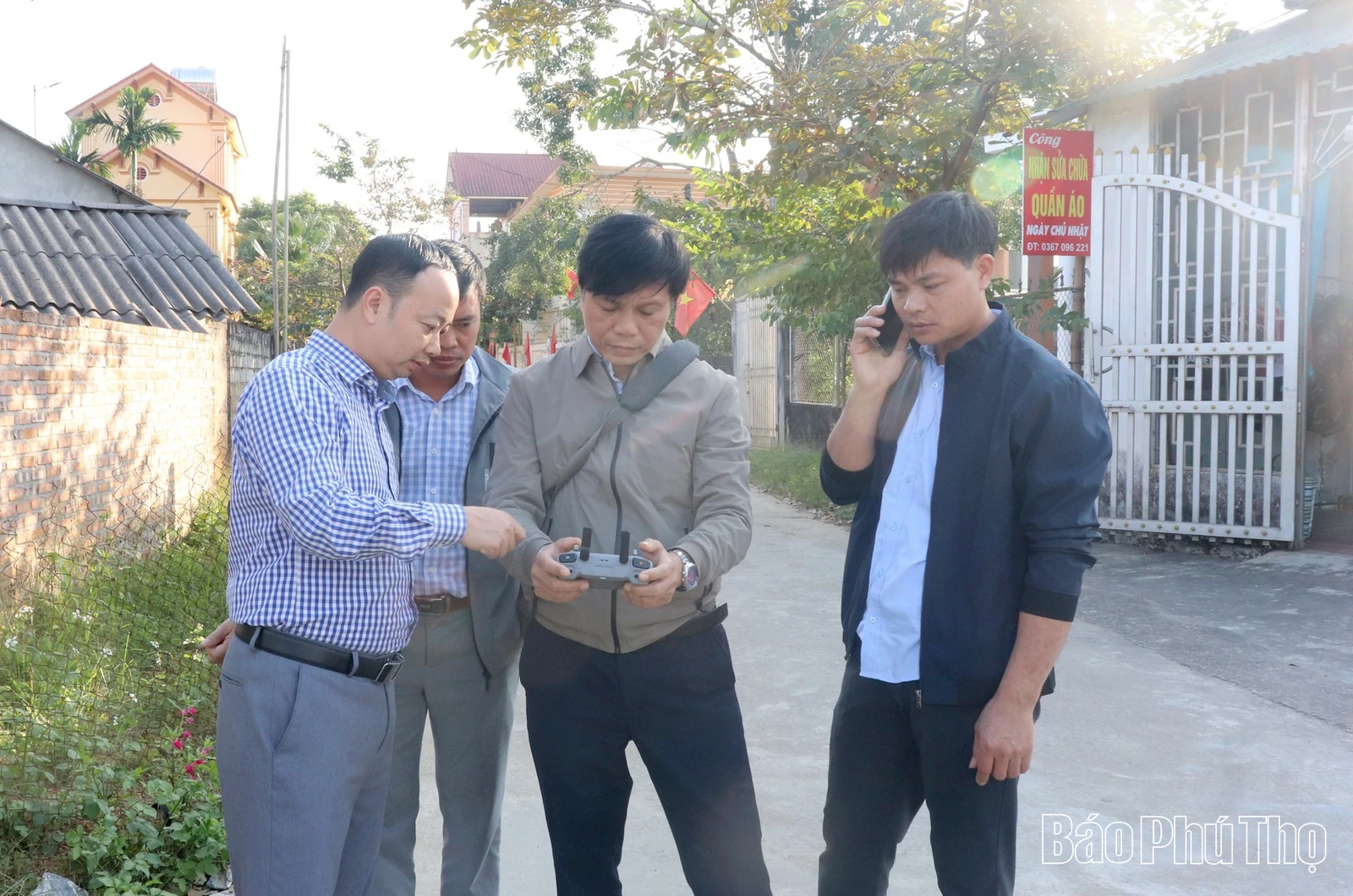
Van Ban commune strengthens land management using drone equipment.
The report on the implementation of socio -economic development tasks in 2025 by the Department of Agriculture and Environment clearly highlighted these persistent difficulties. Over the past period, the Provincial Party Committee, the Provincial People's Council, and the Provincial People's Committee have focused on leading and directing the review and resolution of obstacles, especially compensation for land clearance and resettlement, but the results have not been satisfactory. Specifically, the total area of land acquired and compensated for in 2025 reached 764.45 hectares, equivalent to 49.3% of the planned target.
For key projects, progress has been somewhat "modest," with only 65.83 hectares completed out of a planned 842.42 hectares. The slow pace of land clearance has led to many negative consequences, forcing relevant authorities to urge progress and even propose cuts and adjustments to the planned capital budget for some projects.
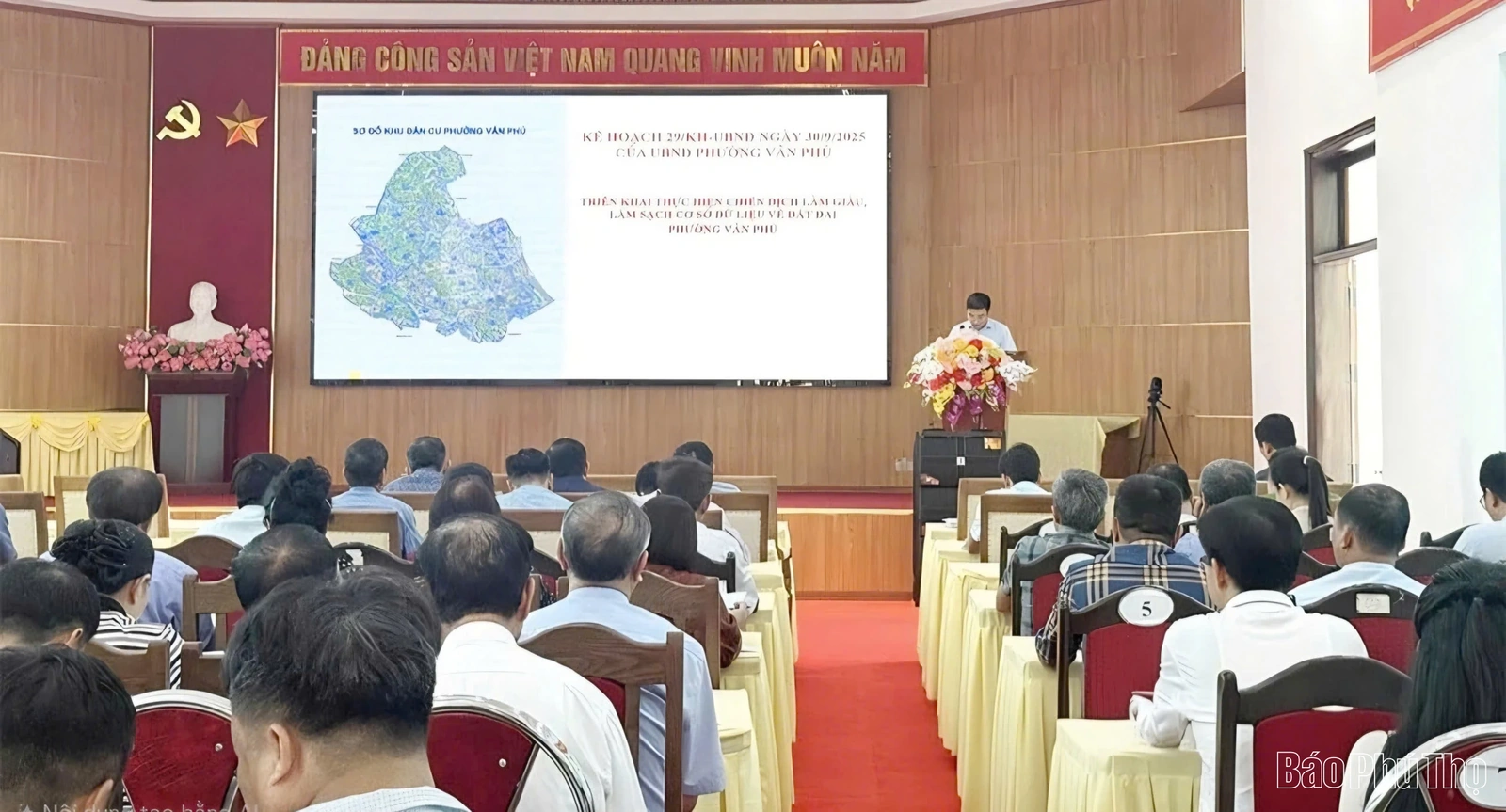
The People's Committee of Van Phu Ward organized a conference to launch the 90-day campaign to enrich and clean up the land database.
Obstacles in land clearance are not simply about agreeing on land prices, but also stem from systemic shortcomings in land management over many periods. According to the report, the root cause of the delays lies in the incompleteness of land management documents and records kept at the local level over the years, resulting in inaccurate land statistics and reports.
These shortcomings make the process of verifying land ownership, determining compensation and support prices difficult, prolonging administrative procedures, and directly affecting the rights of the people and the progress of investors.
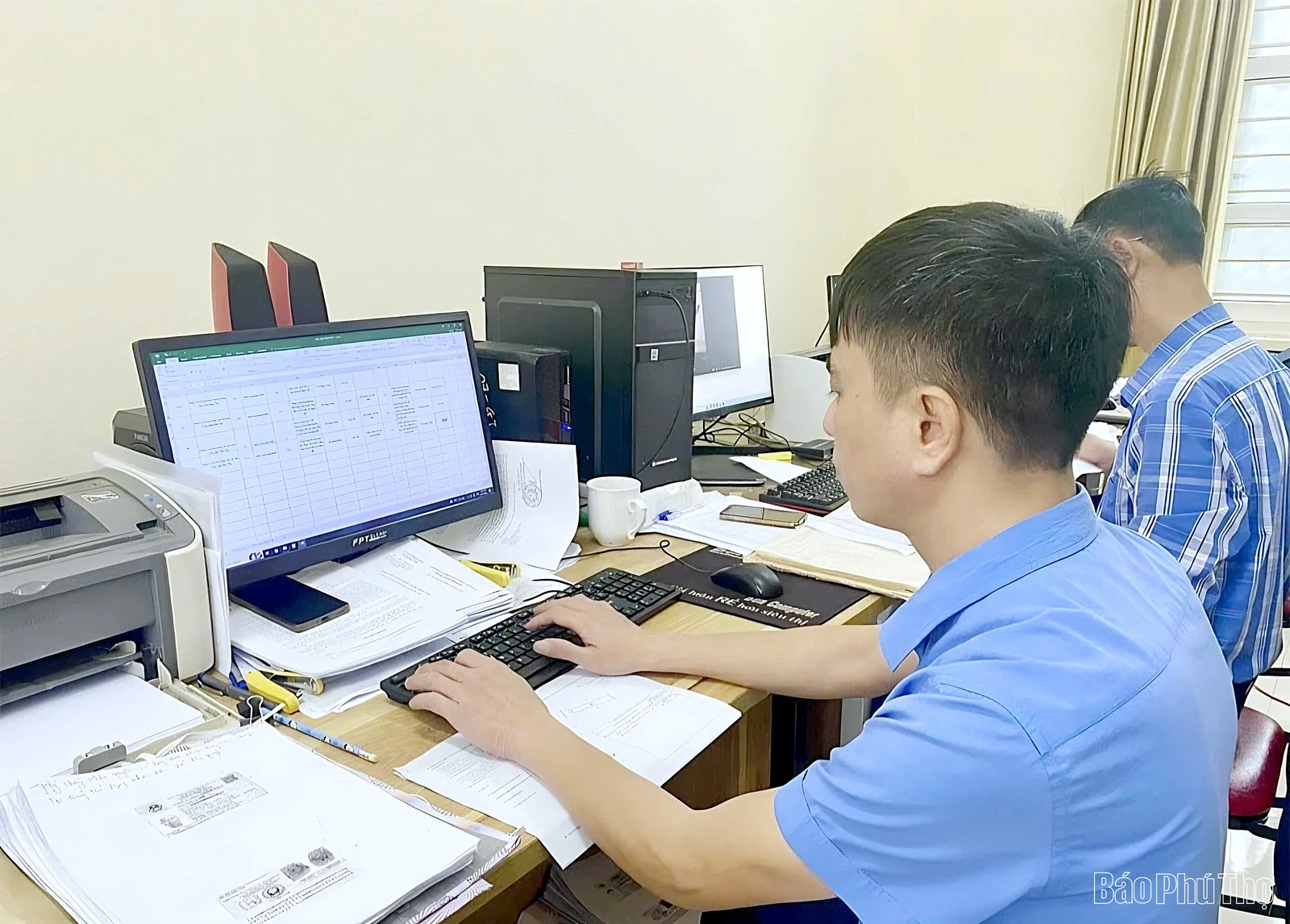
Officials from the Economic Department of Dan Chu commune are entering land data into the database.
Recognizing the problem, the Department of Agriculture and Environment has focused on fundamental solutions, especially strengthening the data foundation and legal policies for 2026. A breakthrough solution is the digitization and cleaning of land data to address the root cause of incomplete records. The province has focused on completing and digitizing the management of the land information system and cadastral records.
To date, the sector has built and put into operation a land database with 781,339 land parcels in 148 communes and wards, serving regular 24/7 access. The transparency of digital data is an important basis for shortening the time to verify land origin in land clearance.
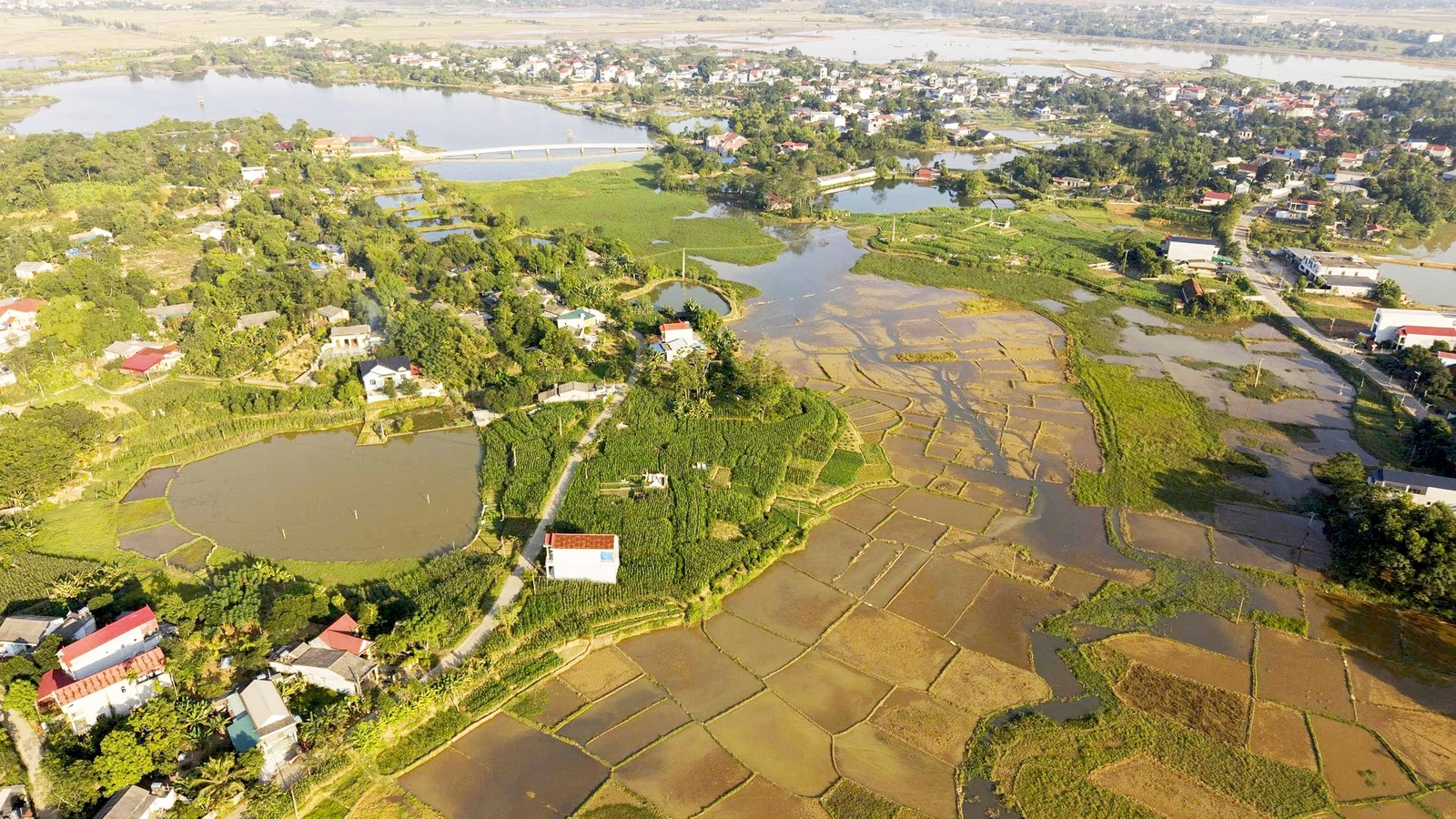
The agricultural sector has built and put into operation a land database with 781,339 land parcels in 148 communes and wards, serving regular 24/7 access.
Furthermore, to create a clearer and fairer legal framework, the province focused on advising and developing general policies regulating compensation, support, and resettlement. Regulations on land policies for ethnic minorities and the application of surplus land valuation methods were also reviewed. Alongside policy improvements, in 2025, the province also allocated resettlement land for 146 households/individuals with a total area of 3.24 hectares, demonstrating its concern for stabilizing the lives of affected people.
In the context of Phu Tho province aiming for a highly efficient, ecological, and circular agricultural sector by 2026, definitively resolving the "bottleneck" of land clearance, especially through digital tools and new institutional frameworks, is expected to be key to strongly attracting high-tech agricultural projects, creating new momentum for the province's sustainable development.
Le Hoang
Source: https://baophutho.vn/chia-khoa-thuc-day-cac-du-an-nong-nghiep-244120.htm


![[Photo] Prime Minister Pham Minh Chinh attends the Conference summarizing and implementing tasks of the judicial sector.](/_next/image?url=https%3A%2F%2Fvphoto.vietnam.vn%2Fthumb%2F1200x675%2Fvietnam%2Fresource%2FIMAGE%2F2025%2F12%2F13%2F1765616082148_dsc-5565-jpg.webp&w=3840&q=75)



























































































Comment (0)