

The ancient rubber forest in Dong Nai is considered a treasure, possessing not only historical value but also becoming a destination for scientific research on rubber trees.
When people think of Dong Nai , they think of its bustling industrial zones. Few know that this region also boasts a lush green "treasure": the more than 100-year-old rubber tree conservation area, a testament to Vietnam's rubber industry.
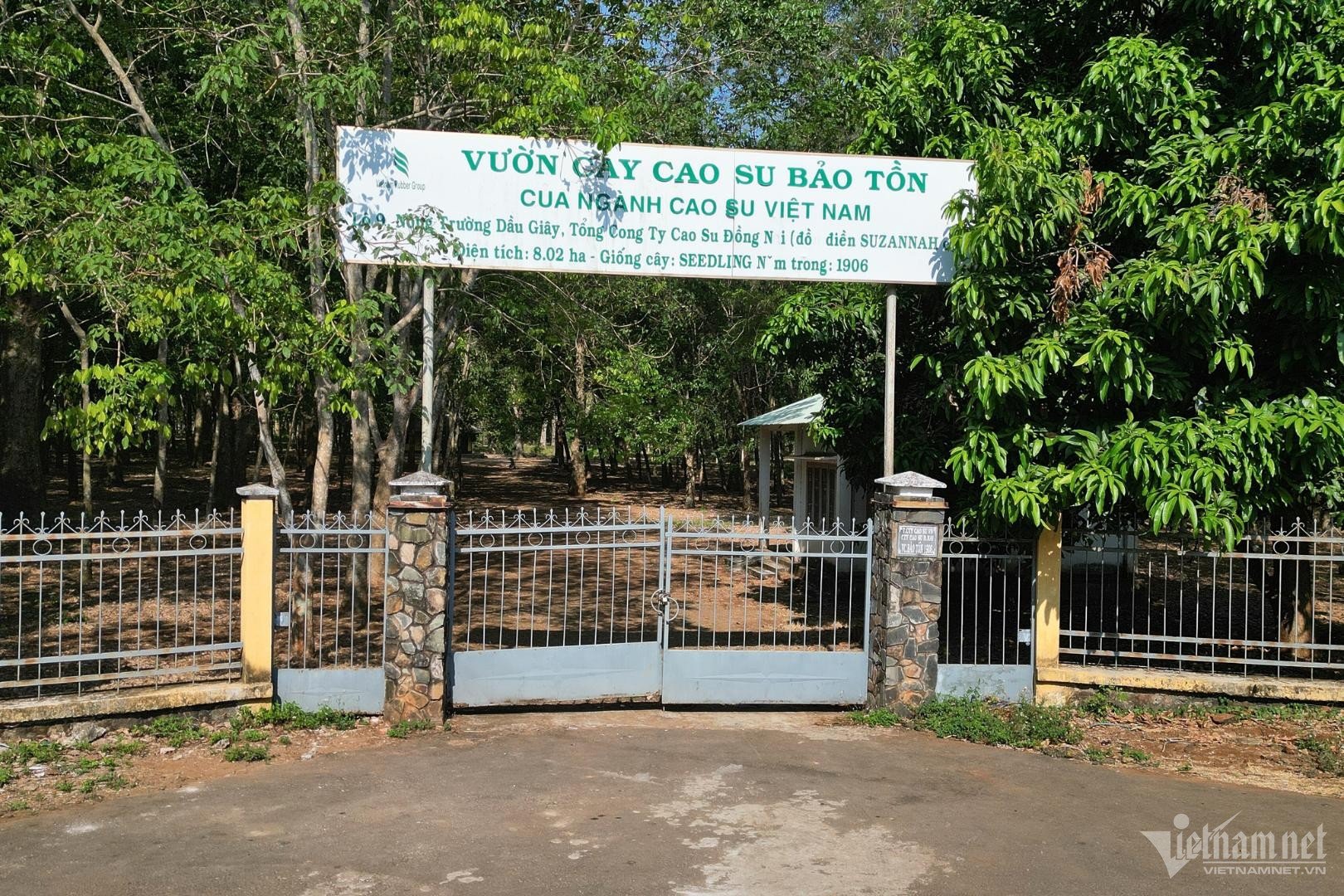 |
| The first rubber plantation in Vietnam. |
Nestled amidst the bustling town of Dau Giay in Thong Nhat district, the ancient rubber forest, 118 years old, possesses a unique and mysterious beauty, transporting visitors back in time. It boasts hundreds of giant rubber trees, each with a massive, gnarled trunk and roots tightly interwoven into the soil, creating a majestic natural landscape.
Stepping into the garden, faced with the enormous size of the ancient rubber trees, visitors feel as if they have been transported back in time to the beginning of Vietnam's rubber industry.
The air here is fresh and cool, the birds chirping and the leaves rustling create a soothing symphony of nature, helping visitors relax and feel a strange sense of peace.
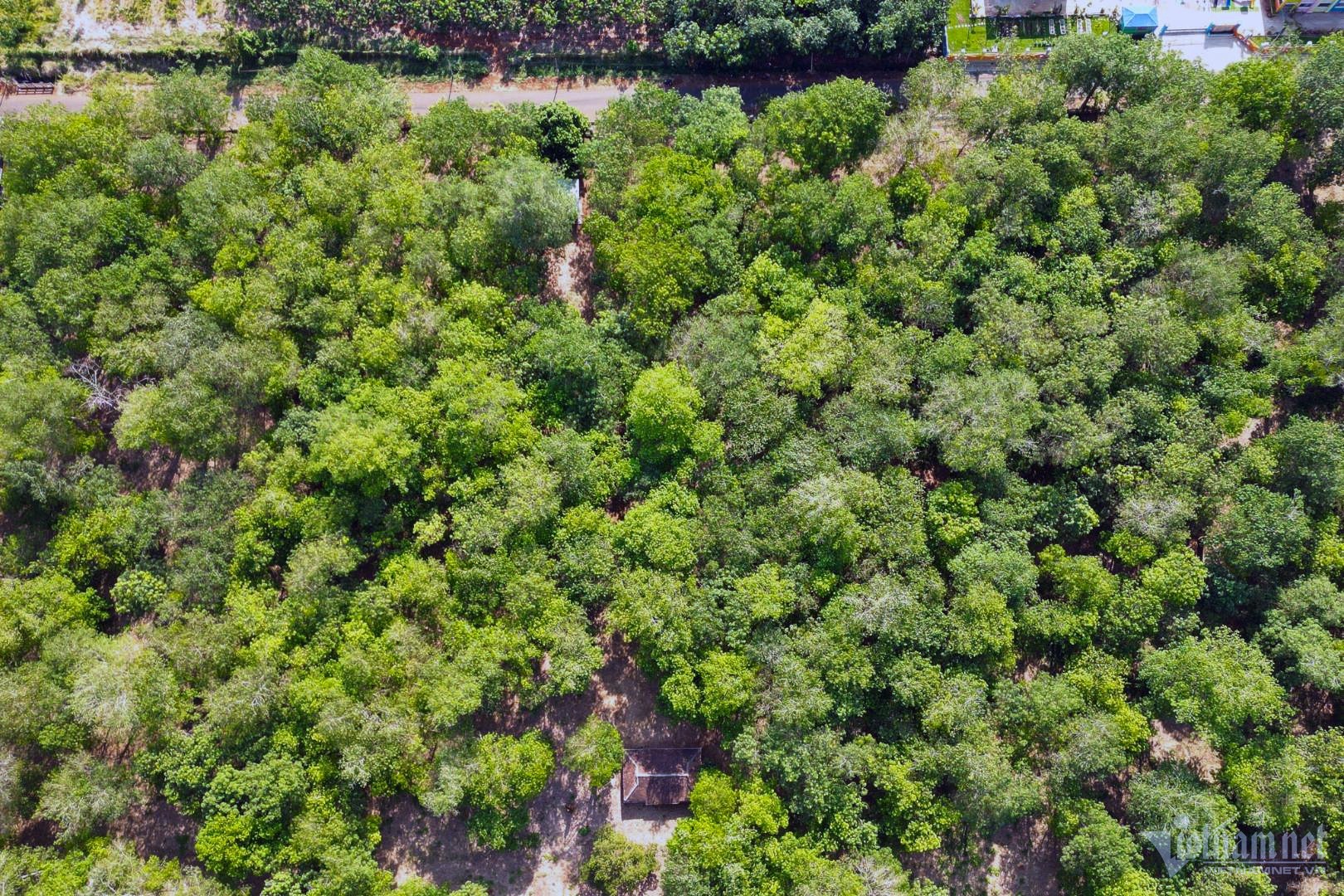 |
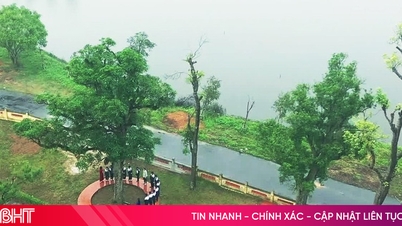
| The 118-year-old rubber plantation looks lush and green from above. |
According to some records, this ancient plantation was established in 1906 under the name Suzannah Plantation. Having weathered over 100 years of historical ups and downs, these old rubber trees still stand tall and majestic, symbolizing resilience and longevity.
This conservation garden for Vietnam's rubber industry covers more than 8 hectares and currently has 224 trees remaining out of a total of over 1,000 trees planted experimentally.
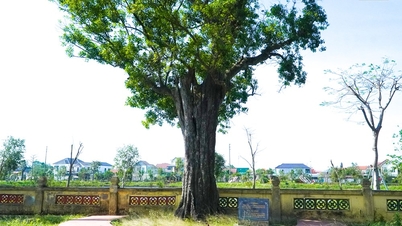
The unique feature of this ancient forest is the enormous size of the rubber trees, with trunk diameters ranging from 1-3 meters and heights of around 30 meters; some trees are so large that it would take several people to encircle them.
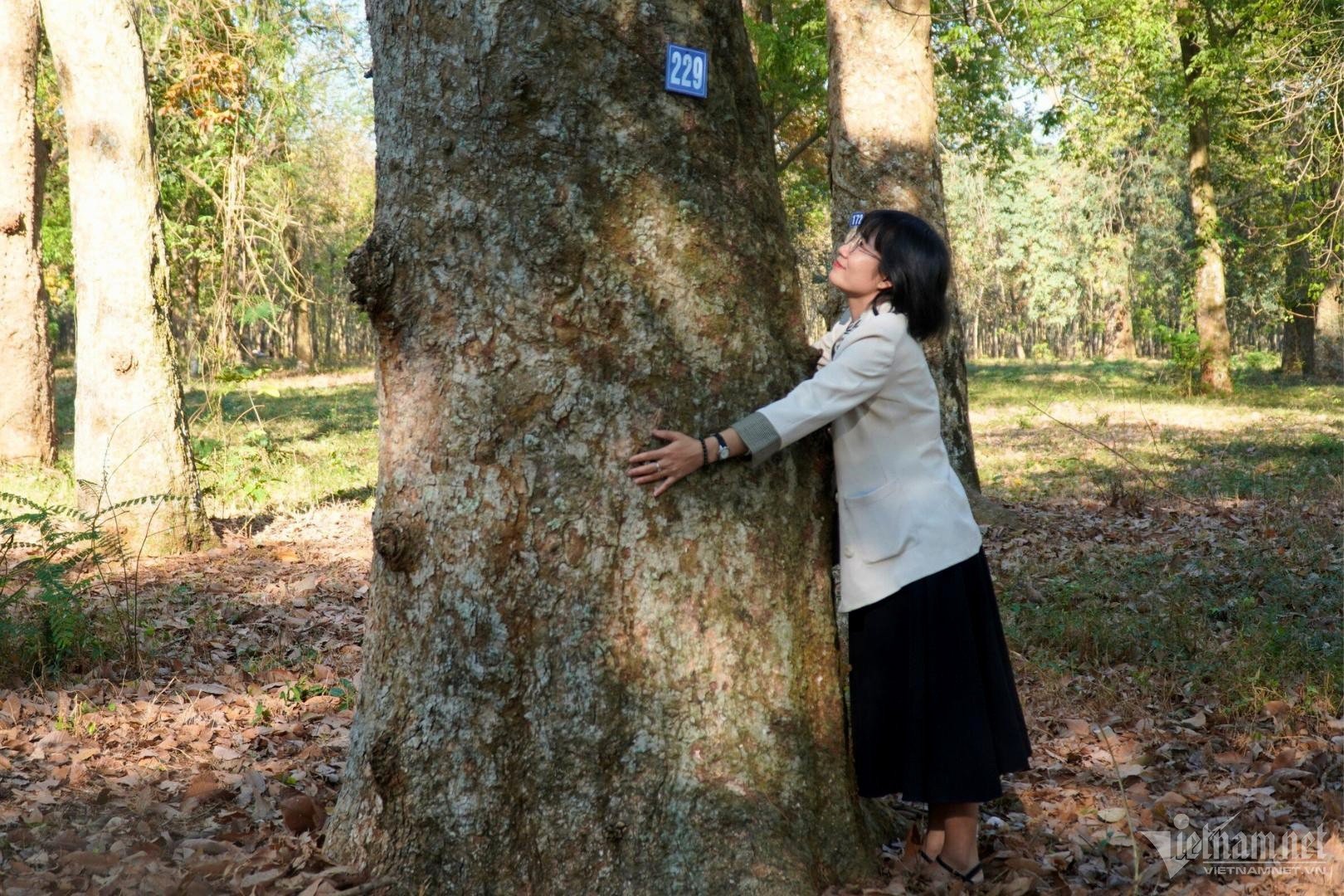 |
| A tourist couldn't wrap his arms around the trunk of a rubber tree that's over a century old. |
The rubber trees here are all seedlings, grown directly from seeds rather than through grafting. The seeds of the first rubber trees were collected from various sources, giving the forest a diversity of species and genetics. As a result, the rubber trees here are vigorous, adapt well to the soil and climate conditions, creating a unique forest ecosystem.
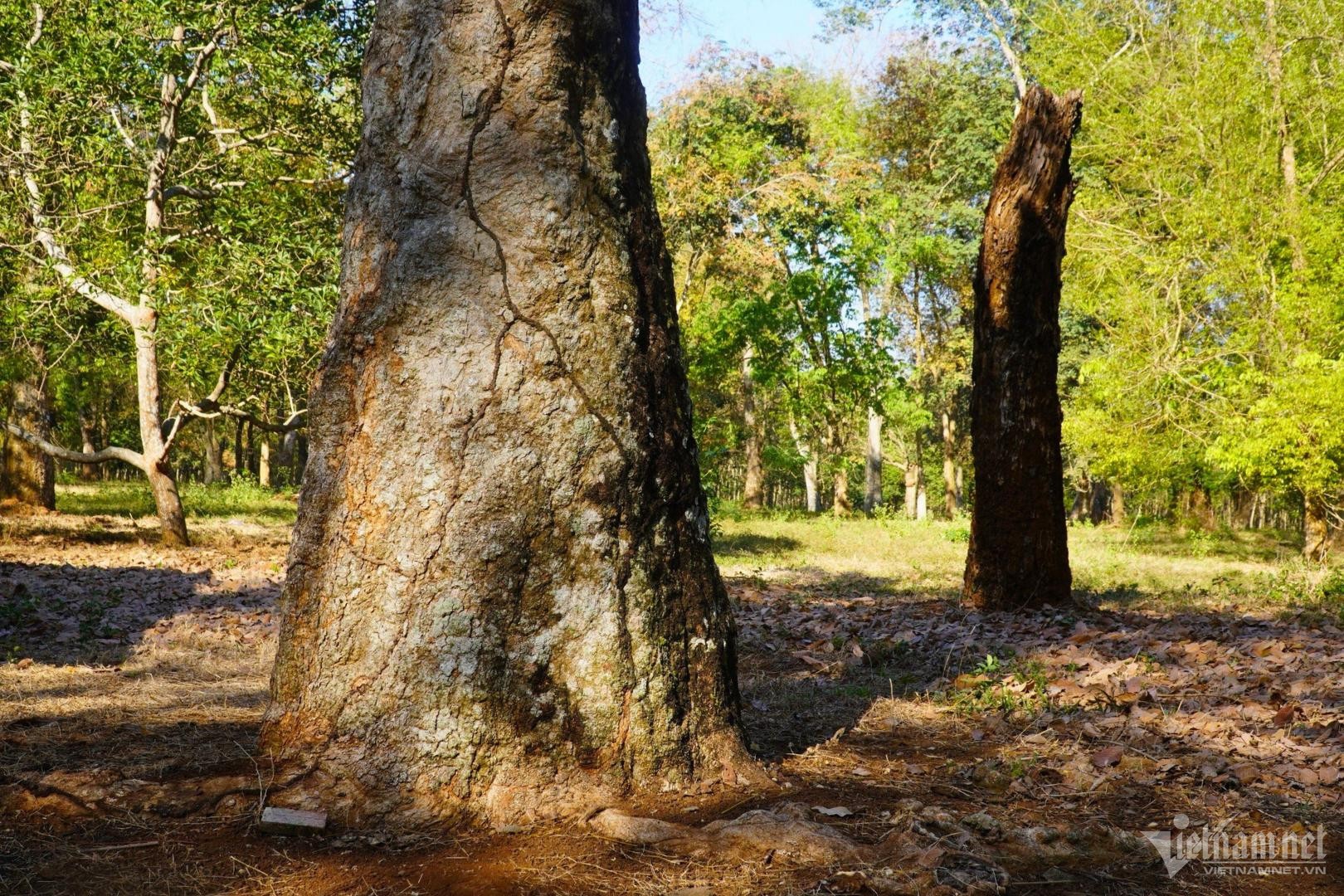 |
| The marks are etched on the trunk of a healthy rubber tree, and behind it stands a rotten rubber tree. |
In 1980, the rubber industry stopped harvesting "white gold" in this plantation to preserve it and use it for historical education for the younger generation. Currently, the plantation is also prioritized for maintenance, with the base of the trees being whitewashed to limit mold and disease-causing parasites.
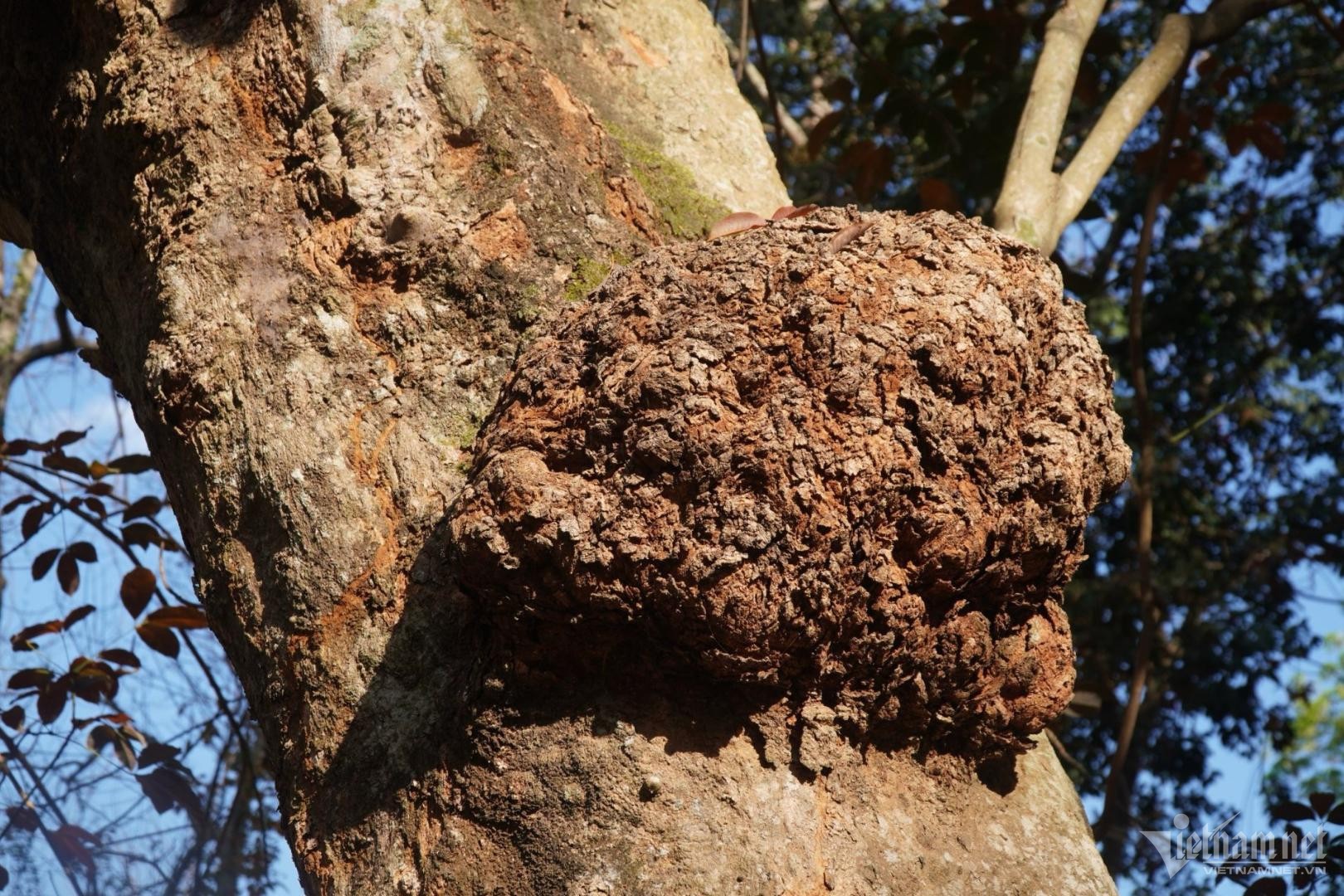 |
Mr. Nguyen Tuan Quang, Head of the Technical Team at An Loc Farm, said that to facilitate conservation and care, the management unit assigns sequential numbers to each tree. Every month, people are assigned to mow the grass, sweep, and care for the rubber tree plantation, which is over 100 years old.
"Many of the trees have rotted inside, but these rubber trees are still growing healthily," Mr. Quang said.
In addition to the above care measures, An Loc plantation also cooperates with relevant agencies to research and preserve this ancient rubber forest. It is expected to become a valuable tourist destination related to the rubber industry in the future.
According to our research, this was the largest plantation at the time. The first rubber workers were recruited from the northern and central regions, mainly from Quang Tri province. They were recruited to work here in difficult and arduous conditions.
In 1994, to protect the valuable old-growth forest, the An Loc rubber plantation was surrounded by a sturdy fence and guarded by a gate.
In 2009, this ancient garden was recognized as a provincial-level historical relic. This is a testament to its immense historical and cultural value, contributing to the rich cultural identity of Dong Nai province.
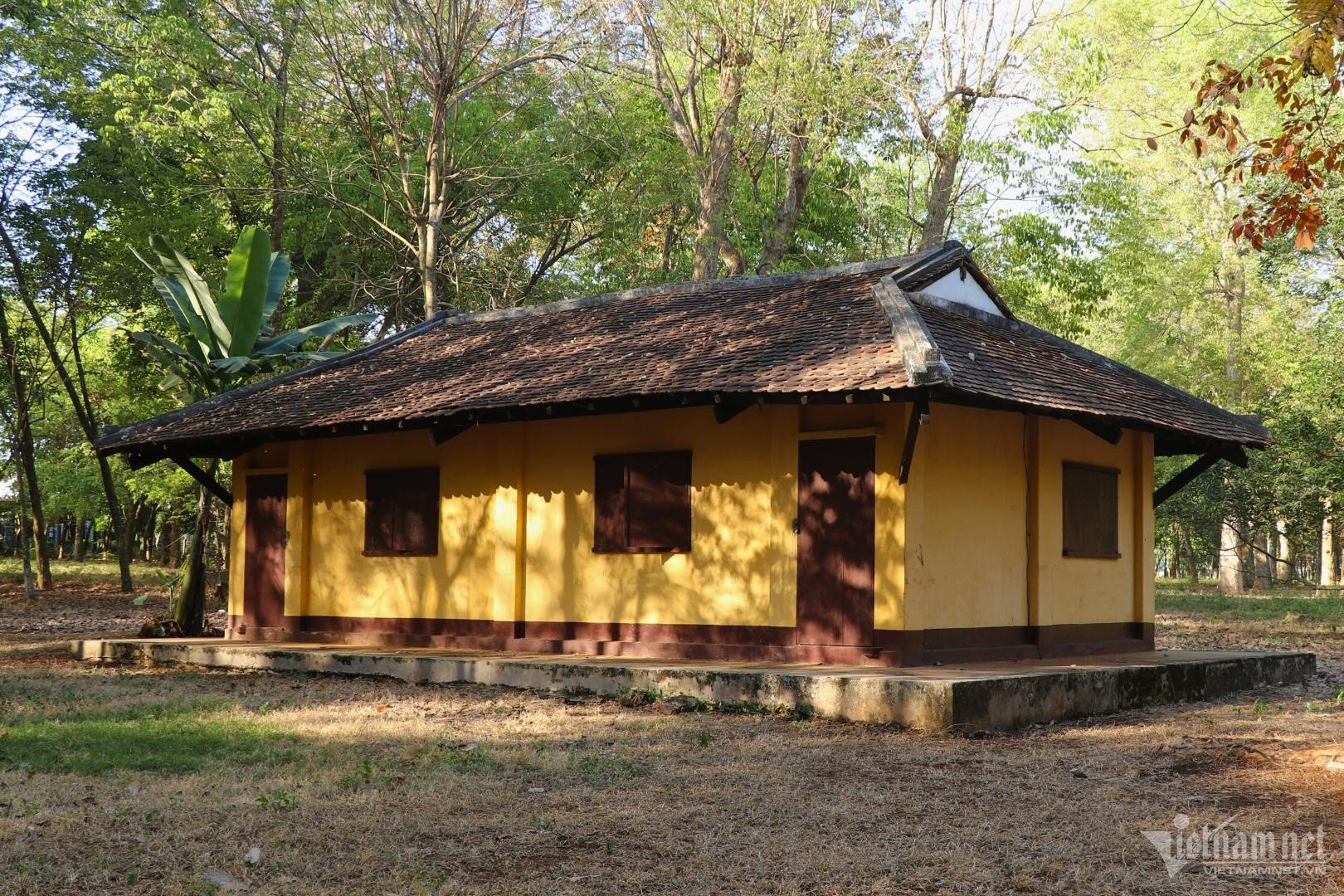 |
The workers' houses in the rubber plantation have been restored. |
In 2015, Dong Nai Rubber Corporation restored the workers' house right within the conservation area, giving visitors a more vivid and intimate view of the early years of the rubber industry.
Mr. Doan Van Dung was formerly a rubber tapper at the plantation. For the past two years, he has been assigned the additional task of caring for the conservation tree garden.
"The rubber trees in the plantation are all quite old. Therefore, they must be carefully cared for. When diseases are detected on the trees, we must report it to the farm and the company for treatment and preservation of the rubber trees," Mr. Dung shared.
With its immense historical, cultural, and scientific value, this ancient rubber plantation deserves to be the pride of Vietnam's rubber industry and a heritage that needs to be preserved for future generations.


According to Vietnamnet
Source: https://tienphong.vn/chiem-nguong-bau-vat-hon-mot-the-ky-an-minh-o-dong-nai-post1638182.tpo

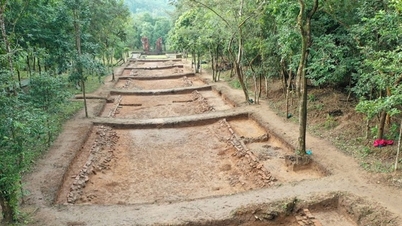
![[Image] Close-up of the newly discovered "sacred road" at My Son Sanctuary](/_next/image?url=https%3A%2F%2Fvphoto.vietnam.vn%2Fthumb%2F1200x675%2Fvietnam%2Fresource%2FIMAGE%2F2025%2F12%2F13%2F1765587881240_ndo_br_ms5-jpg.webp&w=3840&q=75)












































































Comment (0)