

Vietnam possesses a rich treasure trove of tangible and intangible cultural heritage, including historical sites, festivals, folk art, traditional crafts, and cuisine of its 54 ethnic groups. This is a crucial resource for developing distinctive tourism products that both preserve national identity and promote economic development.
Many cultural heritage sites of ethnic minorities are deteriorating, being exploited spontaneously, communities lack autonomy, management personnel and young artisans are limited, and tourism products have not fully showcased the regional identity.
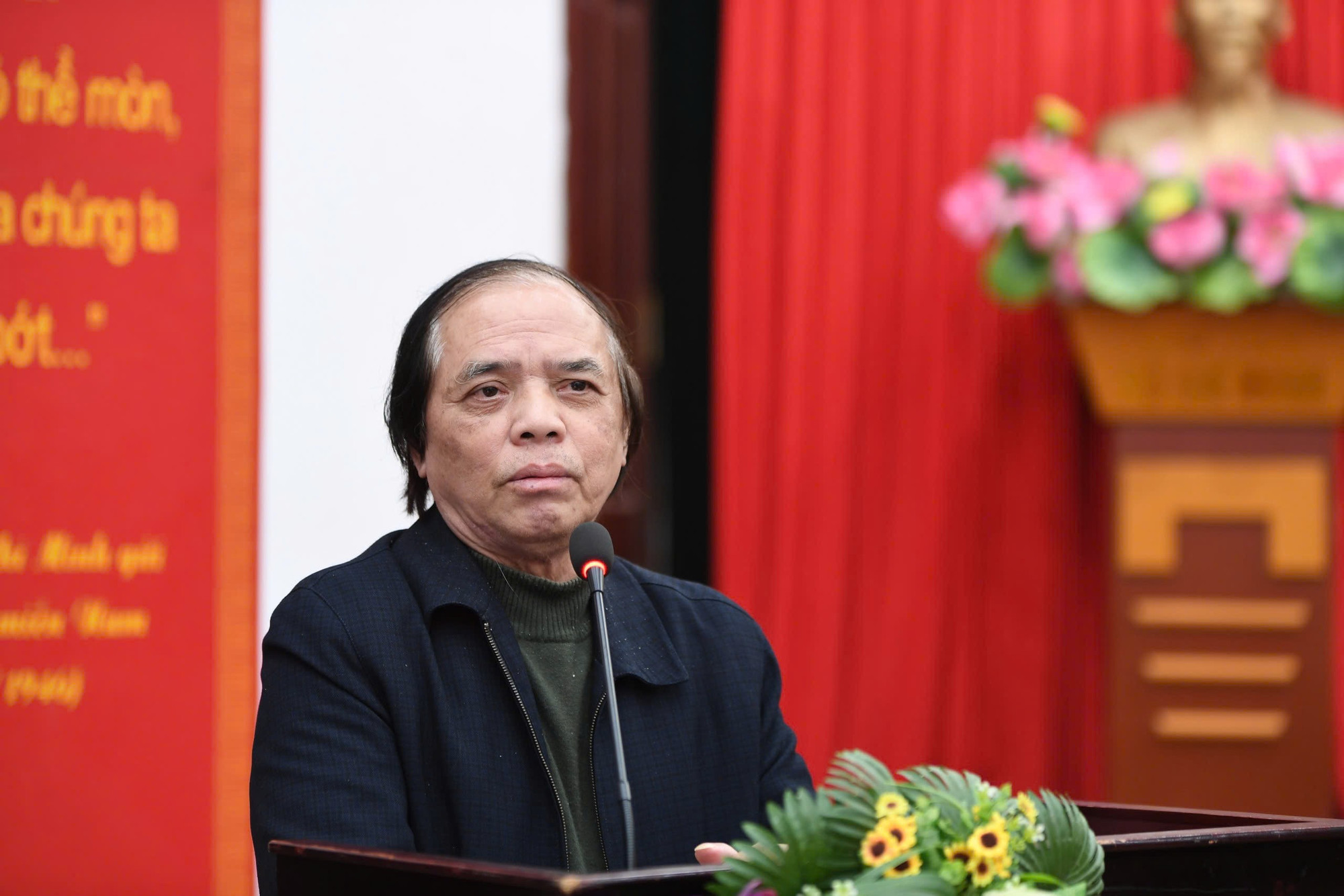
Professor-Doctor Bui Quang Thanh from the Vietnam Institute of Culture, Arts, Sports and Tourism shared with a reporter from VietnamPlus online newspaper some solutions to promote national culture and create a foundation for local tourism development.
'Treasure trove' of cultural heritage
- Sir, what is your assessment of the current efforts to preserve and promote national culture?
Professor-Doctor Bui Quang Thanh: The community of 54 ethnic groups is always proud of its enormous cultural heritage, diverse in identity and rich in value, created, preserved, and passed down to future generations by our ancestors.
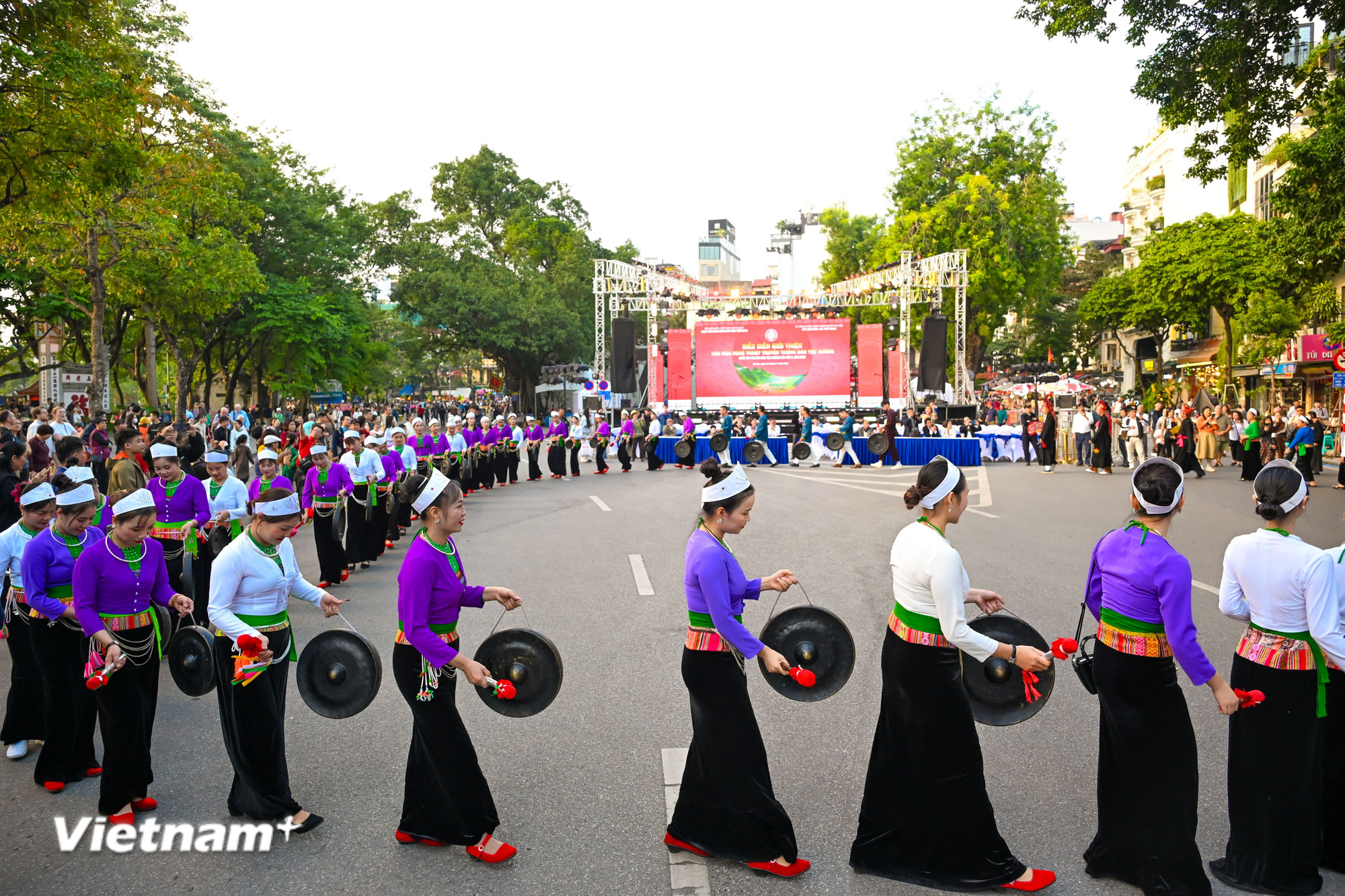
The cultural heritage of the multi-ethnic Vietnamese nation also includes a vast system of intangible cultural heritage with customs, traditions, customary laws, village regulations, performing arts, fine arts, folk architecture, handicraft products, and more.
Meanwhile, villages across the country still possess tens of thousands of other tangible and intangible cultural heritage sites that, although not yet officially classified, have been and continue to be a spiritual anchor and an important cultural resource contributing to the development of community cultural institutions. These sites are cherished and preserved by the community, becoming environments for practicing cultural beliefs that have positive value for socio-cultural life.
Our Party and State have a deep understanding of national cultural issues and the exploitation, preservation, and promotion of national cultural identity values, and have early on oriented the development of cultural tourism in particular and national cultural development in general.
However, looking at the current situation in most regions, it must be seriously and objectively acknowledged that the preservation, restoration, and development of cultural products with diverse heritage values of ethnic groups within a multi-ethnic nation through tourism, or the exploitation of heritage values to develop the "non-polluting industry" in our country, have not yet achieved the desired goals and effectiveness.
- Can you offer some insights into the cultural tourism products of ethnic minorities?
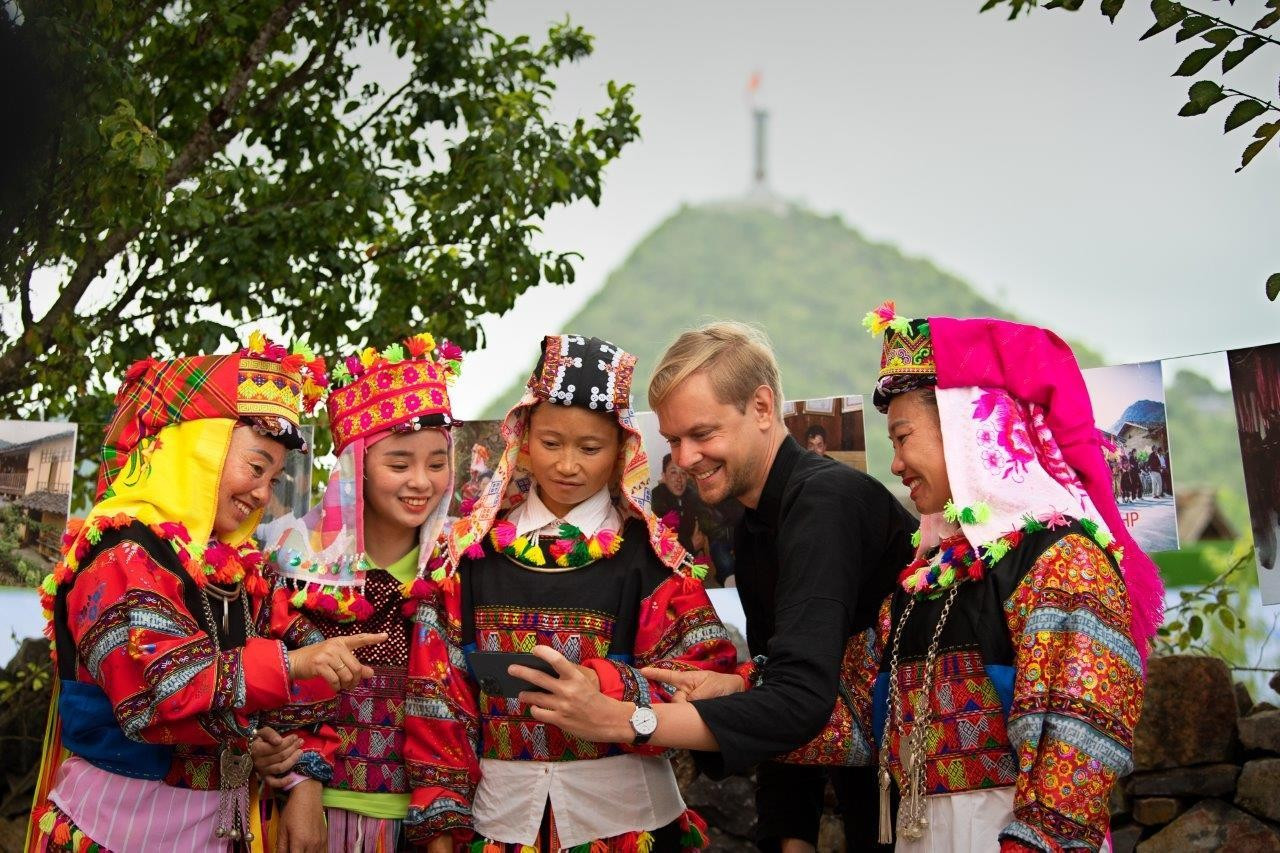
Professor-Doctor Bui Quang Thanh: In any region of the country, ethnic minorities have created and passed down a rich treasure of heritage, expressed through historical and cultural relics, folk culture, festivals, customs, traditions, cuisine, indigenous knowledge, costumes, folk games, folk performances, all bearing the unique identity of their ethnic culture. And it is truly unique that each region and sub-region has cultural heritage and cultural products that reflect the distinctive characteristics of the representative ethnic groups.
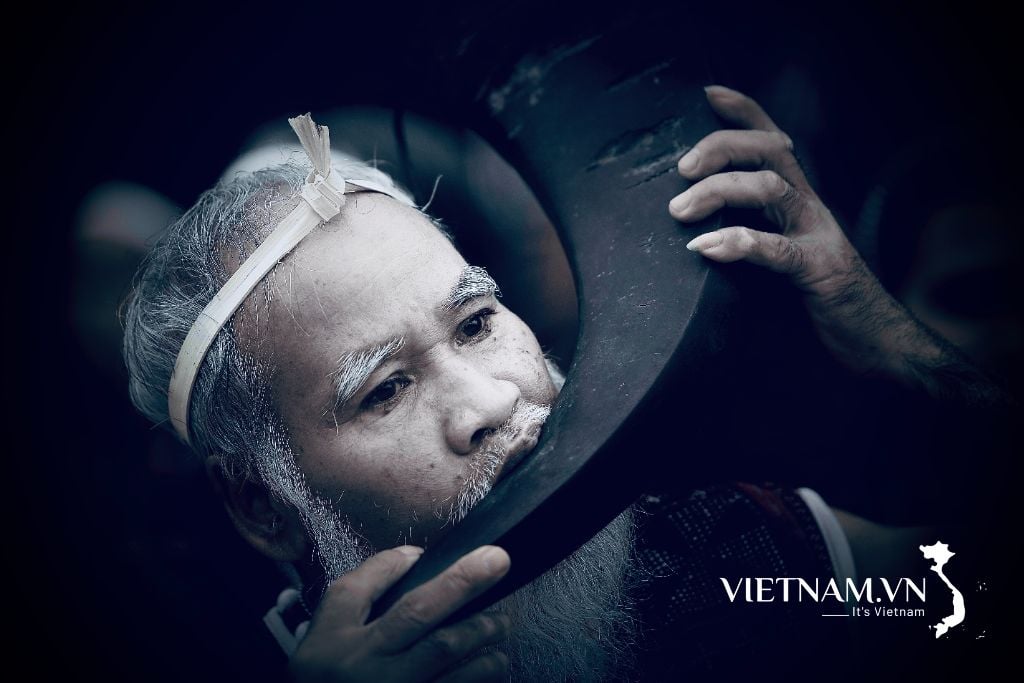
I'll give some examples: the Viet Bac region with its captivating Tay-Nung, Cao Lan-San Chi, and Mong-Dao cultures; the Northwest region with its captivating Mong-Dao-Thai cultures; the Central region with its captivating Muong, Thai, and Cham cultures; and the Truong Son-Central Highlands region with its captivating gong culture of the Ba Na, M'nong, Ede, and Gia Rai ethnic groups…
We have a valuable and solid foundation that supports the development of tourism in general and the development of unique cultural tourism products of ethnic minorities in particular. However, reality shows that promoting heritage values through tourism, including the task of exploiting and promoting these values to develop cultural tourism products in Vietnam, has not yet achieved the desired effectiveness.
Developing local tourism brands
- In your opinion, what are the reasons behind this situation?
Professor-Doctor Bui Quang Thanh: To date, most villages directly or indirectly involved in tourism (managing historical and cultural relics, organizing community tourism - homestay, protecting sacred forests and water sources, practicing religious beliefs, etc.) have not yet developed long-term plans or strategies for promoting the development of specific cultural tourism products that are suitable for the locality and ethnic culture. The cultural management team lacks a deep understanding of the role and value of cultural tourism products, which are both familiar and unique, yet easily overlooked.

Furthermore, the indiscriminate, spontaneous, and hasty exploitation of heritage sites in the process of promoting them with the goal of quick profits has been and continues to threaten the sustainability of these sites.
In most areas inhabited by ethnic minorities and mountainous regions, there has been a tendency to prioritize economic development (private sector, local economy), lacking investment from tourism in the process of protecting and restoring historical sites, providing support for festivals and religious practices, and protecting existing heritage spaces in accordance with the Law on Cultural Heritage and the Law on Beliefs and Religions.
Meanwhile, attention to human resources remains weak, especially the generations of artisans and those professionally trained in tourism guiding.
- Can you offer some solutions to help preserve and promote the historical and cultural values of ethnic minorities in our country, contributing to the development of cultural tourism products and the implementation of the Cultural Industry Development Strategy?
Professor-Doctor Bui Quang Thanh: In my opinion, the first step is to strengthen the trust and pride of ethnic minority communities in their traditional cultural heritage values through respect for the history, language, writing system, and tangible and intangible cultural heritage of each ethnic community. The State and provincial authorities should effectively implement policies to honor outstanding artisans in the cultures of ethnic minorities.
Alongside this is the need to raise the intellectual level and awareness of the people. This involves gradually forming a team of management staff, technical workers, and intellectuals from ethnic minority groups; developing strategies, plans, and action plans for the development of cultural tourism products reflecting the unique cultural identity of ethnic groups at destinations, regions, and areas; and organizing implementation to create and market tourism products, aiming to establish local tourism brands.
In the process of development, we need to build and protect the cultural environment of local areas. This set of solutions includes protecting traditional social organizational structures in villages; organizing the collection, research, publication, and promotion of tangible and intangible cultural values in the cultures of ethnic groups; and building and improving basic cultural institutions in ethnic minority areas.
Thank you very much, sir.
Source: https://www.vietnamplus.vn/lay-ban-sac-van-hoa-dan-toc-lam-diem-tua-de-phat-trien-du-lich-dia-phuong-post1082821.vnp


![[Image] Close-up of the newly discovered "sacred road" at My Son Sanctuary](/_next/image?url=https%3A%2F%2Fvphoto.vietnam.vn%2Fthumb%2F1200x675%2Fvietnam%2Fresource%2FIMAGE%2F2025%2F12%2F13%2F1765587881240_ndo_br_ms5-jpg.webp&w=3840&q=75)








































































Comment (0)