

According to the Ninh Binh Provincial Planning for the period 2021-2030, with a vision to 2050, recently approved by the Prime Minister, Ninh Binh province identifies cultural industry and tourism as its key priorities.
The province aims to become a centrally-governed city by 2035, characterized by its millennium heritage status and its status as a creative city.
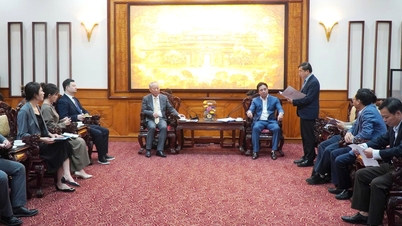
At a meeting between Ninh Binh province leaders and the Association of Vietnamese Scientists and Experts Global (AVSE Global) last weekend, Ninh Binh Provincial Party Secretary Doan Minh Huan affirmed that, with a development orientation and perspective towards "Green, sustainable, and harmonious," Ninh Binh province focuses on four "transformations": asset transformation of heritage, museum transformation of heritage, film studio transformation of heritage, and heritage park transformation; shifting from agricultural economic integration to deep economic integration.
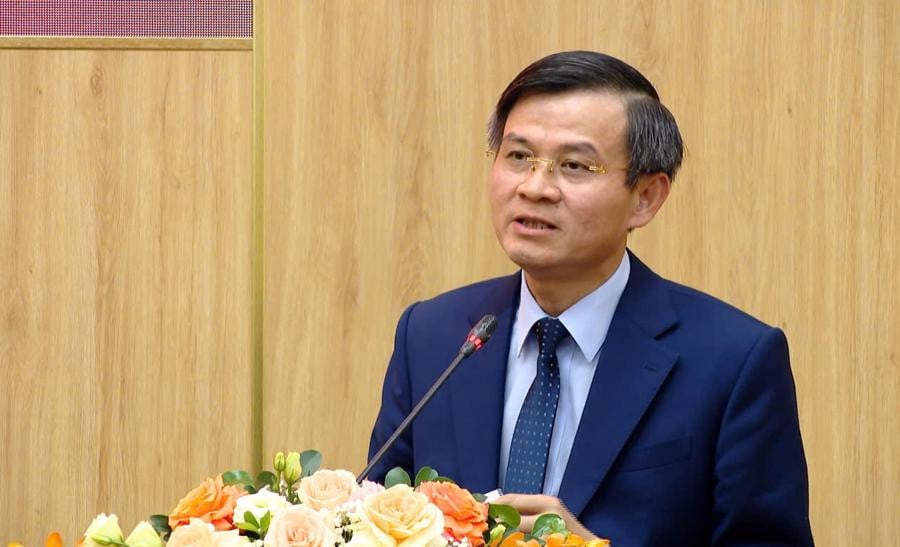
Mr. Doan Minh Huan stated that Ninh Binh's distinct advantage compared to the other 62 provinces and cities nationwide is the close and harmonious blend of cultural and natural heritage recognized by UNESCO. It is also the only locality in Southeast Asia to be honored by UNESCO in both natural and cultural heritage fields.
However, the Secretary of the Ninh Binh Provincial Party Committee pointed out the reality that the locality has only exploited raw products and lacks refined products, such as combining cultural and tourism elements with science and technology to create a unique identity for Ninh Binh tourism.
"Because Ninh Binh has lacked a creative cultural industry, its development has revolved around tourism rather than a creative cultural industry. The province identifies its top resource as heritage, including natural and cultural heritage, but to transform it into a heritage economy, it must apply science and technology to the restoration of the ancient capital's culture," Mr. Huan said.
At the meeting, Professor Nguyen Duc Khuong, Chairman of AVSE Global, stated that Ninh Binh's strengths in geographical location, natural resources, and cultural history will be a solid foundation for entering a new cycle of rapid, sustainable, and responsible development; a modern, magnificent, friendly city in harmony with nature.
Experts and scientists also shared insights and suggestions on development directions and trends in green space planning and circular economy development; they also recommended issues related to planning smart buildings and infrastructure, applying information technology, and ensuring cybersecurity.
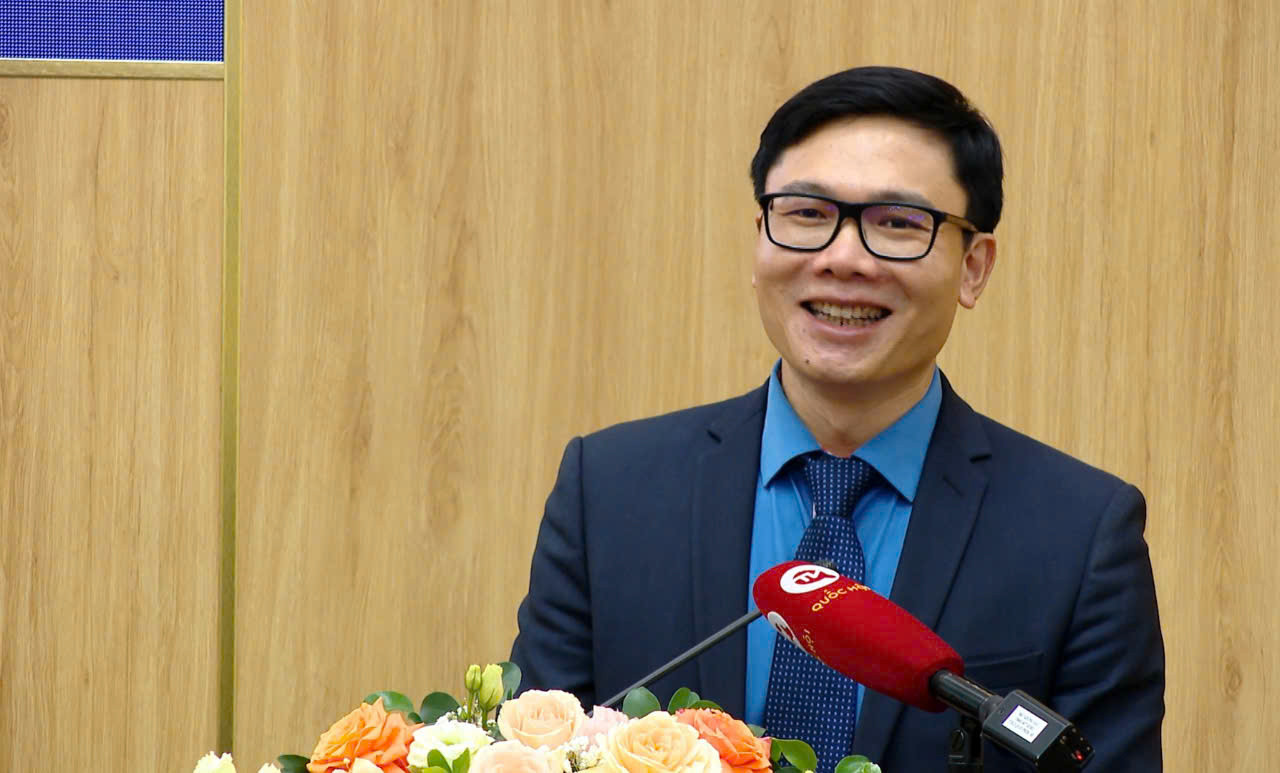
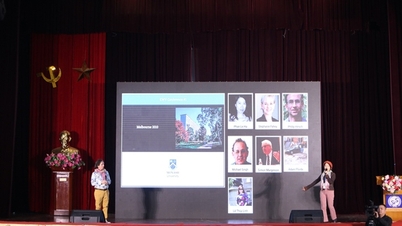
Associate Professor Dr. Dinh Thanh Huong, Director of Knowledge and Projects at AVSE Global, and also the French Finance Director, Financial Services and Investment, BNP Paris, proposed a development strategy for Ninh Binh in the coming period based on the word "DINH," a common family name in Ninh Binh (Dinh family).
These are four elements: D ( Digitalization ), I ( Innovation ), N ( Nature & Heritage), and H ( Human ).
With its vision of becoming a global city, experts recommend that Ninh Binh should pay special attention to exploiting its cultural and natural values in a way that focuses on quality, and on iconic projects and constructions.
In addition, the plan includes establishing carbon emission reduction standards, developing Net Zero tourism, and establishing the province as a center for domestic and international events, becoming a cultural exchange hub not only in Vietnam but also worldwide.
“Ninh Binh’s tourism development cannot rely solely on capital because it cannot compete with the world. It can only rely on what the province already has, plus factors of innovation and human resources. Vietnam has a national tourism brand, but the local touchpoints are limited, so it cannot retain tourists. Living heritage is the key factor in attracting visitors,” said Ms. Pham Minh Huong, Chairwoman of the Board of Directors of VnDirect Securities Joint Stock Company.
Experts also emphasized that Ninh Binh needs a high-quality internet network covering the entire city in the future; an online public administration management system; and upgrades to its electronic portal and mobile applications.
In addition, it is necessary to develop smart tourism, applying virtual reality and augmented reality technologies; applying blockchain in tracing the origin of agricultural products; and fostering an innovative startup ecosystem. This should be linked to biodiversity; conservation and development of natural heritage; community engagement; and raising awareness and international cooperation.
Source: https://vietnamnet.vn/chuyen-gia-avse-global-khuyen-nghi-ninh-binh-phat-trien-theo-chu-dinh-2313194.html















![[Photo] Prime Minister Pham Minh Chinh holds a phone call with the CEO of Russia's Rosatom Corporation.](/_next/image?url=https%3A%2F%2Fvphoto.vietnam.vn%2Fthumb%2F1200x675%2Fvietnam%2Fresource%2FIMAGE%2F2025%2F12%2F11%2F1765464552365_dsc-5295-jpg.webp&w=3840&q=75)














































Comment (0)