

To save time and money on daily expenses, 27-year-old Ms. Zhang from Beijing, China, has developed a habit of shopping once and preparing enough food for several days. She then stores it in the refrigerator for later use.
Even when she's on long business trips, upon returning home, she still takes out leftover food from the refrigerator to satisfy her hunger.

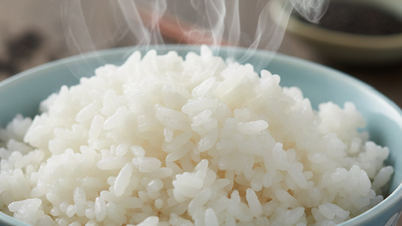
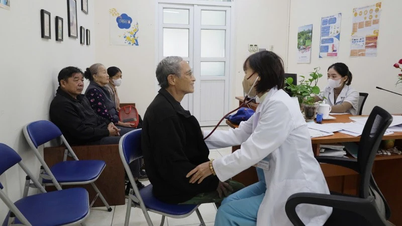
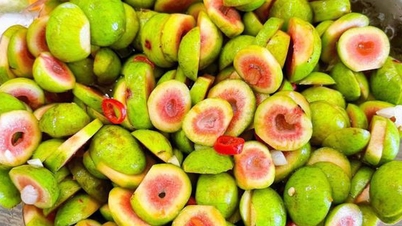
Illustrative image
Some time ago, she experienced upper abdominal pain, bloating, and nausea, thinking it was due to irregular eating habits, so she just bought some medicine to take without paying much attention to it. It wasn't until recently, when her nausea and vomiting became increasingly severe, that she decided to go to the hospital.
After examination, a 2x3cm tumor was discovered in her stomach. Following a biopsy, she was diagnosed with stomach cancer. Knowing her medical history, the doctor sighed and said that her illness was likely related to Ms. Zhang's long-term consumption of foods that had been stored in the refrigerator for extended periods.
According to doctors, stomach cancer is currently one of the five most common cancers globally. If detected in the early stages, when the tumor is just forming, stomach cancer can be cured in over 90% of cases.
5 warning signs of stomach cancer
Stomach cancer causes pain.
Pain from benign stomach conditions like gastritis and stomach ulcers is common; for example, stomach ulcers typically cause pain about an hour after eating. If this pattern changes, you should be wary as it may have become malignant.
Stomach cancer can cause sudden weight loss.
Stomach cancer significantly reduces a patient's ability to absorb nutrients, leading to substantial weight loss in a short period and causing symptoms such as loss of appetite, diarrhea, and fatigue.
A lump appears in the upper abdomen.
If you notice a hard, painful, pressing mass in the stomach, you should pay close attention, as it could be stomach cancer.
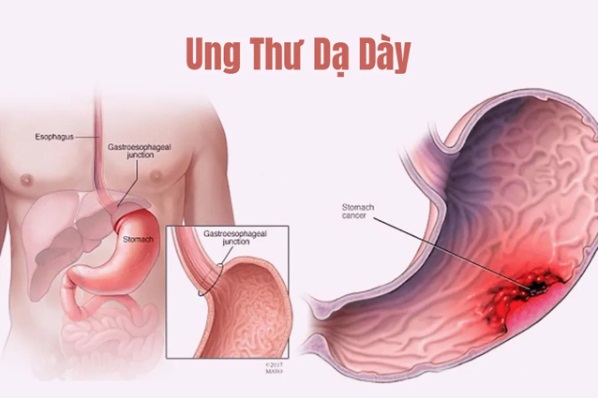
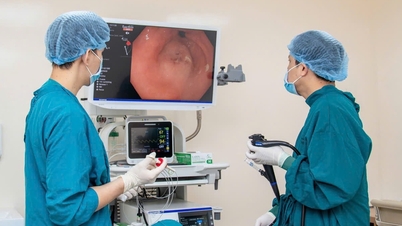
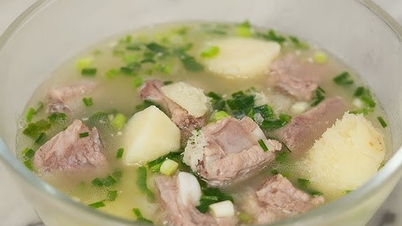
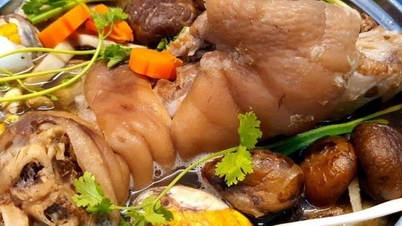
Illustrative image
Heartburn, acid reflux
Heartburn is usually located below the breastbone, causing a burning sensation, while acid reflux is when stomach acid flows back into the mouth, causing noticeable discomfort.
Black stool
If you experience unexplained and persistent black stools, it could be a sign of stomach ulcers or cancer, and you should seek medical attention promptly.
5 groups of people at risk of developing stomach cancer
People with bad eating habits
Regularly consuming salty foods, grilled or fried foods, and foods that have been stored for a long time, such as smoked or pickled foods, and foods high in salt, often results in a higher risk of stomach cancer compared to those who have a bland and light diet.
People with digestive problems
Stomach cancer is more common in people with pre-existing stomach conditions, such as a history of stomach surgery, chronic stomach pain or ulcers, or Helicobacter pylori (HP) infection.
Smokers
Smoking is one of the habits that the majority of people with stomach cancer continue to maintain. At K Hospital, most men with stomach cancer are smokers. This can be considered a risk factor for this disease.
Men over 40 years old
Of those diagnosed with stomach cancer, 96% are aged 40 or older. Men are approximately twice as likely to develop stomach cancer as women.
The family has a history of stomach cancer.
If there is a family history of cancer, the risk of developing related cancers is higher.
In addition, individuals with gastric adenomatous hyperplasia or polyps, suspected malignant anemia, or intestinal metaplasia in the stomach should not be ignored as they may be at risk of this type of cancer.
Ways to prevent stomach cancer
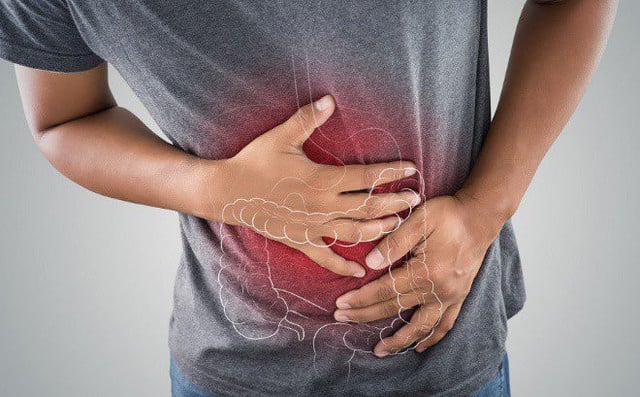
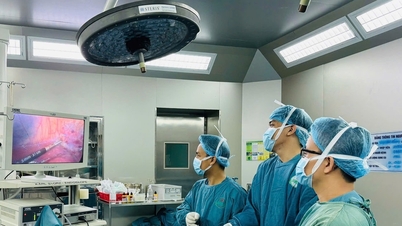
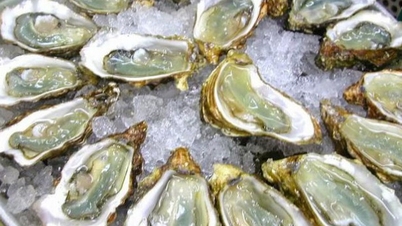
Illustrative image
- Limit your intake of salty foods: They contain high levels of nitrites and secondary amines which, when entering the stomach, combine to form highly toxic, carcinogenic substances.
- Limit your consumption of smoked, grilled, and fried foods: These foods contain many toxins that can cause cancer.
- Quit smoking, drinking alcohol, and using stimulants: Using these substances can cause many types of cancer, not just stomach cancer.
- Ensure a balanced diet: Eat foods rich in vitamins A, B, and E.
- Maintain a reasonable and moderate schedule of rest and exercise .
Source


![[Photo] Prime Minister Pham Minh Chinh holds a phone call with the CEO of Russia's Rosatom Corporation.](/_next/image?url=https%3A%2F%2Fvphoto.vietnam.vn%2Fthumb%2F1200x675%2Fvietnam%2Fresource%2FIMAGE%2F2025%2F12%2F11%2F1765464552365_dsc-5295-jpg.webp&w=3840&q=75)

![[Photo] Closing Ceremony of the 10th Session of the 15th National Assembly](/_next/image?url=https%3A%2F%2Fvphoto.vietnam.vn%2Fthumb%2F1200x675%2Fvietnam%2Fresource%2FIMAGE%2F2025%2F12%2F11%2F1765448959967_image-1437-jpg.webp&w=3840&q=75)




































![[OFFICIAL] MISA GROUP ANNOUNCES ITS PIONEERING BRAND POSITIONING IN BUILDING AGENTIC AI FOR BUSINESSES, HOUSEHOLDS, AND THE GOVERNMENT](https://vphoto.vietnam.vn/thumb/402x226/vietnam/resource/IMAGE/2025/12/11/1765444754256_agentic-ai_postfb-scaled.png)











































Comment (0)