Vietnamese girl near death while conquering 6,250m snow mountain peak in India
Báo Dân trí•04/10/2024
(Dan Tri Newspaper) - Having conquered many mountain peaks, Thuy Duong was determined to reach the 6,250m summit of Mentok Kangri Mountain (India). However, she faced a life-or-death situation when she got lost at an altitude of 5,400m.
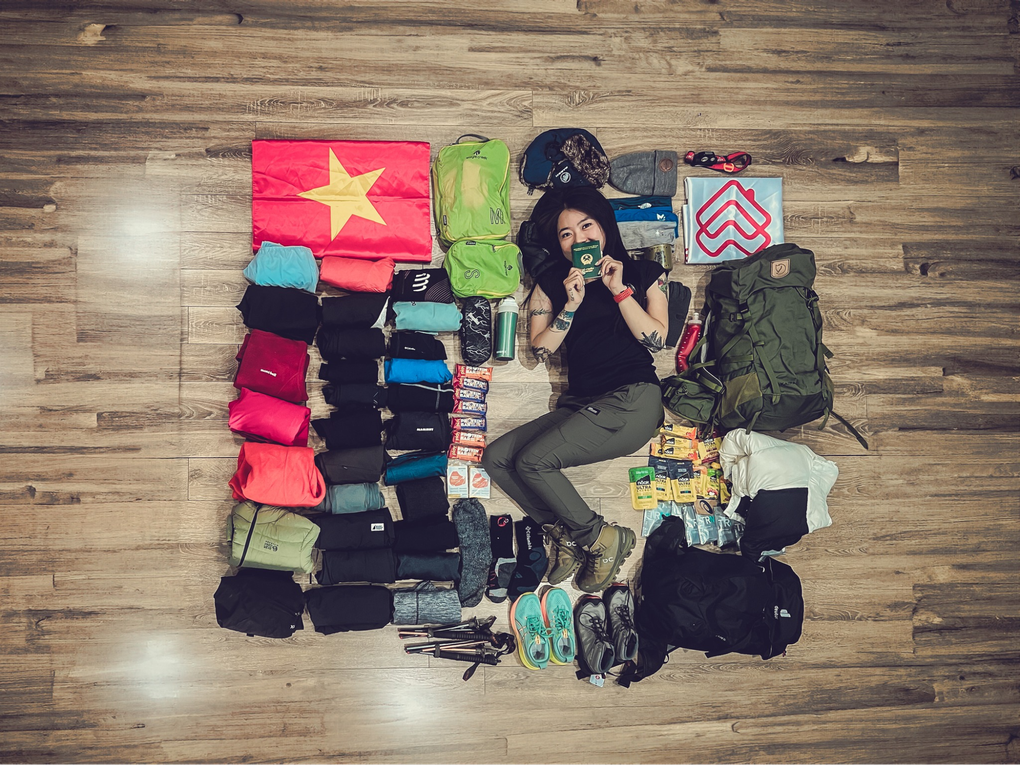
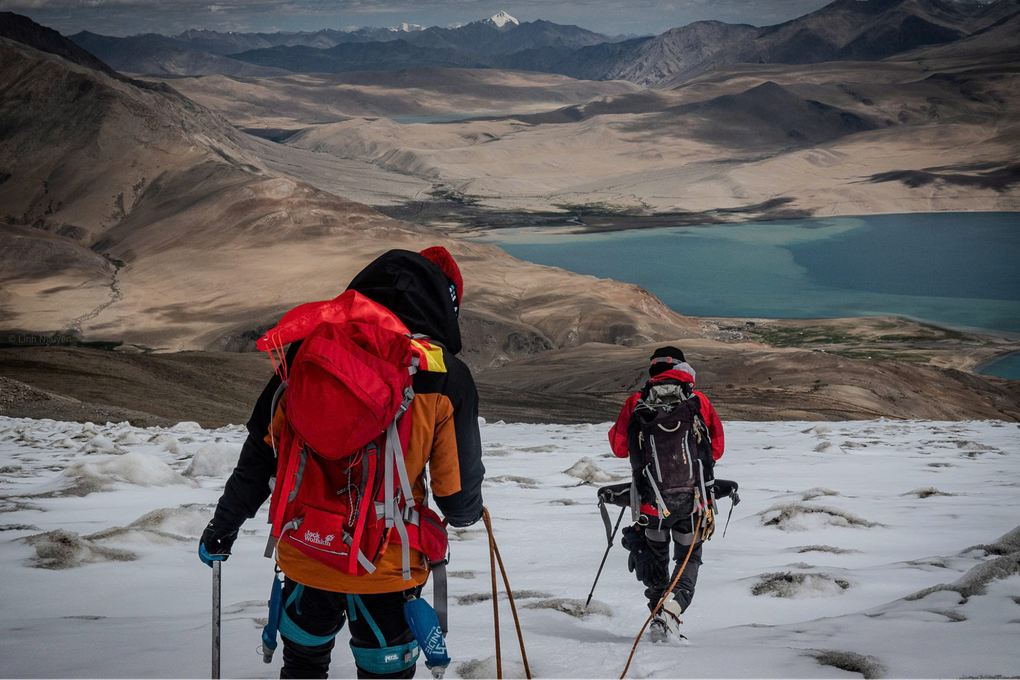
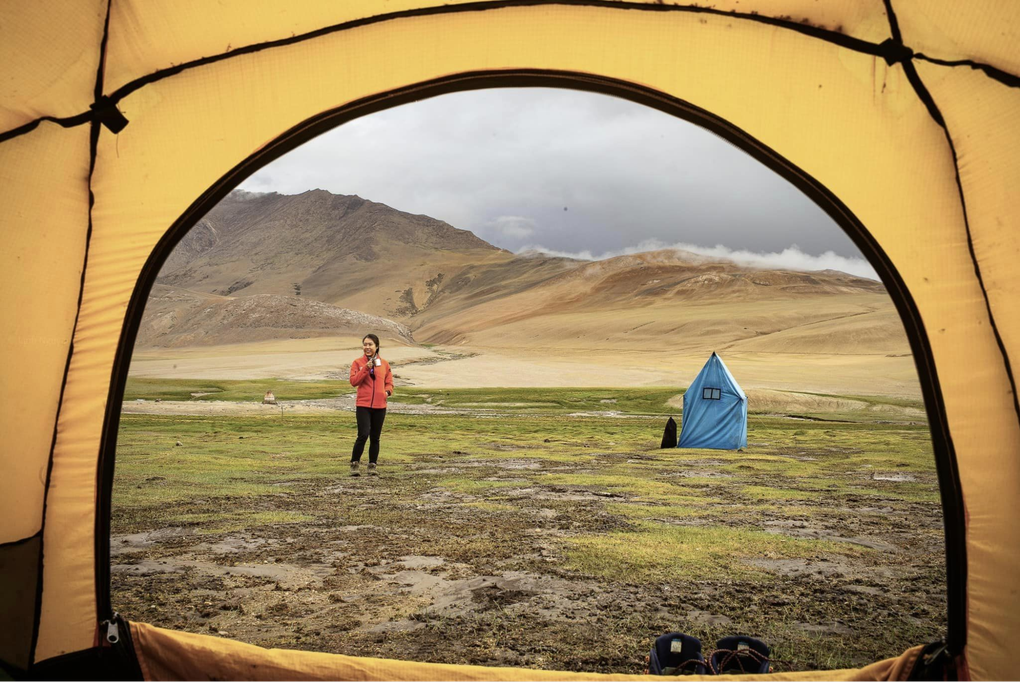
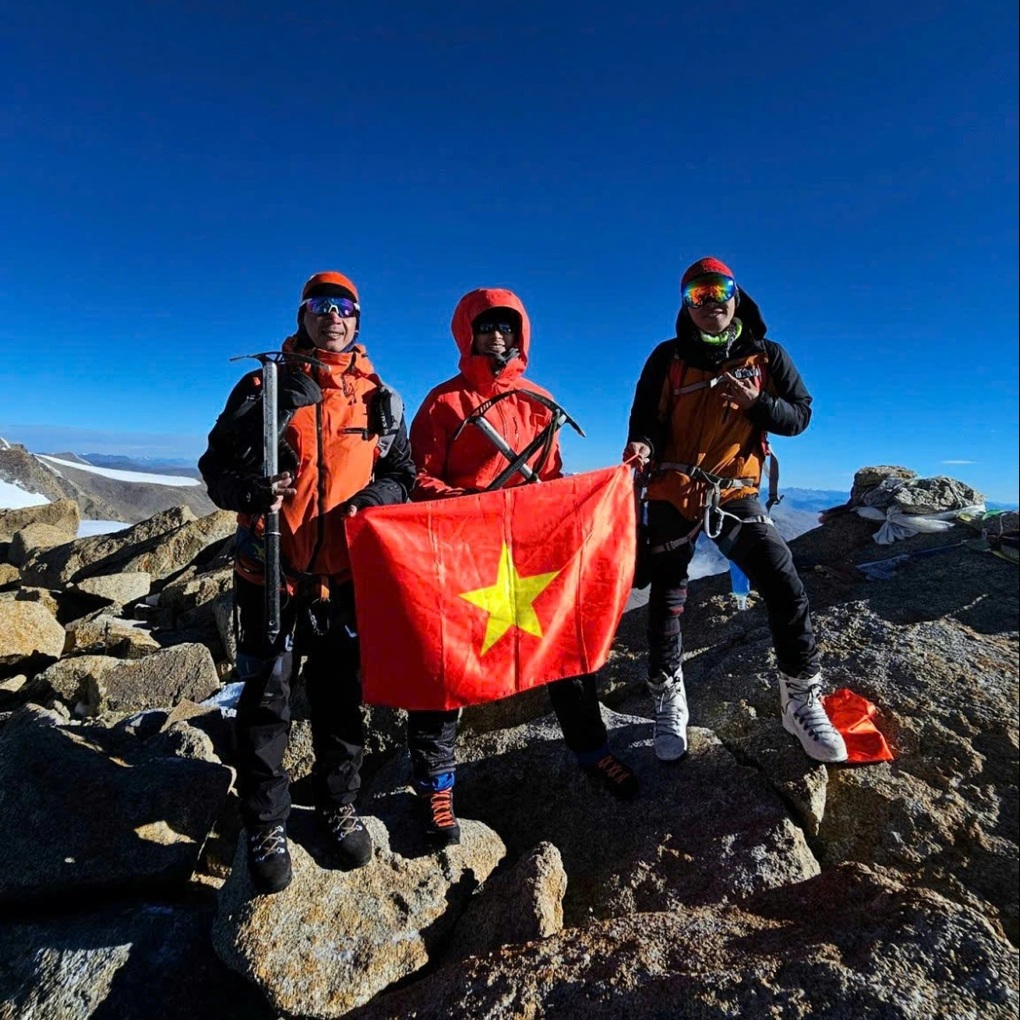
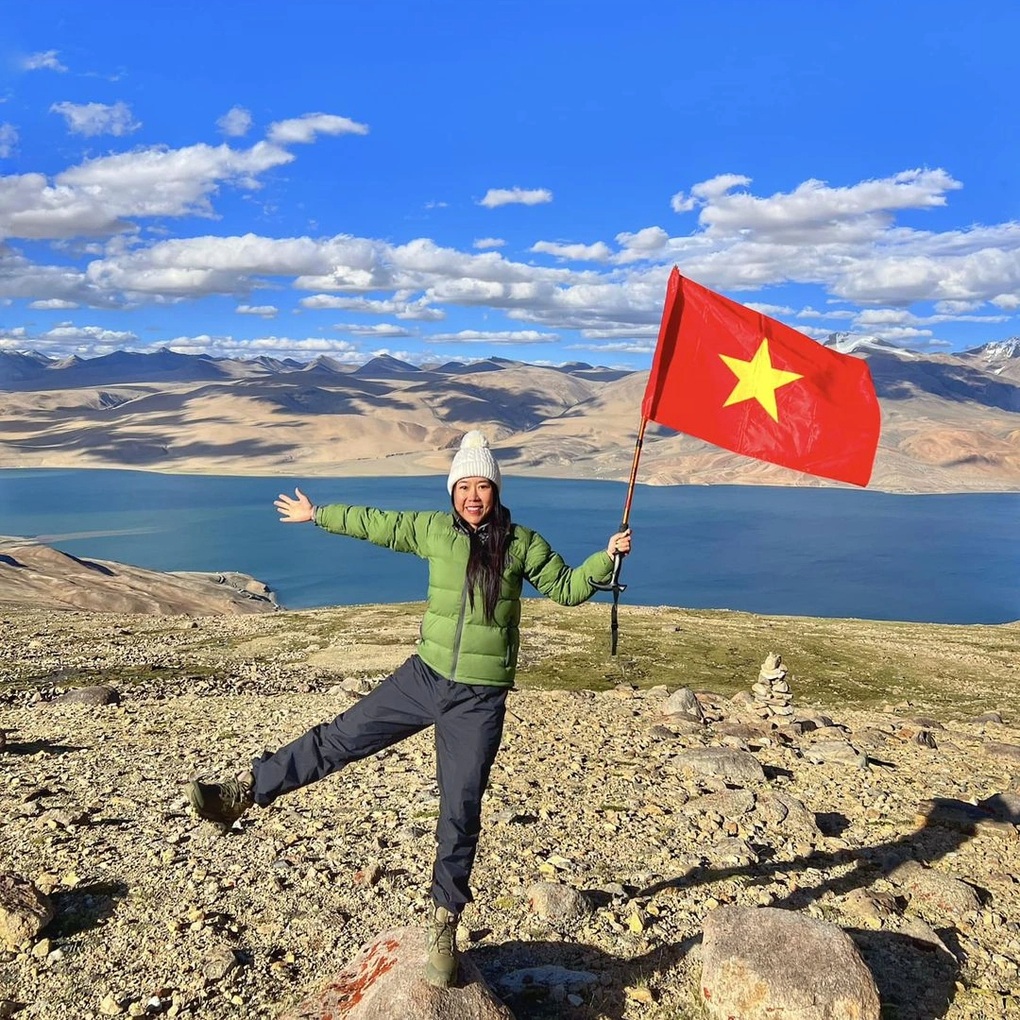
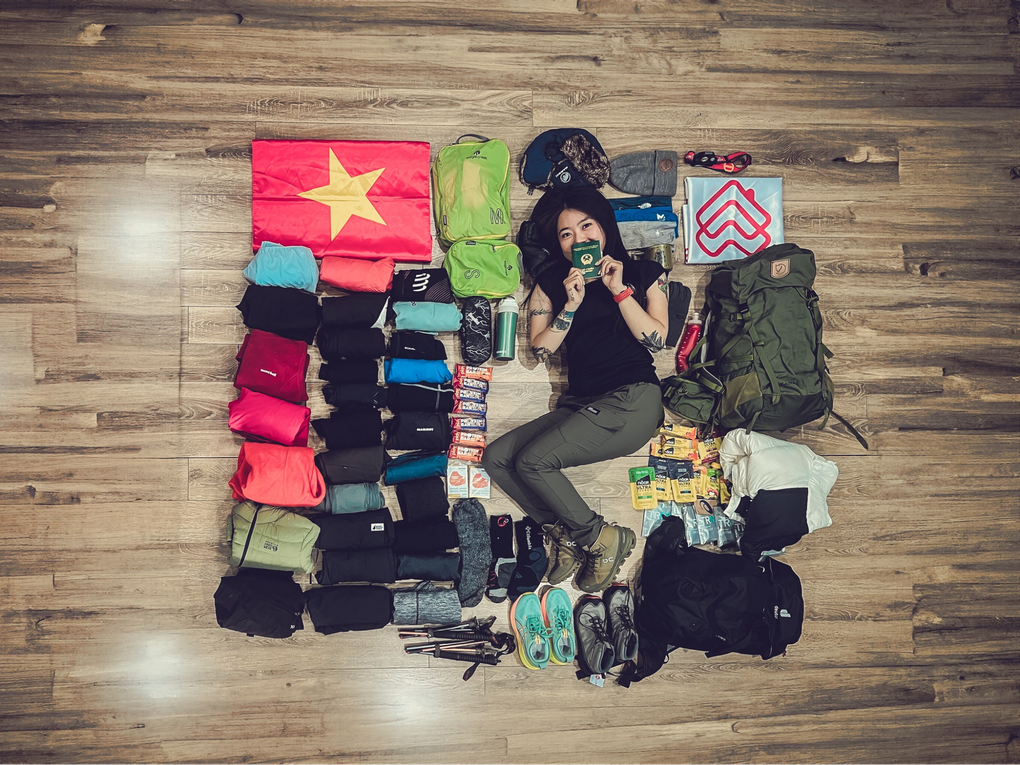
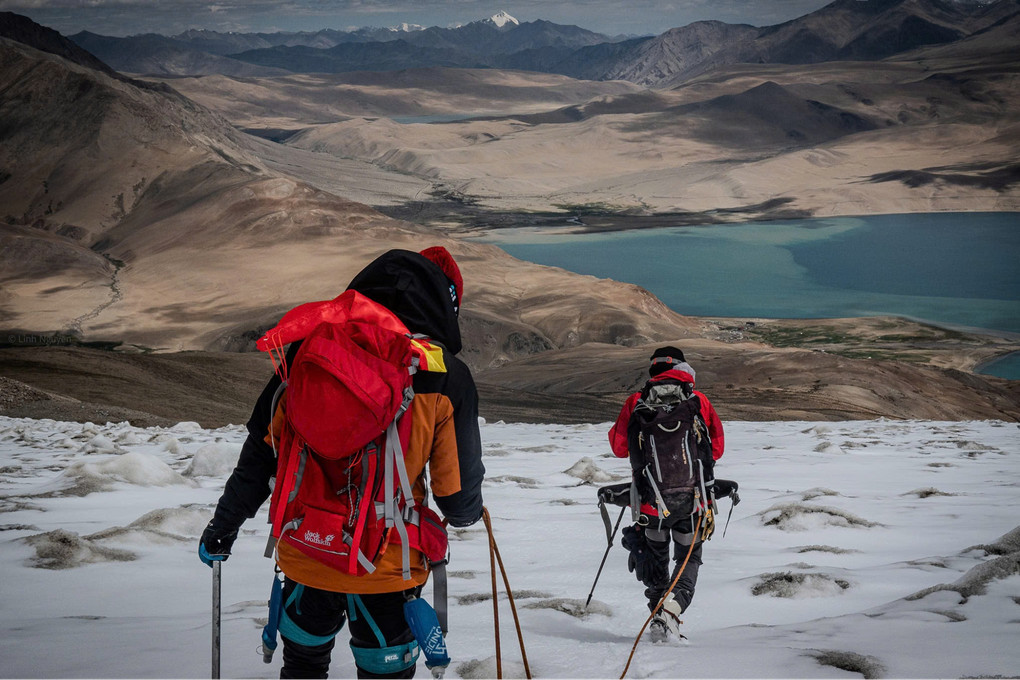
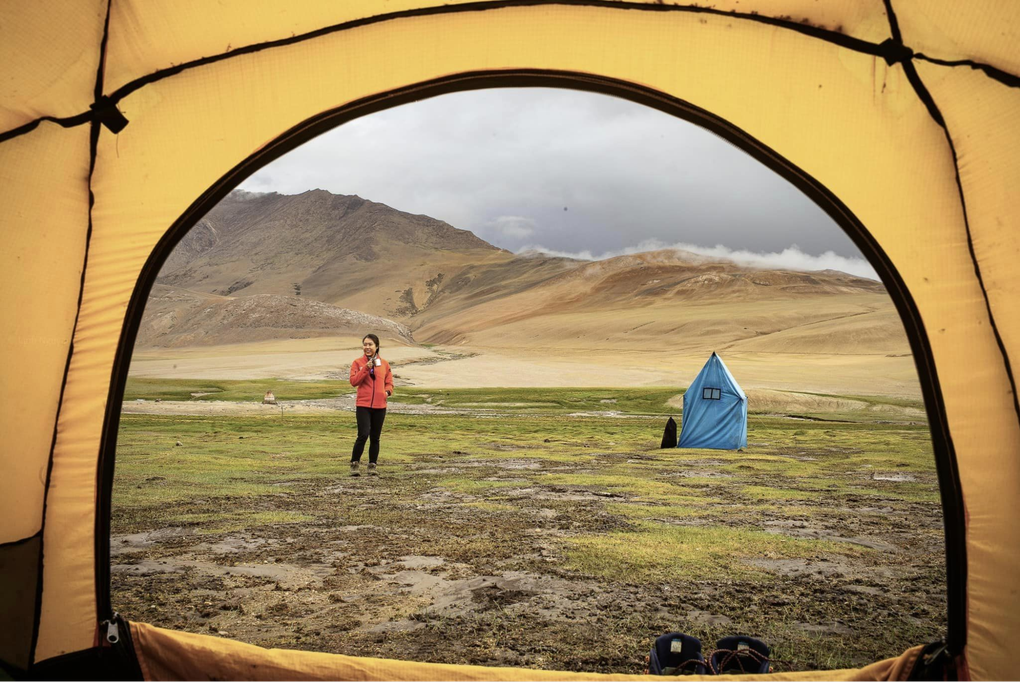
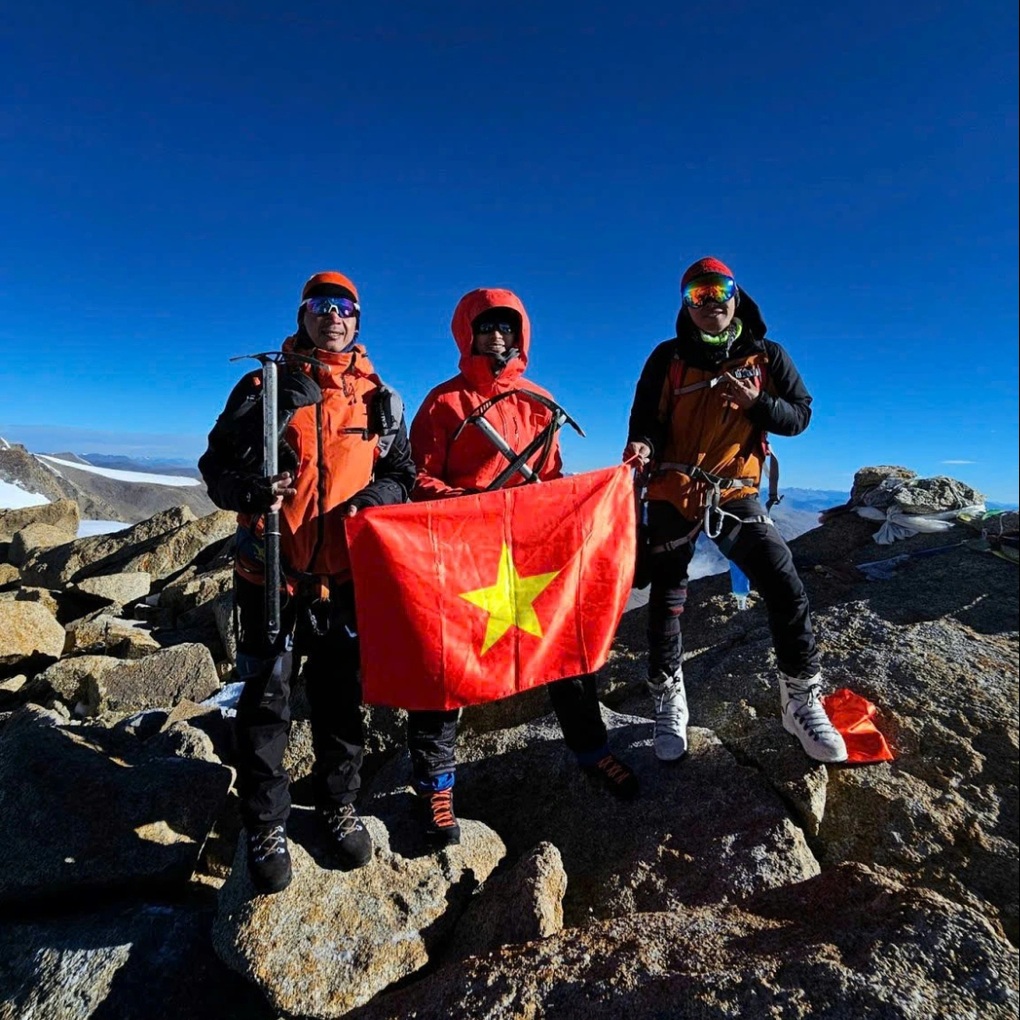
It took six months to prepare. Pham Thuy Duong (35 years old), an office worker with an 8-hour workday in Hanoi , is no different from other mothers, busy after work with picking up her children, helping them with their studies, and taking care of her parents. However, for the past 7-8 years, she has always maintained her passion – conquering mountains – on weekends. Thuy Duong beams amidst majestic nature, posing with the national flag (Photo: Provided by the subject). Speaking to a reporter from Dan Tri newspaper , Thuy Duong shared that conquering a snow-capped mountain has been her dream for many years. As if by fate, a member of the experienced mountaineering community organized a trip to conquer Mentok Kangri (India), a 6,250m high mountain. This trip required participants to have good physical fitness, the ability to adapt to altitude, and experience climbing at least 4,000m. This was because the trip was quite dangerous, challenging, and involved a long duration. "All members were nature lovers, sports enthusiasts, and had positive energy and good physical fitness. The group consisted of 9 people, including 8 Vietnamese and 1 Indian," Thuy Duong recounted. Thuy Duong added that she trained regularly for 6 months before the trip. Every day, she climbed stairs, did trail running, intense jogging, and climbed small mountain peaks to get her legs used to the pressure of long distances. Regarding her diet, she had to lose weight to improve her flexibility and reduce pressure on her knees, while also eating a balanced diet to support her work. At the same time, Duong also took many supplements for brain and joint health to boost her immune system. She also prepared a lot of specialized mountaineering clothing and gear to keep warm but still compact and lightweight in her backpack for easy carrying. Thùy Dương eagerly captured the moment of preparing her belongings for the trip (Photo: Provided by the interviewee). Upon arriving in India, the group took a connecting flight to Ladakh, a location with an altitude exceeding 3,000 meters. The trip lasted 10 days, during which the group spent two days traveling, acclimatizing to the altitude, and beginning the climb from 4,000 meters. There were nine people in total, but upon reaching 5,400 meters, two stopped climbing due to health reasons. The remaining seven continued climbing from 5,400 meters to 6,250 meters, divided into two ropes. "Team spirit is crucial, because if one member of the group is unable to continue, the entire rope must stop to ensure safety," Duong shared, adding about the rules that must be followed when climbing snow-covered mountains. Nature is majestic, but it can also take lives… Duong explained that conquering high mountain peaks depends heavily on the weather, as the higher you go, the colder and harsher the weather becomes. If bad weather occurs, climbers must return to the "base camp"—a safe, easily accessible area where they set up camp—to send distress signals in case of emergency. This is also where everyone returns after a day of climbing to eat, rest, and take care of personal matters. Having previously conquered LaDak Peak (India), which is 5,600m high, Duong experienced altitude sickness at 5,400m on this trip. "At that time, I showed signs of altitude sickness; my muscles were very tired, my backpack felt heavy on my shoulders, and I had to stop and rest every 2-3 steps. When I asked the guide, I was told it would be another hour to reach the top, so I had to ask them to hold my backpack and try to keep climbing. However, everyone has different physical abilities and speeds, and they had already left me far behind," she recounted. As Thuy Duong was precariously perched at an altitude of 5,400m, a sudden hailstorm hit, and the wind picked up. She and her companion were left without any supplies, as they had both left their backpacks with someone else. Luckily, another tour guide passed by and lent them a raincoat. They thought the rain would pass quickly and the rest of the group would soon return to find Duong, but the rain intensified and continued for three hours. Her body temperature dropped, and the cold seeped into her skin, making Thuy Duong acutely aware of the boundary between life and death. Four people are tied together with a rope for safety (Photo: Provided). "Three hours under hailstones at an altitude of over 5,000 meters, my hands were trembling. I thought of the worst-case scenario, took out my phone to record necessary personal information... At that time, I was so sleepy, I was about to doze off, but my teammates yelled at me not to sleep," she recalled emotionally. Instinctively, the two women leaned against each other, pressing their raincoats against a rock to create an emergency signal. By the time both of them started to collapse from exhaustion, the guide had sent a horse herder and a horse back to find them. Thuy Duong thought that if they had arrived 30 minutes to an hour later, she might have perished standing still surrounded by the white snow. Due to a misunderstanding between her and the guide, they thought she was tired and had returned to the campsite on her own. After escaping danger, Duong decided not to continue climbing higher but to stay at the campsite. Although she didn't conquer the mountain as planned and felt a little disappointed, she still felt happy enjoying the rest of her time. Thuy Duong comfortably enjoys the majestic nature at an altitude of 5,400m on Mentok Kangri mountain (India) (Photo: Provided by the subject). "If I continue, I'm not sure I can guarantee my safety and health when I return. I don't want my passion to affect my work and family," Duong expressed. Above all, during her time at the campsite, she learned about nomadic culture and the natural scenery from the guides. When welcoming her teammates back, Duong felt happy witnessing them achieve their dreams. Due to various factors, only 3 Vietnamese members of the group managed to conquer the 6,250m high Mentok Kangri peak (Photo: Provided by the team). After her memorable mountain climbing trip, Duong learned a valuable lesson: even experienced climbers can encounter unexpected situations, so adaptability and composure are crucial. "If I had panicked and screamed for help when I was stranded on the mountain, I probably wouldn't have had the strength to call out to the horse herders by the time I heard them," she recalled. Thuy Duong also shared that to pursue mountain climbing, one needs to develop strong physical fitness, learn from experience, and maintain a healthy diet. Especially for long and dangerous trips, purchasing travel insurance is essential to save costs and ensure all rights are protected.
Mentok Kangri is a 6,250m high peak in the Himalayas, located in eastern Ladakh, India. It is known as one of the most challenging peaks, only suitable for experienced climbers requiring advanced climbing skills and the ability to adapt to high altitudes. From 6,250m, climbers can see the entire Changthang plateau, surrounding peaks, and the turquoise waters of Lake Tsomoriri from the summit. Each year, only a small number of people successfully reach the summit of Mentok Kangri. This is because it requires participants to be well-adapted and prepared, possessing good health, and knowledge to handle the thin air and harsh conditions at altitudes above 6,000m. Tours to climb Mentok Kangri currently cost between 35-40 million VND per person, including the trip, round-trip airfare, visa, insurance, and meals.






![[Photo] Closing Ceremony of the 10th Session of the 15th National Assembly](/_next/image?url=https%3A%2F%2Fvphoto.vietnam.vn%2Fthumb%2F1200x675%2Fvietnam%2Fresource%2FIMAGE%2F2025%2F12%2F11%2F1765448959967_image-1437-jpg.webp&w=3840&q=75)
![[Photo] Prime Minister Pham Minh Chinh holds a phone call with the CEO of Russia's Rosatom Corporation.](/_next/image?url=https%3A%2F%2Fvphoto.vietnam.vn%2Fthumb%2F1200x675%2Fvietnam%2Fresource%2FIMAGE%2F2025%2F12%2F11%2F1765464552365_dsc-5295-jpg.webp&w=3840&q=75)







































![[OFFICIAL] MISA GROUP ANNOUNCES ITS PIONEERING BRAND POSITIONING IN BUILDING AGENTIC AI FOR BUSINESSES, HOUSEHOLDS, AND THE GOVERNMENT](https://vphoto.vietnam.vn/thumb/402x226/vietnam/resource/IMAGE/2025/12/11/1765444754256_agentic-ai_postfb-scaled.png)










































Comment (0)