

Currently, kidney-related diseases are becoming increasingly common, causing concern for patients. There are several unusual bodily signs that people may suspect kidney disease, which they can recognize early and then seek timely medical attention.

Patients with chronic kidney disease undergoing dialysis at Duc Giang General Hospital - Photo: Provided by the hospital.
Signs of kidney disease through pain
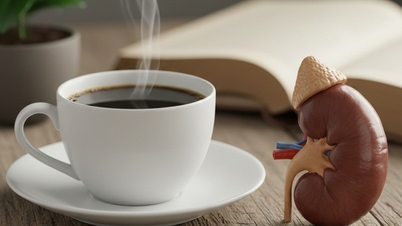
According to Dr. Nguyen Thi Thuy, deputy head of the hemodialysis department at Viet Duc Hospital, the kidneys are likened to a factory that filters and processes toxins for the body.
The kidneys' primary function is to produce and excrete urine, helping to remove toxins from the blood and maintain stable concentrations of substances in the circulatory system. Furthermore, the kidneys participate in several endocrine functions, affecting blood formation, bone structure, and blood pressure regulation.
Kidney disease is a general term used to describe conditions where the kidneys are damaged or malfunctioning and are unable to filter blood normally.
Pain in kidney and urinary tract diseases is often caused by increased pressure in the upper urinary tract due to obstruction (urinary stones), or by urine reflux from the bladder to the ureter. It can also be caused by perirenal inflammation, kidney abscess, pyelonephritis; or damage to the bladder, urethra, or prostate gland.
People should be aware of certain unusual bodily signs that may indicate kidney disease.
- Renal colic : This is a manifestation of acute pressure increase in the urinary tract above the obstruction. The most common cause is ureteral stones, but obstruction by blood clots can also occur.
- Pain in the flank/lower back : This is often a symptom of hydronephrosis, pyelonephritis, renal pelvis stones, pyelonephritis, or perirenal cellulitis.
- Lower back pain accompanied by high fever, chills, increased white blood cell count , leukocyturia, and proteinuria are often signs of acute pyelonephritis or perirenal cellulitis.
- Bladder pain: This is a common symptom, often accompanied by frequent urination, painful urination, and is indicative of cystitis or bladder irritation due to stones or foreign bodies.
- Prostate pain : Pain in the perianal area, radiating to the urethra and both inner thighs. Pain is often accompanied by hesitant urination, dribbling, difficulty urinating, or a weak urine stream. Rectal examination and palpation of the prostate gland increase pain, sometimes sharp pain. Causes include prostate tumors, inflammation, or abscesses.
- Testicular and epididymal pain : Inflammation or torsion of the testicle causes acute pain that radiates to both sides of the pelvis and lower abdomen. Examination reveals swelling and tenderness of the testicle and epididymis, and edema of the scrotum. Painful urination or frequent urination may occur if combined with cystitis.
Systemic signs suggestive of kidney disease
According to Dr. Thuy, people with kidney disease often experience fatigue and general weakness. Severely impaired kidney function leads to the accumulation of toxins and impurities in the blood. This reduces the amount of oxygen and nutrients in red blood cells, often resulting in anemia and general fatigue.
Difficulty sleeping : When the kidneys' filtering and excretion functions are not normal, toxins accumulate in the blood instead of being eliminated from the body through urination, which is one of the reasons why patients find it difficult to sleep.
Dry and itchy skin : When the kidneys lose their ability to maintain the balance of minerals and nutrients in the blood, a range of bone and mineral-related diseases can arise, causing itchy or dry skin.
Loss of appetite, nausea : When the kidneys fail, toxins increase, causing patients to experience loss of appetite, nausea, and bad breath.
Signs of anemia associated with chronic kidney disease leading to kidney failure.
Easily noticeable signs include pale skin, and in severe cases of anemia, patients may experience shortness of breath, dizziness, lightheadedness, and limited mobility due to fatigue.
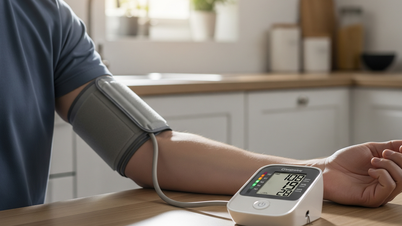
Hypertension, when present, needs to be well controlled and monitored regularly to detect complications, including kidney complications…
To reach an accurate conclusion, you need to visit specialized medical facilities for examination and testing. Based on these tests, doctors and medical professionals will assess your kidney function, make a diagnosis, and provide appropriate treatment.
Proactive disease prevention
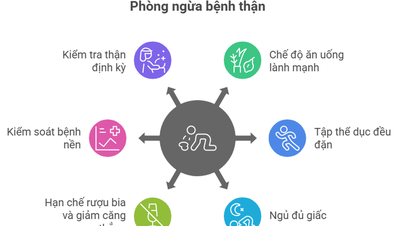
According to doctors, to maintain kidney function and prevent kidney diseases, it is necessary to drink enough water, exercise regularly at a moderate level, maintain a healthy weight, and avoid being overweight or obese.
Control blood sugar and monitor blood pressure. Limit alcohol consumption and quit smoking. Be cautious when using over-the-counter medications. Also, check kidney function and undergo regular health checkups for early detection and treatment.
Source: https://tuoitre.vn/con-dau-do-mac-benh-than-tiet-nieu-bieu-hien-ra-sao-2025011417243844.htm




































































Comment (0)