

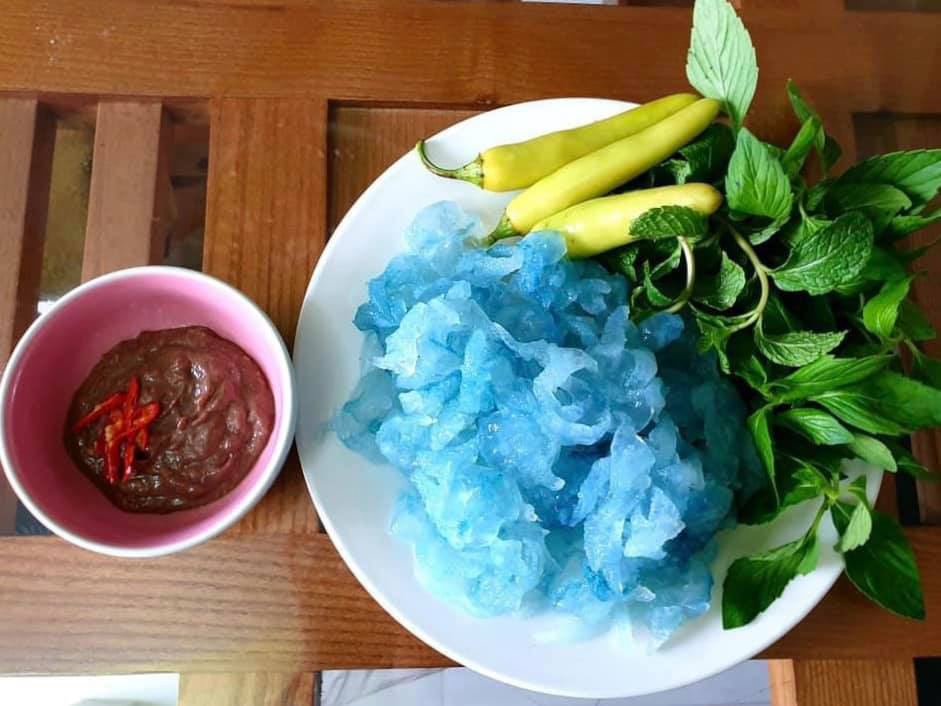
Hue-style fermented shrimp paste served with shrimp paste and herbs - Photo: Ancient capital, Hue specialties.
On food forums and social media, there's a buzz of images and videos sharing information about Hue's sea snails, from their flavor and origin to how to eat them, with many positive comments and introductions calling them "a specialty of the ancient capital of Hue," "a summer delicacy," and so on.
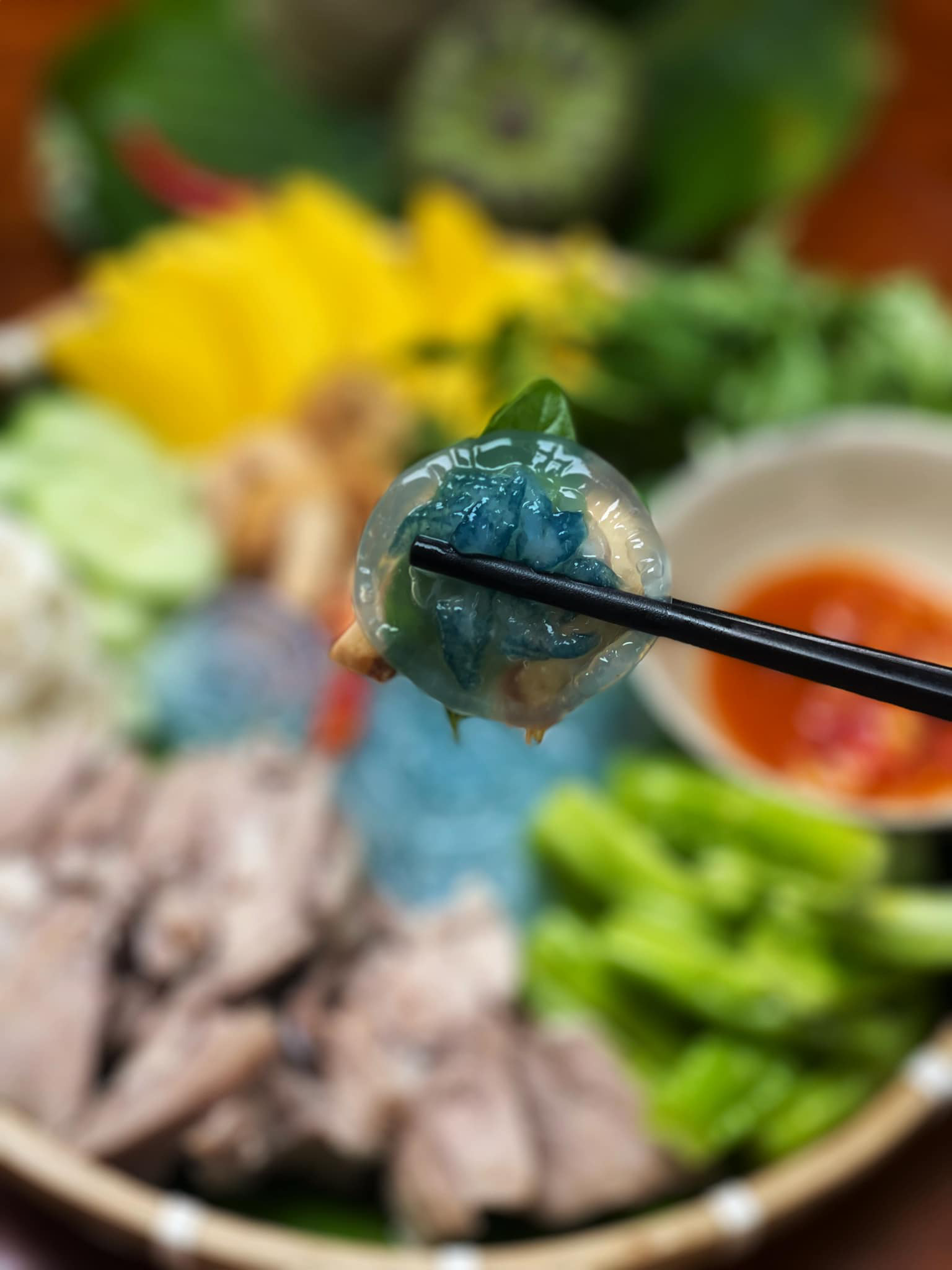
Hue-style sea snails have an eye-catching turquoise color - Photo: FB Tạp Hóa Kén
When introducing this unique and unusual dish, one young person humorously likened the sea cucumbers to "jellyfish, who are geographically distant but share the same mother."
In fact, jellyfish are related to jellyfish and are usually divided into two parts: the soft, succulent ear-like structures and the crunchy, chewy foot-like structures.
According to locals, the color of the water varies depending on the tide, but the most common color is turquoise.
Unlike jellyfish, which live year-round in the saltwater of the sea, the sea cucumber typically only appears in the summer, commonly found in brackish lagoons in Hue, such as Cau Hai Lagoon and Tam Giang Lagoon.
When the season arrives, the clams will float to the surface in clumps on the water. At that time, people will scoop them up, soak them in water, and take them to the market to sell.
The 'tuoc luoc' fish
In Hue folklore, many dishes have names that are mispronounced. For example, the name of the "smoked" cake is mispronounced as "khoai" cake. The name of the sea cucumber is another similar case.
"Nuốc" is the dialectal name for the swallow. People in Hue often mispronounce the "t" sound as "c," so "nuốt" (swallow) has unknowingly become "nuốc."
Perhaps because jellyfish are so easy to eat and swallow, people in Hue often rhyme with the phrase "nuốc tuốc luốc," meaning that when you eat this dish, you just swallow it all down without needing to chew much!
Sea snails are only delicious when they are in season and very fresh. Furthermore, they should only be eaten within one day; after the next day, they will no longer be juicy and crunchy.
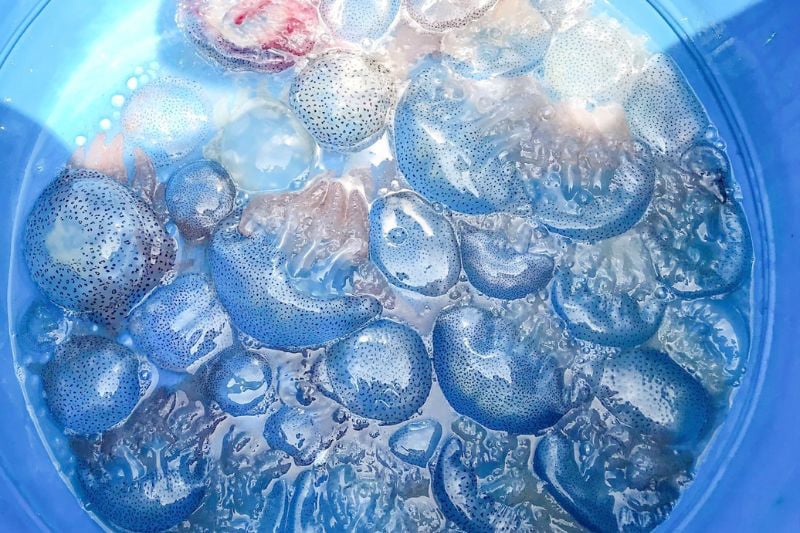
The clams are kept in a basin with just enough brackish water to maintain their freshness.
Cool and refreshing on a summer day, with a satisfyingly crunchy texture.
Each season brings its own bounty. Every year, during the season, baskets of sea snails are sold in many markets near the lagoons. The snails are kept in baskets or basins filled with brackish water, with a few ice cubes to keep them fresh and crunchy.
On social media, many people are spreading the word that you absolutely must try sea snails because they are curious about their taste.
Some who tried it commented: "The sea cucumber has a subtle salty taste, giving you a feeling of the sea and lagoon, and when held in the mouth, it has a cool, sweet taste of fresh seafood."
For many, the sea snail is not only a delicious dish that refreshes both young and old, but it also evokes memories of the tranquil rivers and waterways of the countryside for those from Hue who are far from home.
Delicious dishes with Hue-style sea snails.
Sea cucumbers are generally harmless, have a cool, refreshing taste, and don't cause itching like jellyfish, so they are popular and used in countless delicious dishes.
Moreover, this is also considered a specialty of Hue, and it's definitely worth trying at least once when you visit.
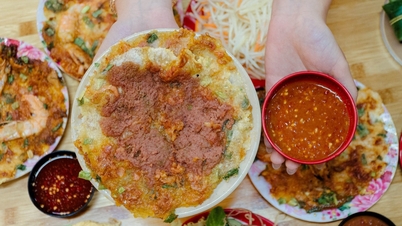
There are many dishes made with shrimp paste, but the simplest and most common is eating it raw with shrimp paste dipped in fish sauce.
A Facebook account shows how to eat it:
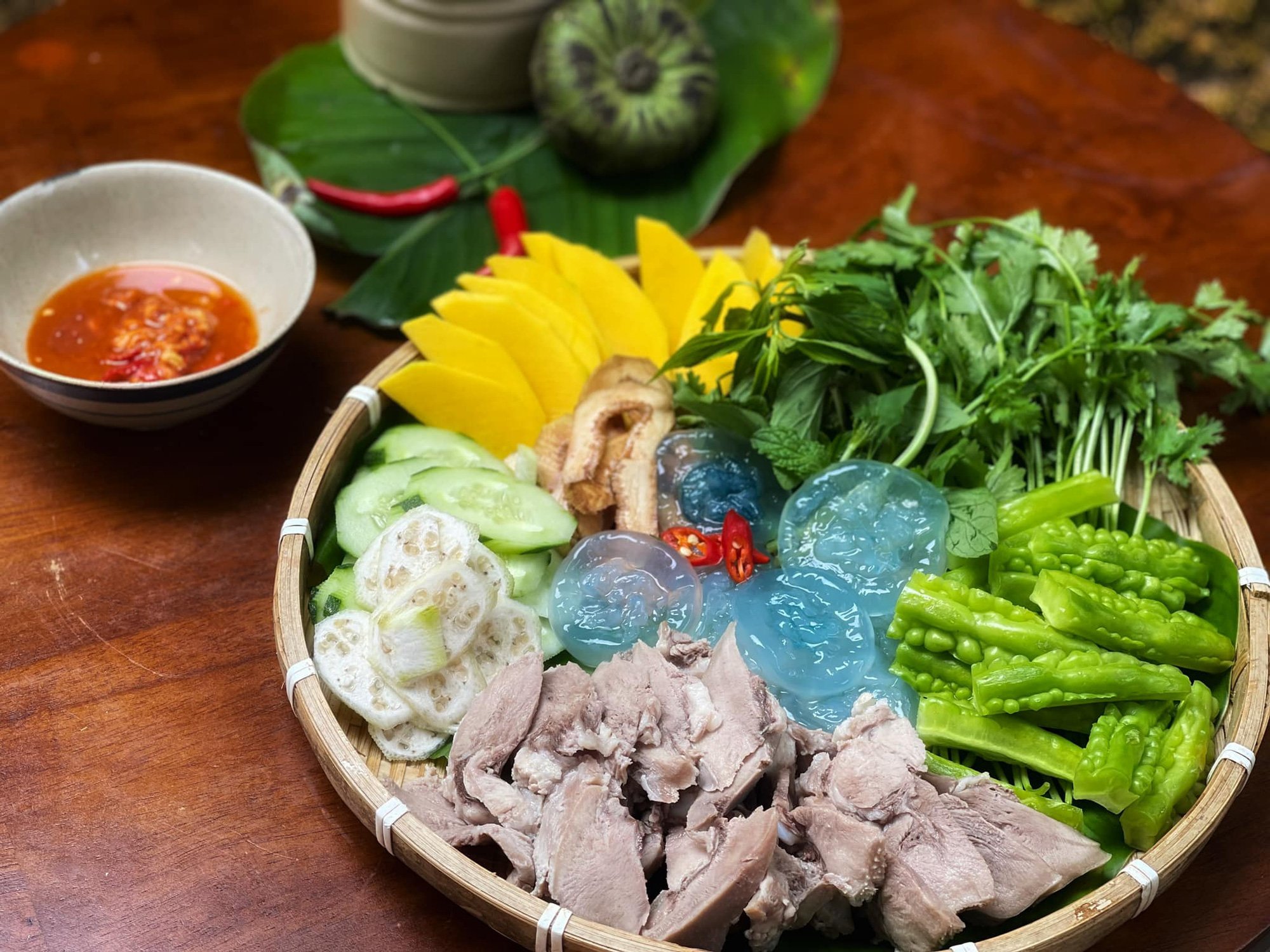
A "netizen" prepared a dish of raw fish, served with bitter melon, mango, unripe banana, cucumber, herbs, fig, mint, and pork - Photo: FB Tạp Hóa Kén
"Hue-style shrimp paste is mixed with crushed garlic and chili, a little MSG, sugar, and a squeeze of lemon. Accompaniments include unripe bananas, sour starfruit, and other herbs of your choice."
However, two essential ingredients are indispensable: thinly sliced fresh figs and fragrant, slightly spicy mint leaves.
Locals also often eat fresh sea cucumbers dipped in shrimp paste, accompanied by fresh, plump, and crunchy slices of cantaloupe.
This method of preparation is described by diners as "Hue-style sashimi".
Salads made from sea cucumbers are also very popular with locals and tourists alike when they have the opportunity to travel to Hue.
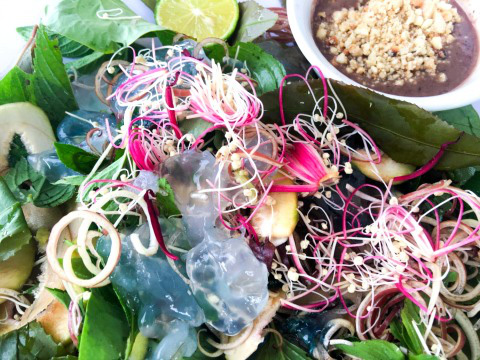
Nuoc can also be prepared as a salad.
The chewy, crunchy chicken feet are mixed in a salad with various fish sauces characteristic of the ancient capital region or eaten with fresh vegetables…
Besides the two dishes mentioned above, if you visit Hue during the season when the sea cucumbers are in bloom, you definitely shouldn't miss the famous sea cucumber vinegar noodle soup, a specialty unique to this ancient capital city.
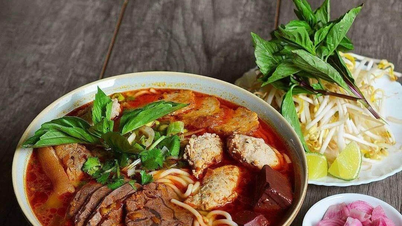
Bun giam nuoc (rice noodles with vinegar and sea snails) is made from the feet of sea snails, and its deliciousness depends on the broth.
To make the broth, the cook needs fresh shrimp, peeled and deheaded, leaving the tails intact for a more appealing presentation, and seasoned thoroughly. Pork belly is cut into bite-sized pieces and marinated with spices.
Sauté shrimp and pork in oil with onions until fragrant, add a little chili powder, and stir-fry over low heat for about 10 minutes until the shrimp and pork are tender, then add enough broth to cover.
As for the sea cucumbers, they are soaked in cold water with guava leaves to make them crispy.
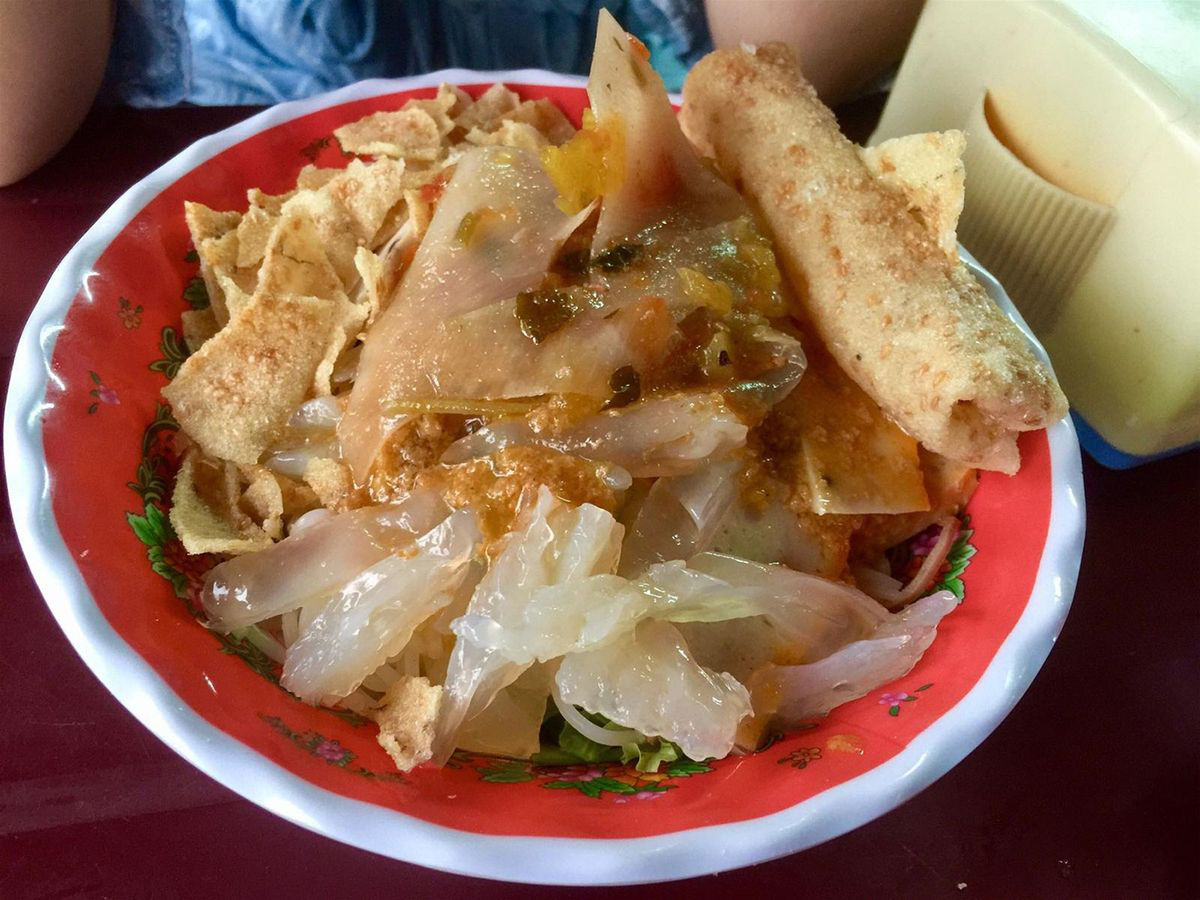
A proper bowl of bun giam nuoc (rice noodle soup with pickled vegetables) includes fresh vegetables, thin rice noodles, a generous amount of broth, a little chopped scallions and cilantro, roasted peanuts, rice crackers, a touch of shrimp paste, a little chili sauce, and finally, a handful of pickled vegetables on top.
The noodle soup will be warm, fragrant with herbs, and have a rich, sweet broth made from fresh shrimp, blended with the creamy richness of peanuts and rice crackers, along with the sweet, crunchy texture of the sea snails.
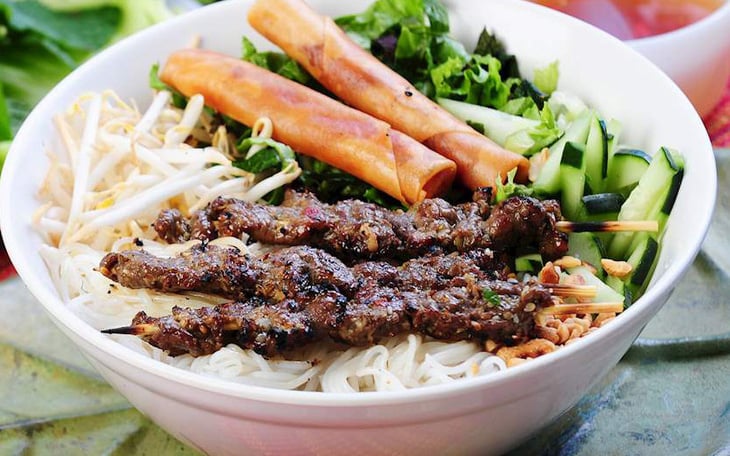 5 delicious dishes from Hue that have gained worldwide recognition.
Source






















![[Photo] Prime Minister Pham Minh Chinh holds a phone call with the CEO of Russia's Rosatom Corporation.](/_next/image?url=https%3A%2F%2Fvphoto.vietnam.vn%2Fthumb%2F1200x675%2Fvietnam%2Fresource%2FIMAGE%2F2025%2F12%2F11%2F1765464552365_dsc-5295-jpg.webp&w=3840&q=75)












































Comment (0)