

 |
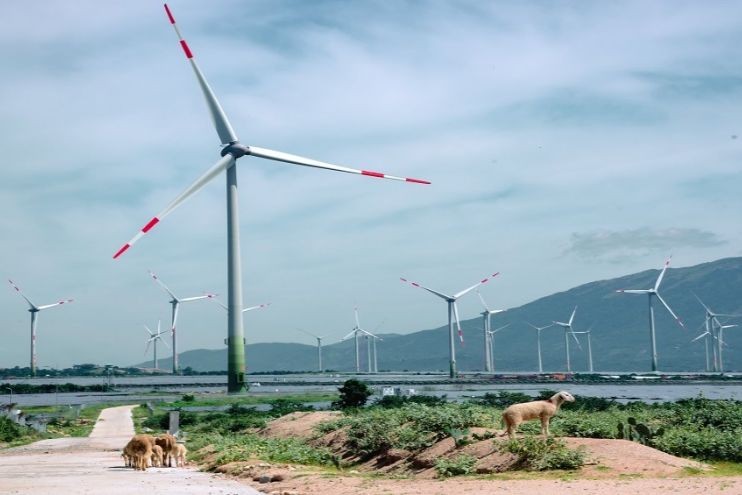
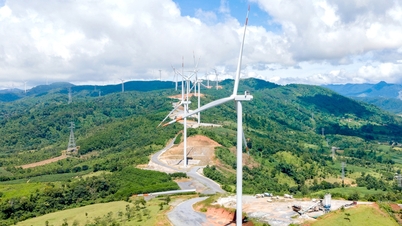
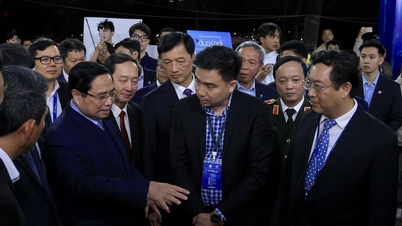
| Energy transition in Vietnam is a crucial and necessary process in the context of the country facing numerous energy and environmental challenges. (Photo: PV) |
(PLVN) - Vietnam has taken the first steps in implementing its energy transition to meet its Net Zero commitment by 2050. In particular, the implementation of a direct power purchase agreement is considered a specific policy that directly impacts the energy transition process in Vietnam.
Vietnam has taken its first steps in the transformation.
According to forecasts from the Ministry of Industry and Trade , Vietnam's electricity consumption is expected to increase by approximately 15% in 2024; electricity demand will grow by about 8-10% per year in the coming years, while fossil fuel resources are becoming increasingly limited. Therefore, energy transition is not only an important task but also an essential factor in ensuring energy security, protecting the environment, and promoting sustainable socio-economic development.
A recent report by the Department of Technology Assessment, Evaluation and Inspection ( Ministry of Science and Technology ) indicates at least three major challenges in Vietnam's energy transition: cost, grid infrastructure, and legal framework. Specifically, a representative from the Department stated that while the cost of renewable energy technologies has decreased significantly, large-scale deployment still requires high initial investment, especially for wind power. Furthermore, the cost of developing efficient energy storage technologies such as batteries and thermal storage systems is also quite high.
Furthermore, the power grid infrastructure is not yet sufficient to integrate renewable energy sources; therefore, the current grid system needs to be upgraded to integrate intermittent renewable energy sources such as solar and wind power. In addition, the legal framework and regulations related to renewable energy need to be improved, and policies supporting and encouraging the development of renewable energy and other clean energy forms should be issued soon, as well as regulations restricting the use of fossil fuels in production according to a phased schedule.
Ms. Vu Chi Mai, an energy expert from the German International Cooperation Organization (GIZ), believes that the energy transition in Vietnam is a crucial and necessary process in the context of countries facing numerous energy and environmental challenges. Vietnam is taking many steps to transition from traditional energy sources to more renewable and sustainable energy sources.
Mr. Stuart Livesey, Chairman of the Green Development Subcommittee of the European Chamber of Commerce in Vietnam (EuroCham), noted that Vietnam has made significant progress in its energy transition efforts, although it is still in the early stages of this process. Renewable energy now accounts for a substantial share of Vietnam's electricity generation capacity. Several important regulations aimed at promoting the development of renewable energy are also beginning to be adopted.
DPPA will have a significant impact on the energy transition.
Among the decisions and documents directly related to the energy transition process, the Decree on the Direct Power Purchase Agreement (DPPA), which came into effect at the beginning of July 2024, is noteworthy. Stuart Livesey assessed that the DPPA helps promote investment in the energy transition and enhances the attraction of foreign direct investment in Vietnam's clean energy sector, reducing the burden on the national grid and allowing the transmission system to continue developing. It also offers hope for European businesses in Vietnam to strengthen their sustainable business and production.
Mr. Pham Quang Huy, Deputy Director of the Electricity Regulatory Authority (Ministry of Industry and Trade), also affirmed that the Decree on DPPA contributes to promoting the use of clean energy and attracting investment in renewable energy development, thereby contributing to achieving Vietnam's energy transition and sustainable development goals.
Mr. Jung Byung Jin, representative of Samsung Group, stated that the DPPA is a Decree that many businesses, business associations, and organizations have been eagerly awaiting. As a business, Samsung will accompany Vietnam in its energy transition, aiming to achieve the goal of 100% transition to renewable energy.
Many experts and international organizations in Vietnam also believe that implementing the DPPA mechanism will help electricity customers meet the goals and trends of using clean energy, thereby having many positive impacts on the energy transition. Furthermore, expanding the group of eligible participants in the DPPA will also accelerate the energy transition process in Vietnam (previously, the draft decree stipulated that DPPA participants were customers consuming more than 500,000 kWh/month, but the Decree on DPPA now stipulates that customers consuming 200,000 kWh/month or more can participate in direct electricity trading with businesses with renewable energy sources).
By participating in the DPPA mechanism, businesses not only benefit from green certification, demonstrating credibility in global commitments on renewable energy use and sustainable development, but also secure long-term energy supply and minimize the risk of price fluctuations. Importantly, both buyers and sellers benefit from implementing this decree. This will undoubtedly open up strong development opportunities for the renewable energy market, directly impacting the energy transition process in Vietnam.
Source: https://baophapluat.vn/cu-hich-cho-chuyen-dich-nang-luong-o-viet-nam-post518669.html





































































Comment (0)