

 |
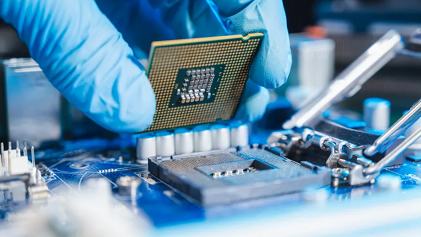
| Japan is focusing on developing its semiconductor manufacturing industry. (Source: Nikkei Asia) |
This is the company's latest effort to attract talent by offering starting salaries on par with those of foreign companies.
According to the plan, the company will increase the salaries of all new employees by 85,500 Yen (approximately $610). With the new salary, university graduates joining the company in April 2024 will receive 304,800 Yen (approximately $2,161) per month, while those with higher qualifications will receive 320,000 Yen ($2,270), both exceeding the 300,000 Yen mark. This marks the first time Tokyo Electron has increased salaries for new employees in seven years.
Tokyo Electron plans to recruit around 400 recent graduates in Spring 2024 and will gradually increase the number of new employees to 500 over the next few years.
In recent years, Japan has received a series of large investments related to the chip industry, including an investment from Taiwanese (China) semiconductor manufacturer TSMC.
Chip manufacturers are offering high wages to hire skilled workers, and this trend is also reaching device manufacturers.
According to a Spring 2023 survey by the National Personnel Authority, the average monthly starting salary at private sector companies in Japan is approximately 210,000 Yen for university graduates and 230,000 Yen for those with higher qualifications.
Meanwhile, many foreign semiconductor and equipment manufacturers operating in Japan are offering starting salaries of over 300,000 Yen to those with a university degree.
According to a source from Tokyo Electron, the company aims to raise salaries to match those of its foreign competitors in order to compete for talent. In fact, thanks to strong business results, Tokyo Electron has been increasing employee salaries annually, including bonuses.
Amidst trade tensions between the US and China and Washington's restrictions on Beijing's access to advanced semiconductor technology, Japan is rushing to revive its chip manufacturing base to ensure its automakers and IT companies do not face shortages of this crucial component.
( according to Nikkei)
Source






















































































Comment (0)