

Common types of heart rhythm disorders include paroxysmal supraventricular tachycardia, ventricular tachycardia, atrial flutter, and atrial fibrillation. Of these, atrial fibrillation is the most common, causing an irregular and abnormally fast heartbeat. Atrial fibrillation significantly increases the risk of stroke, according to the Daily Mail (UK).
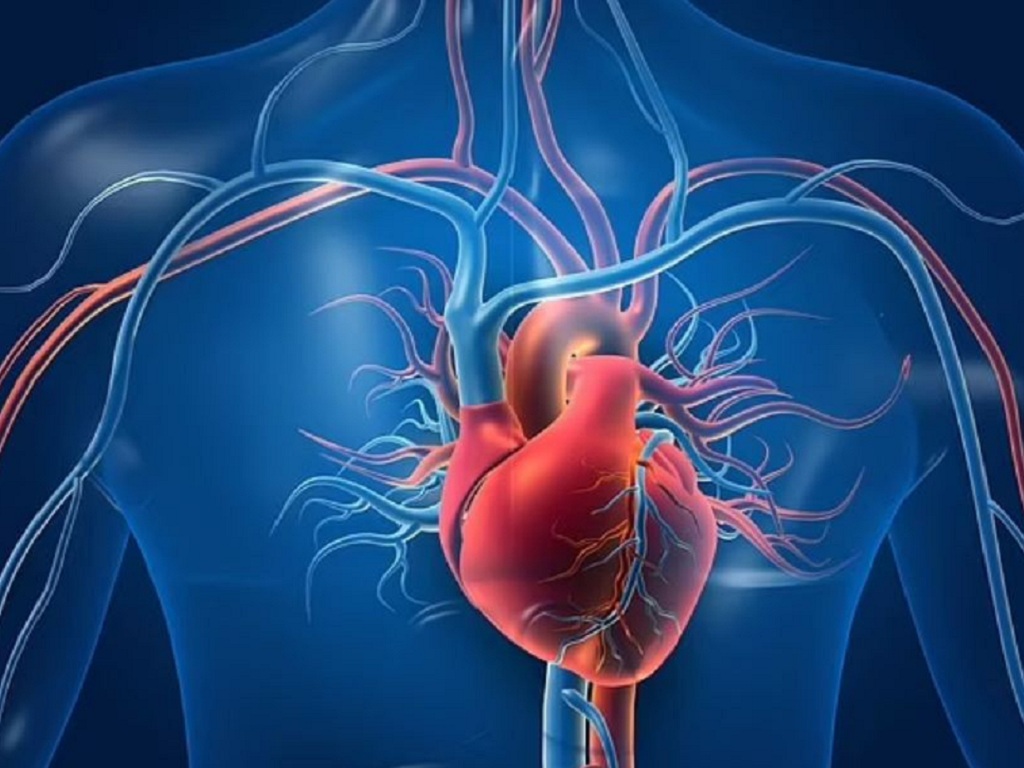
Heart rhythm disorders increase the risk of stroke, heart failure, and even sudden death.
Heart rhythm disorders can occur at any age, with the elderly being at higher risk. Other risk factors for heart rhythm disorders include thyroid disorders, infections, sleep apnea, stress, excessive caffeine intake, smoking, alcohol consumption, weight loss medications, and cough and cold medications.
The main warning signs of an arrhythmia are palpitations, dizziness, feeling faint, shortness of breath, chest discomfort, and fatigue. Of these, palpitations are a very common symptom. Patients will feel their heart pounding rapidly in their chest.
Occasionally, in certain situations, we may experience these symptoms, but the body is actually completely normal. The cause could be stress, fatigue, or some other factor. Therefore, not all of these signs indicate an irregular heartbeat. However, if they occur repeatedly, a doctor's check-up is necessary.

The doctor is examining the patient's heart.
Meanwhile, some people actually have heart rhythm disorders but show no other unusual symptoms. Others only exhibit a few of these symptoms.
One of the easiest ways to detect heart rhythm disorders is by measuring the heart rate. At the hospital, doctors can easily measure the heart rate using a heart rate monitor or electrocardiogram (ECG). But people can also check their heart rate at home by feeling the pulse at their wrist.
Before self-checking your heart rate, experts recommend that people sit down and rest for at least 5 minutes and avoid stimulants such as caffeine or nicotine, as these substances can affect heart rate.
Next, use your index and middle fingers to feel and count the pulse rate at your wrist for one minute. A healthy resting heart rate for those under 18 is 70-120 beats per minute, for adults it's 60-100 beats per minute, and for the elderly it's 55-90 beats per minute. If the measured heart rate in one minute exceeds these numbers, it could be a warning sign of an arrhythmia, according to the Daily Mail.
Source link













































































































Comment (0)