

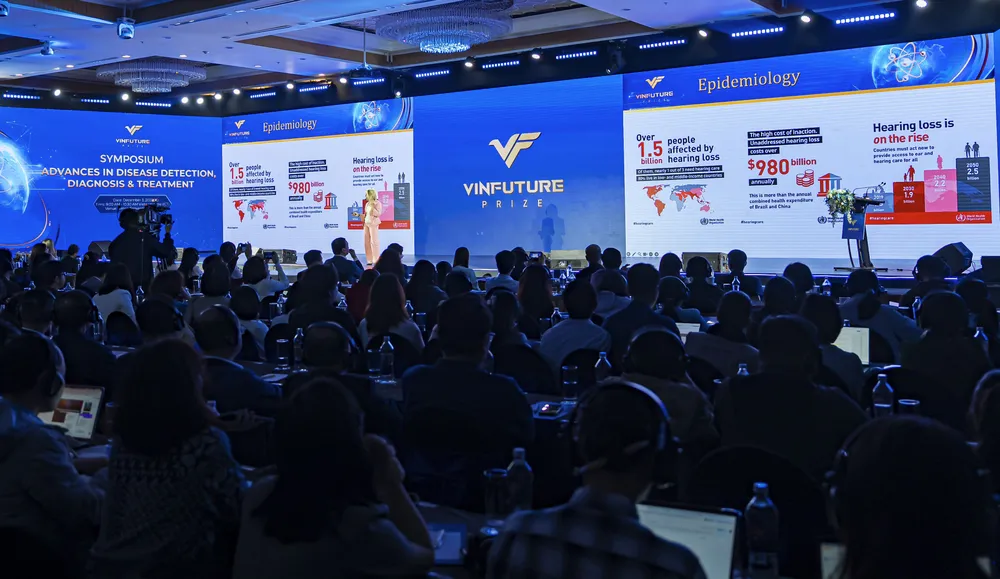
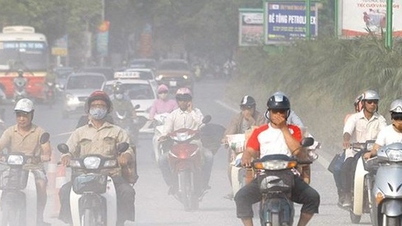
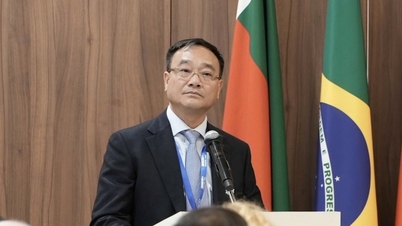
Dr. Nguyen Ngo Quang commented that 2025 is a time when global health will face many changes. Humanity continues to face complex challenges such as the sharp increase in non-communicable diseases, especially cancer, diabetes and cardiovascular diseases. Along with that, re-emerging and emerging infectious diseases put great pressure on the health system, especially in the context of climate change increasing the risk of epidemics.
The gap in access to healthcare between countries is increasingly evident, posing an urgent need for innovation to create more precise, effective and sustainable healthcare solutions. Along with the challenges are unprecedented opportunities from the explosion of digital technology , artificial intelligence (AI), gene technology and biomaterials in disease diagnosis and treatment...
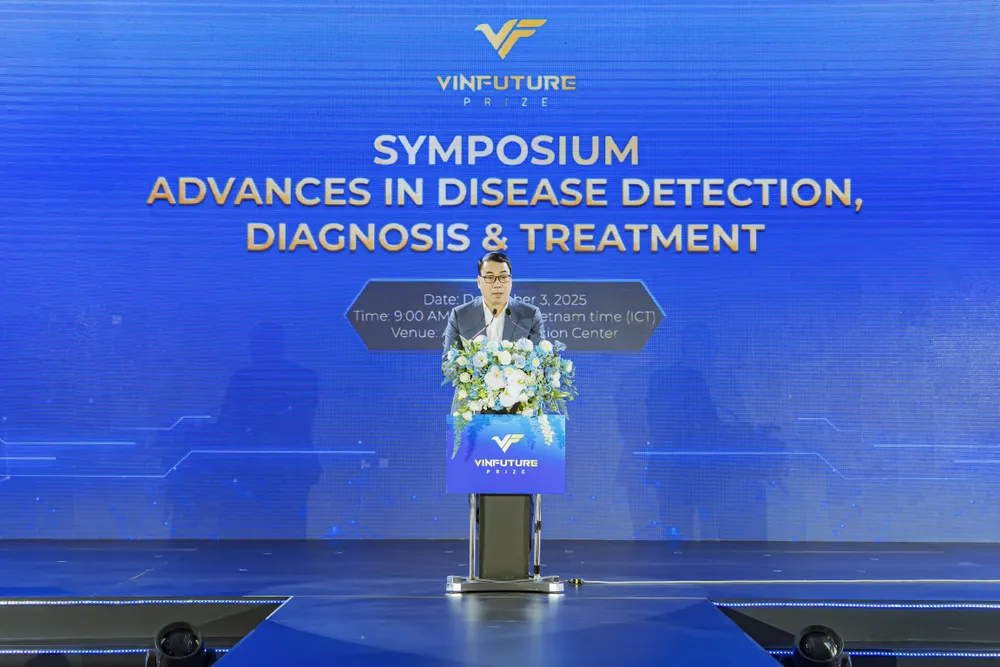
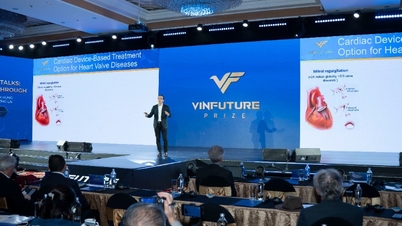
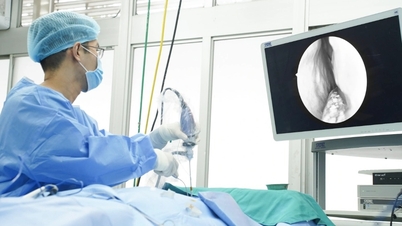
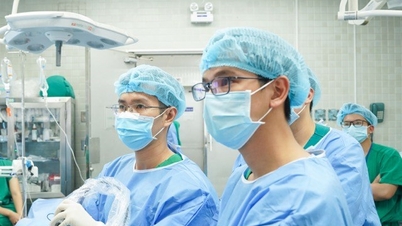
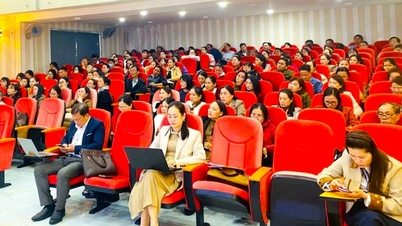
At the event, world-leading scientists shared groundbreaking research that is reshaping the way humanity detects and treats disease. From phage therapy to combating drug resistance, new approaches to cell microbiology, 3D printing in surgery to advances in hearing science, these achievements open up more precise, less invasive and superior treatment methods.
Professor Pascale Cossart, a pioneer in the field of cellular microbiology, presented research that deciphered the mechanism of bacterial invasion and “hiding” in human cells, laying the foundation for targeted therapy for infectious diseases. Professor Ana Belén Elgoyhen (University of Buenos Aires - Argentina) introduced fundamental findings on auditory physiology, helping to explain noise sensitivity and opening up new directions for treating tinnitus, hearing loss, etc.
These studies show that technology is becoming the key to the future of medicine, especially in three pillars: disease detection, diagnosis and treatment.
Source: https://www.sggp.org.vn/khoa-hoc-cong-nghe-la-dong-luc-then-chot-nang-cao-chat-luong-kham-chua-benh-post826693.html


![[Photo] Cat Ba - Green island paradise](/_next/image?url=https%3A%2F%2Fvphoto.vietnam.vn%2Fthumb%2F1200x675%2Fvietnam%2Fresource%2FIMAGE%2F2025%2F12%2F04%2F1764821844074_ndo_br_1-dcbthienduongxanh638-jpg.webp&w=3840&q=75)




























![[VIMC 40 days of lightning speed] Hai Phong Port determined to break through, reaching the target of 2 million TEUs by 2025](https://vphoto.vietnam.vn/thumb/402x226/vietnam/resource/IMAGE/2025/12/04/1764816441820_chp_4-12-25.jpeg)



































Comment (0)