

Difficulties in arranging capital and organizing implementation
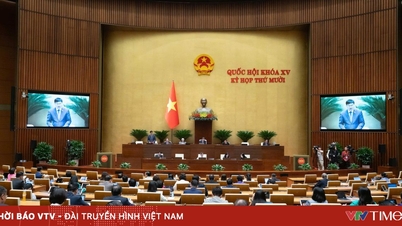
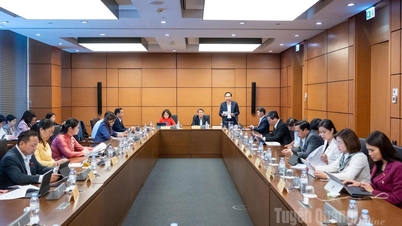
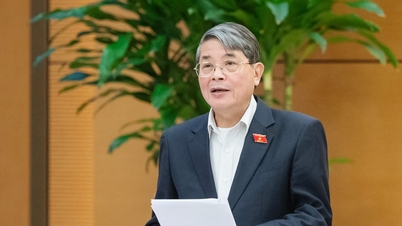
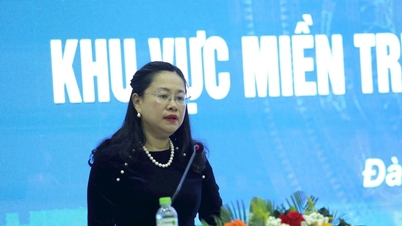
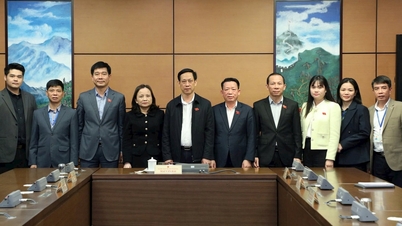
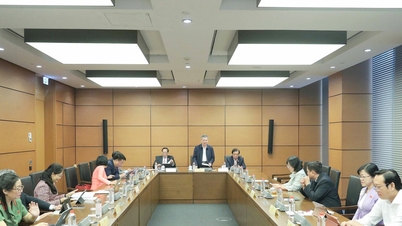
Speaking at the group discussion on the Investment Policy of the National Target Program on New Rural Areas, Sustainable Poverty Reduction, and Socio -Economic Development in Ethnic Minority and Mountainous Areas by 2035, National Assembly Deputy Le Nhat Thanh (Hanoi) agreed with the Government in assessing the results of the 3 National Target Programs on New Rural Areas Construction; Sustainable Poverty Reduction; and Socio-Economic Development in Ethnic Minority and Mountainous Areas in recent times.
According to delegates, through monitoring and supervision at localities and feedback from the grassroots and from the practical implementation of the three recent National Target Programs, there are still many shortcomings, limitations, difficulties and problems that need to be assessed and identified to serve as a basis for perfecting the Program in the coming period.
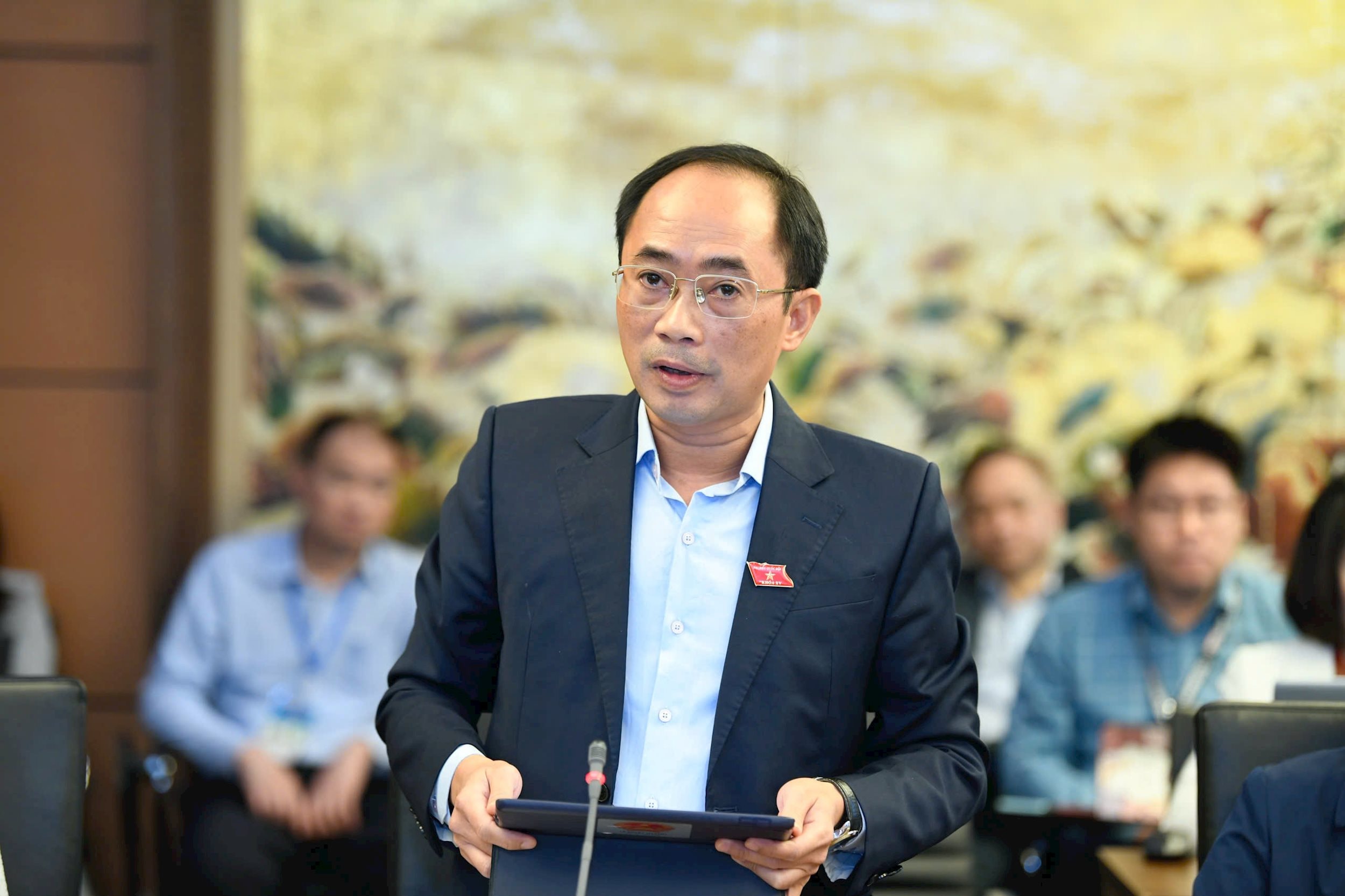
Specifically, there are still overlaps, duplications and dispersions in objectives, contents and implementation mechanisms although the programs are designed with different objectives. However, there are still many overlapping contents of the 3 programs, especially supporting infrastructure in particularly difficult villages and hamlets; supporting production and livelihood development; improving community capacity, vocational training; supporting housing, clean water, and improving living standards. According to delegates, localities have reflected that many contents are assigned to all 3 programs to implement together, causing dispersion of resources, wasting coordination time, and making it difficult to arrange capital and organize implementation.
In addition, National Assembly Deputy Le Nhat Thanh assessed that the system of guiding documents is too large, but many documents are issued late, many documents lack feasibility, are not suitable for practice, and cannot be applied by localities; documents are changed many times, causing confusion and slow progress. On the other hand, dividing too many components and sub-projects; content is built from top to bottom, leading to components and sub-projects when allocated to localities are often too small, fragmented, and do not create breakthrough impacts; many contents no longer have beneficiaries; commune levels have to do a lot of paperwork while capacity is still limited.
"The capital management mechanism and approval authority are still cumbersome, the appraisal process has many levels; capital allocation is slow; settlement procedures are heavily administrative, leading to low disbursement and lost opportunities to support beneficiaries," National Assembly Deputy Le Nhat Thanh added.
From the above-mentioned shortcomings and difficulties, regarding the proposal for the Investment Policy of the National Target Program on new rural areas, sustainable poverty reduction, socio-economic development in ethnic minority and mountainous areas by 2035, National Assembly Delegate Le Nhat Thanh proposed the necessity of merging 3 National Target Programs into one Program to overcome the situation of resource dispersion, policy overlap, many management focal points, many guidance documents and some existing problems and limitations that have been assessed and summarized in the period 2021 - 2025, in order to ensure efficiency; reduce guidance documents; concentrate resources and increase the proactive role of localities.
"I basically agree with many of the assessment contents in the Government's report. In the process of researching and developing the feasibility report, I suggest that the Government continue to review, supplement, and clarify the positive and negative impacts and influences of the Program on socio-economic development, the environment, planning, and plans that have been and are being implemented; especially ensuring stability in security, politics , and foreign affairs in border and vulnerable areas," National Assembly Deputy Le Nhat Thanh proposed.
Prioritizing resources for socio-economic development
Regarding the components and policies of the Program, National Assembly Deputy Le Nhat Thanh said that the structure of the Program with 2 components is reasonable. In addition, he suggested that the drafting agency should research and clearly demonstrate in the feasibility report. That is, clearly identify which tasks are already included in other programs of ministries and branches, then do not include them in the content and investment capital to avoid spreading; do not include in the Program regular tasks of ministries, branches and localities; at the same time, continue to review the contents and activities between the components to ensure there is no duplication, overlap, and no omission of subjects.
In addition, it is necessary to identify key investment contents, including the following areas: People's infrastructure; livelihoods, production development; science , technology, digital transformation; environment. In particular, delegates clearly stated that specific policies for ethnic minority and mountainous areas need to focus on human resource development, innovation in vocational training; livelihood development associated with agricultural and forestry development, forest protection and development; higher investment, especially for ethnic minorities with very few people, people living in highland and border areas and planning, stabilizing residents living in areas at risk of natural disasters, landslides, urgent and essential issues of residential land, production land, and domestic water.
"It is proposed to issue separate new rural criteria, consistent with the criteria for delimiting ethnic minority and mountainous areas to suit the practical and specific situation and use this set of criteria as a measure and evaluation," National Assembly Deputy Le Nhat Thanh proposed.
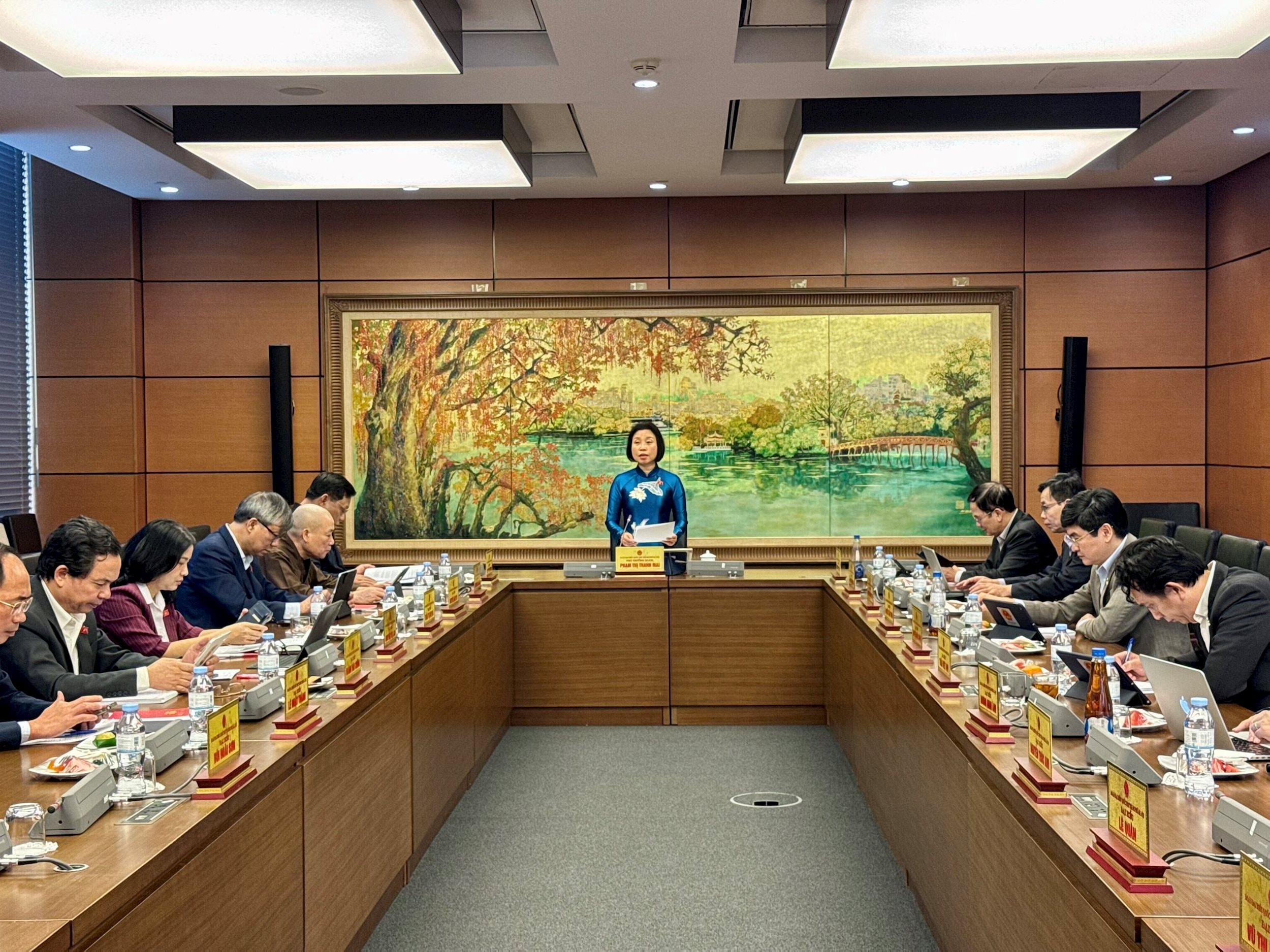
Regarding the second component, with the specific characteristics of the area and the target area being ethnic minority and mountainous areas, which are considered the "hardest core areas" and "most underdeveloped areas" of the country, delegates agreed with the Government's view that it is necessary to create a "push" for development and should start from ethnic minority and mountainous areas.
"Therefore, we should consistently focus on and prioritize resources for socio-economic development in this region, in which the central budget plays an important and decisive role. In the context of localities having difficulty balancing their budgets and low counterpart capacity, I suggest that the Government pay attention to allocating a central budget at least equal to the 2021-2025 period for this component," National Assembly Deputy Le Nhat Thanh analyzed.
Regarding the principle of capital allocation, National Assembly Deputy Le Nhat Thanh proposed that capital allocation should be based on the actual needs of the locality to ensure that capital is used effectively; localities that cannot disburse or have low disbursement can transfer to localities with higher needs. In particular, it is proposed to clarify the principle that "For localities that do not receive additional balance from the central budget, only support is provided to carry out a number of urgent tasks according to the principles and criteria issued by competent authorities". Regarding the allocation to localities that receive additional balance from the central budget, it is proposed to divide according to the level of receiving additional balance from the central budget and specific regulations on the support rate from the central budget for local budgets implementing the Program as decided by the National Assembly Standing Committee.
"There needs to be a principle on the priority order of capital allocation for subjects and tasks to achieve specific and comprehensive goals, focusing on solving the most difficult tasks and contents," National Assembly Deputy Le Nhat Thanh stated.
Source: https://daibieunhandan.vn/dbqh-le-nhat-thanh-ha-noi-khac-phuc-tinh-trang-phan-tan-nguon-luc-chong-cheo-chinh-sach-10398080.html


![[Photo] Cat Ba - Green island paradise](/_next/image?url=https%3A%2F%2Fvphoto.vietnam.vn%2Fthumb%2F1200x675%2Fvietnam%2Fresource%2FIMAGE%2F2025%2F12%2F04%2F1764821844074_ndo_br_1-dcbthienduongxanh638-jpg.webp&w=3840&q=75)


































![[VIMC 40 days of lightning speed] Da Nang Port: Unity - Lightning speed - Breakthrough to the finish line](https://vphoto.vietnam.vn/thumb/402x226/vietnam/resource/IMAGE/2025/12/04/1764833540882_cdn_4-12-25.jpeg)






































Comment (0)