

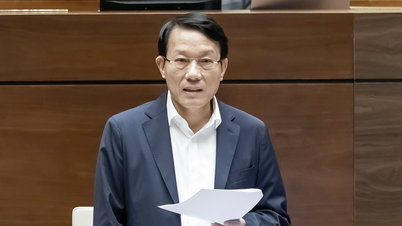
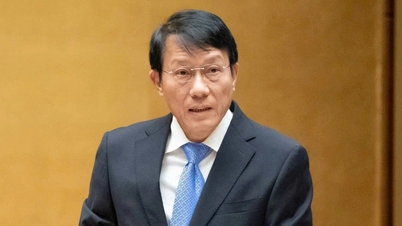
On the morning of November 10th, Minister of Public Security To Lam presented to the National Assembly the draft Law on Road Traffic Order and Safety.
According to General To Lam , while road traffic safety and order have improved in recent years, the situation remains complex, with traffic accidents still at a high and serious level.
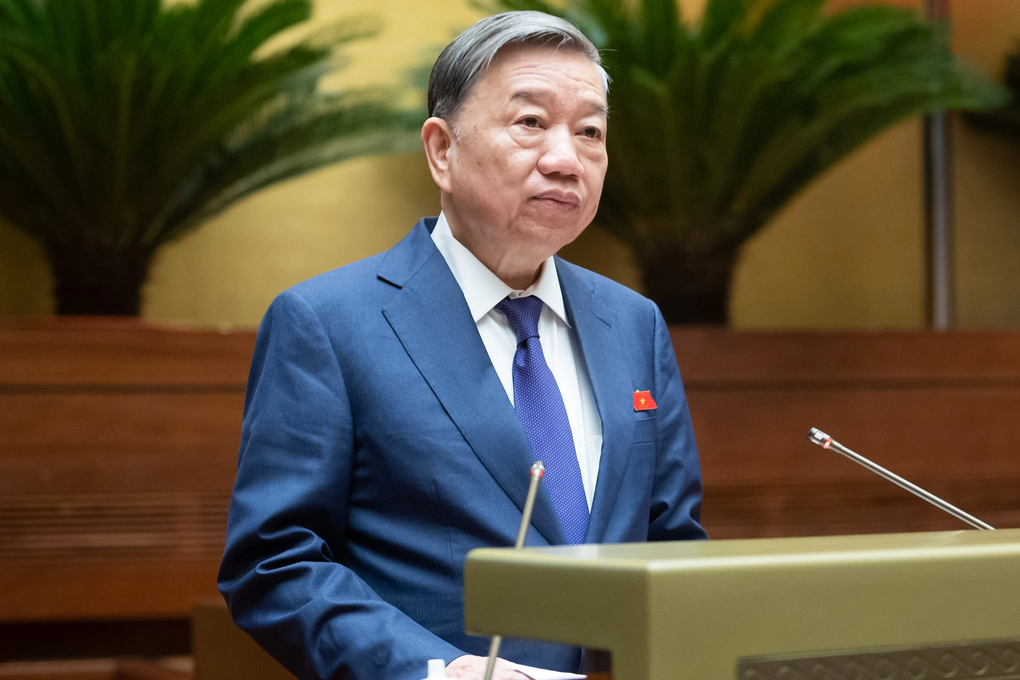
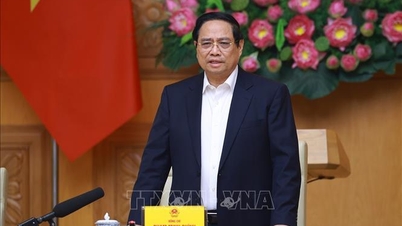
Minister of Public Security To Lam (Photo: Pham Thang).
According to the Minister of Public Security, violations of traffic laws remain widespread, and traffic culture is still weak. Human security in the field of road transport is not yet guaranteed.
The Minister of Public Security stated that the draft law dedicates 11 articles to regulating: the conditions for drivers participating in road traffic; driver's licenses; age and health of drivers participating in road traffic; driver training; driver's license examination, etc.
In addition, the draft has added several new regulations that are in line with the trends and progress of digital transformation, creating favorable conditions for citizens.
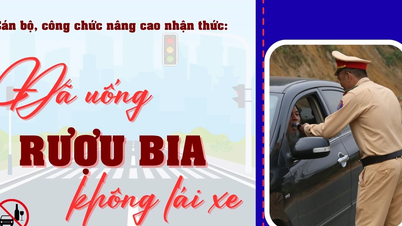
The Road Traffic Order and Safety Bill also stipulates 28 prohibited behaviors, the first of which is driving a vehicle while having alcohol in the blood or breath.
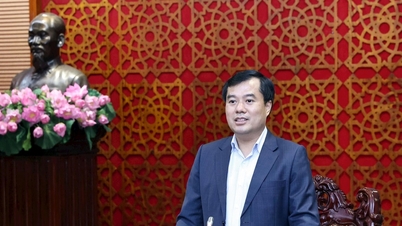
Examining this content, Chairman of the National Defense and Security Committee Le Tan Toi said that some opinions suggested reviewing and classifying to supplement the full list of prohibited acts for subjects such as managers, patrollers, controllers, commanders, controllers, traffic accident handlers, traffic participants and others.
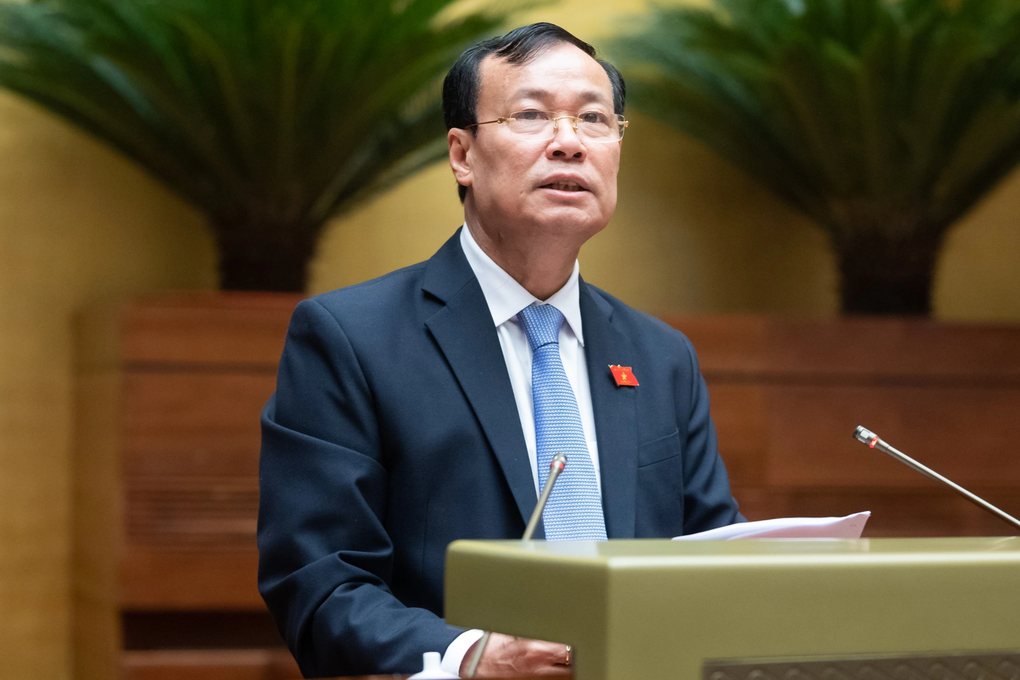
Chairman of the National Defense and Security Committee Le Tan Toi (Photo: Pham Thang).
According to the inspection agency, some opinions suggested considering a regulation that absolutely prohibits people from "driving vehicles while having alcohol in their blood or breath", because they believe that this regulation is too strict and not really suitable for the culture, customs and practices of a part of the Vietnamese people.
This group of opinions also believes that the above regulation affects the socio -economic development of many localities. They suggest referring to international experience and regulating alcohol concentration at appropriate levels for each type of vehicle; at the same time, ensuring consistency with the provisions of the Penal Code.
Meanwhile, some other opinions agree with this regulation, because they believe that this content has been stipulated in Clause 6, Article 5 of the Law on Prevention and Control of Harmful Effects of Alcohol and Beer and practical implementation has proven its effectiveness.
Additionally, some suggested adding a ban on smoking while driving to Clause 5, while others proposed a broader scope for this clause, as there are many other behaviors that compromise driving safety.
Chairman of the National Defense and Security Committee Le Tan Toi added that there were suggestions to add prohibited acts such as: fleeing after causing an accident with conditions but intentionally not providing first aid or assistance to the accident victim; violating the life, health, and property of the victim and the person causing the traffic accident; stopping, picking up, and dropping off passengers on the highway; priority vehicles using horn signals and priority lights for the wrong purposes...
The examining agency recommends studying the above opinions to absorb them appropriately; continue to review and arrange the prohibitions related to road traffic order and safety to ensure consistency and logic, avoid duplication with other provisions in the draft Law or duplication with provisions of other specialized laws.
The National Defense and Security Committee also suggested studying and categorizing prohibited acts by subject group and content for easier monitoring.
Regarding driving license testing, the inspection agency said that many opinions suggested adding regulations on State management after driving license testing; at the same time, adding regulations on irregular inspections of training, testing, granting licenses, reviewing testing results, and granting driving licenses to ensure strictness.
Source





















![[Photo] Urgently help people soon have a place to live and stabilize their lives](/_next/image?url=https%3A%2F%2Fvphoto.vietnam.vn%2Fthumb%2F1200x675%2Fvietnam%2Fresource%2FIMAGE%2F2025%2F12%2F09%2F1765248230297_c-jpg.webp&w=3840&q=75)















































Comment (0)