

No other word than "miracle" can adequately describe the escape of the 379 people on Japan Airlines (JAL) Flight 516 on January 2nd.
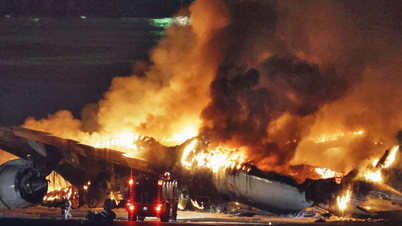
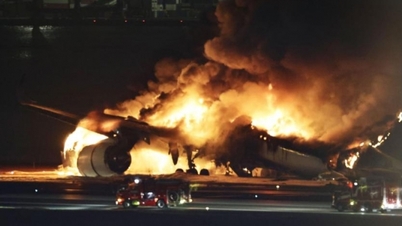
Videos show the passenger plane engulfed in flames as it landed at Haneda Airport in Tokyo after colliding with a Japan Coast Guard (JCG) aircraft.
The intense flames spread throughout the Airbus A350, creating a scene of panic inside as the heat of the fire intensified. The pilot struggled to maintain control, gradually bringing the aircraft to a stop as smoke began to fill the cabin.
As the fire engulfed the aircraft, 367 passengers and 12 crew members exited via emergency slides in a relatively calm state and seemingly without carry-on luggage. Aviation safety agencies have long warned that stopping to retrieve carry-on luggage poses a fatal risk during evacuation.
It was a near-fatal escape, a miracle that everyone managed to get out safely. The firefighters then had to battle a fire so intense that it burned through the entire structure of the plane.
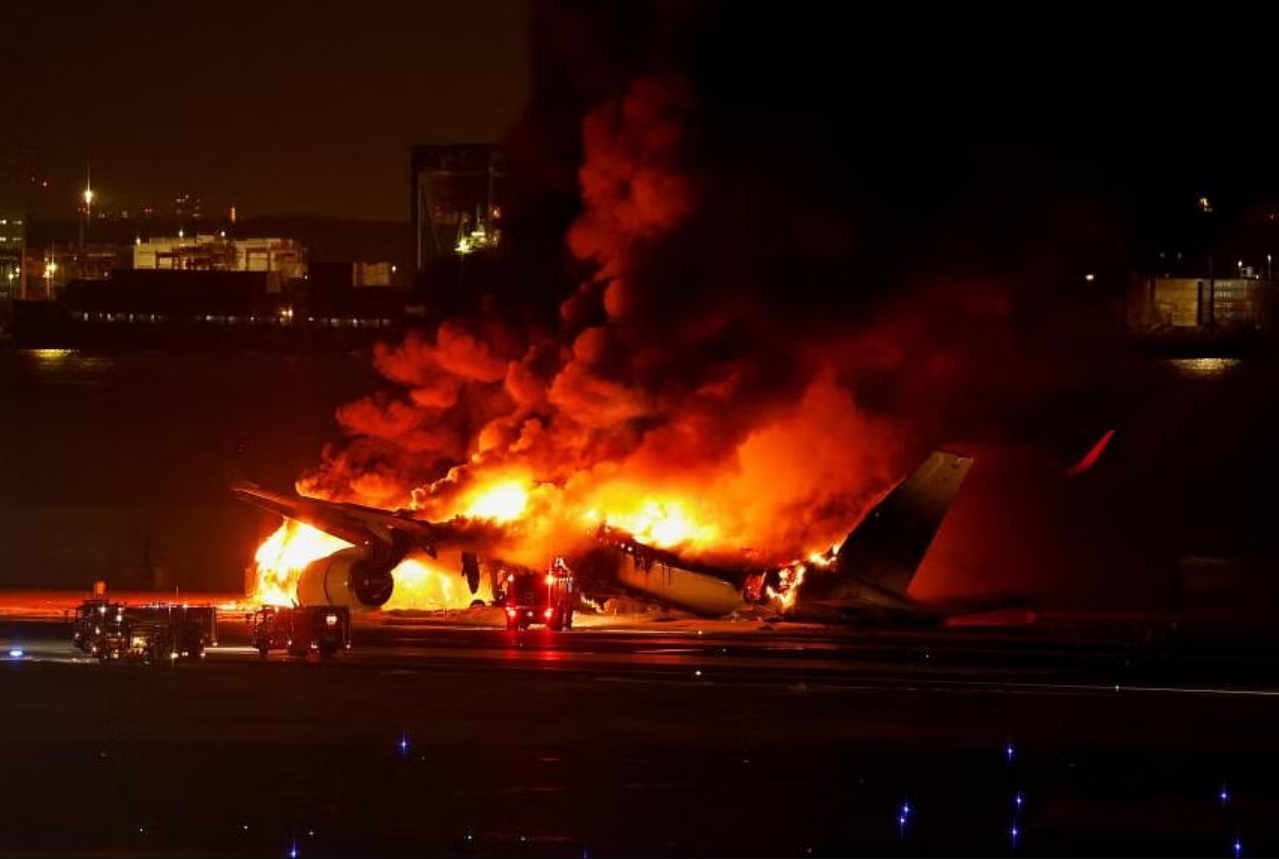
The image shows a Japan Airlines Airbus A350 passenger plane engulfed in flames on the runway of Haneda Airport in Tokyo, Japan, on January 2, 2024. Photo: Straits Times
Tragically, five people aboard the Japanese Coast Guard De Havilland Dash-8 that collided with the Airbus were killed. The pilot survived but was seriously injured. They were en route to Niigata to provide aid to victims of the powerful New Year's Day earthquake.
Japanese Prime Minister Fumio Kishida offered his condolences to the families of the five people who died, whom he said sacrificed themselves while trying to help others. He also praised the Japan Airlines crew and passengers for their composure.
The danger of ground collisions.
Investigations are currently underway while the remains of the massive passenger plane smolder. One of the first tasks will be to recover the flight data recorder and cockpit voice recordings.
The Japan Transport Safety Board (JTSB) will lead the investigation effort, with participation from agencies in France – where the Airbus was built, and in Britain – where the two Rolls-Royce engines were manufactured, Reuters reported on January 3, citing sources familiar with the matter.
Experts warn it is too early to determine the cause and emphasize that most accidents are caused by multiple factors. They also say the location of the accident means that physical evidence, radar data, and witness accounts or camera footage are likely to be available, somewhat easing the burden on forensic analysis.
Japan Airlines stated that the collision occurred almost immediately after their Airbus landed at Haneda, one of Japan's busiest airports, at 5:46 p.m. local time (3:46 p.m. Vietnam time).
The pilot was cleared to land but likely did not see the smaller Dash-8 maritime patrol aircraft below, airline executives said in a late-night press conference on January 2.
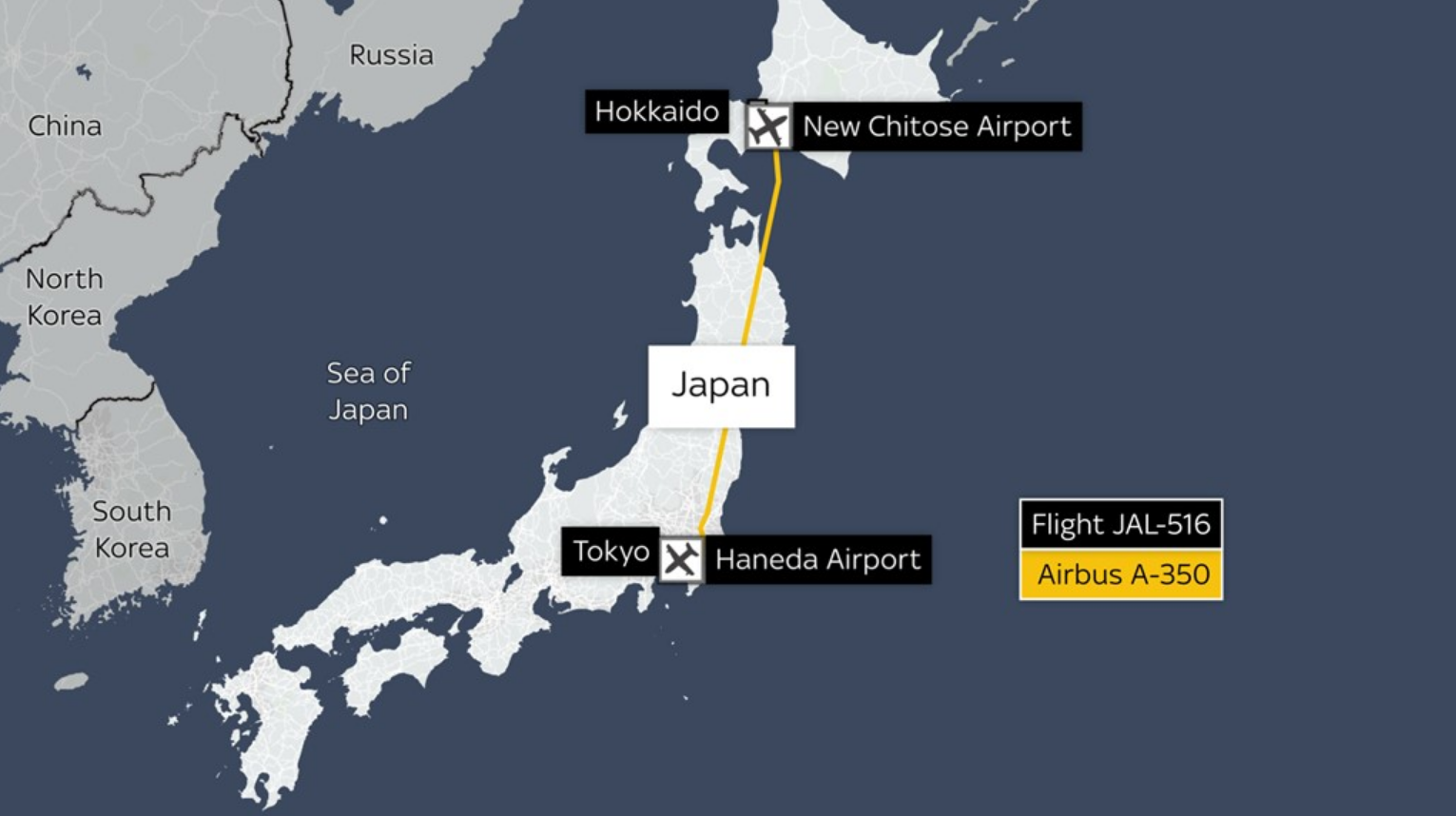
A Japan Airlines plane collided with a Coast Guard aircraft while landing on January 2, 2024. Photo: Sky News
"The obvious question is whether the coast guard aircraft was on the runway and, if so, why it was there," Paul Hayes, Director of Aviation Safety at the UK-based consulting firm Ascend by Cirium, told Reuters on January 3.
The incident at Haneda Airport was the first serious accident involving the Airbus A350 – Europe's leading twin-engine long-range jet, which has been in service since 2015.
And according to preliminary data from 2023, the collision between the Japanese Coast Guard Dash-8 aircraft and a passenger plane three times its length occurred after one of the safest years in aviation history.
The incident also comes after the US-based Flight Safety Organization warned last month about the risk of runway collisions and the increasing number of runway "incursions" as airspace becomes more congested.
“Despite years of efforts to prevent these intrusions, they still happen,” Hassan Shahidi, CEO of the Flight Safety Foundation, said in a statement. “The risk of runway intrusion is a global concern, and the potential consequences of an intrusion are very serious.”
Although ground collisions that cause injury or damage have become rare, their potential to be fatal remains the highest of any type of aviation incident, and near-collisions are becoming more common.
The 1977 collision between two Boeing 747s in Tenerife, Spain, which killed 583 people, remains the deadliest aviation accident to date.
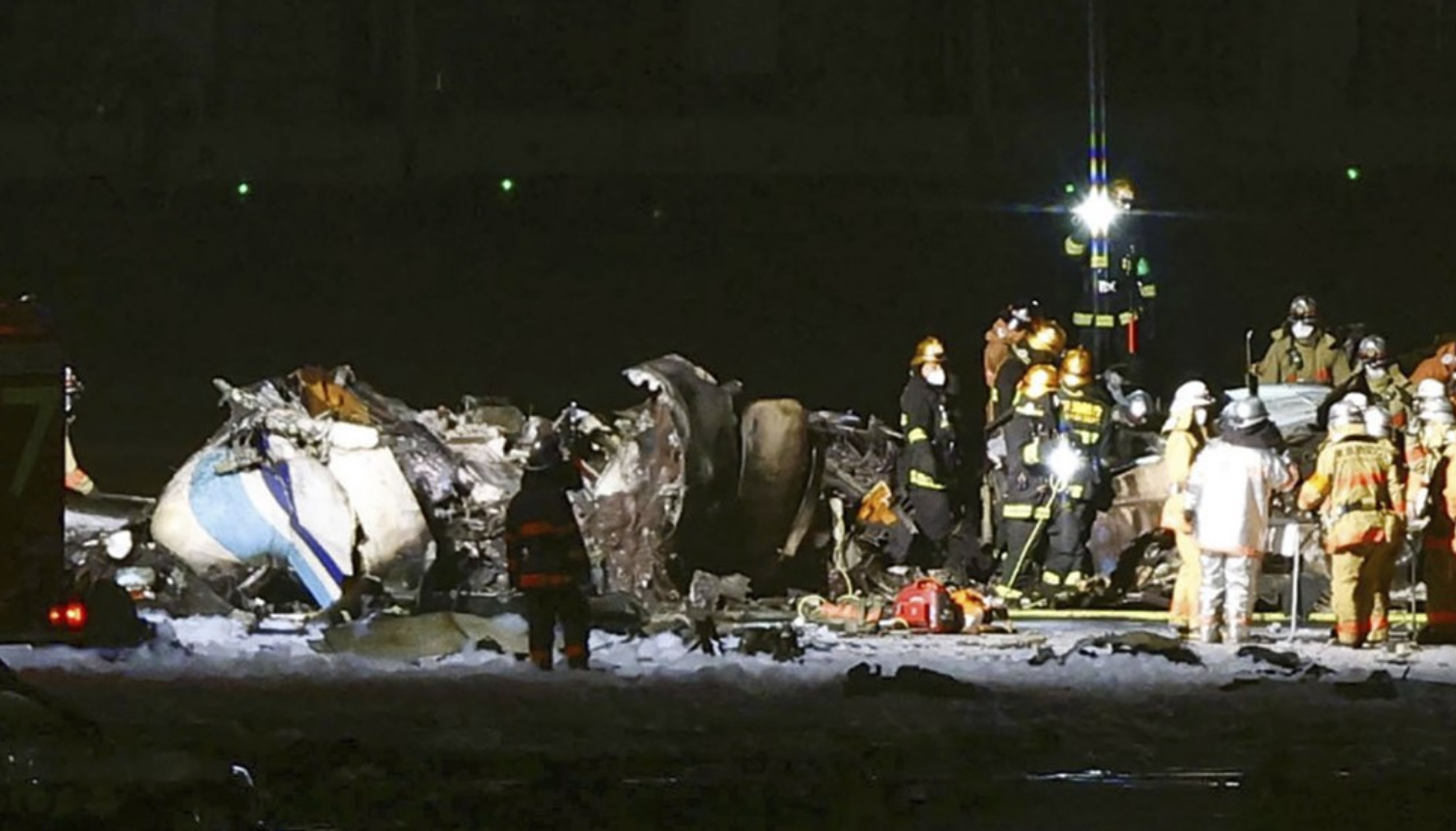
The remains of a Japan Coast Guard (JCG) aircraft after an accident on January 2, 2024. The Bombardier Dash-8 is widely used on short-haul flights. In this case, it was being piloted by a crew of six and was scheduled to fly to Niigata to deliver relief supplies to people affected by the deadly earthquake in the region. Photo: Sky News
Steve Creamer, a former senior director at the International Civil Aviation Organization, said preventing aircraft from colliding with other aircraft during landing is one of the top five global safety priorities.
Despite the increasing use of automated landings, experts believe that much still relies on the pilot's visual inspection, which can be distracted by high workloads or obstructed visibility.
“I think the investigation will focus heavily on the permits… and then on what the Japan Airlines crew might have seen. Could they have seen the Coast Guard plane on the runway?” said John Cox, a former U.S. air accident investigator.
7-star airline
While investigations into what happened in the incident that caused the plane to burst into flames are ongoing, experts attribute the successful evacuation of all passengers and crew to a combination of modern safety standards and Japan Airlines' rigorous safety culture.
"From what I saw on the footage, I was surprised and relieved that everyone had gotten out," said Graham Braithwaite, Professor of Safety and Accident Investigation at Cranfield University (UK).
“That was a serious impact any aircraft would have suffered. But given what I know about Japan Airlines, and the level of effort they put into ensuring safety and training their crew, it’s not surprising that they did such a good job.”
According to Mr. Braithwaite, in fact, it was the catastrophic accident nearly 40 years ago that helped Japan Airlines (JAL) become such a safe airline.
On August 12, 1985, JAL Flight 123 from Tokyo to Osaka crashed, killing 520 of the 524 people on board, after Boeing technicians – not members of JAL – repaired a tail section following a previous incident. To this day, it remains the single deadliest aircraft accident in aviation history.
“Clearly, the impact of the 1985 incident was very profound for the Japanese airline,” said Braithwaite. “In a culture like Japan's, they take responsibility collectively and want to ensure that nothing similar happens again. So when an incident occurs, they see it as a way to learn. Everything is an opportunity to improve.”
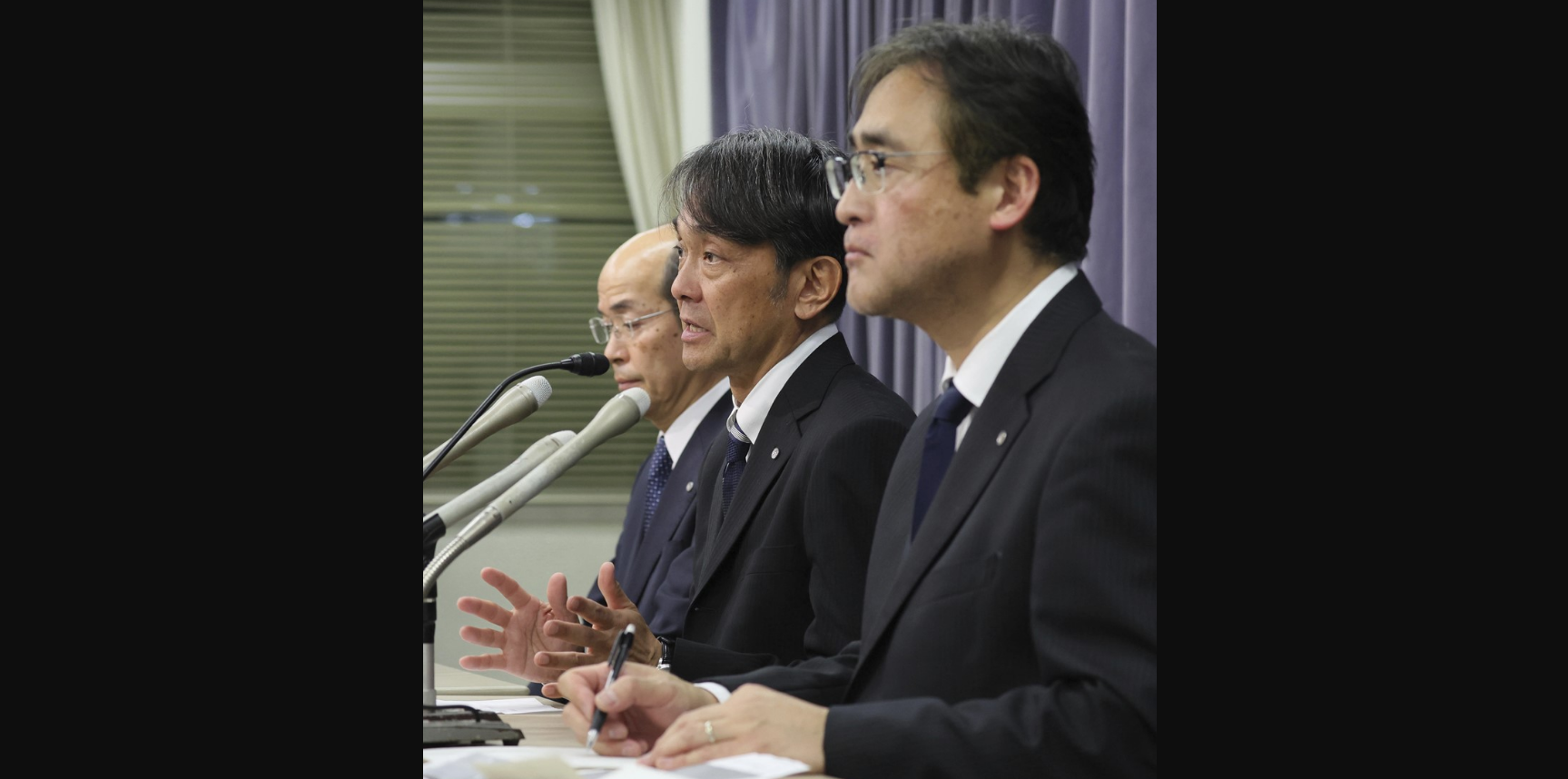
Noriyuki Aoki (center), an executive at JAL, said at a press conference on January 2, 2024, that the flight crew had received clearance to land from air traffic control. Photo: Sky News
In 2005, realizing that many employees had joined the company without remembering the accident that had happened 20 years earlier, JAL opened a space in its headquarters to display wreckage as well as the stories of the crew and passengers.
“It feels like there are people in the aviation industry who don’t know what it feels like to make a mistake. People need to understand how much effort goes into achieving safety,” said Braithwaite, adding that nearly four decades later, the accident still deeply affects the company’s morale.
“They have a very strict culture regarding standard operating procedures and doing things the right way. That’s one of the reasons why, in this case, I think the crew seemed to have performed very well,” Braithwaite commented.
Although it is unclear who was responsible for the accident on January 2nd, Mr. Braithwaite considered the successful evacuation of the entire aircraft a positive development for Japan Airlines. He said, "If you want to know why you should fly with them, I think this is the reason."
JAL is consistently recognized among the world's safest airlines in the annual lists compiled by Airlineratings.com.
“The Japanese airline has achieved an excellent safety record since 1985. However, that accident was not the airline’s fault but rather a repair error made by Boeing,” said Geoffrey Thomas, editor-in-chief of Airlineratings.com.
“JAL is rated a top 7-star airline by our website and has passed all major safety audits. Furthermore, the Japanese aviation safety authority performed better than the world average in 8 oversight criteria for compliance . ”
Minh Duc (Based on Reuters, CNN, PBS News)
Source





















































































Comment (0)