

SGGP
To mitigate the impact of prolonged extreme heat, several cities in the US are implementing support measures by strengthening communication between residents and local authorities.
 |
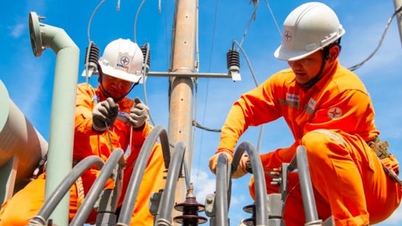
| How a construction worker in Washington DC "cools down". |
Recently, preparedness for heatwaves in American cities has improved with more accurate forecasts. Chicago has expanded its emergency notification system using text messages and emails, and identified the most vulnerable residents for targeted support during peak heatwaves. Chicago has also implemented smart changes such as deploying a heat emergency plan, conducting regular health checks, and creating cooling centers. In Baltimore, the "Extreme Temperature - Red Code" warning system has proven effective. When the forecast indicates temperatures of 40.5 ° C or higher, an alert is issued, and actions such as increasing social services in the most vulnerable communities are implemented. Several cities, including Miami, Phoenix, and Los Angeles, have appointed officials specifically dedicated to responding to heatwaves.
The U.S. government has launched the inter-agency website Heat.gov, providing several useful tools such as guidance on the heat index and tracking and forecasting heatwave conditions and their health impacts. There are now suggestions that the government should establish a federal heat response agency to monitor policies from their inception to completion, as well as develop specific plans to support areas not typically facing heatwaves, such as the Pacific Northwest. While significant improvements have been made in addressing heatwaves, climate experts believe that these new steps in the U.S. are still insufficient, given the ongoing record-breaking temperatures and the persistent inequality among the most vulnerable.
Cities should address this by investing in sustainable development and promoting environmentally friendly solutions. Professor Eric Klinenberg of New York University stated, "No city is truly prepared for the worst-case scenario that some climate scientists fear." Heatwaves are the leading cause of death among all weather-related disasters in the United States. The U.S. Environmental Protection Agency estimates that more than 1,300 people die from heatwaves each year in the country.
Around the world, cities in many countries have adopted measures to combat the heatwave. France implemented a temperature monitoring and warning system after a prolonged heatwave in 2003 that killed 15,000 people, many of whom were elderly people living in apartments and city homes without air conditioning. This warning system included public announcements urging people to avoid dehydration. This past June, Germany launched a new campaign against heat-related deaths, inspired by France's experience.
Following the severe heatwave in India in 2010 that killed more than 1,300 people in Ahmedabad, city officials planned an action program to raise awareness among local residents and healthcare workers. This included an initiative to paint rooftops white to reflect sunlight.
Source


![[Photo] General Secretary and President To Lam presides over the meeting to approve the draft report on the results of the second inspection by the Politburo of the Standing Committee of the Hanoi City Party Committee.](https://vphoto.vietnam.vn/thumb/1200x675/vietnam/resource/IMAGE/2026/05/26/1779789811432_a2-bnd-4430-9620-jpg.webp)







































































































Comment (0)