

Not only contributing to promoting cultural identity and preserving traditional heritage, community tourism also opens up a new path for sustainable poverty reduction. Thanks to that, many poor villages are gradually transforming into attractive cultural and ecological destinations.
Rich potential from identity and nature
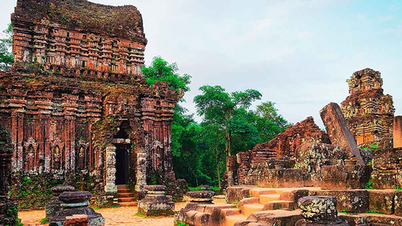
Vietnam has 54 ethnic groups, each with its own unique cultural treasure: from stilt house architecture, festivals, folk music , costumes, cuisine, to traditional crafts. These values cannot be copied and are the "soft assets" that create a strong attraction for domestic and foreign tourists.
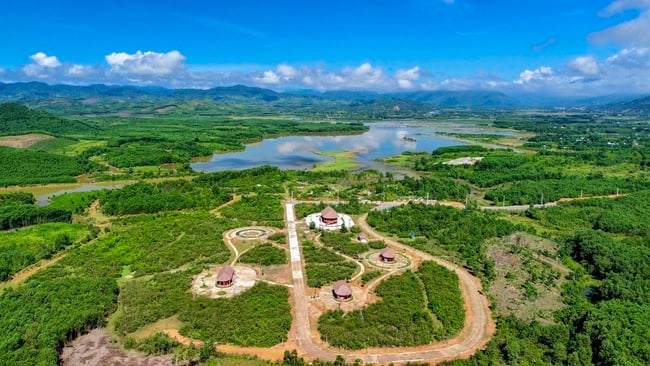
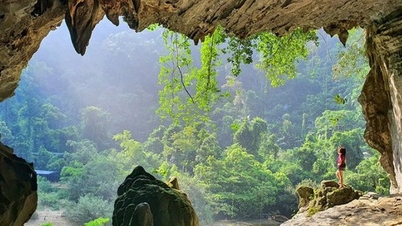
The highlands, remote areas still retain their pristine natural beauty.
Along with that, the highland, remote and isolated areas still retain their pristine natural beauty: terraced fields, waterfalls, old forests, rivers, streams, stone plateaus, ancient villages... This is an invaluable resource for developing various types of eco-tourism, trekking, experiential tourism or agricultural tourism.
Many assessments show that, if properly invested, community tourism in ethnic minority areas can become one of the key industries, contributing greatly to people's income.
Unlike traditional tourism models, community tourism puts people at the center. People are not only service providers but also cultural preservers. Each household can provide services such as homestay, cuisine, experience guides, cultural performances, costume rental or handicraft sales.
For highland families, tourism income is especially important. Just by renovating their houses into homestays, organizing traditional meals or guiding farmers to experience harvesting agricultural products, people can generate additional income from several million to tens of millions of VND per month.
Many localities have reported that after the arrival of tourists, people’s lives have changed significantly. Households that were previously poor have now become well-off thanks to tourism, growing clean products or selling handicrafts.
Preserving culture – the key to sustainable development
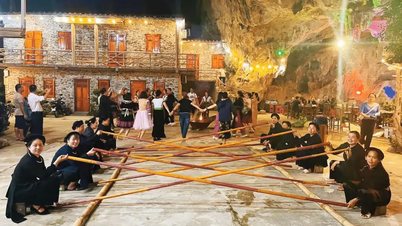
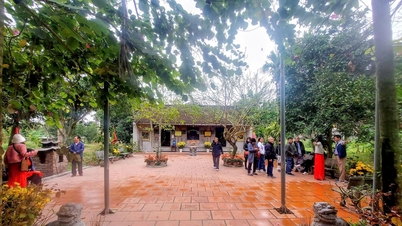
One of the greatest values of community tourism is its contribution to preserving cultural identity. Tourists come to the highlands not only to enjoy the scenery but also to immerse themselves in the local cultural life: listening to the Khen, Xoe dancing, watching brocade weaving, eating traditional dishes or participating in festivals.
When culture becomes a source of income, people will be more conscious of preserving it. Young people learn their ancestors' trades to perform for guests, women preserve traditional weaving and musical instrument making. Songs and dances that were once in danger of being lost are now restored.
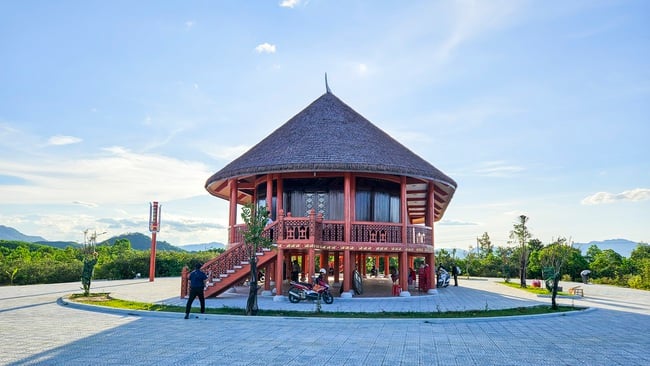
Community tourism not only enriches the economy but also preserves important spiritual values of each community.
Thus, community tourism not only enriches the economy but also preserves important spiritual values of each community.
A prominent trend in community tourism development is to link tourism with commodity production. Many localities have built the "one village one product" model, linking OCOP products with tours.
Tourists not only visit but also experience growing vegetables, picking tea, harvesting medicinal herbs, and making handicrafts. These products are then sold right at the tourist destination, helping to increase the value and promote the local brand.
Organizing experiential tours also helps people sell fresh agricultural products, while opening up opportunities to sign contracts with distribution businesses. This is a "two-in-one" model: doing tourism and consuming products, creating double income for households.
Community-based tourism has a huge social impact, especially for women and youth – two groups that often have limited employment opportunities in mountainous areas. By participating in homestays, cooking, guiding tourists or performing cultural performances, ethnic minority women have a stable source of income and improve their communication and management skills.
Instead of leaving their hometowns to work far away from home, young people in the highlands can now become local tour guides, homestay managers, transport service providers, sales people, or start businesses based on their hometown strengths. This helps to limit the migration of young workers and preserve local human resources.
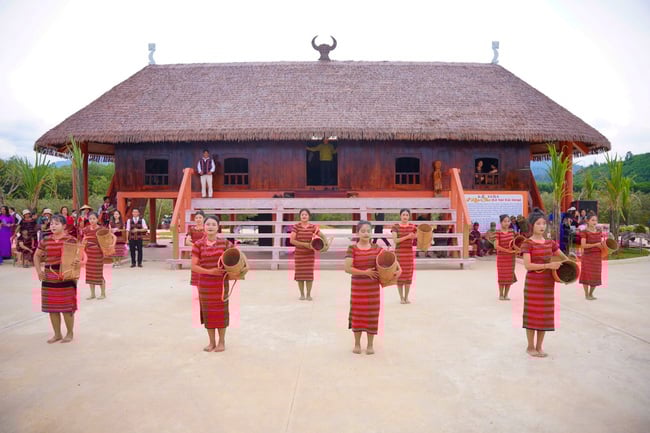
Many localities have implemented training courses on tourism skills.
Despite its great potential, community tourism is still facing a number of difficulties such as unsynchronized infrastructure, degraded roads, inadequate toilets, unprofessional accommodation services or lack of unique products.
Some villages lack the skills to welcome visitors, lack communication skills or do not know how to use social networks to promote their products. These are limitations that prevent community tourism from developing to its full potential.
To overcome this, many localities have launched training courses on tourism skills: welcoming guests, cooking, preparing rooms, promoting products, basic communication in foreign languages. At the same time, they have invested in projects such as cultural houses, parking lots, check-in points, waste collection systems, etc. to improve service quality.
The main goal of community tourism is still to increase income but at the same time preserve culture and protect the environment. Therefore, localities are focusing on developing according to the "green tourism" model, encouraging the use of natural materials, limiting plastic waste, preserving the landscape and respecting local customs.
In addition, the government and businesses are encouraged to cooperate with the community, share benefits fairly, and avoid massive development that disrupts local culture.
Source: https://bvhttdl.gov.vn/du-lich-cong-dong-mo-vang-mem-giup-vung-dan-toc-thieu-so-but-pha-va-giam-ngheo-ben-vung-2025120315313581.htm













![[Photo] Parade to celebrate the 50th anniversary of Laos' National Day](/_next/image?url=https%3A%2F%2Fvphoto.vietnam.vn%2Fthumb%2F1200x675%2Fvietnam%2Fresource%2FIMAGE%2F2025%2F12%2F02%2F1764691918289_ndo_br_0-jpg.webp&w=3840&q=75)
![[Photo] Worshiping the Tuyet Son statue - a nearly 400-year-old treasure at Keo Pagoda](/_next/image?url=https%3A%2F%2Fvphoto.vietnam.vn%2Fthumb%2F1200x675%2Fvietnam%2Fresource%2FIMAGE%2F2025%2F12%2F02%2F1764679323086_ndo_br_tempimageomw0hi-4884-jpg.webp&w=3840&q=75)



























































Comment (0)