

Although the EU has abandoned its controversial plan to reduce pesticide use, Vietnamese agricultural products exported to this market must still meet certain standards.
EU abandons controversial plan to cut pesticide use.
According to a quick update to reporters from the Industry and Trade Newspaper, Ms. Nguyen Thi Hoang Thuy, Director and Head of the Vietnamese Trade Office in Sweden, also responsible for the Nordic market, stated that the European Union (EU) has recently officially abandoned its controversial plan to reduce pesticide use, as confirmed by Agriculture Commissioner Christophe Hansen. This marks a significant shift in the bloc's agricultural strategy, as well as an adjustment in policy under the European Green Deal.
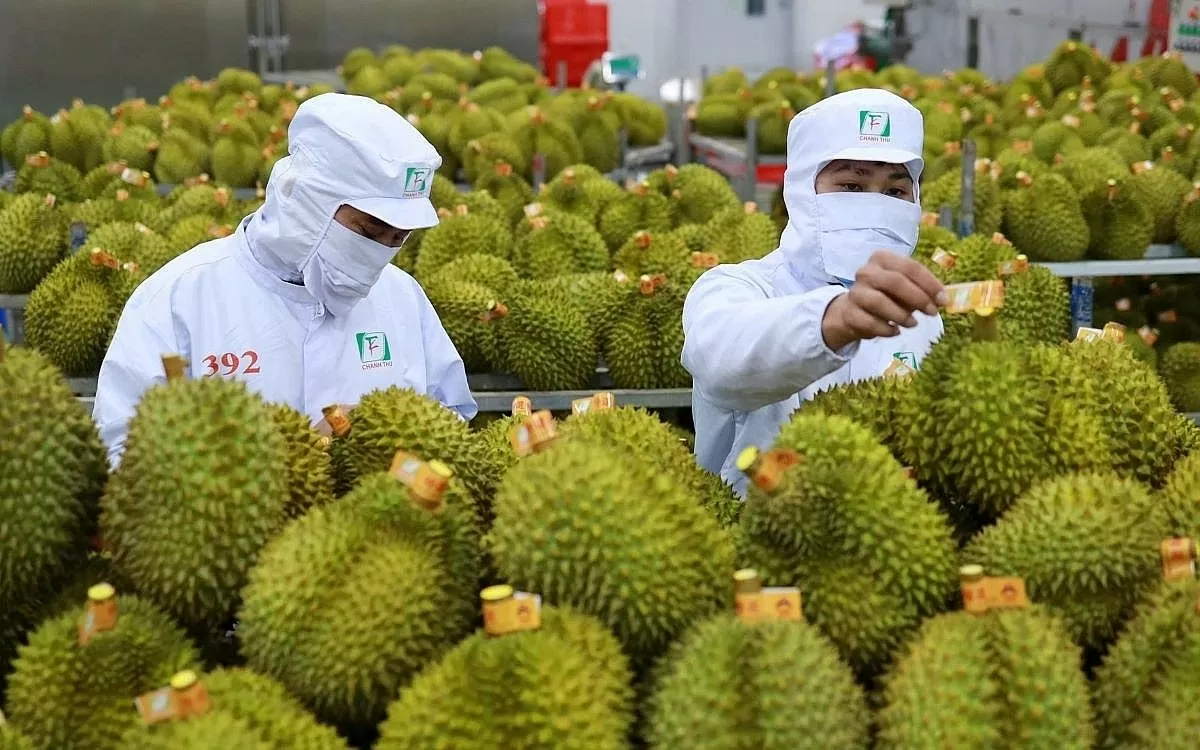 |
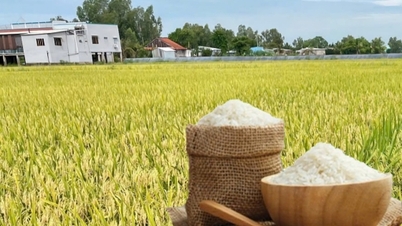
| The EU is one of the largest markets for Vietnamese agricultural products (Photo: VGP) |
Previously, the goal of reducing pesticide use by 50% by 2030 was the cornerstone of the EU's sustainable agriculture policy. However, this plan has been abandoned indefinitely following much controversy and strong opposition from farmers and right-wing parties.
In an interview with Euronews, Christophe Hansen, EU Commissioner for Agriculture and Food, stated: “We have made no progress. This issue is no longer on the European Commission’s agenda.”
The Sustainable Use of Pesticides (SUR) plan, proposed in June 2022, set out strict restrictions, including a complete ban on pesticides in sensitive areas such as urban parks and the Natura 2000 conservation area. However, the plan faced fierce opposition from farmers, leading to its withdrawal in 2023.
European Commission President Ursula von der Leyen had promised to present a "more mature" proposal, but this plan was postponed until after the European Parliament elections in June 2024. Now, Christophe Hansen has confirmed that future initiatives will focus on trade and technological innovation, rather than imposing mandatory targets on pesticide reduction.
Ms. Nguyen Thi Hoang Thuy further informed that Mr. Christophe Hansen emphasized that the EU will prioritize raising trade standards and ensuring that imported food complies with the bloc's pesticide regulations. One of the important initiatives is the Biotech Act, aimed at accelerating the development of safer alternatives to traditional pesticides.
"We need to make greater efforts to develop solutions that do not harm the environment and human health," Christophe Hansen emphasized.
In 2024, the EU is expected to propose measures to expedite the approval process for biopesticides, as part of a plan to simplify regulations. This is one of the few aspects of the initial pesticide policy that has received broad consensus.
This strategic shift reflects a new vision for EU agriculture and food, placing a focus on engaging younger generations in the agricultural sector rather than solely on environmental restrictions.
Opportunities and challenges for Vietnamese agricultural export businesses.
For Vietnamese businesses exporting to the EU, Ms. Nguyen Thi Hoang Thuy emphasized that the EU's abandonment of its pesticide reduction plan could help Vietnamese agricultural exporters reduce pressure in meeting stringent environmental standards. However, the EU is a market with high quality requirements, and it will continue to tighten import standards, especially regarding pesticide residues.
Ms. Nguyen Thi Hoang Thuy provided specific information, stating that for other standards, the EU requires imported agricultural products to meet strict maximum residue limits (MRLs) for pesticides. Some chemicals not permitted for use in the EU will be completely banned from imported products.
Regarding phytosanitary certificates, according to EU regulations, most fresh agricultural products imported into the EU require a phytosanitary certificate. This certificate ensures that the product is free from harmful organisms.
The EU also applies higher inspection rates to products with a high risk of chemical residue from certain countries. For example, 50% for peppers from the Dominican Republic; 30% for oranges and peppers from Egypt; 10% for beans and 20% for chili peppers from Kenya.
Regarding honey specifically, Ms. Nguyen Thi Hoang Thuy shared that the Nordic honey market, including countries like Sweden, Denmark, and Norway, is implementing strict traceability regulations under the EU Honey Directive (Directive 2024/1438). These changes aim to enhance transparency, prevent adulteration of honey, and ensure product quality. This presents both a challenge and a great opportunity for Vietnamese businesses wishing to access the Nordic market.
Accordingly, new traceability requirements in Northern Europe demand that honey be clearly labeled with its country of origin. All blended honeys must clearly state the country of origin on the main label. In addition, honey samples will be tested using advanced technology to ensure authenticity. The entire supply chain, from the beehive to the final product, must be clearly documented. Specifically, by 2028, the EU will implement standardized honey analysis methods across the region.
Alternatively, according to document No. 27/SPS-BNNVN dated February 12, 2025, from the Vietnam SPS Office ( Ministry of Agriculture and Rural Development ), many Vietnamese export products have failed to meet the stringent EU standards.
Specifically, from the beginning of 2025 to the present, the EU's food and feed safety system has issued 12 warnings regarding Vietnamese food and agricultural/agricultural export products. These products have been handled through warnings, recalls, or even destruction due to failure to meet the strict regulations of the EU market.
One of the main reasons is that businesses have not registered their products containing ingredients classified as "novel foods" according to EU regulations.
Furthermore, many businesses also make mistakes in declaring product ingredients. A typical example is incorrectly labeling ingredients that are likely to cause allergies. For instance, frozen battered shrimp did not declare the allergen (egg in the batter), and organic cashew powder did not mention peanuts, leading to the recall of these products.
In addition, the use of additives is prohibited or exceeds prescribed limits.
In addition, there were violations of regulations regarding "mixed products." Businesses failed to conduct veterinary quarantine or did not fully declare animal-derived ingredients at border crossings.
The above information shows that Vietnamese agricultural products exported to the EU market still have to meet very high requirements. "Therefore, Vietnamese businesses need to continue improving product quality, investing in clean farming technology, and ensuring compliance with new EU standards to maintain and expand market share in this region," emphasized Ms. Nguyen Thi Hoang Thuy.
| In 2024, Vietnam's exports of agricultural, forestry, and aquatic products reached a record value of US$62.5 billion, an increase of 18.7% compared to 2023. Of this, the EU market accounted for 11.3%. |
Source: https://congthuong.vn/eu-tu-bo-muc-tieu-giam-thuoc-tru-sau-voi-nong-san-375121.html
















































































Comment (0)