

After three years of implementing Directive No. 08-CT/TU of the Provincial Party Committee, land clearance work has been carried out vigorously, achieving many results, completing the investment and construction of several important projects in the province, creating a strong transformation throughout the political system, and gaining the trust and consensus of the majority of the people. However, in the context of many new regulations of the Land Law, the Public Investment Law, and related laws, the implementation of Directive No. 08-CT/TU has given rise to shortcomings and limitations in land clearance work. Therefore, the Provincial Party Committee recognizes the need to issue a new policy to meet current practical requirements, emphasizing more decisive and effective leadership and direction in land clearance work in the province.
After three years of implementing Directive No. 08-CT/TU, the entire province has completed land acquisition, compensation, and resettlement support for 354 projects, totaling 1,083.2 hectares.
Quynh Phu - a shining example of the land donation movement for road construction.
Sharing about the early days of implementing Directive No. 08-CT/TU in Quynh Phu district – a shining example of the land donation movement for road construction in Thai Binh province – Mr. Nguyen Van Nhiem, Deputy Secretary of the District Party Committee and Chairman of the District People's Council, said: Immediately after Directive No. 08-CT/TU was issued, the Standing Committee and the Executive Committee of the District Party Committee were very concerned and worried. How could we ensure the Directive truly worked effectively and created consensus among the people? We conducted thorough research, held serious meetings, and issued Conclusion Notice No. 220-TB/HU, dated July 13, 2021, of the District Party Committee's Executive Committee on mobilizing people to voluntarily and agree to contribute land use rights to the State without reclaiming them for the renovation, upgrading, and expansion of transportation routes. With the spirit of learning from experience as we go, after the initial success in the pilot commune of Quynh Ngoc, the district launched a competitive emulation movement, spreading the spirit of land donation for road construction throughout the district. To date, donating land for road construction has become a widespread and enthusiastic movement throughout the district. In Quynh Phu district, whenever a road is built, people donate land, whether it's a provincial road, district road, inter-commune road, village road, or main internal field road; some households contribute nearly 300 square meters of residential land or over 2,000 square meters of agricultural land, and some households donate land worth over 2 billion VND... To date, more than 7,000 families in the district have voluntarily donated land use rights to the State, totaling over 50 hectares, worth nearly 800 billion VND.
Spreading the spirit of Directive No. 08-CT/TU
Starting from the exemplary example of Quynh Phu, the movement of donating land for road construction has spread to many other localities throughout the province. To date, in many areas, people and households are actively participating in the movement to donate land for road construction. The face of rural areas is gradually undergoing a dramatic transformation.
The Lien Ha Thai Industrial Park (Thai Thuy district) has a total land clearance area of 588.84 hectares belonging to 4 enterprises and 3,603 households, including 3,207 households with rice fields, 332 households with converted land and alluvial land along the riverbanks, and 64 households with residential land. After nearly 3 years of implementation, Thai Thuy district has basically completed the land clearance for the project, with only remaining obstacles related to the residential land of some households and the land of 2 enterprises.
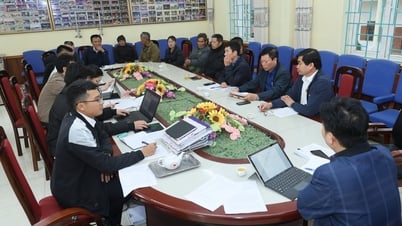
Mr. Pham Van Chung, Permanent Vice Chairman of the People's Committee of Thai Thuy District, said: Recognizing the importance of land clearance as a crucial prerequisite for the project's success, the district has mobilized the entire political system. The district has established a steering committee and a land clearance council, assigning tasks to each Party committee member, head of departments, and mass organizations responsible for specific areas and fields to focus on directing, inspecting, and supervising implementation. Weekly meetings are held by the District People's Committee to assess results and progress, identify difficulties and obstacles, and promptly discuss solutions to ensure land clearance proceeds according to schedule. In addition, the district has implemented many flexible and creative solutions, from mobilizing people and disseminating information about land clearance policies and the socio-economic benefits of the project, to create high levels of public consensus.
According to the report, after 3 years of implementing Directive No. 08-CT/TU, the People's Committees of districts and cities have completed land acquisition, compensation, and resettlement support for 354 projects, totaling 1,083.2 hectares; of which 37 projects involved voluntary land donations from the people, covering an area of 39.7 hectares. Land clearance is currently underway for 135 projects with a total area of nearly 2,500 hectares; of which, over 1,500 hectares have been cleared, and nearly 950 hectares are still being cleared.
The "key" to resolving difficulties in land clearance work.
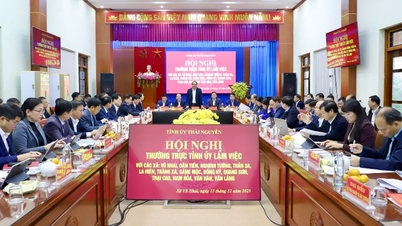
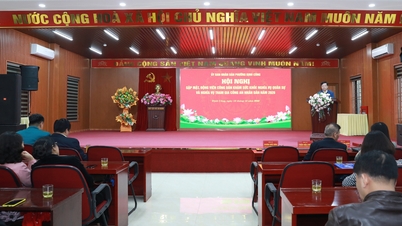
In the context of numerous new regulations under the Land Law, the Public Investment Law, and related legislation, the implementation of Directive No. 08-CT/TU has revealed shortcomings and limitations in land clearance work. Therefore, it is necessary to issue a resolution of the Provincial Party Standing Committee on focusing leadership and direction on land clearance work in the province. Resolution No. 10-NQ/TU of the Provincial Party Standing Committee emphasizes even greater focus in leadership and direction of land clearance work, highlighting the role and responsibility of local Party committees and authorities, especially their leaders.
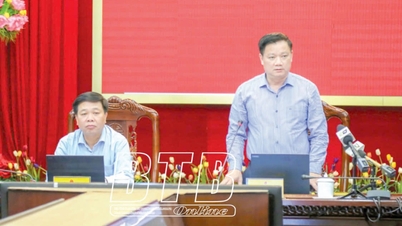
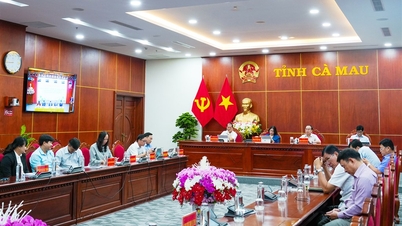
Comrade Nguyen Khac Than, Secretary of the Provincial Party Committee and Chairman of the Provincial People's Committee, stated: Besides the achievements, land clearance work in some localities, agencies, and units still has many shortcomings and limitations, failing to meet the set requirements. Land clearance remains a "bottleneck" for the province's socio-economic development. Resolution No. 10-NQ/TU emphasizes the Provincial Party Standing Committee's viewpoint requiring more focused, decisive, and effective leadership and direction in land clearance work. Land clearance must be identified as a key political task; it is the responsibility of local Party committees and governments; and it is also the responsibility of the entire political system where the project is located, as well as the responsibility of relevant agencies, units, and functional forces. The results and progress of land clearance are a measure of the leadership and implementation capacity of local Party committees and governments, especially the capacity of the head of each agency. Resolution No. 10-NQ/TU also emphasizes the Standing Committee of the Provincial Party Committee's viewpoint on land donation in land clearance work, in the spirit of propaganda and mobilization to create consensus among the people, creating mechanisms to encourage and spread the voluntary movement of "land donation" and "donating land plus assets on the land," thereby bringing positive and concrete results in localities. It requires innovation in leadership methods, strengthening and improving the capacity of units responsible for land clearance; as well as allocating resources to carry out land clearance tasks to create clean land funds...
Hopefully, with focused leadership, decisive action, and serious and effective implementation by Party committees, local governments, agencies, and units throughout the province in carrying out Resolution No. 10-NQ/TU of the Provincial Party Standing Committee, a strong transformation will be created, removing bottlenecks and obstacles in land clearance work, and creating a foundation to promote socio-economic development in the coming time.
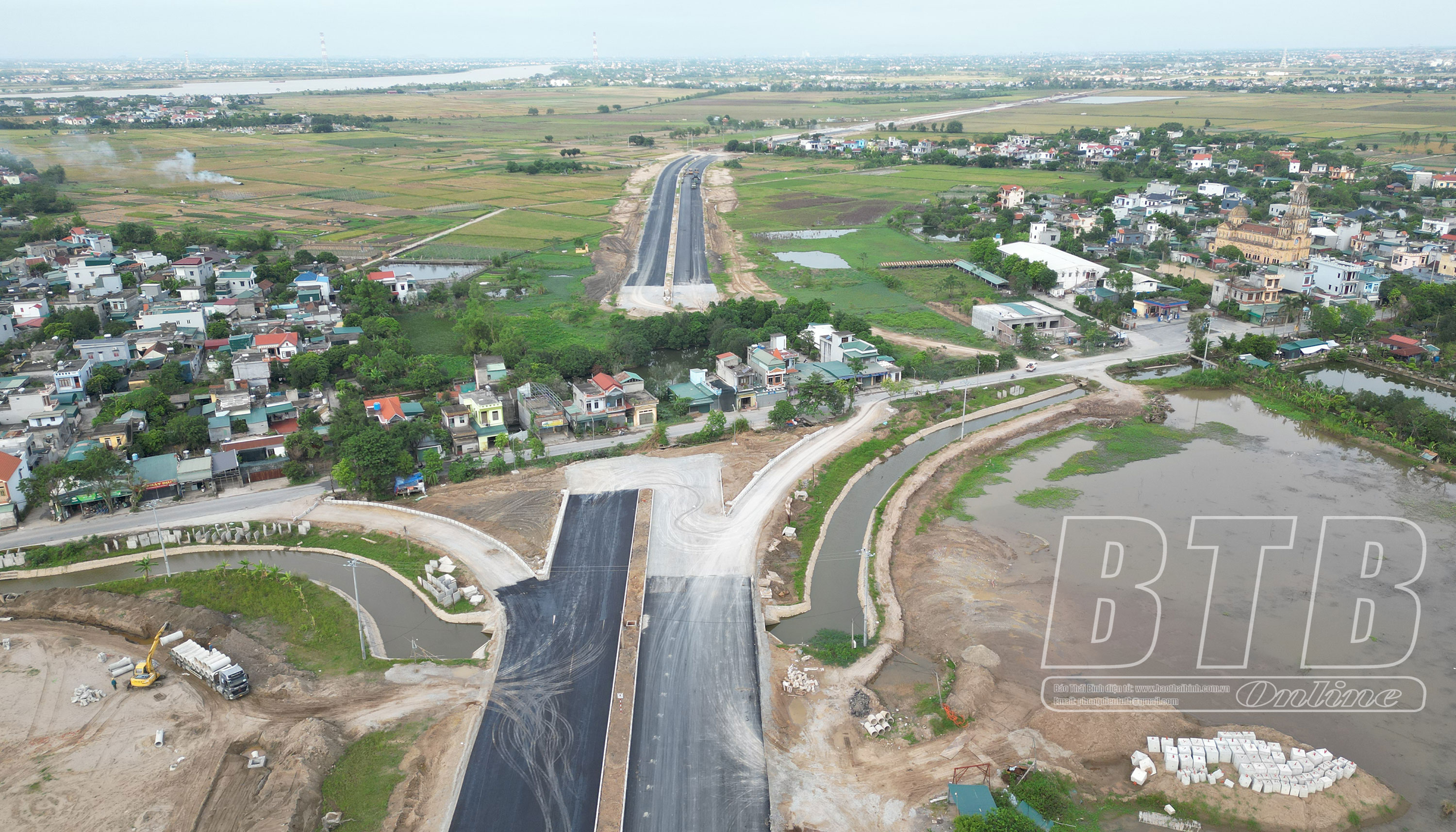
Thai Binh province recognizes that land clearance remains a "bottleneck" hindering the province's socio-economic development.
Nguyen Thoi
Source: https://baothaibinh.com.vn/tin-tuc/4/214155/giai-phong-mat-bang-tu-chi-thi-so-08-ct-tu-den-nghi-quyet-so-10-nq-tu







































































Comment (0)