

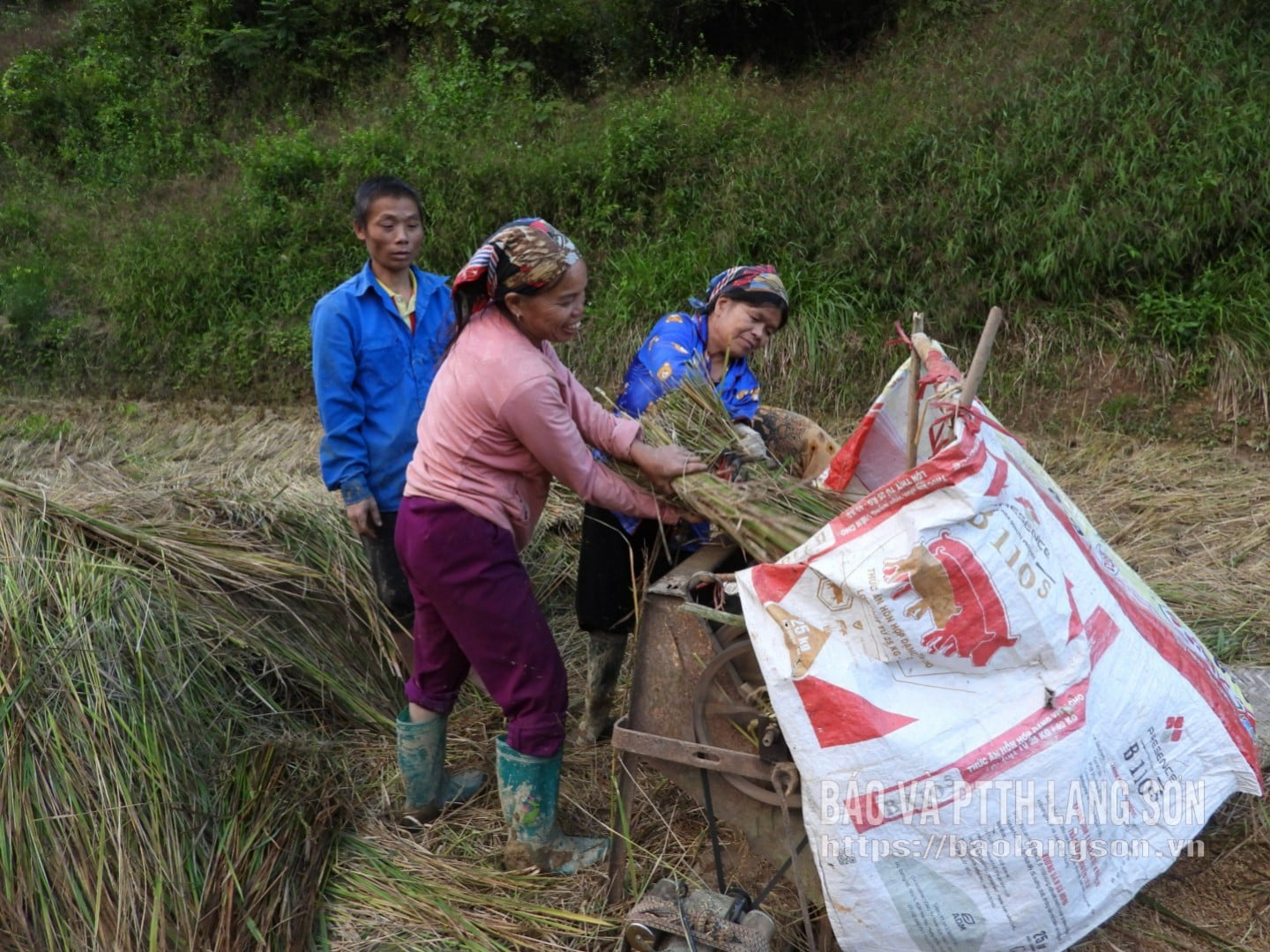
Quy Hoa commune has a natural area of 130 km2, 8 villages, 654 households with 3,001 people. According to the poor household review, by the end of 2025, the whole commune has 315/654 poor households, accounting for 48.1% of households and is the locality with the highest poverty rate in the province at present.
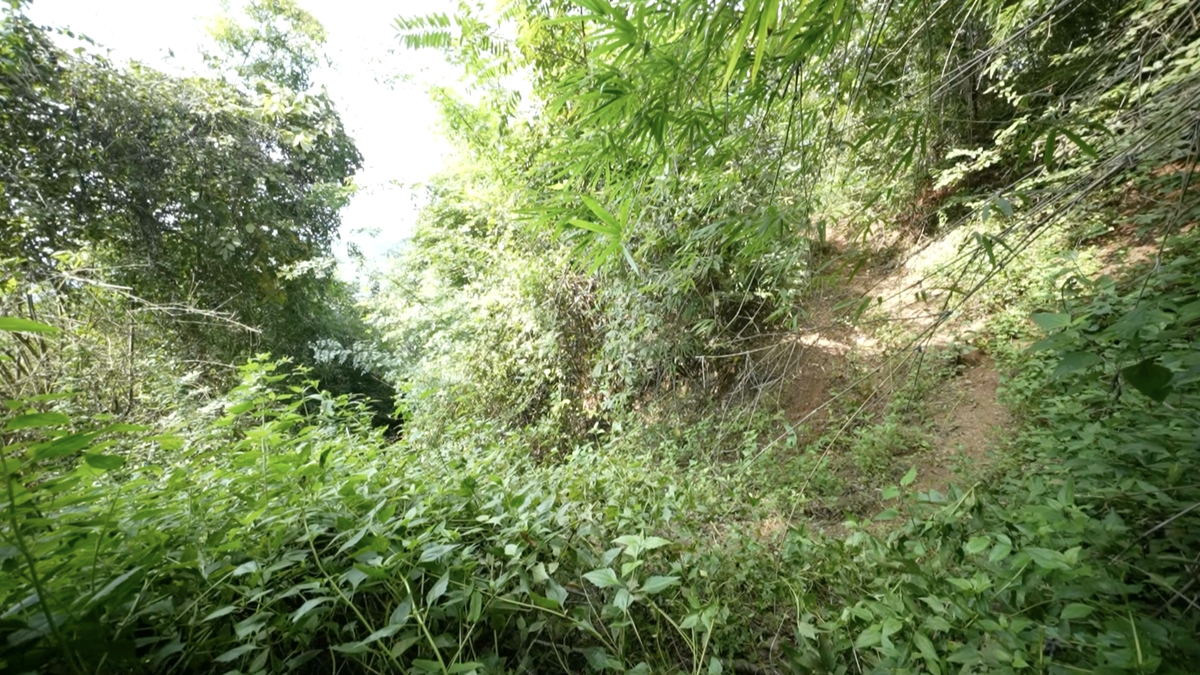
According to research, one of the reasons why Quy Hoa commune has a high rate of poor households is because the commune's conditions are particularly difficult, the whole commune has up to 85% of its natural area being steep hills and mountains and 75% of its forestry land area being natural forests that cannot be developed for new forest plantations. Along with that, the agricultural land area for producing food crops is very small and fragmented, only ensuring self-sufficient food; the development of livestock farming in the direction of semi-grazing is slow to develop, there is no grazing land due to the steep slope of the forest land.
Mr. Hoang Van Chung, Secretary of the Party Committee of Quy Hoa Commune, said: The biggest difficulty in the leadership and direction of the commune in poverty reduction work is the accumulation of land with a large enough area to build agricultural production models, associated with the application of techniques to improve productivity and quality. Besides, due to the fragmented terrain and large slopes, the productivity of crops such as corn, cassava, and peanuts is not high. In addition, the commune has a large forest area, but the natural forest area accounts for 75% of the existing forest area, which also causes the commune to lose a potential source of income from forestry.
According to the report of the People's Committee of Quy Hoa commune, the whole commune currently has an area of rice and corn cultivation of about 300 hectares with an output of about 2,000 tons/year; the area of planted forests in the whole commune is about 1,200 hectares, mainly acacia, eucalyptus, cinnamon, anise, and tallow trees. Revenue from forests is low due to the long exploitation cycle.
Ms. Hoang Thi Chanh, Khuoi Nganh village, Quy Hoa commune said: The family has 3 sao of rice fields but divided into many plots scattered among the hills, can only grow rice and cannot intensively cultivate other crops. During the flood last October, up to 2/3 of the family's rice area could not be harvested because it was washed away. Developing production and increasing the family's income encountered many difficulties because the land was fragmented.
To reduce the poverty rate, Quy Hoa commune is focusing on mobilizing people to promote the development of local strengths such as cinnamon, agarwood, and upland rice. At the same time, it is re-planning forestry production land, making the most of forestry land and water surface land to plant new acacia, cinnamon, and star anise trees for aquaculture, etc. to generate income for people.
Mr. Be Van Ly, Chairman of the People's Committee of Quy Hoa Commune, said: In order to promote production development and increase income for people, the commune is implementing fundamental solutions such as: promoting the solidification of traffic works to villages to support people in production and exchange of goods; converting the structure of crops and livestock to suit sloping land conditions. In particular, the commune will focus on building a pilot project to apply technical advances to develop a model of producing key crops such as cinnamon and star anise, in the direction of each village focusing on implementing 1 model (each model from 2 to 3 hectares), from there, evaluate and replicate it to households. At the same time, the commune also makes the most of resources from national target programs to promote vocational training and career conversion for people. At the same time, the commune also recommends that the province have a specific mechanism to support resources for the commune to effectively implement sustainable poverty reduction in the coming time.
Poverty reduction work in Quy Hoa requires a specific, persistent and flexible strategy. Every year, the commune has a detailed plan, especially the construction of agricultural economic models with high economic value and vocational training and career conversion. To achieve this goal in the implementation process, in addition to the leadership and direction of the Party Committee and the government, the consensus of the people is very important for Quy Hoa commune to rise up and escape poverty sustainably in the coming time.
Source: https://baolangson.vn/gian-nan-giam-ngheo-o-quy-hoa-5066588.html




![[Infographic] 3 timelines of the "Quang Trung Campaign"](https://vphoto.vietnam.vn/thumb/402x226/vietnam/resource/IMAGE/2025/12/04/1764800248456_fb_ava-2.jpeg)







![[Photo] Parade to celebrate the 50th anniversary of Laos' National Day](/_next/image?url=https%3A%2F%2Fvphoto.vietnam.vn%2Fthumb%2F1200x675%2Fvietnam%2Fresource%2FIMAGE%2F2025%2F12%2F02%2F1764691918289_ndo_br_0-jpg.webp&w=3840&q=75)
![[Photo] Worshiping the Tuyet Son statue - a nearly 400-year-old treasure at Keo Pagoda](/_next/image?url=https%3A%2F%2Fvphoto.vietnam.vn%2Fthumb%2F1200x675%2Fvietnam%2Fresource%2FIMAGE%2F2025%2F12%2F02%2F1764679323086_ndo_br_tempimageomw0hi-4884-jpg.webp&w=3840&q=75)
























































Comment (0)