

Aspiration for a better life in the border region.
Thong Thu is a border commune in the western part of Nghe An province, bordering Laos, where socio-economic conditions are still challenging. The people here mainly rely on slash-and-burn agriculture and small-scale livestock farming. Unstable income means many households barely make ends meet year-round, making it difficult to accumulate capital for new ventures.
In this context, the breakthrough of the couple Sam Van Binh and Sam Thi Huyen (from Muong Cat village) has become a "bright spot". Born in 1988 and growing up in poverty, Mr. Binh always pondered how to lift his family out of generational poverty. "Farming was hit or miss, and raising pigs and chickens was also prone to disease. I thought about it for a long time but couldn't find a suitable path," Mr. Binh recalled.
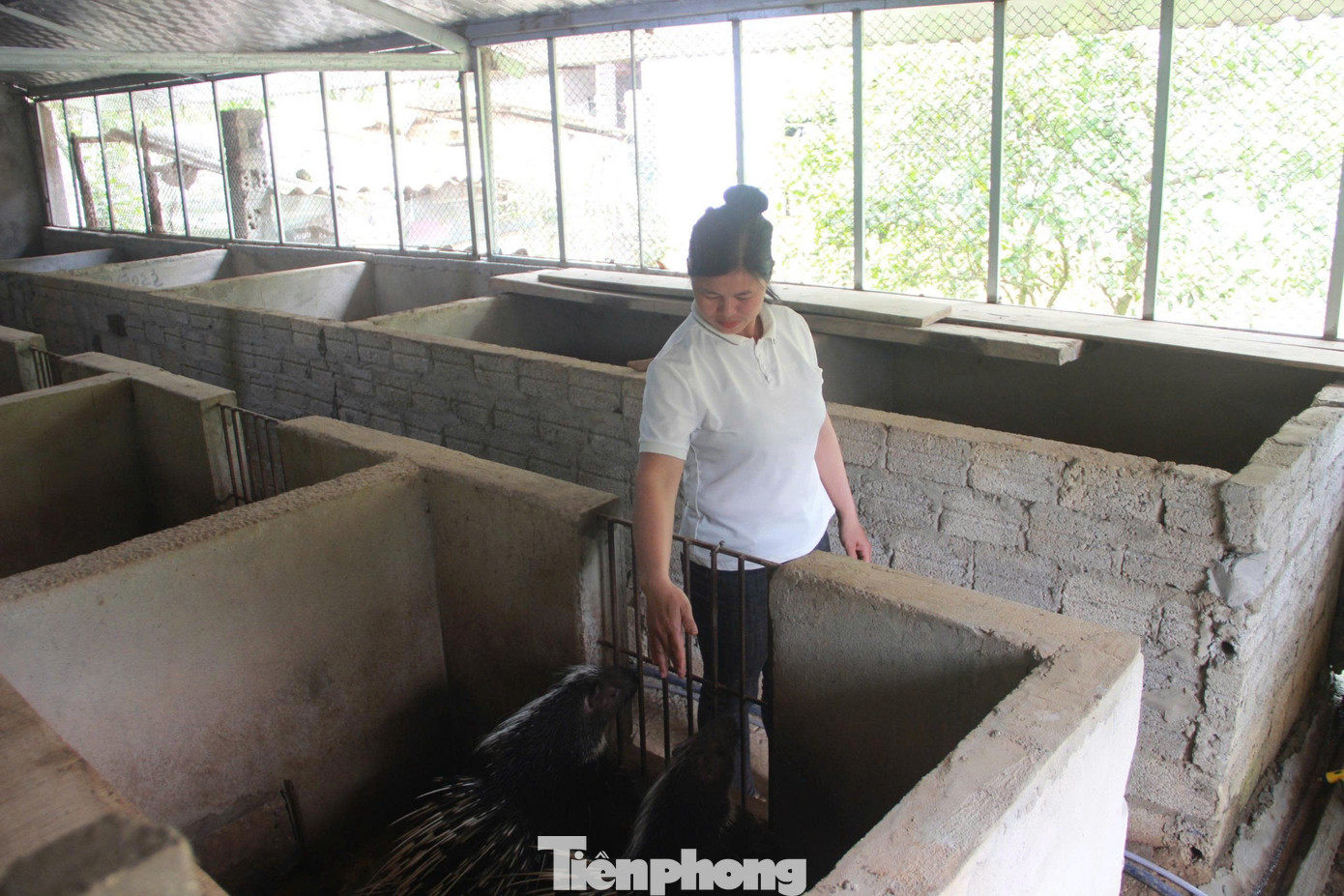
The turning point came in 2013, when through newspapers and television programs, he learned about porcupine farming – a new type of livestock but with high economic efficiency. After many nights of discussion and consideration, he and his wife decided to take a gamble on this direction. They boldly invested all their savings, 5 million VND, to buy their first pair of breeding porcupines. “At that time, no one in the village was raising them, and everyone said it was reckless. But I thought if I didn't try, I would remain poor my whole life,” he said with a gentle smile.
With their new pet and unfamiliar techniques, the couple had to learn everything little by little. From building cages and feeding them to monitoring their behavior, everything was based solely on what they read and practical experience. Binh recounted: “Hedgehogs are wild animals, so they were very timid at first. I had to observe them every day to see what they liked to eat and what temperatures they could tolerate. I was worried then, afraid that if I didn't raise them properly, I would lose everything.”
The initial enclosures were just a few small, makeshift pens. But month by month, year by year, the hedgehog herd grew larger. Thanks to the cool climate and abundant natural food sources, from pumpkins, bananas, and papayas to kohlrabi and cassava, the hedgehogs thrived.
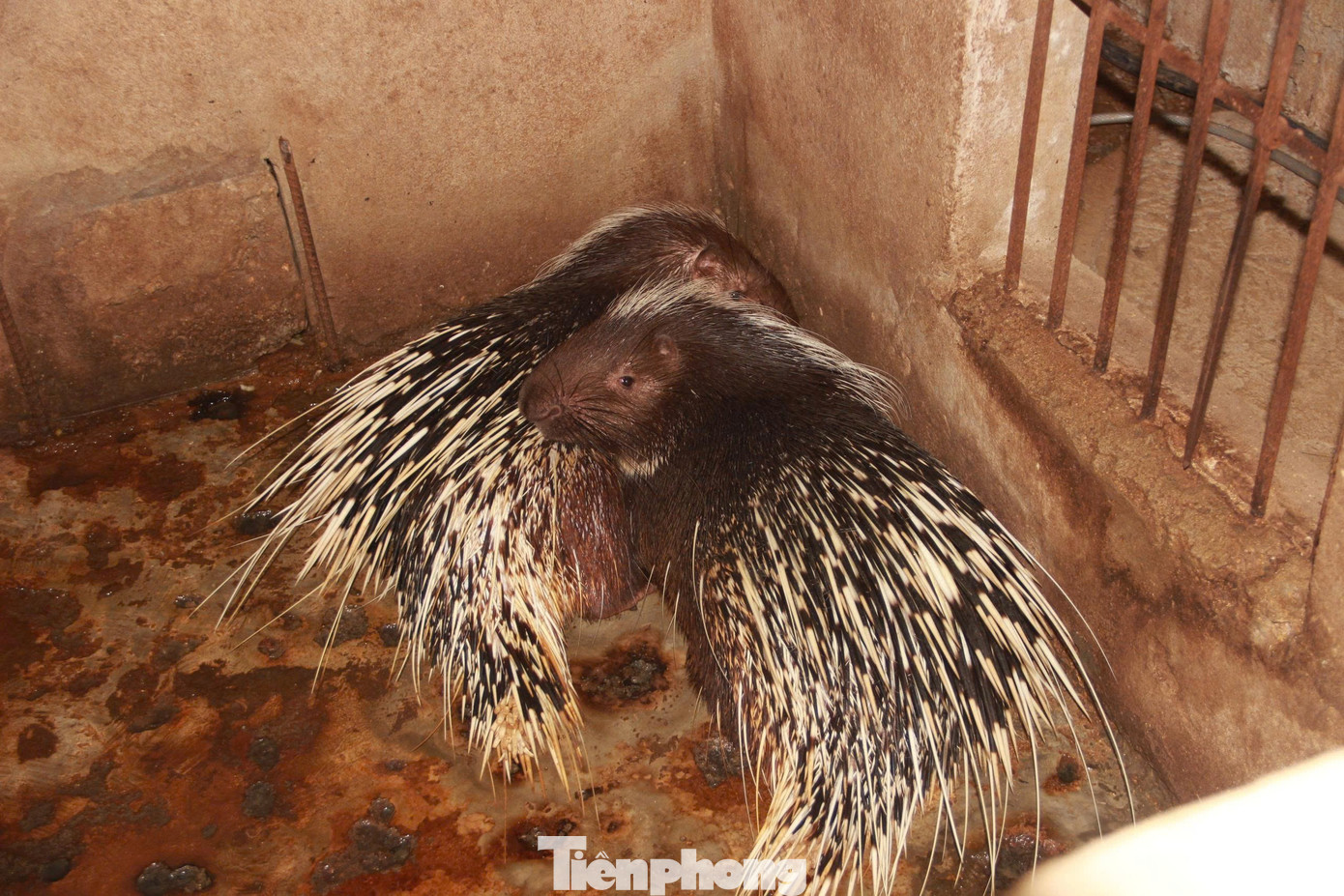
What reassured the couple most was that porcupines rarely get sick, have high resistance, and their food costs are low, requiring no elaborate cooking. This characteristic significantly saved them time and money, making it suitable for the conditions in the highlands.
From a pair of hedgehogs to a sustainable economic model.
After three years of care, the first litters of baby hedgehogs were born. Each year, the family can sell 7-8 meat hedgehogs and 3-4 breeding pairs, at a market price of approximately 250,000 VND/kg. Meat hedgehogs reach a weight of 9-10 kg after 10 months, and the market is stable thanks to increasing demand. The nearly 50 million VND/year income from this model, plus supplementary income from farming and gathering, has helped Mr. Binh's family escape poverty sustainably.
To date, the model has expanded to 36 hedgehogs, two-thirds of which are breeding stock. The enclosures are solidly built, divided into small, clean, airy, and dry pens to prevent dampness. Care is also scientifically organized: feeding and cleaning the pens in the morning; supplementing with fresh food and checking their health in the evening. "Raising them isn't as hard as herding cattle. You just need patience, diligence, and careful observation," Mr. Binh shared.
Thanks to his family's success, many households in the village also came to learn from them. Besides providing breeding stock, the couple also guided the villagers on techniques and shared their experience, encouraging them to follow suit.
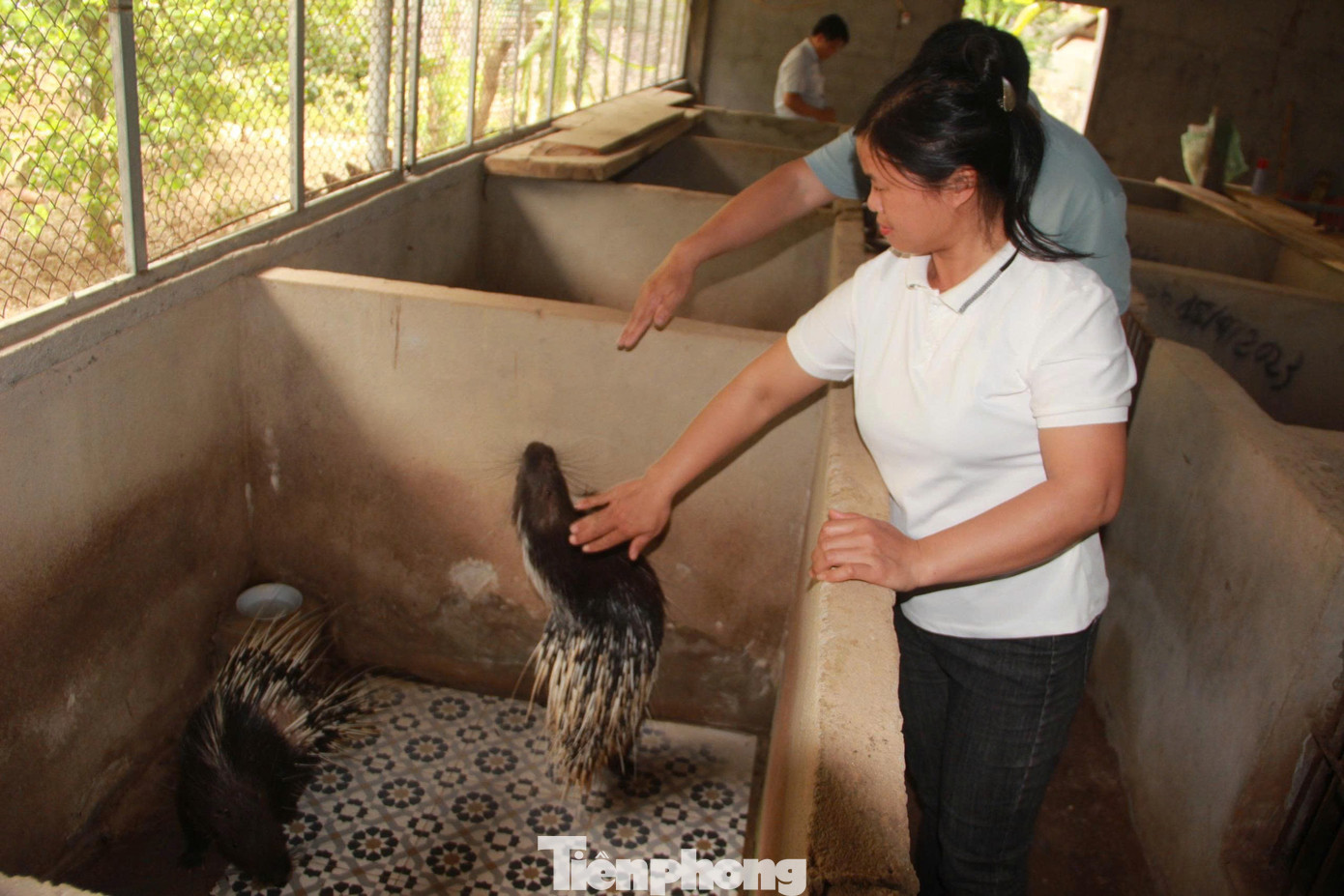
For Mr. and Mrs. Binh, raising porcupines is not just a means of livelihood, but also a way for them to write their own life story right on their homeland. As their finances improved, they invested more in their children's education, expanded their enclosures, bought more high-quality breeding stock, and nurtured plans to develop more processed porcupine products.
"The best part is that not only has my family escaped poverty, but many people in the village have also started raising them. We want to share so that everyone can have a better life," Ms. Huyen confided.
From humble beginnings, Sam Van Binh and his wife have forged a new path, contributing to changing the economic landscape of their border village.
Ms. Nguyen Thi Hoai, Chairwoman of the People's Committee of Thong Thu commune, said: "Raising porcupines is a new model but very suitable for local conditions. The effectiveness of the model implemented by Mr. Sam Van Binh's family shows that people can completely escape poverty if they know how to apply science and technology and choose suitable livestock."
Local authorities are also encouraging people to expand livestock farming in a sustainable manner, and are disseminating information to ensure households comply with regulations on wildlife protection. According to regulations, raising porcupines requires a certificate of origin and registration with the forestry agency. "We provide full guidance on the procedures so that people can confidently raise and sell them. Models like Mr. Binh's are very much worth replicating," said Ms. Hoai.
Source: https://tienphong.vn/hanh-trinh-thoat-ngheo-cua-doi-vo-chong-vung-bien-post1800866.tpo
![[Photo] General Secretary and President To Lam presides over a meeting with the Central Organizing Committee.](https://vphoto.vietnam.vn/thumb/1200x675/vietnam/resource/IMAGE/2026/06/03/1780482764658_a1-bnd-4741-3342-jpg.webp)
![[Photo] First session of the 14th Congress of the Vietnam Trade Union](https://vphoto.vietnam.vn/thumb/1200x675/vietnam/resource/IMAGE/2026/06/03/1780465947883_ndo_br_img-3852-jpg.webp)
![[Photo] Secretary of the National Assembly Party Committee, Chairman of the National Assembly presides over the meeting of the Standing Committee and Executive Committee of the National Assembly Party Committee.](https://vphoto.vietnam.vn/thumb/1200x675/vietnam/resource/IMAGE/2026/06/03/1780480353201_ndo_br_bnd-2585-jpg.webp)












![Transforming from Resolution 57: [Part 3] High-tech agricultural center](https://vphoto.vietnam.vn/thumb/402x226/vietnam/resource/IMAGE/2026/06/03/1780491765550_2928-4922-img_7193-010813_454-010814.jpeg)































![[Video] Sunset at Lap An Lagoon – Where the sun sets over the fishing nets](https://vphoto.vietnam.vn/thumb/1200x675/vietnam/resource/IMAGE/2026/05/31/1780192137701_beach-landscape-sea-water-nature-grass-745871-pxhere-com.jpeg)



























Comment (0)