

Flood season: Another "specialty" of Hoi An
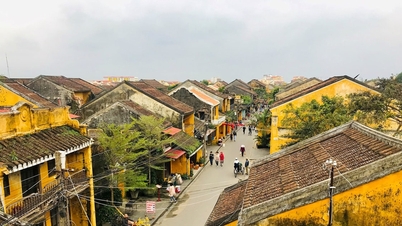
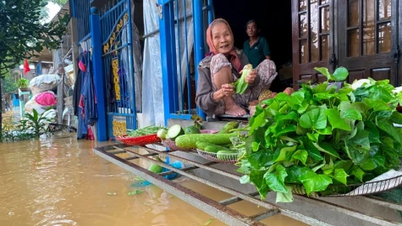
Hoi An captivates visitors not only with its ancient yellow-walled houses and vibrant bougainvillea vines, but also possesses a unique beauty during the rainy season. When the Hoai River rises, the entire ancient town seems to transform into an Eastern version of Venice, offering a unique and unforgettable experience for those who have the chance to visit at this time.
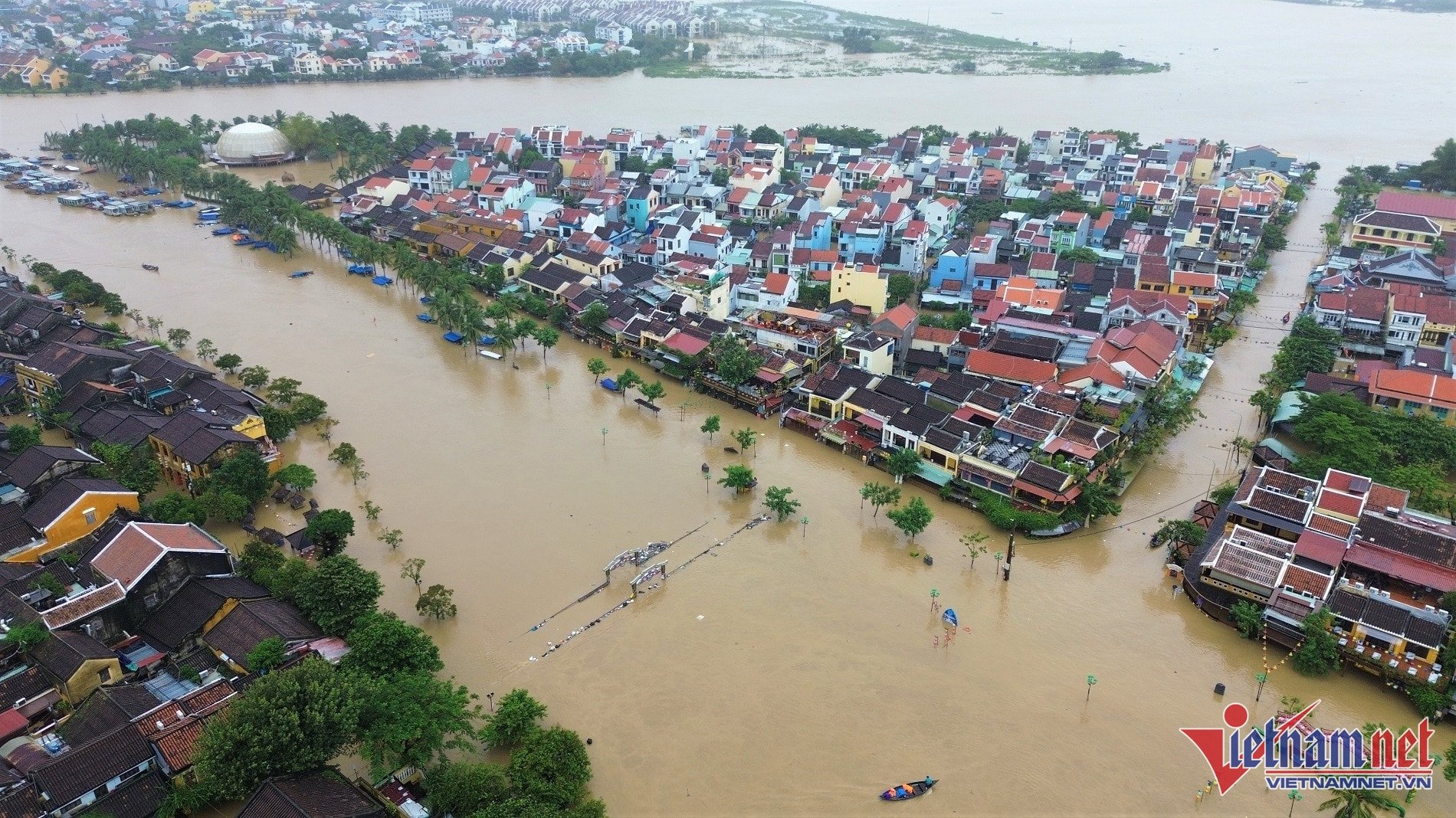
Experience the old town on boats.
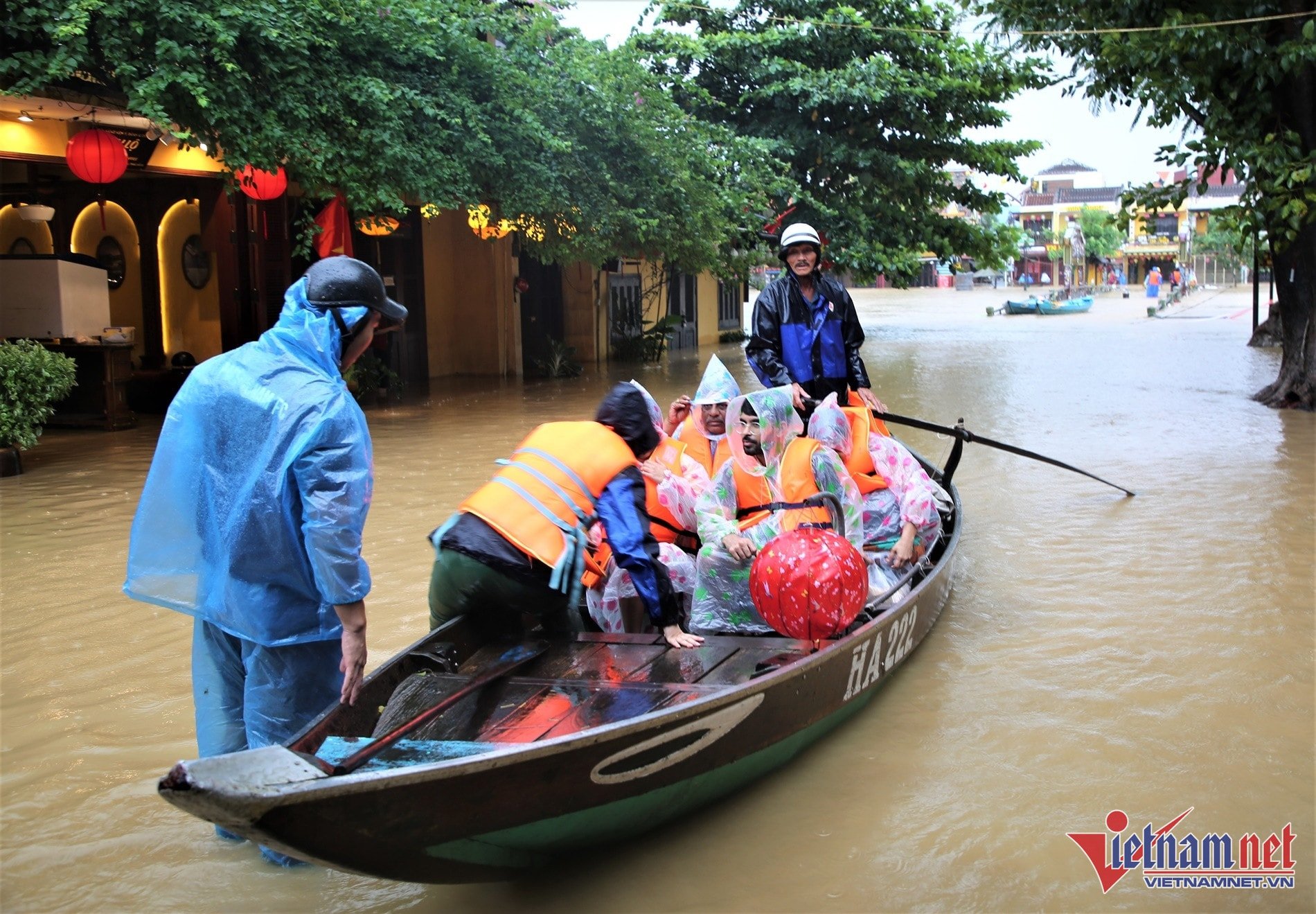
When streets like Bach Dang, Tran Phu, and Nguyen Thai Hoc are submerged, the main mode of transportation for locals and tourists is small boats. This is not only a temporary solution but has also become a unique tourist service. Local people row boats, taking tourists through the narrow alleys, allowing them to admire the ancient rooftops from a completely new perspective.
This activity also helps people earn extra income during the rainy season and floods. According to Mr. Thanh, a local resident, each trip carrying passengers costs about 200,000 VND, providing a significant source of income when other tourism services have to temporarily suspend operations.
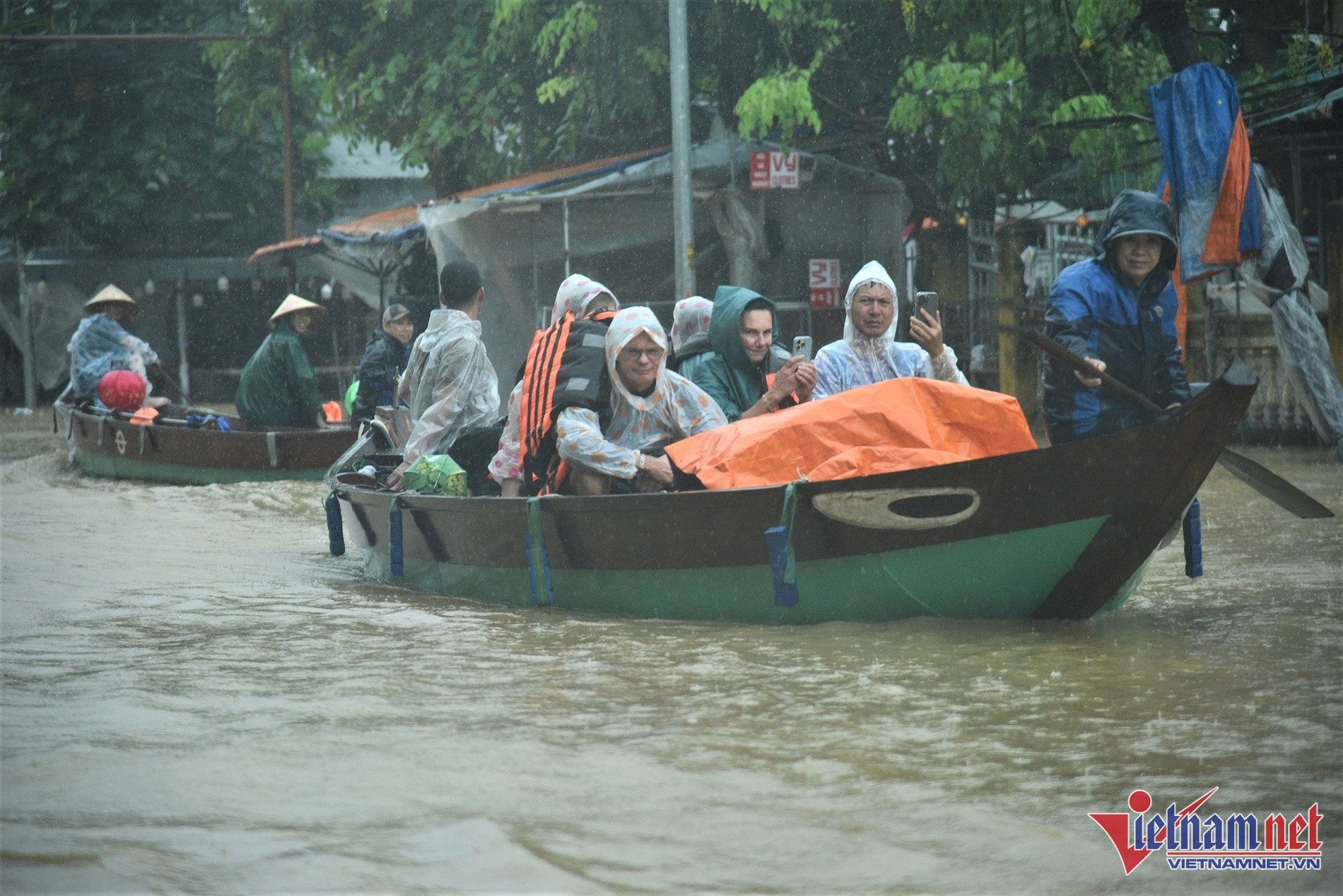
Perspective from an international tourist
For many foreign tourists, experiencing the floods in Hoi An is an unexpected and memorable experience. Brian, a tourist from England, shared his surprise at how quickly the floodwaters rose and how his family was assisted by hotel staff in moving to a safer location by boat. "This is probably one of my most memorable experiences in Hoi An," he said.
The timely support from accommodation establishments and local residents in moving and evacuating tourists from deeply flooded areas such as An Hoi neighborhood left a positive impression of the hospitality and disaster response capabilities of the heritage city.
Important things to note when traveling to Hoi An during the rainy season.
Visiting Hoi An during the flood season can be an exciting experience, but tourists need to be well-prepared and prioritize safety.
Monitor weather information closely.
Floods in Hoi An often rise very quickly. Tourists need to regularly check weather forecasts and warnings from local authorities. Flood alert levels, such as alert level 3, indicate that the situation could become dangerous.
Choose safe accommodation.
When booking accommodation, prioritize hotels and homestays in elevated areas. If staying in riverside or low-lying areas, be sure to inquire about the accommodation's flood response plan to ensure safety and avoid inconvenience in case of emergency evacuation.
Comply with safety regulations.
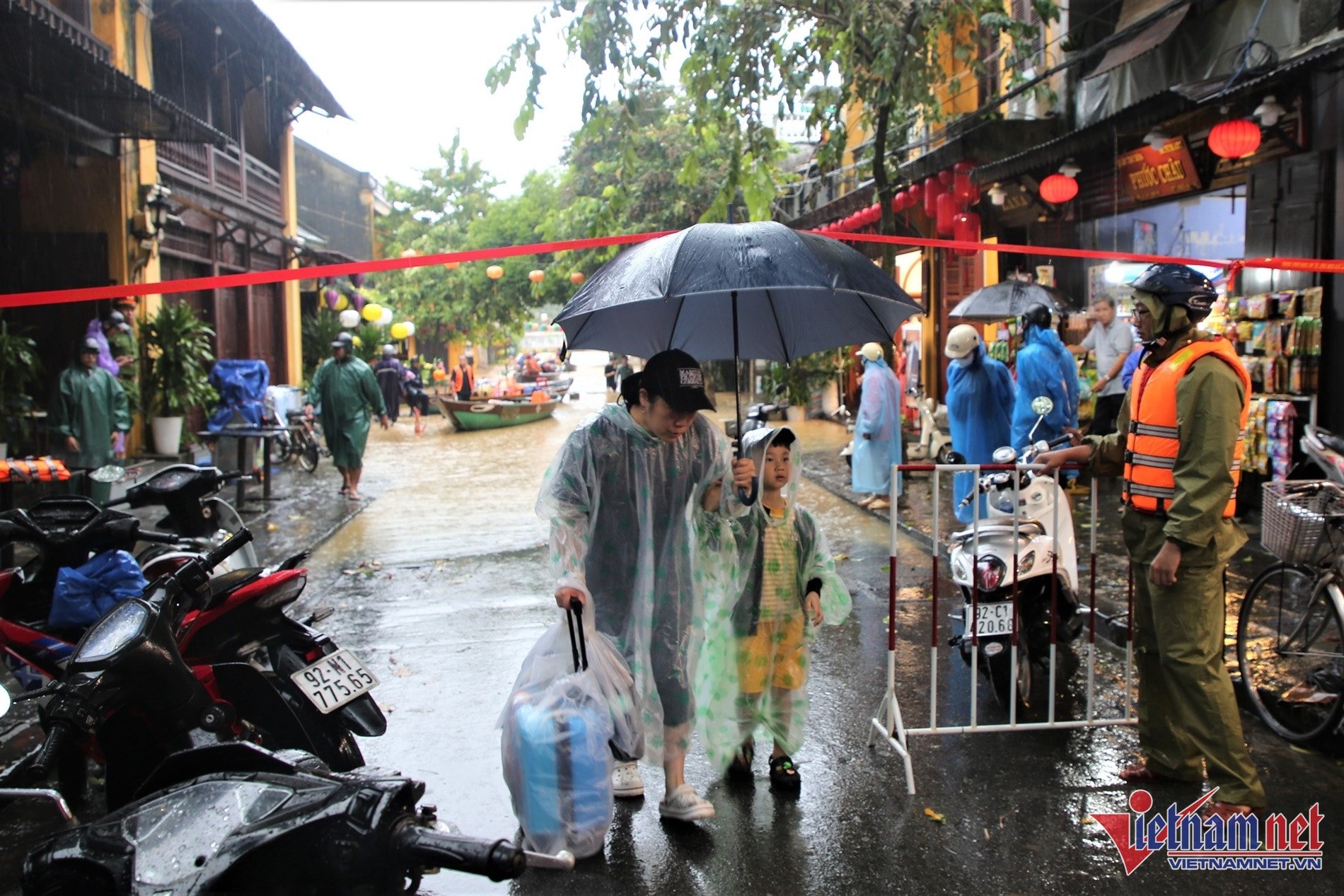
Local authorities often implement safety measures such as marking areas with warning tape in areas prone to deep flooding or danger. Rescue teams and police are always on standby to assist residents. Tourists must strictly follow instructions and avoid rowing boats or entering areas with strong currents.
Hoi An's street food continues to captivate tourists.
Even during the rainy season, the allure of Hoi An's cuisine remains undiminished. Specialties like Cao Lau are still served in higher areas. A bowl of Cao Lau, with its chewy noodles, flavorful char siu pork, and fresh herbs, costs around 35,000 VND, enough to satisfy any diner and provide a little warmth amidst the chilly weather of the rainy season.
Source: https://baolamdong.vn/hoi-an-mua-nuoc-noi-trai-nghiem-doc-dao-and-things-you-need-to-know-398242.html























































































Comment (0)