

Spanning over 100,000 hectares, this area is not only home to thousands of rare plant and animal species but also an attractive ecotourism destination, offering visitors the chance to immerse themselves in nature, explore glorious history, and discover the unique cultural identity of the local community.
An overview of the Dong Nai Cultural and Natural Reserve.
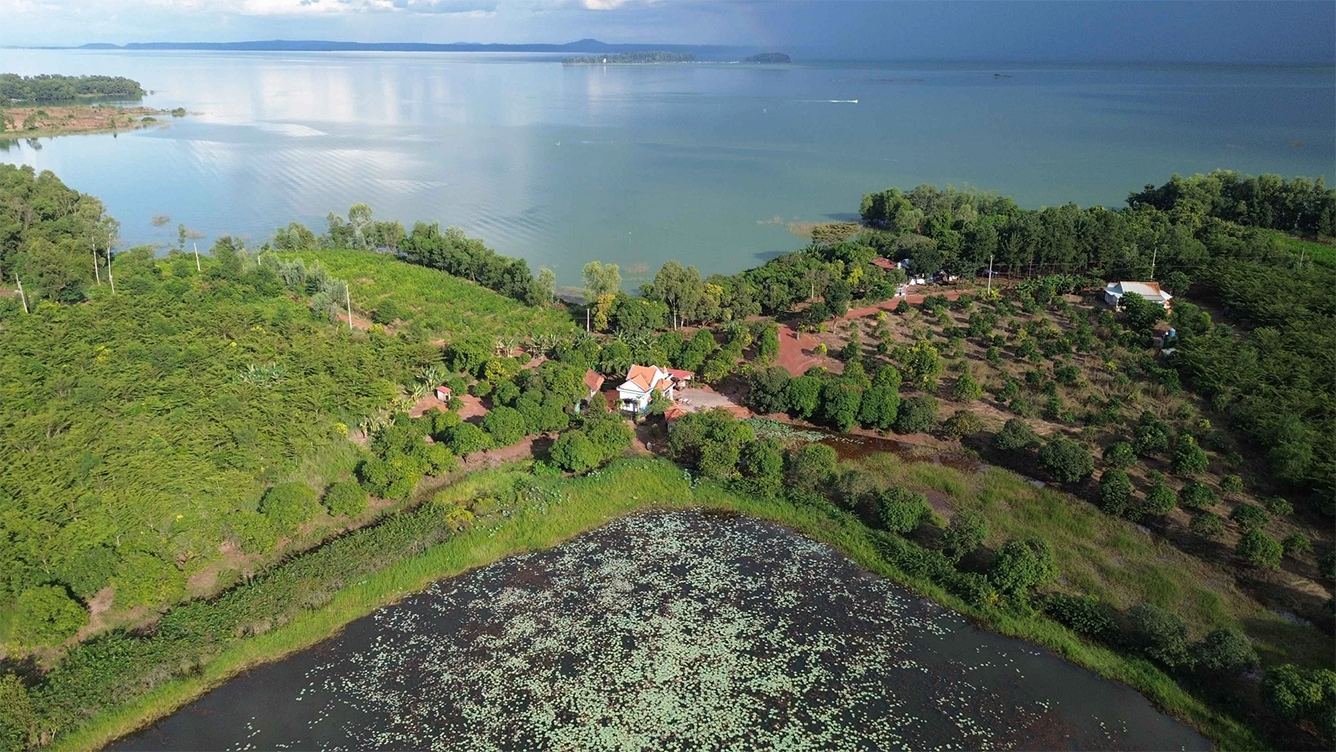
A panoramic view of the lush green Dong Nai nature reserve from above. (Photo: Collected)
The Dong Nai Cultural and Nature Reserve is one of the important green lungs of the Southeast region of Vietnam, covering an area of over 100,000 hectares across the Dong Nai River basin and the Tri An Lake area. It is not only a place preserving a diverse tropical forest ecosystem but also closely linked to unique cultural and historical values. Thanks to its outstanding values, the reserve has been officially recognized as one of Vietnam's new ASEAN Heritage Parks, marking a significant step forward in nature conservation and sustainable ecotourism development.
Why was it recognized as Vietnam's new ASEAN Heritage Park?
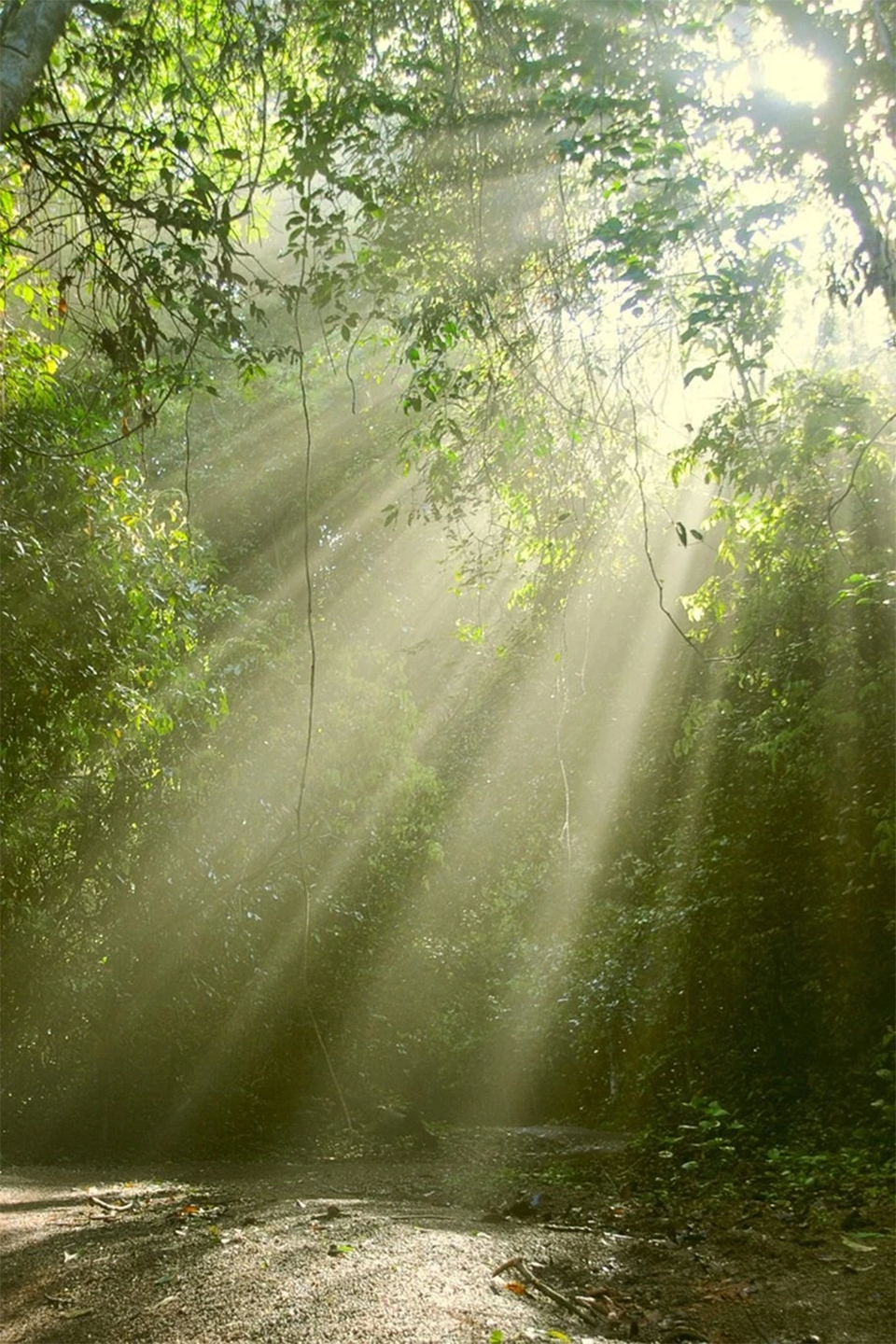
Dong Nai Cultural and Nature Reserve – A sustainable green destination in the Southeast region and Vietnam. (Photo: Ecotourism in Dong Nai Reserve)
Vietnam's recognition as a new ASEAN Heritage Park is not only an honor but also a testament to Dong Nai's efforts in preserving and managing its ecosystem. To be recognized, a protected area must meet many stringent criteria, such as high biodiversity, a significant role in the regional ecosystem, as well as cultural value and potential for sustainable tourism development. Thanks to its comprehensive inclusion of these elements, the ASEAN Heritage Park in Dong Nai has become a new highlight on the regional ecotourism map.
Outstanding ecological value of the Dong Nai Cultural and Natural Reserve
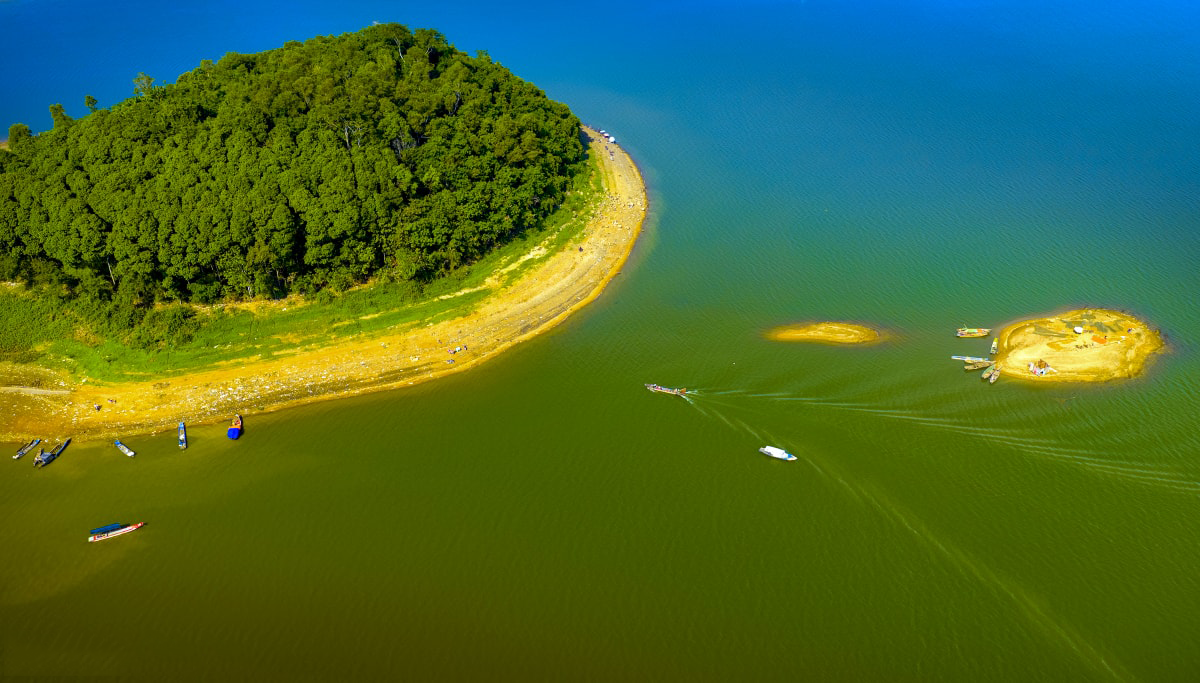
The primeval forest and Tri An Lake – A diverse ecosystem within the conservation area. (Photo: Collected)
Diverse ecosystems of forests, wetlands, and Tri An Lake.
The reserve boasts a variety of unique ecosystems, from evergreen forests and bamboo groves to wetlands surrounding Tri An Lake. It is home to hundreds of plant and animal species, including many rare species listed in the Vietnamese Red Book. The lush green forests, gentle river, and expansive lake create a unique ecological landscape, ideal for those who love ecotourism in Dong Nai.
Rare plant and animal species need to be conserved.
Not only is the reserve diverse in terms of species numbers, but it is also home to many rare animals such as the gaur, the black-footed langur, and the Siamese crocodile… This is a valuable genetic resource that contributes to maintaining ecological balance and affirms the global importance of the reserve in nature conservation efforts.
Cultural and historical landmarks at the Dong Nai Cultural and Nature Reserve.
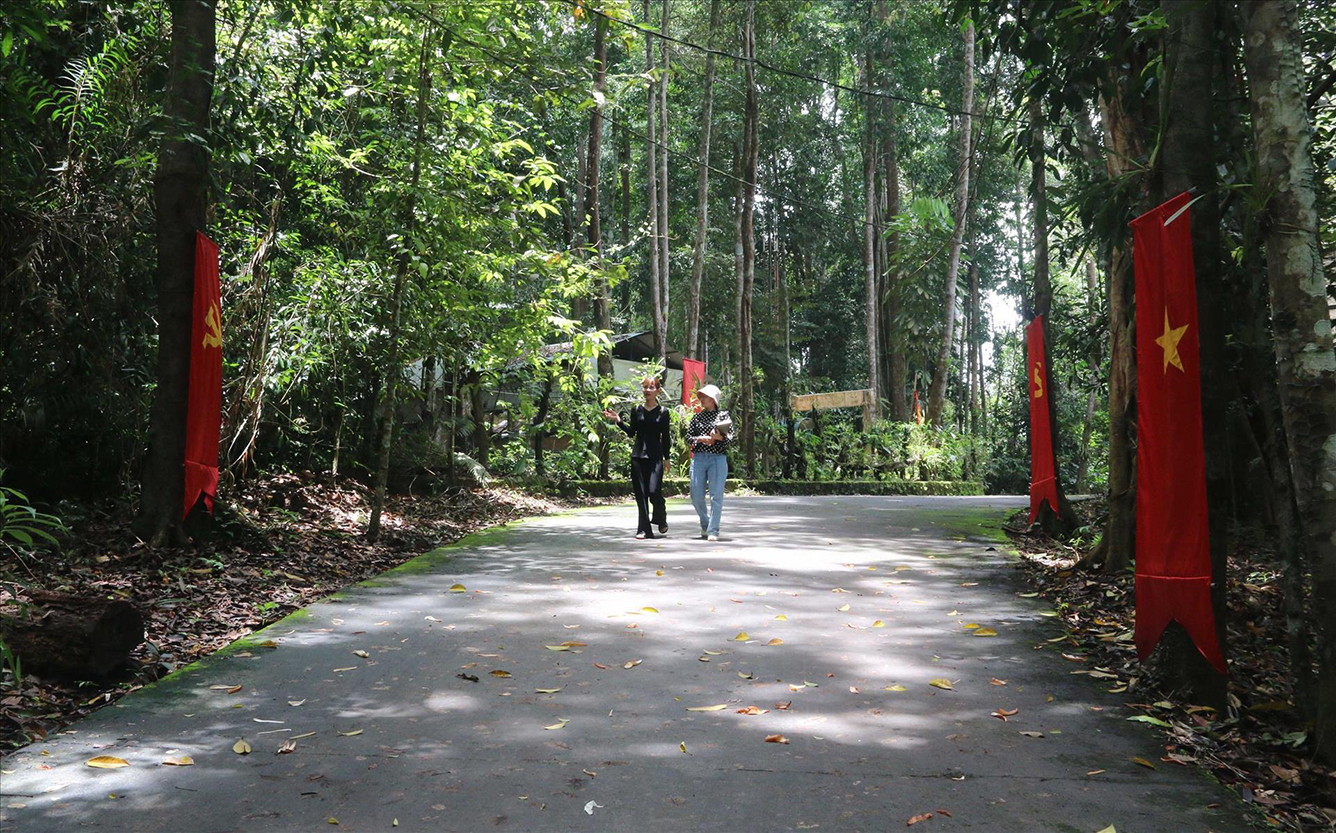
The D War Zone historical site – A historical landmark within the conservation area. (Photo: Cong Phong - VNA)
Zone D and the remaining revolutionary relics
This area is not only outstanding for its natural beauty but also closely linked to the glorious history of the nation. During the resistance war, the Dong Nai forest region was an important revolutionary base – the D War Zone. Many historical relics have been preserved to this day, becoming meaningful tourist destinations for the younger generation.
Cultural identity of the Ma, S'tieng, and Cho Ro communities
Beyond its revolutionary history, the reserve is also home to ethnic communities such as the Ma, S'tieng, and Cho Ro. Indigenous culture is reflected in its architecture, festivals, customs, and traditional cuisine , creating a unique and attractive diversity for this destination.
Experience ecotourism in Dong Nai within the nature reserve.
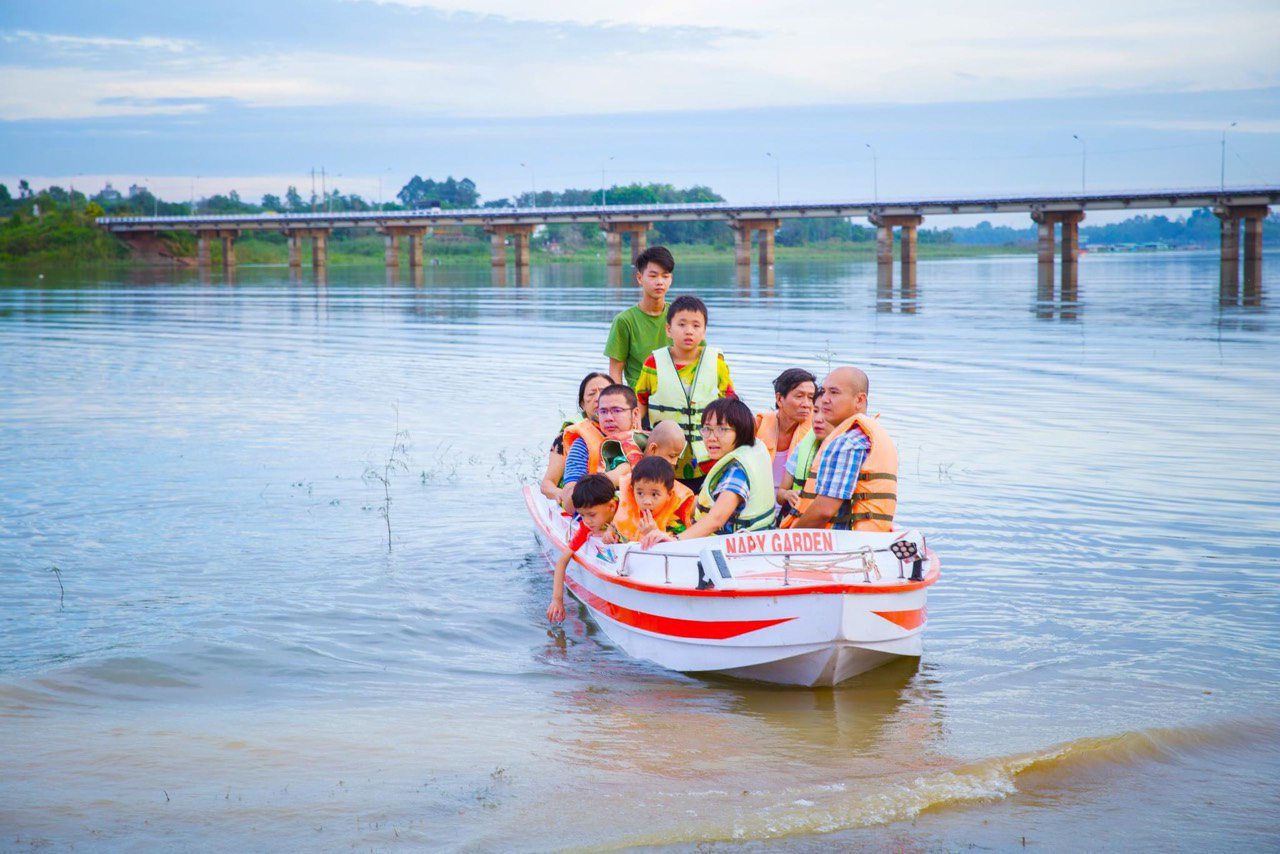
Tourists enjoy a boat trip to admire the scenery on Tri An Lake. (Photo: Collected)
- Explore Tri An Lake and O Island, Dong Truong Island
One of the highlights of ecotourism in Dong Nai is Tri An Lake – the largest artificial lake in Southern Vietnam. Visitors can take boat trips to explore the landscape and visit O Island and Dong Truong Island to experience the fresh and peaceful atmosphere.
- Trekking through old-growth forests and camping in nature.
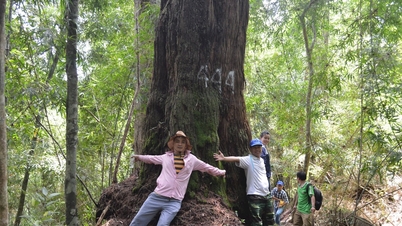
For adventure enthusiasts, trekking through primeval forests is an unforgettable experience. You can pitch a tent, camp, immerse yourself in nature, listen to the sounds of the forest at night, and enjoy a rare sense of freedom.
- Educational tourism, environmental research, and experiential activities for young people.
The nature reserve regularly organizes environmental education programs, scientific research, and experiential activities for students. This is a great opportunity for the younger generation to raise awareness about environmental protection and nature conservation.
The ideal time to visit Dong Nai Cultural and Nature Reserve.
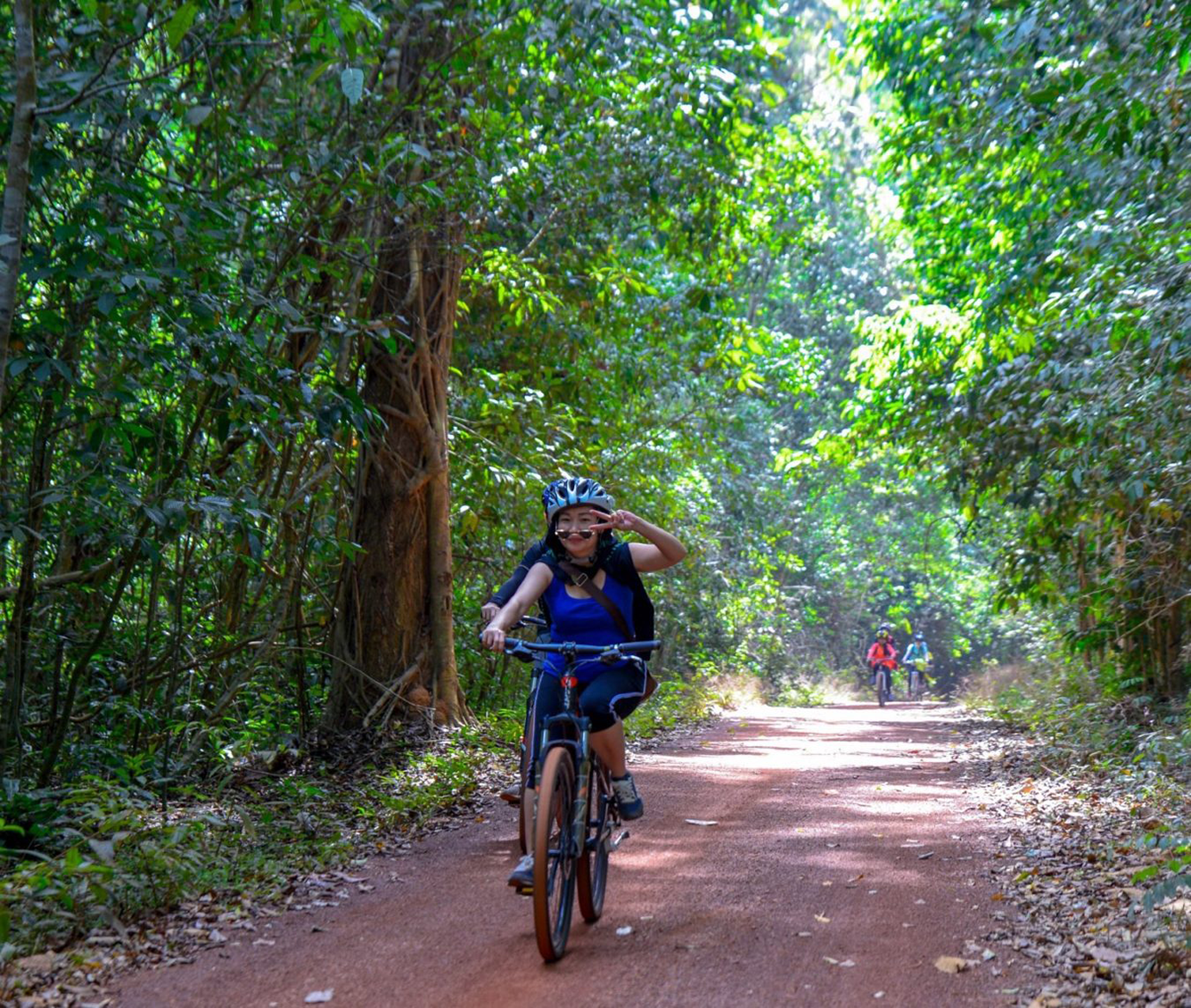
Tourists can trek during the dry season, when the weather is ideal for exploring the nature reserve. (Photo: Collected)
Each season, the nature reserve has its own unique beauty:
- The dry season, from November to April, is the ideal time for trekking and camping because of the cool weather and little rain.
- Meanwhile, the rainy season from May to October transforms this place into a lush green paradise, a time when migratory birds gather, making it ideal for wildlife enthusiasts.
Guide to getting around and staying near Dong Nai Nature Reserve
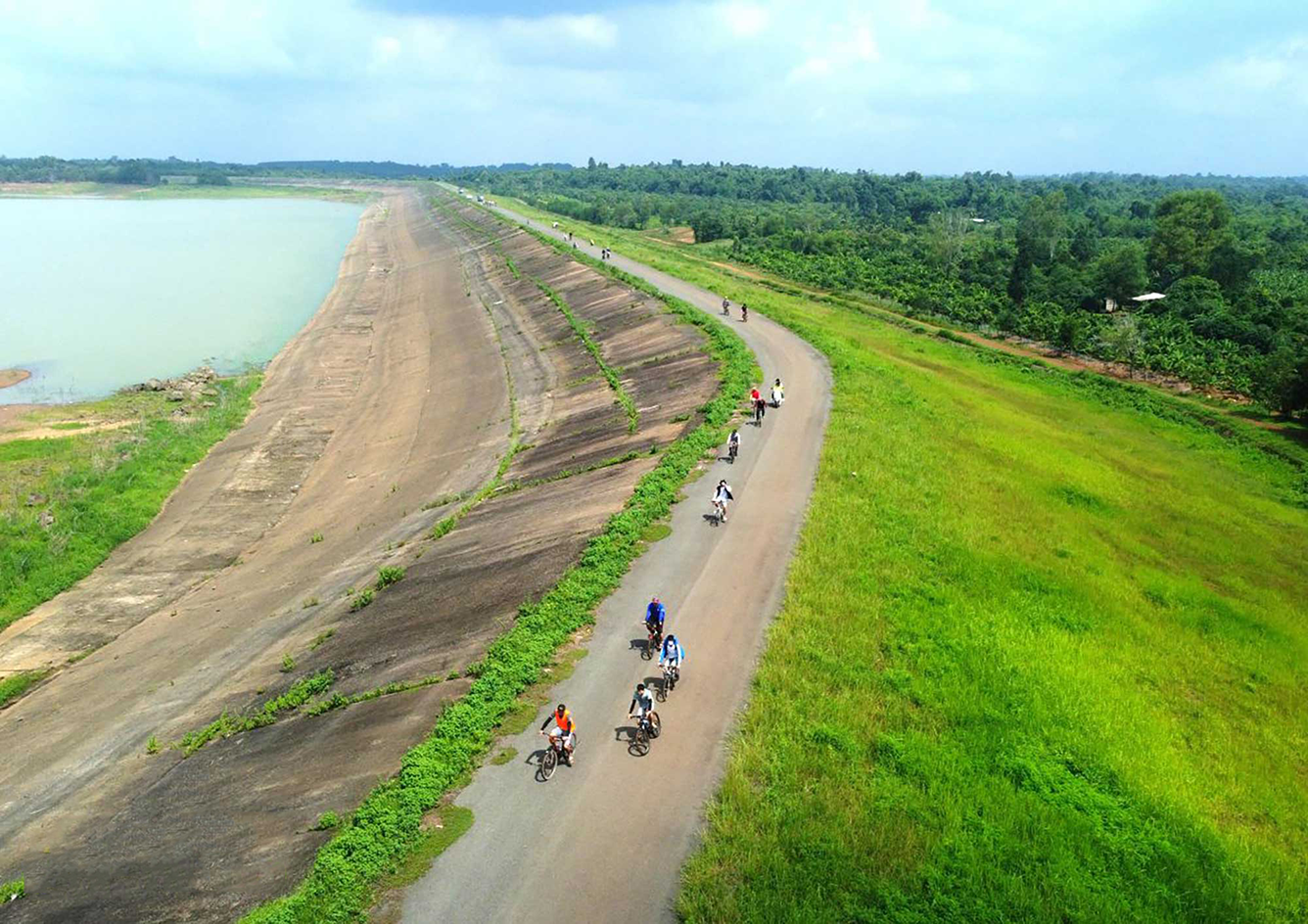
The road along Tri An Lake leads into the nature reserve. (Photo: V.Linh)
- Directions from Ho Chi Minh City and surrounding provinces
The nature reserve is located about 70 km from the center of Ho Chi Minh City, and visitors can easily travel there by motorbike, private car, or bus. The road to get there is quite convenient, suitable for both short and long trips.
- Accommodation suggestions: homestay, community house, lakeside camping.
Visitors can choose from a variety of accommodation options: from camping in the forest and relaxing in homestays by Tri An Lake to experiencing the community homes of local ethnic minorities.
- Dong Nai specialties you should try when you visit.
Besides the natural scenery, visitors can also enjoy Dong Nai's specialties such as grilled chicken, catfish hotpot, and a variety of dishes made from wild vegetables and fruits from the orchards.
The importance of conservation and sustainable ecotourism development.
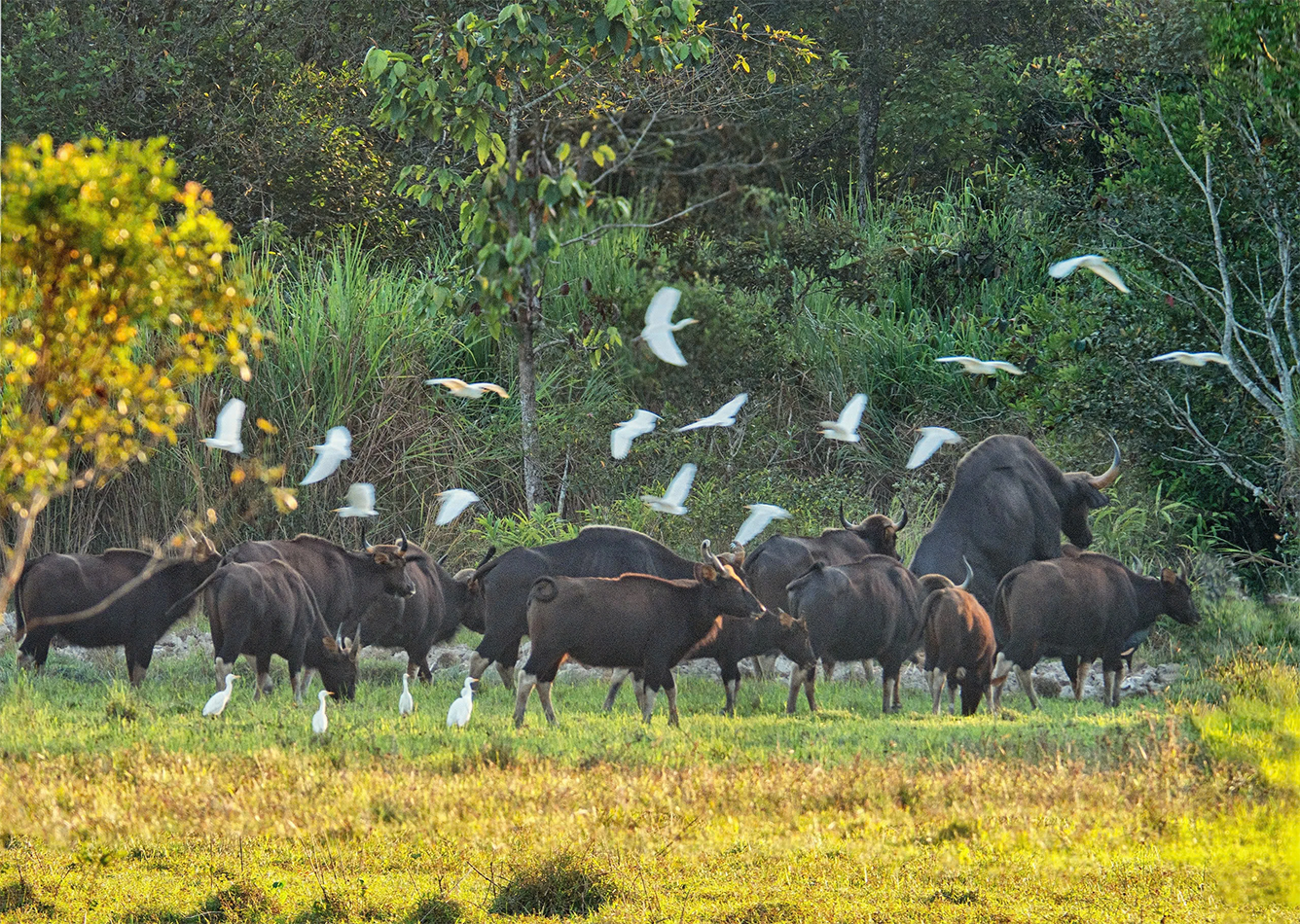
Tourists' footsteps accompany nature conservation efforts at the ASEAN Heritage Park in Dong Nai. (Photo: PROVIDED BY THE CONSERVATION AREA)
Being recognized as an ASEAN Heritage Park in Dong Nai not only enhances its international standing but also opens up opportunities for sustainable ecotourism development. This contributes to improving the lives of local communities and helps raise environmental awareness among tourists. Every step taken during a visit to the Dong Nai cultural and natural conservation area carries the meaning of supporting conservation efforts.
Frequently Asked Questions about Dong Nai Cultural and Nature Reserve

Tourists visit and gather information at the conservation center. (Photo: Q. Trung)
Is it possible to explore the entire nature reserve in one day?
→ With its vast area, it's difficult to explore everything in just one day. However, you can choose some highlights such as Tri An Lake, O Island, or a short trekking route to experience.
What preparations are needed for trekking in a nature reserve?
→ Tourists should prepare athletic shoes or hiking boots, lightweight clothing, insect repellent, and bring plenty of drinking water. In particular, it's best to travel in a group or with a guide to ensure safety.
Does the nature reserve offer guided tours?
→ Yes. The reserve provides guided tours for groups, helping visitors better understand the ecosystem, culture, and history of the area.
The Dong Nai Cultural and Nature Reserve is not only a destination of magnificent natural beauty but also a repository of profound cultural and historical values. With the title of Vietnam's new ASEAN Heritage Park, it promises to become a prominent ecotourism destination, offering memorable experiences for all visitors. Come and experience the pristine and majestic beauty of this land for yourself, and join hands in preserving it so that future generations can fully enjoy these precious values.
Source: https://www.vietravel.com/vn/am-thuc-kham-pha/khu-bao-ton-dong-nai-cong-vien-di-san-asean-moi-v17920.aspx

![[Image] Vietnam's colorful journey of innovation](/_next/image?url=https%3A%2F%2Fvphoto.vietnam.vn%2Fthumb%2F1200x675%2Fvietnam%2Fresource%2FIMAGE%2F2025%2F12%2F14%2F1765703036409_image-1.jpeg&w=3840&q=75)















































![[Image] Vietnam's colorful journey of innovation](https://vphoto.vietnam.vn/thumb/402x226/vietnam/resource/IMAGE/2025/12/14/1765703036409_image-1.jpeg)































Comment (0)