

Psoriasis is a chronic skin disease that profoundly impacts the quality of life of sufferers, both physically and mentally. Currently, there is no cure for the disease, so long-term management and monitoring play a crucial role in treatment strategies.
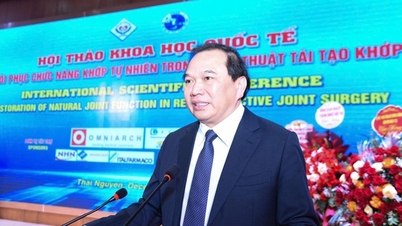
Dr. Nguyen Van Thanh, Deputy Director of the Central Dermatology Hospital, emphasized this point at the ceremony commemorating World Psoriasis Day on October 29th, organized by the Central Dermatology Hospital in collaboration with the Vietnam Dermatology Association and the Vietnam Psoriasis Association on October 26th in Hanoi.
The Deputy Director of the Central Dermatology Hospital stated that this year's World Psoriasis Day theme is "Psoriasis and Comorbidities - Understanding the Domino Effect." This is an opportunity to reflect on the efforts in diagnosing, treating, and managing psoriasis, while also spreading a message of understanding, sharing, and supporting patients. These are the people who are bravely fighting every day to overcome feelings of shame, pain, and life's obstacles. Therefore, it is necessary to build a continuous, in-depth, and humane care system to help patients receive the right and timely treatment and maintain a stable life.

According to Dr. Hoang Thi Phuong, Head of the Day Inpatient Treatment Department (Central Dermatology Hospital), the hospital currently manages approximately 5,000 psoriasis patients, with 20-40 patients receiving inpatient treatment each day.
Psoriasis not only affects the skin but also leads to a range of co-morbidities such as hypertension, diabetes, cardiovascular disease, hepatitis B, etc. This is a chronic disease requiring lifelong treatment, so close cooperation between doctors and patients is key to effective management and maintaining a good quality of life for patients.
Dr. Phuong added that the prevalence of psoriasis is approximately 2-4% of the population, depending on the country. In recent years, the number of psoriasis cases has increased due to people's increased awareness and proactive approach to early diagnosis, as well as intensified community communication efforts, which have helped raise awareness and improve access to treatment. However, many patients remain complacent and self-treat at home, leading to serious consequences. Many cases of prolonged corticosteroid abuse have resulted in musculoskeletal damage, adrenal insufficiency, and even hospitalization in critical condition.
Most recently, the Central Dermatology Hospital received a 36-year-old patient who, due to self-treatment, developed severe redness all over her body, suffered serious joint damage, and was unable to walk before being admitted to the hospital in a critical condition on a stretcher. After a long period of intensive treatment, the patient gradually recovered.
Over the years, as a leading specialized hospital, the National Dermatology Hospital has pioneered in diagnosis and treatment, scientific research, training, and international cooperation. It has also collaborated with provincial and city hospitals to establish specialized psoriasis clinics. This is a significant step forward, enabling local residents to access modern, affordable treatment methods and reducing the burden on central-level hospitals.
In addition, the hospital, together with the Vietnam Psoriasis Association, regularly organizes communication programs, health education , and community activities to help patients better understand the disease, overcome stigma, and live more positively.
Source: https://www.vietnamplus.vn/lan-toa-su-thau-hieu-va-dong-hanh-cung-nguoi-mac-benh-vay-nen-post1072828.vnp


![[Photo] Prime Minister Pham Minh Chinh attends the Conference summarizing and implementing tasks of the judicial sector.](/_next/image?url=https%3A%2F%2Fvphoto.vietnam.vn%2Fthumb%2F1200x675%2Fvietnam%2Fresource%2FIMAGE%2F2025%2F12%2F13%2F1765616082148_dsc-5565-jpg.webp&w=3840&q=75)

























































































Comment (0)