

From concerns about a shortage of charging points to planning for 110 pilot locations.
The transition from internal combustion engines to electric vehicles is seen as an essential step to address the severe air pollution in Hanoi . However, Mr. Dao Viet Long, Deputy Director of the Hanoi Department of Construction, acknowledged that without a well-planned and synchronized charging station infrastructure, the transition to green vehicles will be difficult to achieve the expected results. This is identified as a key factor determining the success or failure of this roadmap.
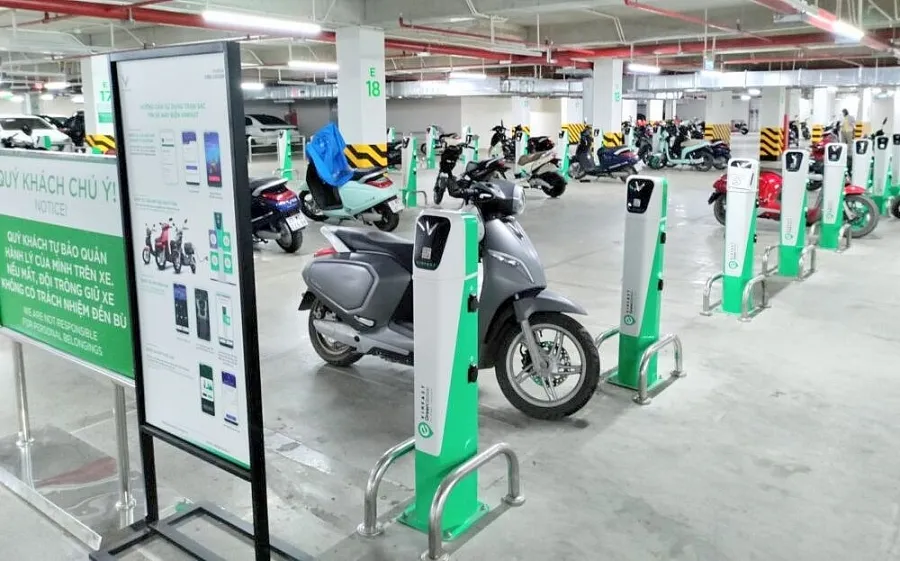
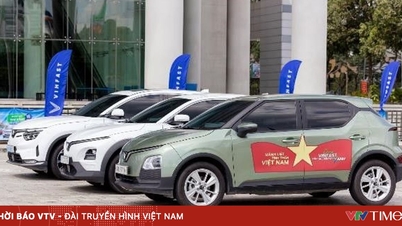
According to the survey, Hanoi has 110 potential locations, concentrated within the area from Ring Road 3 inwards, suitable for installing pilot charging stations. (Illustrative image)
To address the infrastructure shortage, the city's inter-agency task force conducted a large-scale field survey. Initial results showed 110 potential locations, concentrated within the Ring Road 3, suitable for installing pilot charging stations. Mr. Long emphasized that these are only the locations for the initial phase. After evaluating the effectiveness of the pilot program, the city will continue to expand the model to other locations that meet actual needs.
Notably, Hanoi is aiming for a long-term vision with highly binding legal regulations. Specifically, for existing infrastructure within the Ring Road 3 area, parking lots must allocate at least 15% of their total parking spaces to public charging stations before January 1, 2030. For new investment projects, this percentage is raised to 30%, aiming to create a "future technical infrastructure fund" to prevent a shortage of charging spaces as the number of electric vehicles increases rapidly.
Say no to monopolies: Charging stations are public infrastructure.
A key highlight in Hanoi's draft planning is the principle of "shared use." Mr. Dao Viet Long affirmed that public charging stations installed on public land must serve all citizens, regardless of car manufacturer or investor.
"This public infrastructure cannot be built on a monopolistic model, where each business installs its own charging station to serve only its own vehicles. That would fragment the market, waste public space, and hinder people from switching to green vehicles," Mr. Long analyzed. Accordingly, charging stations must be compatible with many types of vehicles and strictly comply with national and international technical standards.
Regarding investment methods, the city has determined that the State plays a role in creating the legal framework and planning, while the market and businesses will be the main forces for implementation. Only with clear mechanisms will the private sector be confident in investing.
Agreeing with this viewpoint, transportation expert Phan Le Binh believes that the development of charging station infrastructure should operate according to market principles. He stated: "The State should create appropriate technical standards and provide favorable conditions for businesses to participate in investing in charging stations as a profitable business activity."
Solving fire safety problems in apartment buildings.
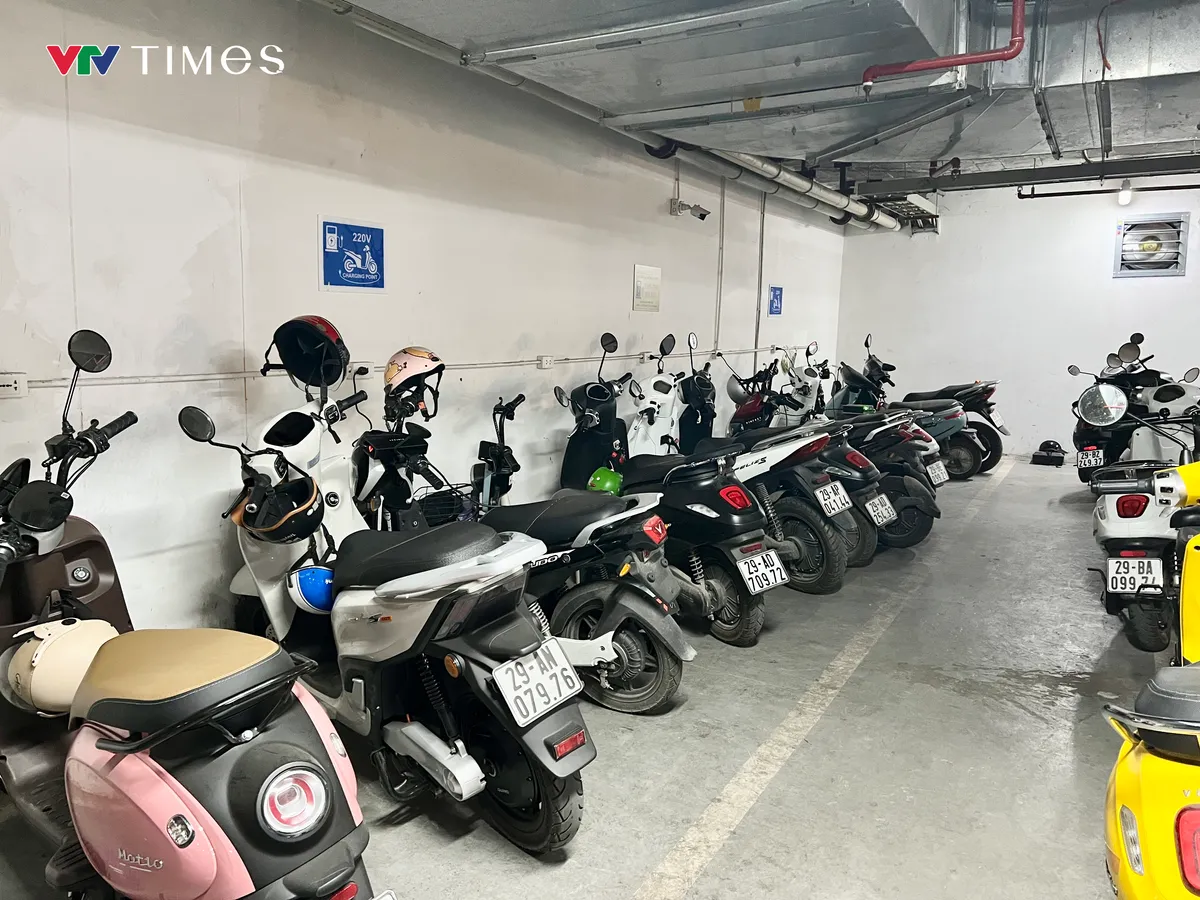
Many apartment complexes in Hanoi have proactively planned designated areas for electric vehicles, making it convenient for residents to charge their vehicles daily.
Recently, concerns about fire safety have led many apartment buildings and dormitories in Hanoi and Ho Chi Minh City to refuse electric vehicle charging services, causing anxiety among residents.
To resolve this issue, Mr. Dao Viet Long stated that the Department of Construction is proposing a solution to establish a battery swapping station system for two-wheeled electric vehicles. This is considered a "dual" solution: it reduces waiting time for refueling and limits the risk of fire and explosion when charging at home or in unsafe locations.
Regarding apartment buildings, the People's Committee of the commune/ward will initially coordinate with the management board to review and arrange separate areas for electric vehicles and build charging stations that meet fire safety standards. Expert Phan Le Binh highly appreciates this approach, believing that charging or swapping batteries outside will fundamentally address the fire safety concerns of residents in high-rise buildings.
Moving toward public transport as the ultimate goal.
While the shift to electric vehicles is crucial for reducing emissions, experts warn that it is not a magic wand to solve all urban traffic problems.
Mr. Phan Le Binh emphasized: "Switching from gasoline to electric vehicles helps reduce pollution, but it doesn't reduce traffic congestion. Only by switching to public transportation can we solve both problems."
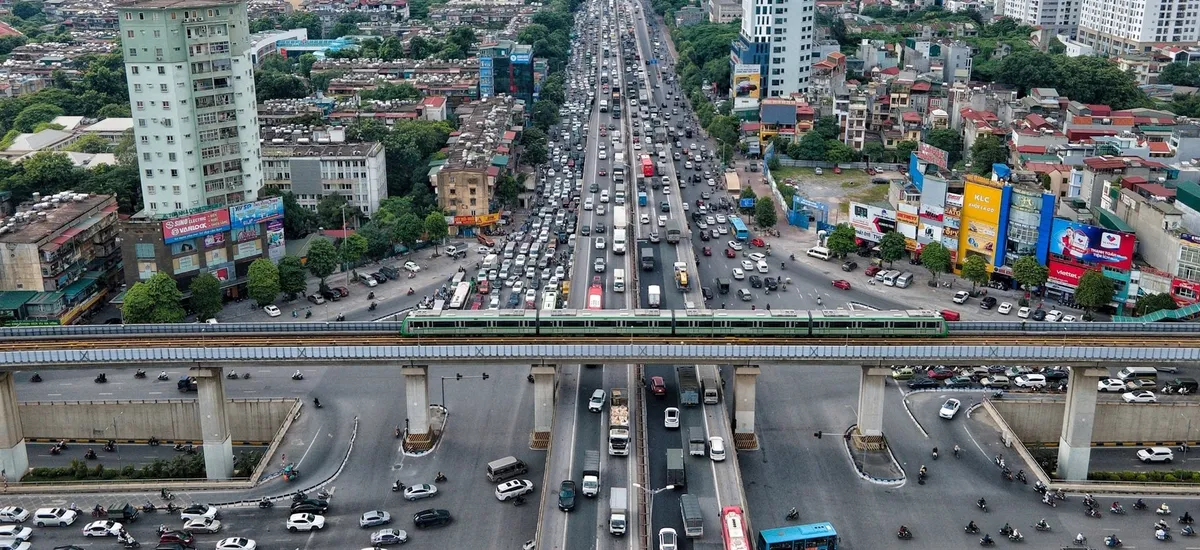
Currently, only about 20% of Hanoi residents use public transportation.
In reality, the percentage of people using public transport is currently only about 20%. The main reason is that buses are not given priority on the roads, leading to long travel times and making them less attractive compared to private vehicles. Therefore, alongside developing charging stations, Hanoi has identified the urban rail network and bus system (including mini electric buses that can access narrow alleys) as the backbone of a sustainable transportation system.
Hanoi's green transformation roadmap is being implemented cautiously and systematically. With policies supporting people in switching to green vehicles (financial support, loan interest rates) and a detailed infrastructure plan, the city hopes to gain public consensus to build a "bright, green, clean, and beautiful" capital.
Source: https://vtv.vn/lanh-dao-so-xay-dung-ha-noi-xay-tram-sac-xe-dien-khong-duoc-theo-mo-hinh-doc-quyen-100251210102229476.htm























































































Comment (0)