

In the context of climate change increasingly impacting agricultural production, the need to transition to green, low-emission farming models is no longer just a trend but has become an urgent task. In Lao Cai province, this transition is being implemented comprehensively, from the direction of the agriculture and environment sector to specific models in fields and orchards, with the active participation of farmers.
Reduce emissions in the fields.
Rice cultivation is one of the significant greenhouse gas emission sectors in agriculture, mainly due to methane generated from flooded fields and nitrous oxide produced during the use of chemical fertilizers, especially nitrogen fertilizers. Recognizing this problem, the Department of Agriculture and Environment of Lao Cai province has implemented many sustainable rice production models to reduce greenhouse gas emissions.
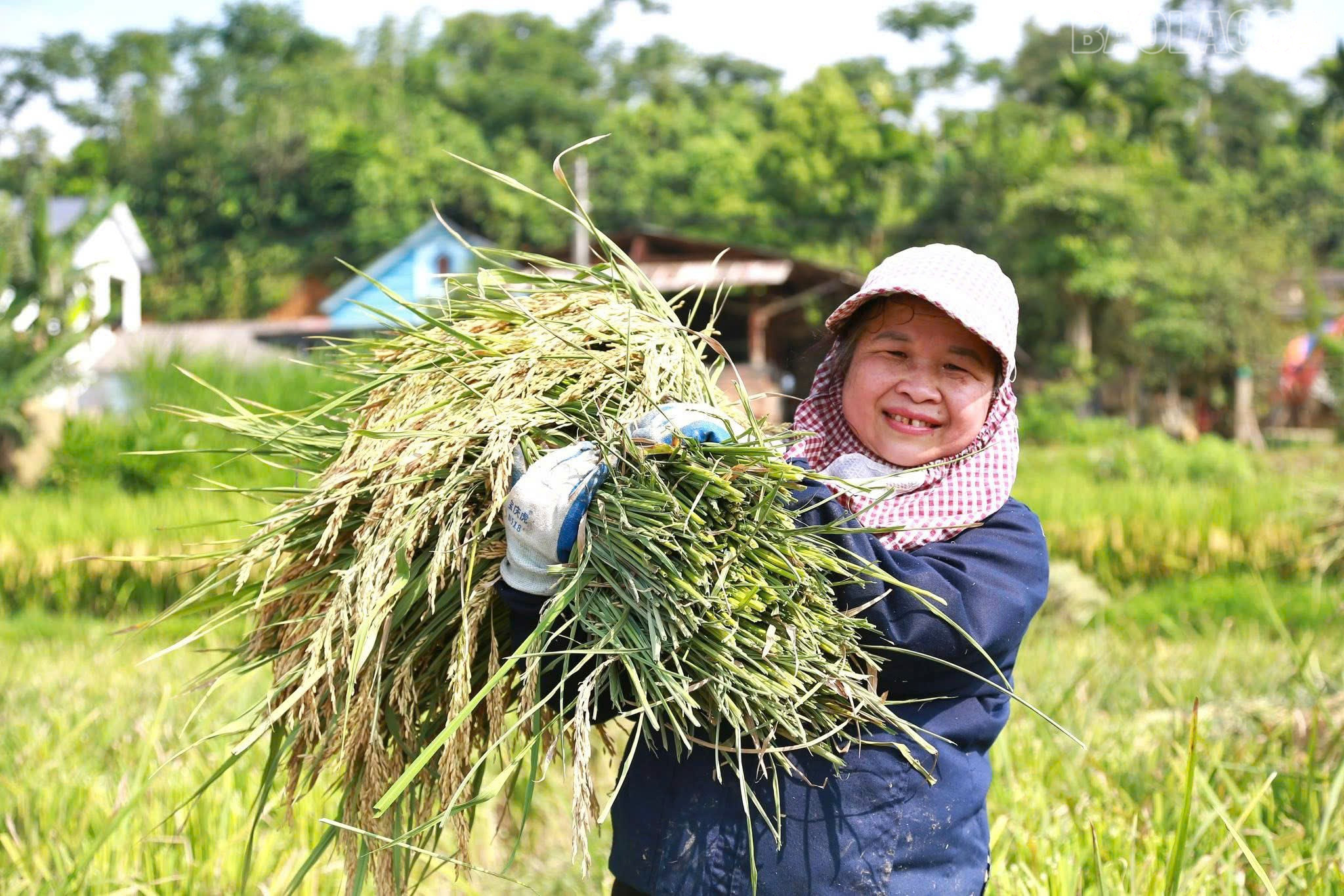
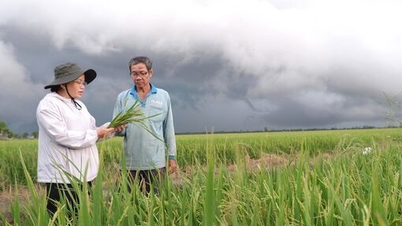
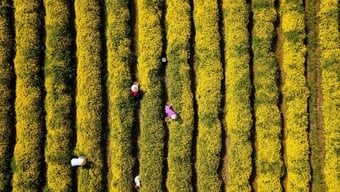
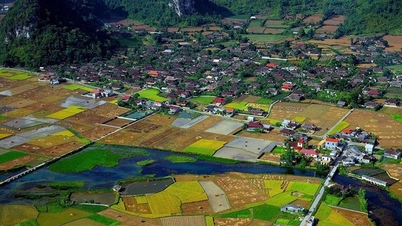
In the communes of Thac Ba, Hung Khanh, Van Chan, and Mau A, a sustainable rice production model aimed at reducing greenhouse gas emissions has been implemented during the 2023-2025 period, funded by the Stichting Ofam Novib organization (Netherlands), covering a total area of 24 hectares. The model applies a comprehensive set of technical measures such as: sparsely transplanting seedlings, alternating wet and dry irrigation, reduced use of chemical nitrogen fertilizers, and no burning of rice straw after harvest.
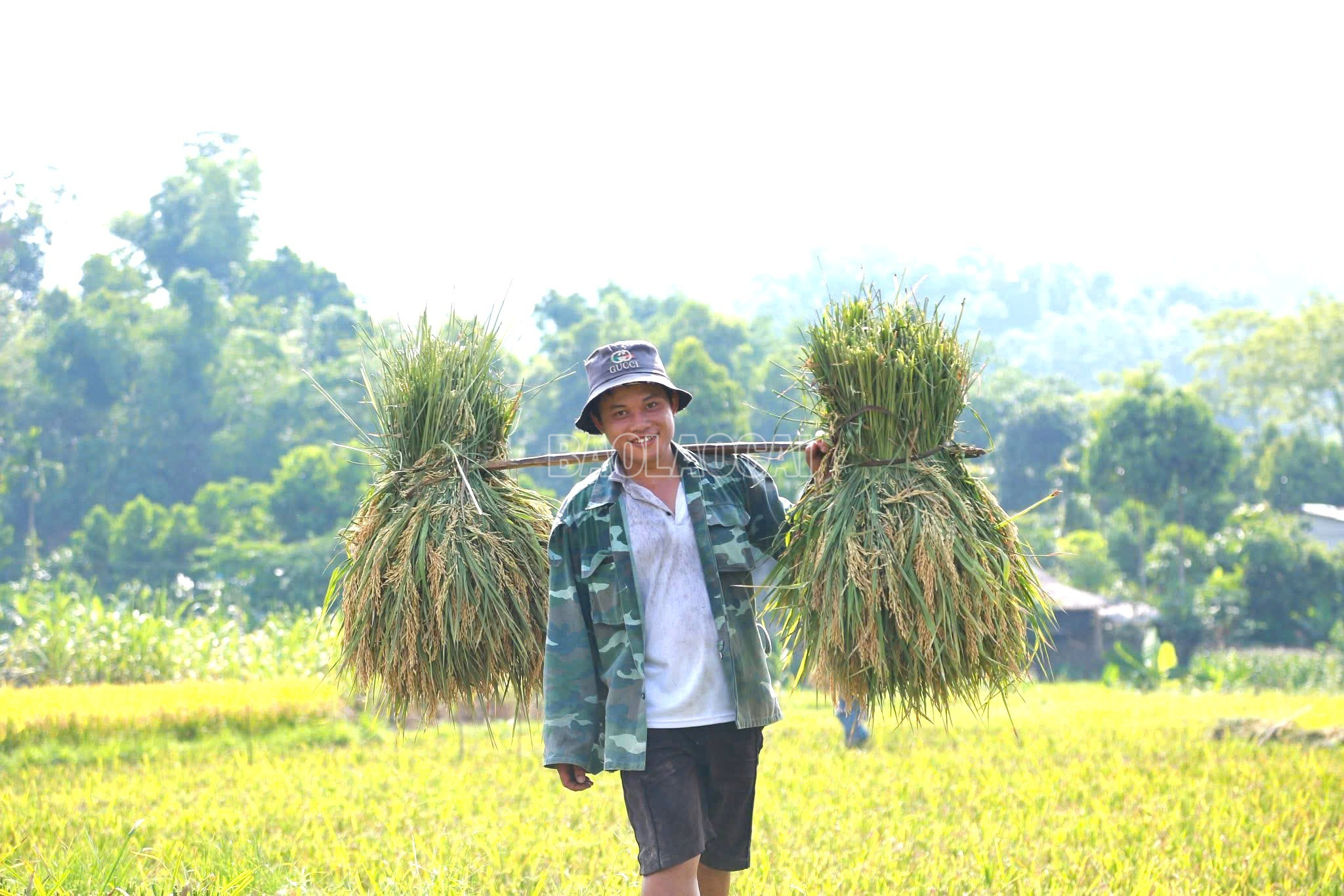
In particular, the application of the Rice Hero software allows for the measurement and monitoring of greenhouse gas emissions at each plot of land, making the evaluation of efficiency transparent and scientific . The results show that emissions in the model decreased by 70-73% compared to traditional farming methods. Beyond reducing emissions, the model also created a significant change in farmers' production mindset.
Mr. Luong Ngoc Dung from Duc Thinh village, Hung Khanh commune, said: "My family is one of the households in the locality participating in the model. Initially, we were hesitant about changing our traditional rice farming methods. But after the harvest, seeing the increased yield, we changed our mindset about production linked to environmental protection."
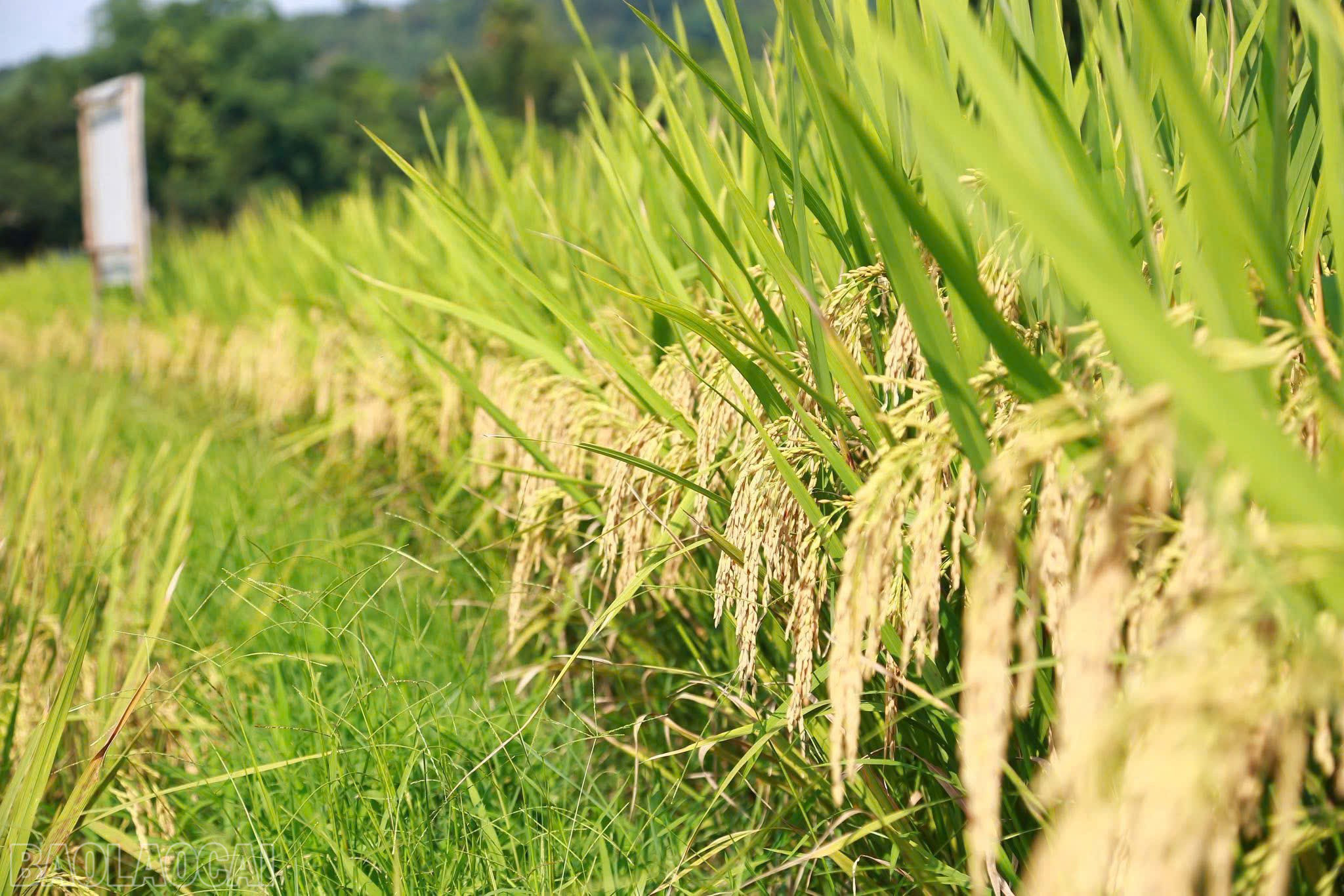
In the communes of Khánh Yên, Dương Quỳ, and Kim Sơn, a model of "Smart rice farming, reducing greenhouse gas emissions" has been implemented on a scale of 199 hectares. The model applies alternating wet and dry irrigation (AWD), uses slow-release fertilizers, organic fertilizers, and microorganisms; implements integrated pest management using biological products and limiting chemical pesticides; and combines digital technology and mechanization such as drones and moisture monitoring sensors. These solutions not only reduce emissions but also improve resource efficiency and the value of rice grains.
Organic and circular farming in the orchard.
Along with models implemented by the agriculture and environment sector, many farmers and cooperatives in the province have proactively switched to organic and circular production methods, making a significant contribution to the low-emission target.
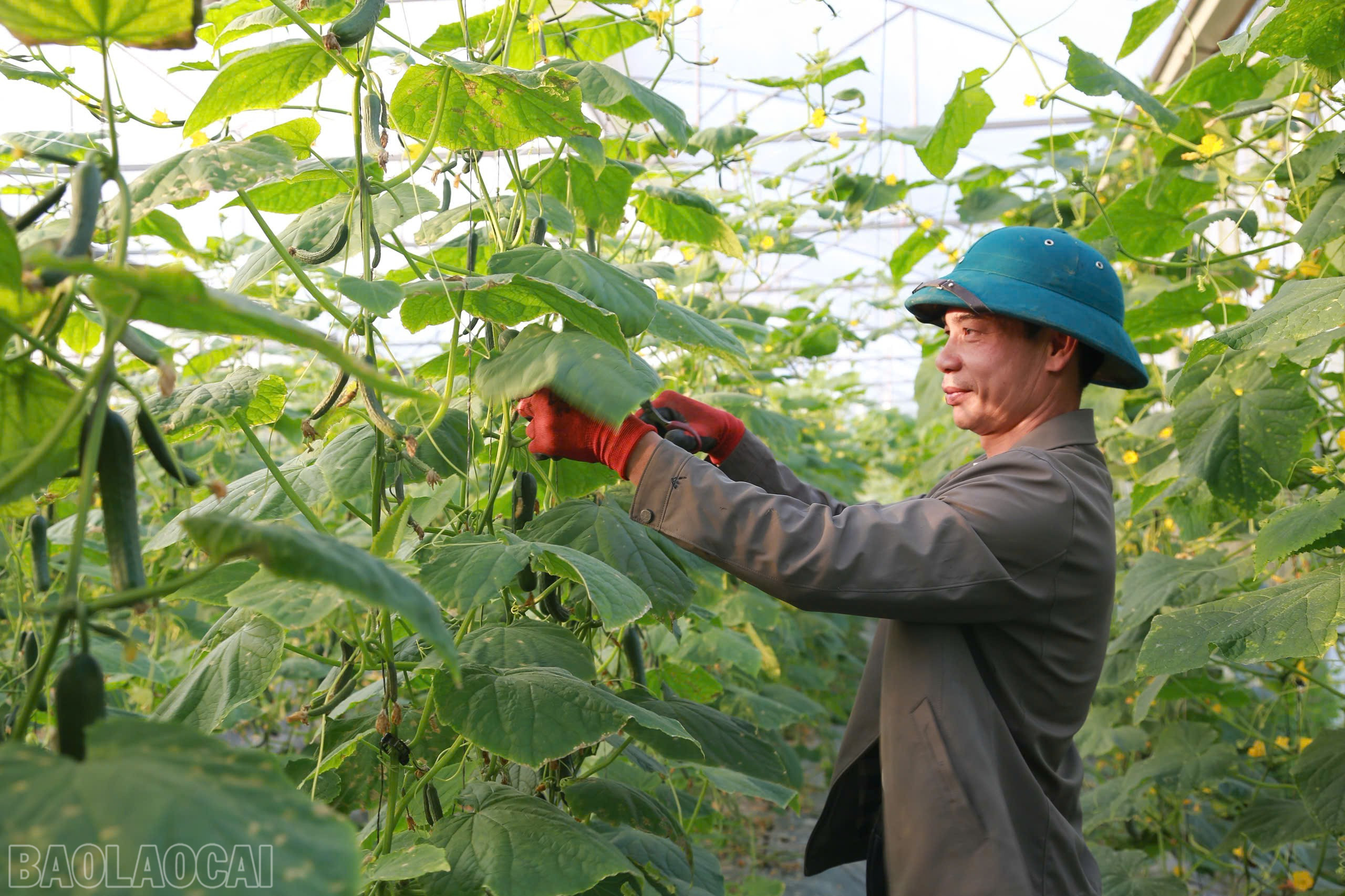
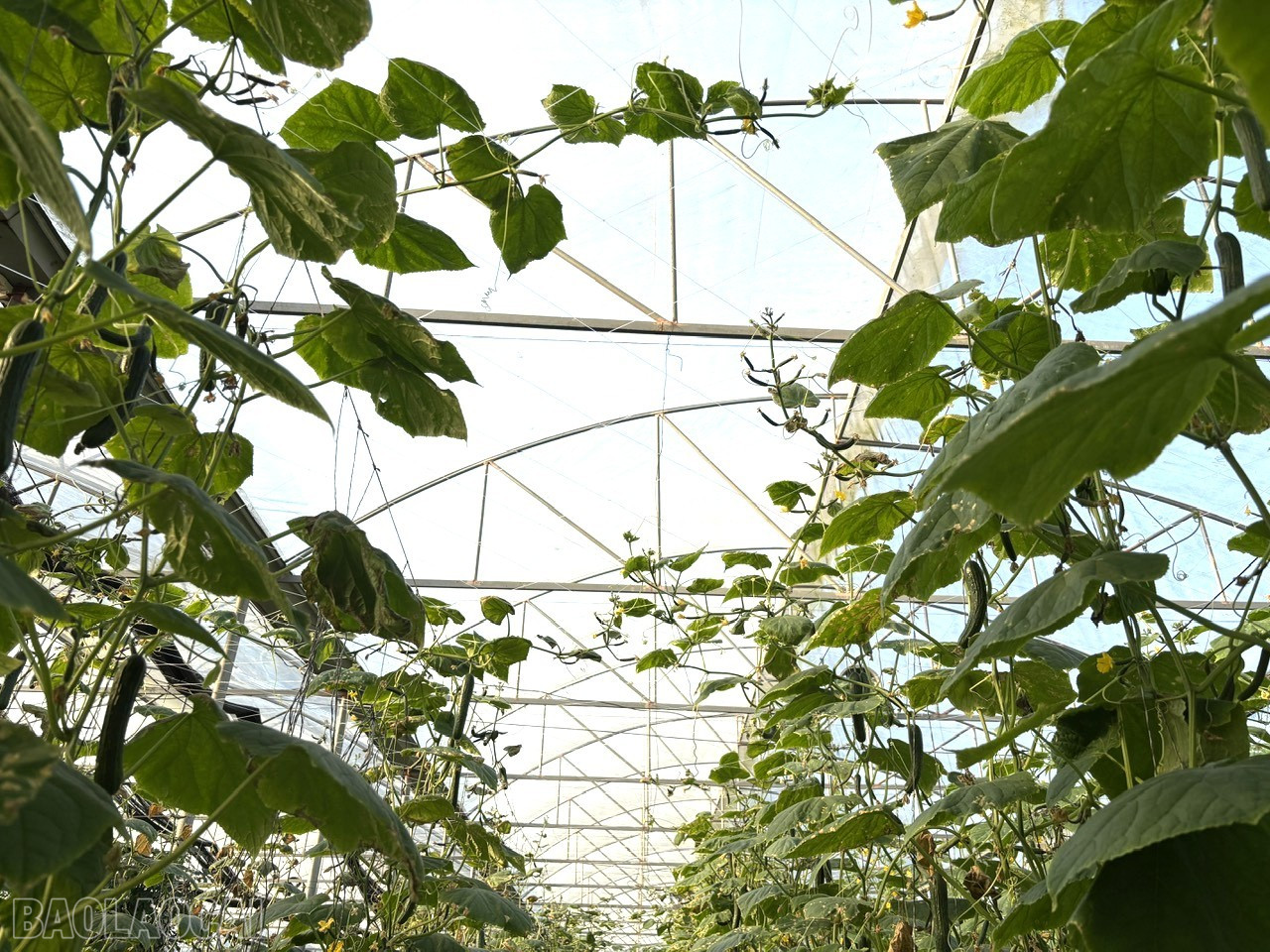
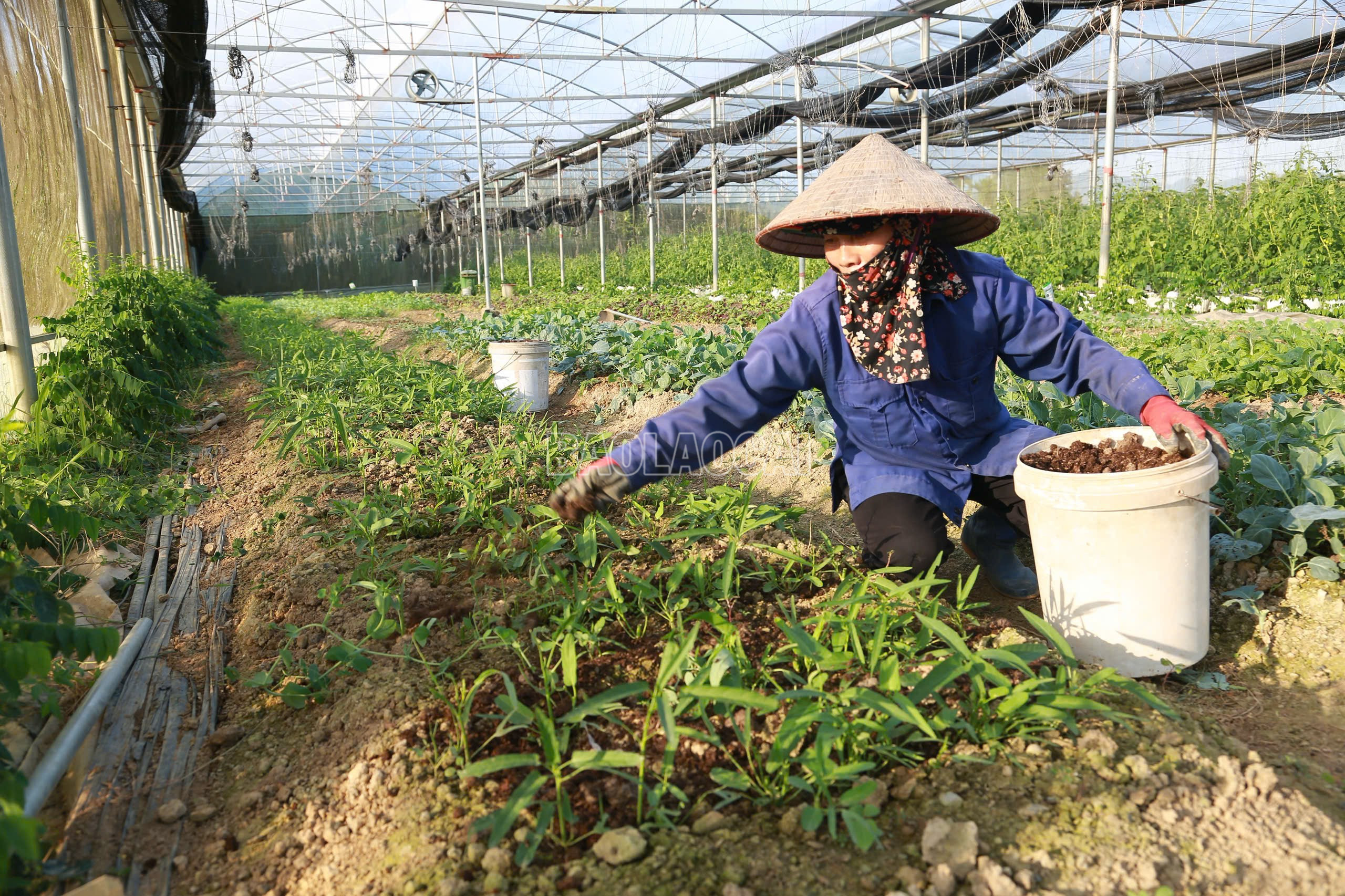
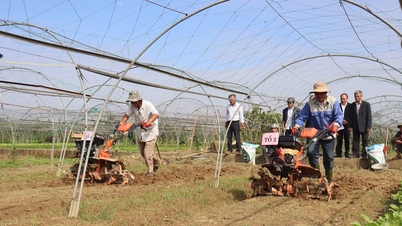
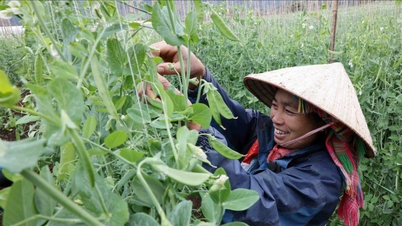
In Yen Dung village, Xuan Ai commune, Trung Thanh Organic Agricultural Cooperative is a prime example of organic vegetable production. With an area of over 2,000m², the cooperative adheres to the principle of "no pesticides, no chemicals." Manure is composted with microbial preparations, and vegetable waste and weeds are recycled into green fertilizer, creating a closed-loop production process that reduces emissions and minimizes environmental waste. In addition, the cooperative supplements the crops with fish protein to increase nutrient levels.
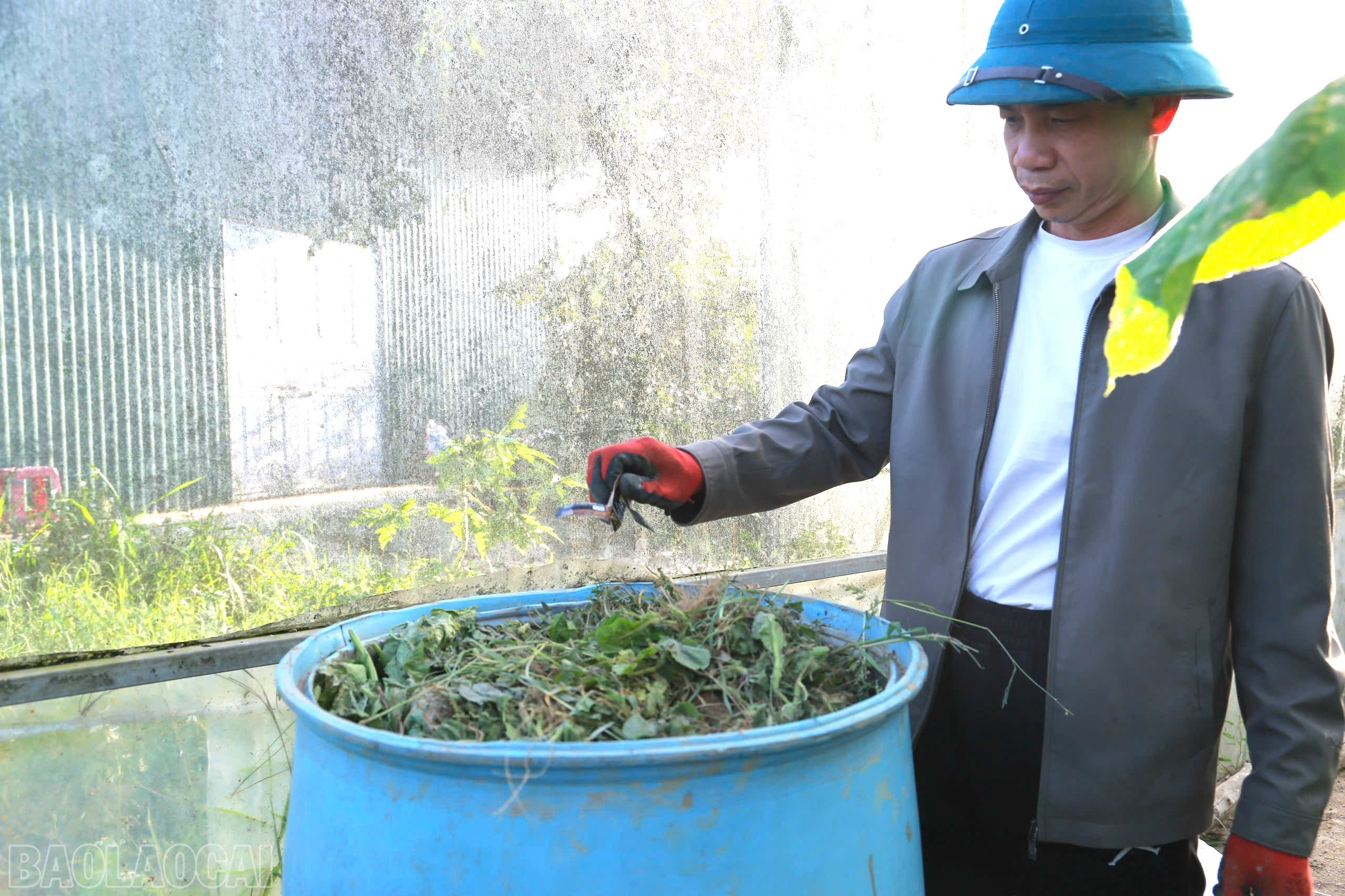
The application of drip irrigation systems, greenhouses, and biofilms not only saves water and reduces labor but also reduces energy consumption in production. As a result, crops grow healthily, are less susceptible to pests and diseases, and require less chemical pesticides. The cultivated land is improved, and the microbial ecosystem is restored, creating a foundation for long-term, sustainable production.
Mr. Dinh Xuan Trung, Director of Trung Thanh Organic Agricultural Cooperative, said: The cooperative plans to expand by an additional 5,000 m² of greenhouses and 5,000 m² of outdoor cultivation area, continuing to maintain organic and circular production methods.
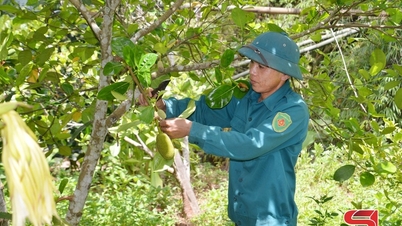
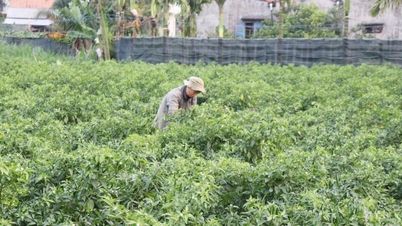
In the fruit-growing sector, the organic pomelo cultivation model of Mr. Nguyen Van Dinh in Minh Than village, Thac Ba commune, clearly demonstrates the proactive role of local people in reducing emissions. On his 1-hectare plot with nearly 350 mature pomelo trees, Mr. Dinh does not use chemical fertilizers or pesticides; instead, he uses homemade organic fertilizer made from crushed corn, biological preparations, and a smart irrigation system.
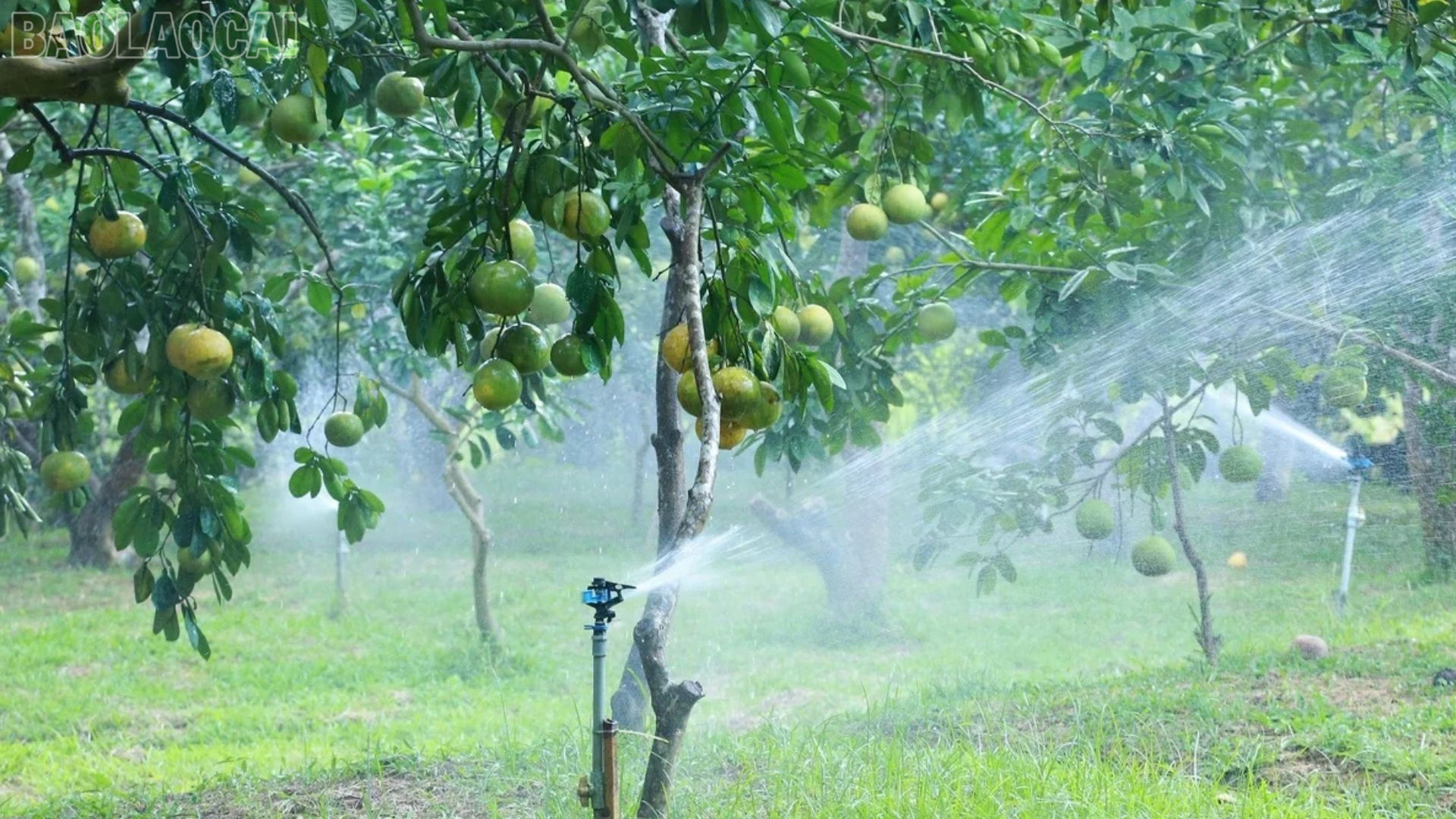
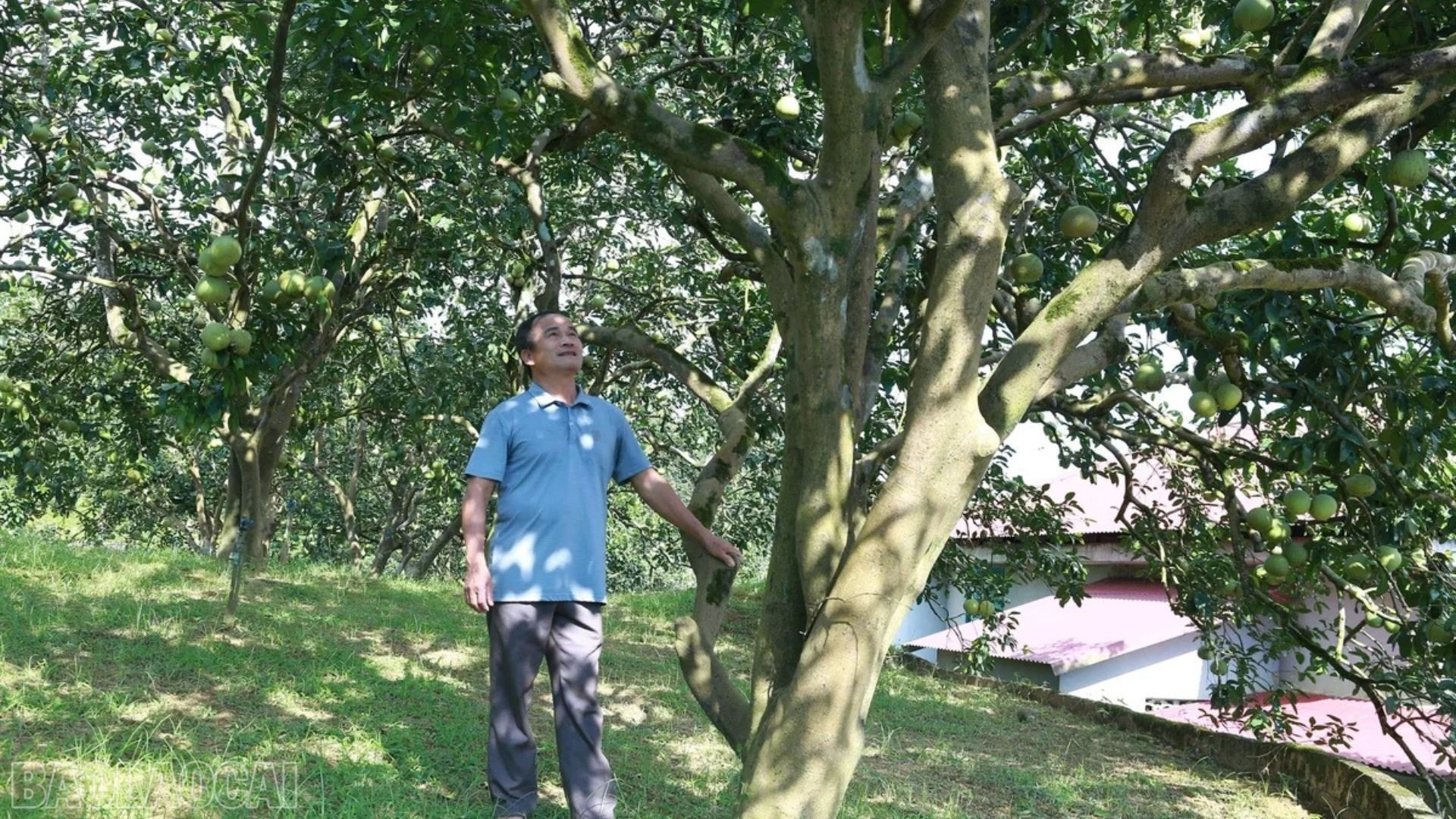
Avoiding the use of chemical fertilizers helps limit nitrous oxide emissions; soil improvement and erosion control increase the soil's carbon sequestration capacity; and water-saving irrigation systems contribute to reducing indirect energy emissions. This model not only protects the environment but also preserves the brand value of Dai Minh pomelo – a long-standing local specialty.
Long-term orientation for green agriculture
With the expansion of administrative boundaries after the merger, the total agricultural land area of the newly merged province now reaches nearly 1,160,000 hectares, creating favorable conditions for organizing large-scale commodity production, attracting businesses to invest in applying integrated science and technology to production and processing, and building and sustainably developing agricultural value chains.
For the period 2026-2030, the province is developing the "Comprehensive Rural Development Plan of Lao Cai Province, 2026-2030" with the goal of comprehensively developing rural areas by 2030 with three main elements: ecological agriculture, modern rural areas, and civilized farmers. This includes shifting the agricultural economic structure towards green, ecological, circular, and high-value chains; promoting the application of science and technology, digital transformation, attracting investment from businesses, developing organic agriculture, and adapting to climate change...
Lao Cai province will also continue to develop specific policies to support agricultural production development in the next phase, focusing on supporting the application of production processes and evaluating and certifying organic standards, GAP, etc.
In particular, after the Ministry of Agriculture and Environment issued Decision 4024/QD-BNNMT dated September 29, 2025, approving the Project "Reduced Emission Production in the Crop Production Sector giai đoạn 2025 - 2035, with a vision to 2050", the Lao Cai Department of Agriculture and Environment proactively advised the Provincial People's Committee to issue a Plan for implementing the Project in the province for the period 2025 - 2035, with a vision to 2050, aiming to exploit the potential and advantages in the province's crop production sector; to form and develop ecological, modern, low-emission crop production; and to contribute to building a sustainable agriculture, minimizing environmental impacts, adapting to climate change, and ensuring food security. Promoting the development of carbon-traceable, low-emission, environmentally friendly agricultural products will facilitate the expansion of agricultural markets to countries and regions with strict environmental standards such as the EU, Japan, and North America.
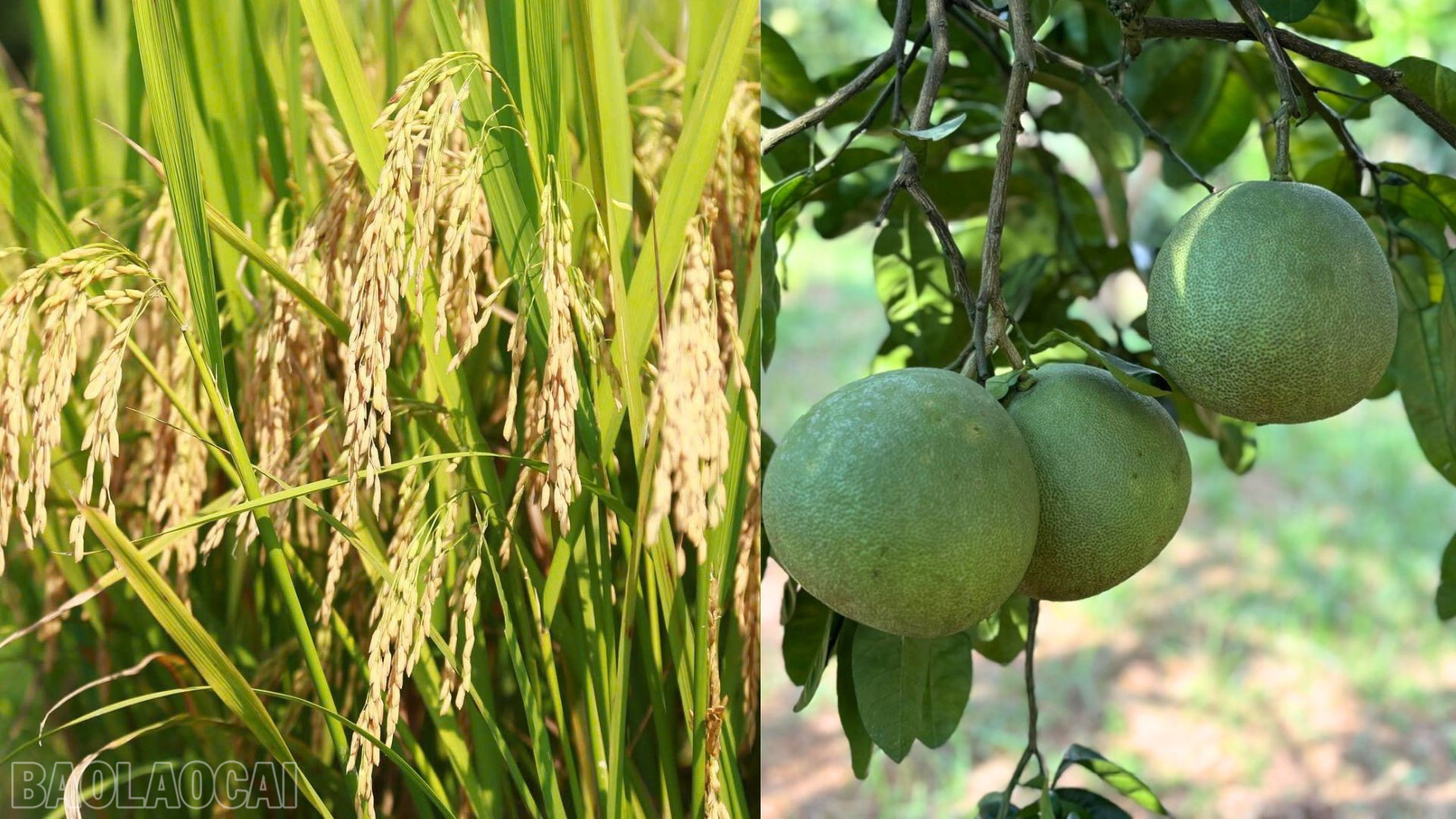
Specific targets set for 2035 include: striving to ensure that by 2035, the province's crop sector will contribute to reducing total greenhouse gas emissions (CO2 equivalent) by at least 15% compared to the base year of 2020; aiming for 70% of rice cultivation area to apply emission-reducing rice cultivation techniques; and 60% of dryland crop area to apply integrated plant health management (IPHM) techniques…
Green, low-emission agriculture is not only a solution to address climate change but also a path to enhancing the value of agricultural products, protecting resources and the environment, and moving towards sustainable agriculture for Lao Cai in the long term.
Source: https://baolaocai.vn/lao-cai-huong-toi-nen-nong-nghiep-xanh-post888938.html




























































Comment (0)