

When the seventh lunar month is mentioned, many people often wonder: "When is the Vu Lan festival, a time for showing filial piety?"
More than just a time to remember the gratitude owed to one's parents, the Vu Lan Festival on the 15th day of the 7th lunar month also holds profound humanistic values, stemming from Buddhist teachings and the nation's tradition of filial piety.
What is the Vu Lan Festival?
The Vu Lan Festival, a celebration of filial piety, is one of the most important Buddhist holidays, originating from East Asian cultural traditions, particularly deeply influenced by Chinese customs. It is a sacred occasion for every child to express gratitude and repay the kindness of their parents and ancestors for their upbringing and nurturing. On this day, many people often visit temples to pray for peace, release animals into the wild, and perform good deeds to accumulate merit, dedicating that merit to their parents.
When is the Vu Lan Festival (a Buddhist festival honoring parents) in 2025?
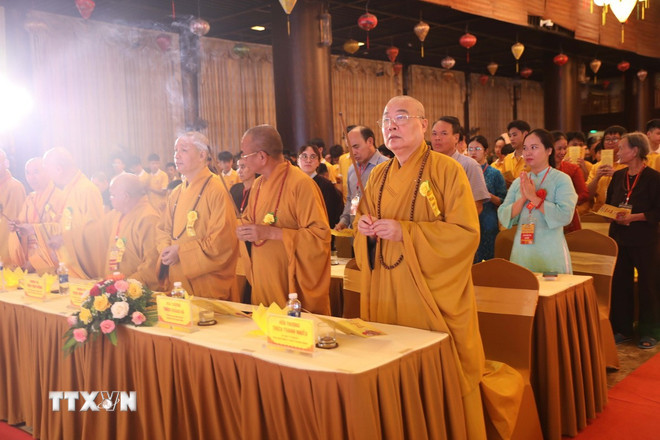
The Vu Lan Festival in 2025 will take place on Saturday, September 6th according to the Gregorian calendar. Notably, this year's filial piety festival falls on a weekend – a fitting time to express respect and gratitude to parents and grandparents.
The origin and meaning of the Vu Lan Festival (Filial Piety Festival).
The origin of the Vu Lan Festival
The origin of the Vu Lan festival comes from the Vu Lan Bon Sutra in Buddhism. The story tells that Venerable Maudgalyayana, the Buddha's most powerful disciple, saw his mother after her death suffering as a hungry ghost, tormented by hunger and thirst. Out of compassion, he used his supernatural powers to offer her food, but the food turned into red flames, and she could not eat it. Distressed, Maudgalyayana sought out the Buddha to ask for his help. The Buddha taught that to save one's parents from suffering, one must rely on the power of the Sangha – those who practice pure and virtuous conduct. On the fifteenth day of the seventh lunar month, after the rainy season retreat, he should prepare offerings to the Three Jewels. Through the divine power of the Sangha gathered on the day of the self-confession ceremony, his mother would be liberated. The Vu Lan festival was born from this.
Today, Vu Lan is not just a ritual but has become deeply ingrained in the consciousness and human emotions, becoming a way of life, a rhythm of breathing, a source of inspiration for countless Vietnamese hearts. In 2025, the Vu Lan season, coinciding with the 80th anniversary of National Day on September 2nd, has become a sacred time for every Buddhist to practice filial piety and honor the tradition of "drinking water and remembering the source."
Throughout the country, temples and places of worship organized the Vu Lan Festival, a celebration of filial piety, with rituals such as pinning roses, chanting scriptures, offering incense, and lighting candles to express gratitude. These ceremonies were held to show appreciation to parents and to remind people of their responsibility to be grateful to the country and the nation.
The origins of the Vu Lan Festival (a festival honoring parents and ancestors).
Maudgalyayana used his supernatural powers to bring food to his mother, but all the food turned into red flames as soon as it reached her. He immediately appealed to the Buddha for help. The Buddha taught that no matter how great his supernatural powers, Maudgalyayana alone could not save his mother from karmic retribution, but needed to rely on the pure prayers and blessings of monks from all ten directions. The appropriate day to perform the great offering ceremony was the fifteenth day of the seventh lunar month – the day of the Self-Confession ceremony after the three-month rainy season retreat of the monks.
The meaning of the Day of Filial Piety
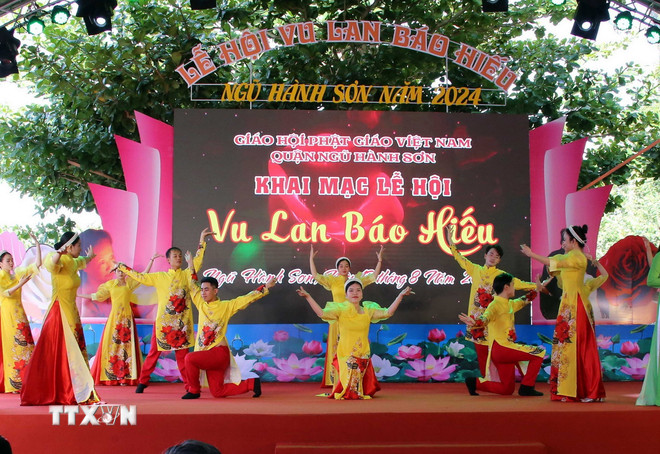
The Vu Lan Festival is not only a Buddhist ritual, but also a sacred occasion to remind all generations to remember and be grateful for the nurturing love of their parents and ancestors. Whether Buddhist or not, everyone can feel the profound meaning of this season of filial piety spreading throughout the country.
In Buddhist philosophy, filial piety is not only for parents in this life, but extends to parents in many past lives. Because humans are always connected to the law of karma, showing filial piety is also a way to cultivate virtue and accumulate merit.
A touching image during the Vu Lan season is the wearing of roses on clothing. Those whose mothers are still alive wear red roses – a symbol of happiness and gratitude – while those whose mothers have passed away wear white roses – to commemorate and honor them. Regardless of age or circumstances, each flower pinned to the chest is a message of love, a reminder of the sacred and complete virtue of filial piety.
Source: https://www.vietnamplus.vn/le-vu-lan-bao-hieu-an-chua-nhung-gia-tri-nhan-van-sau-sac-post1060081.vnp















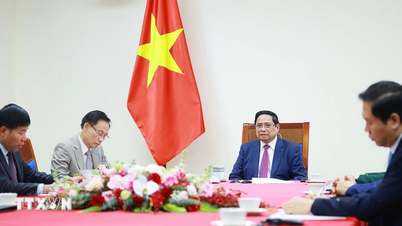


![[Photo] Prime Minister Pham Minh Chinh holds a phone call with the CEO of Russia's Rosatom Corporation.](/_next/image?url=https%3A%2F%2Fvphoto.vietnam.vn%2Fthumb%2F1200x675%2Fvietnam%2Fresource%2FIMAGE%2F2025%2F12%2F11%2F1765464552365_dsc-5295-jpg.webp&w=3840&q=75)













































Comment (0)