

Considering the proposal from the Ministry of Culture, Sports and Tourism, and the assessment of the National Council for Cultural Heritage regarding the request to sign and submit the national dossiers on Mo Muong and Cheo art for consideration for inclusion in the UNESCO Intangible Cultural Heritage List, Deputy Prime Minister Tran Hong Ha has the following opinion:
Agree to submit to UNESCO for consideration the inclusion of the Mo Muong Intangible Cultural Heritage (Hoa Binh, Thanh Hoa, Ninh Binh, Phu Tho, Son La, Hanoi and Dak Lak) on the List of Intangible Cultural Heritage in Need of Urgent Safeguarding and the Cheo Art Intangible Cultural Heritage ( Thai Binh , Ninh Binh, Ha Nam, Nam Dinh, Hai Duong, Hung Yen, Bac Ninh, Vinh Phuc, Phu Tho, Quang Ninh, Bac Giang, Thai Nguyen, Hanoi and Hai Phong) on the List of Representative Intangible Cultural Heritage of Humanity; authorize the Minister of Culture, Sports and Tourism to sign the dossiers as prescribed.
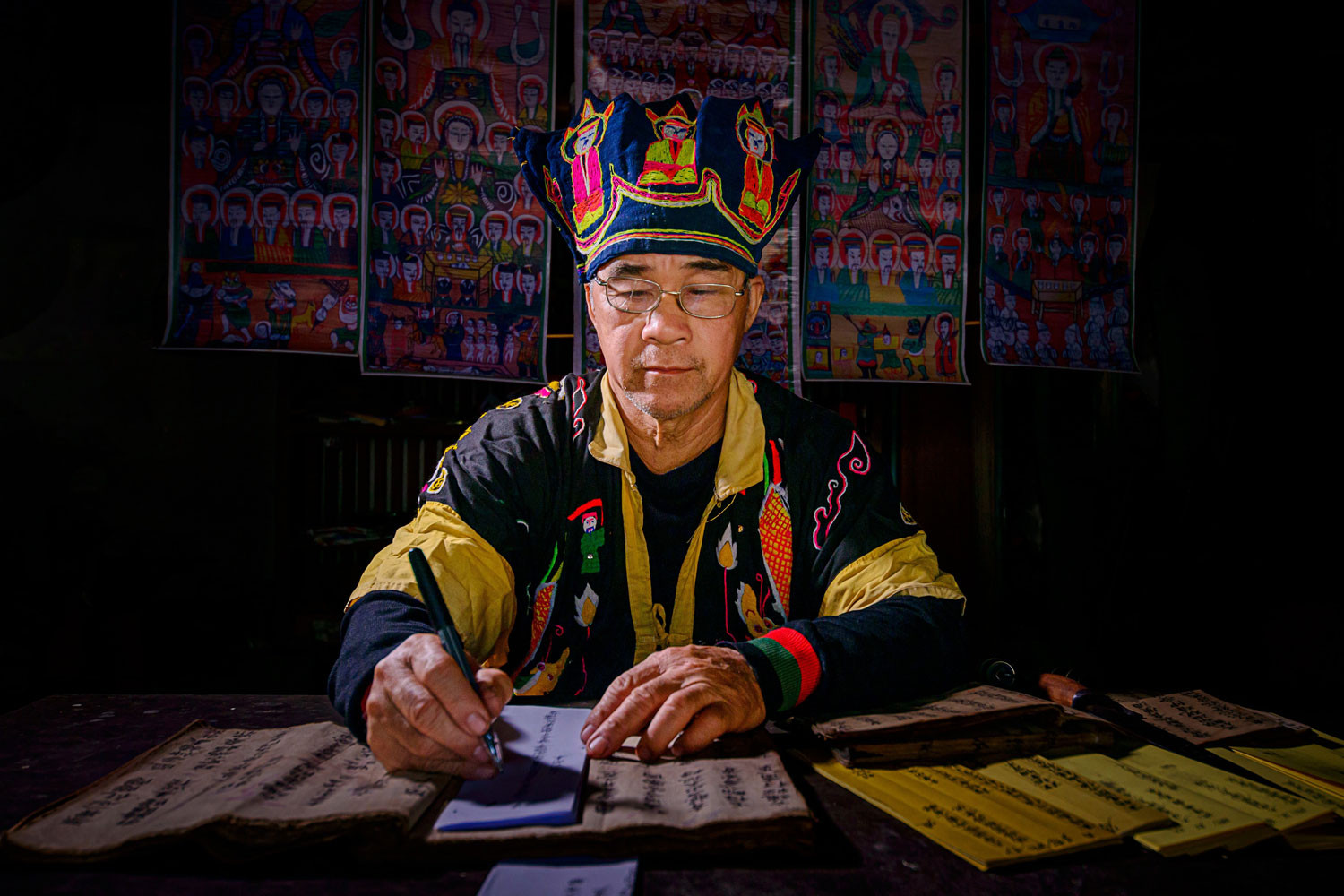
Mo Muong is a folk performance art expressed in rituals associated with the spiritual and religious life of the Muong people.
The Vietnam National UNESCO Committee, in coordination with the Ministry of Culture, Sports and Tourism, will carry out the necessary procedures to submit heritage dossiers to UNESCO, ensuring compliance with the timeframe stipulated by the 2003 Convention on the Protection of Intangible Cultural Heritage and the laws on cultural heritage.
Mo Muong is a folk performance art expressed in rituals associated with the spiritual and religious life of the Muong people.
The practitioners of Mo Muong are the shamans, who possess the knowledge of Mo, have memorized tens of thousands of Mo verses, and are proficient in the rituals and customs. They are respected figures trusted by the community. During the ritual, the shaman is the one who speaks, recites, and sings the Mo songs.
The Muong people do not have their own written language, so their incantations (mo chants) are passed down from generation to generation of shamans through oral tradition, and are preserved and maintained through folk rituals of the Muong people.
Muong shamanism encompasses numerous shamanic chants and verses used in specific rituals. There are nine categories of Muong shamanism: Shamanism in funerals (Shamanic chants of the deceased), Shamanism for the deceased (Shamanic chants of the deceased), Shamanism for warding off misfortune, Shamanism for seeking fortune, Shamanism for Tet (Lunar New Year), Shamanism for the Earth God, Shamanism for chopsticks, Shamanism for the house, and Shamanism for the midwife.
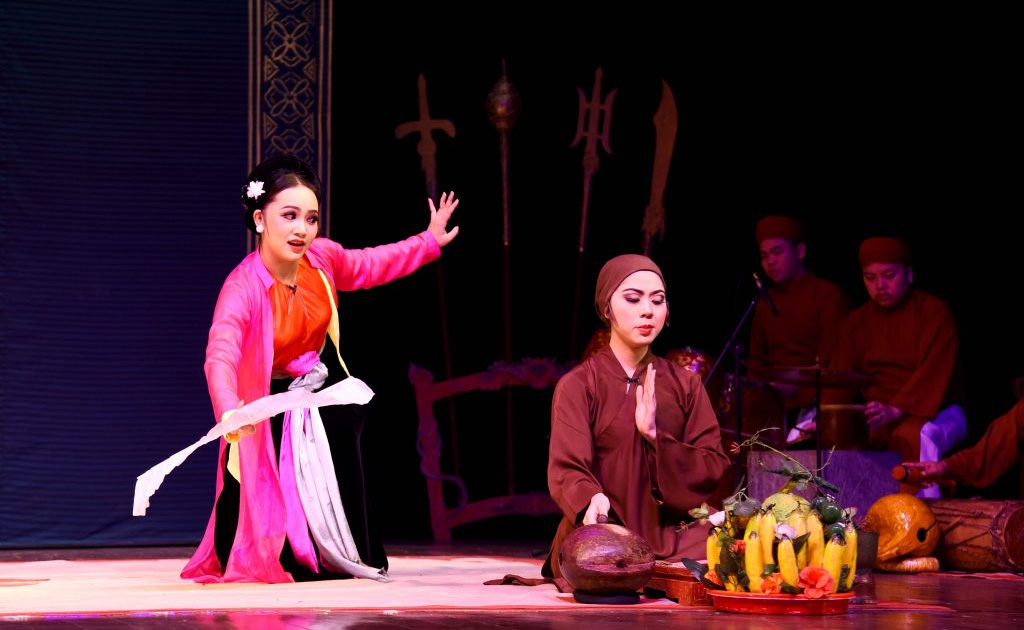
Cheo is a form of Vietnamese folk theater that flourished and became popular in the Northern region of Vietnam.
Meanwhile, Cheo is a form of Vietnamese folk theater that flourished and became popular in the Red River Delta and two other regions: the midland and mountainous areas of Northern Vietnam and North Central Vietnam. Cheo is a popular art form often associated with folk festivals to give thanks to the gods for a bountiful harvest, prosperity for the villagers, and to allow farmers, who usually work in the fields, to socialize and express their feelings.
Cheo melodies often utilize polyphonic and multi-meaning language combined with metaphorical expressions rich in narrative and lyrical qualities. Throughout its long history, from the 10th century to the present day, Cheo art has deeply permeated cultural and social life, depicting the simple lives of farmers and praising noble human qualities.
Besides that, there are also plays that are humorous, criticize bad habits and vices, fight against injustice, and express love, tolerance, and forgiveness.
Source






![[Video] Hue and Quang Ninh mark strong tourism growth](https://vphoto.vietnam.vn/thumb/402x226/vietnam/resource/IMAGE/2025/12/12/1765555481742_dung00-22-16-02still007-jpg.webp)





















































Comment (0)