

There are many different weight-loss diets, ranging from protein- and plant-based to low-carb. However, regardless of the diet, eating plenty of protein has a positive impact on weight-loss efforts, according to the health website Healthline (USA).
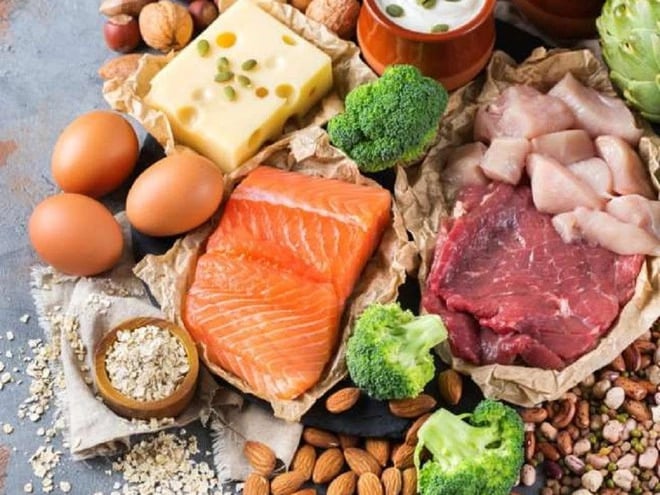
Foods rich in protein
A study published in The American Journal of Clinical Nutrition showed that a high-protein diet combined with a calorie deficit helps with weight loss and fat reduction. This is significantly better than eating less protein. Furthermore, eating more protein helps maintain muscle mass better, reducing muscle loss during weight loss.
Additionally, weight-loss diets that focus on calorie deficit and prioritize protein intake are easier for people to maintain. This is especially important when attempts to lose weight with other diets, such as the carbohydrate-reduction approach of low-carb, have failed.
Even without a change in weight, a healthy diet rich in protein can help reduce triglycerides, blood pressure, and excess belly fat. To aid weight loss, individuals need to consume 1.2 to 1.6 grams of protein per kilogram of body weight daily.
There are several reasons why protein is such an effective nutrient for weight loss. The first reason is the way the body absorbs and metabolizes protein. Compared to carbohydrates and fats, the body absorbs protein more slowly and it is less likely to be stored as excess fat under the skin.
Furthermore, the body requires more energy to digest, absorb, and store protein. Approximately 35% of the energy in protein is used for this process. In other words, eating 100 calories of skinless chicken breast requires 35 calories to digest it. Meanwhile, eating 100 calories of high-fat food like dairy only requires 5 calories to digest.
Another benefit of protein in the body is that it reduces the hunger hormone ghrelin. As a result, we feel less hungry.
While a high-protein diet supports weight loss and many other bodily functions, experts also point out some mistakes to avoid when adopting this diet. The first thing to remember is that even with plenty of protein-rich foods like lean meat, eggs, and dairy, you still need to eat enough fiber. Not eating enough fiber increases the risk of constipation.
Like many other foods, excessive protein intake can have several health side effects, such as increased acidity levels, increased risk of osteoporosis, bone fractures, and kidney damage. Experts recommend a safe daily protein intake of no more than 1.66 grams per kilogram of body weight, according to Healthline .
Source link


















![[Photo] Prime Minister Pham Minh Chinh holds a phone call with the CEO of Russia's Rosatom Corporation.](/_next/image?url=https%3A%2F%2Fvphoto.vietnam.vn%2Fthumb%2F1200x675%2Fvietnam%2Fresource%2FIMAGE%2F2025%2F12%2F11%2F1765464552365_dsc-5295-jpg.webp&w=3840&q=75)

















































Comment (0)