Foods that cause irritation or are difficult to swallow.
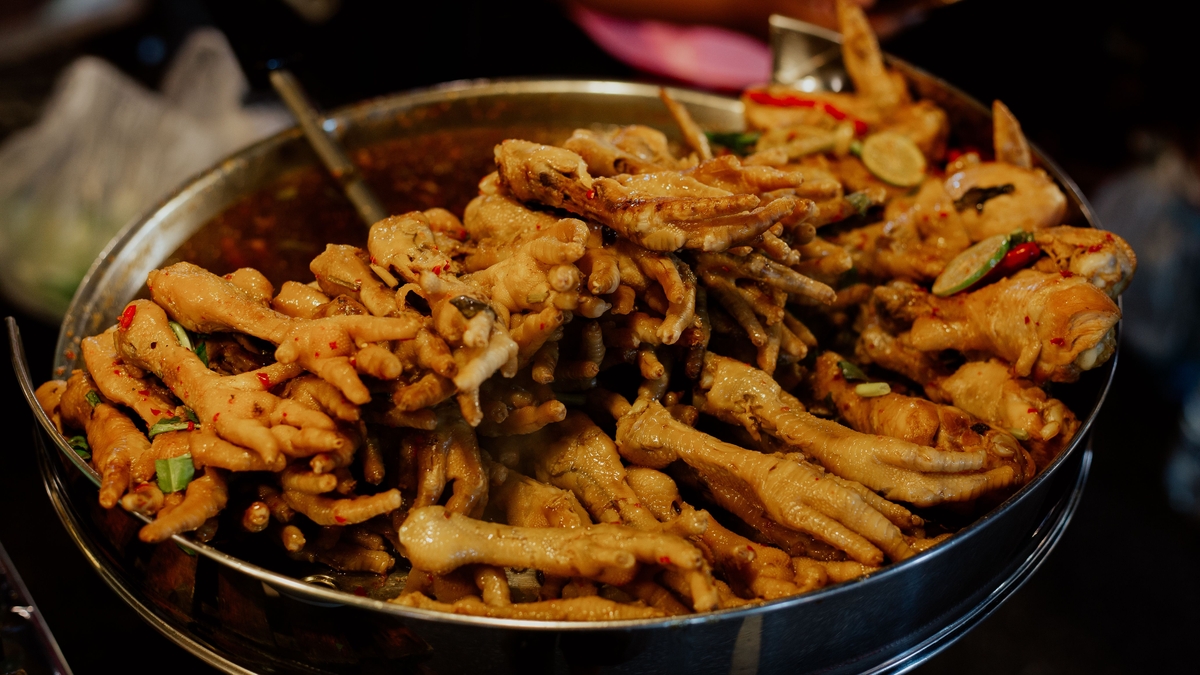
Lung cancer patients, especially those undergoing radiation therapy to the chest area, often experience esophagitis and difficulty swallowing. Hard, spicy, hot, or heavily seasoned foods can cause burning pain, irritate the mucous membrane, and hinder digestion.
Limiting these food groups helps reduce esophageal damage, protect the digestive tract, and improve daily eating habits. This is especially important to ensure the body absorbs all the necessary nutrients.
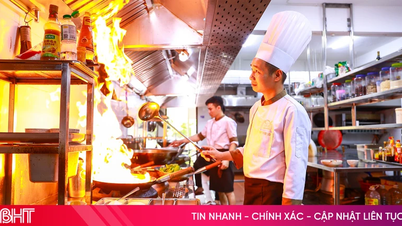
Greasy, hard-to-digest foods
Greasy foods can easily cause nausea and vomiting, which are common symptoms in patients undergoing chemotherapy or radiation therapy. They also reduce the body's ability to absorb energy and protein, directly affecting health.

Greasy foods can easily cause nausea and vomiting, which are common symptoms in patients undergoing chemotherapy or radiation therapy.
Limiting fried and fatty foods will help patients control symptoms, maintain weight, increase nutrient absorption, and improve overall health during treatment.
Alcoholic beverages
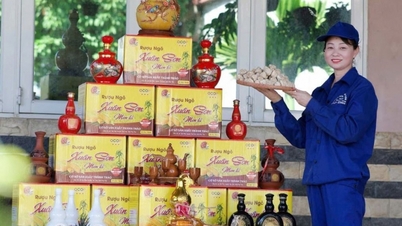
Alcoholic beverages can harm people with lung cancer through several mechanisms: Alcohol can weaken the immune system, reducing the body's ability to fight cancer cells and increasing the risk of infection.
Alcohol can interact with medications, reducing their effectiveness or increasing the side effects of chemotherapy and radiation therapy. Alcohol consumption increases intestinal permeability, allowing toxins to enter the liver and cause inflammation. This is particularly dangerous, potentially leading to liver failure, especially if lung cancer has metastasized to the liver.
Due to its inflammatory properties, alcohol can indirectly promote the progression of lung tissue damage, worsening symptoms such as coughing, shortness of breath, and chest pain.

Alcohol absorption also causes intracellular dehydration, affecting overall health and the body's ability to recover.
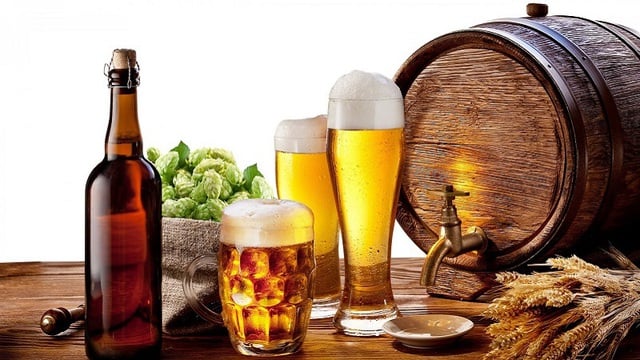
Alcoholic beverages can be harmful to people with lung cancer.
Therefore, people with lung cancer should abstain from certain alcoholic beverages and should limit or avoid consumption of beer, wine, spirits (whisky, vodka, rum), alcoholic cocktails, cider, etc.
Foods high in caffeine
Caffeine can cause dehydration and stimulate the nervous system, leading to insomnia, anxiety, and fatigue, affecting the recovery process. For people with lung cancer, dehydration can thicken phlegm, making breathing difficult and leading to frequent coughing.
On the other hand, caffeine can also interact with medications, reducing their effectiveness or increasing side effects. Therefore, people with lung cancer should avoid foods and drinks containing caffeine, such as green tea, energy drinks, coffee, cocoa, and chocolate.
Foods high in sugar
Consuming too much added sugar can raise blood sugar levels, creating a favorable environment for cancer cells to thrive. Sugar also contributes to inflammation and weakens the immune system, exacerbating symptoms and side effects of treatment.
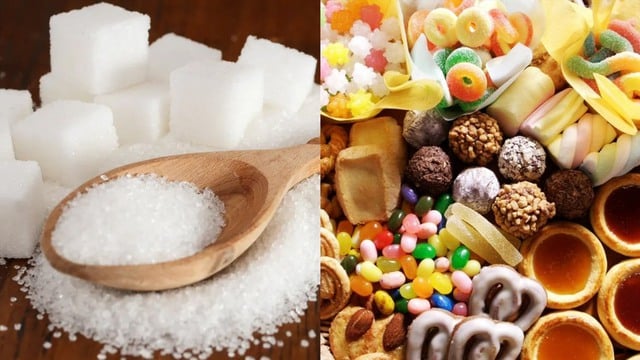
Consuming too much added sugar can raise blood sugar levels, creating a favorable environment for cancer cells to grow.
Furthermore, sugar contributes to unwanted weight gain and affects cardiovascular health and liver function. This is especially dangerous for patients with signs of impaired liver function due to cancer metastasis from the lungs.



Therefore, people with lung cancer should avoid it. Drinks and snacks that contain a lot of sugar, such as soft drinks, sweets, jams, sweetened canned fruit juices, honey, etc.
Food is at risk of bacterial contamination.
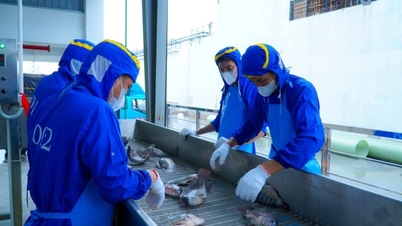
Due to weakened immune systems, lung cancer patients are more susceptible to infections from raw or unpasteurized foods. Foods such as sushi, unwashed raw vegetables, and unpasteurized milk should be avoided.
Eliminating these foods helps reduce the risk of infection, protects the body, and ensures a safe treatment process. At the same time, patients should prioritize thoroughly cooked and hygienically prepared foods.
Source: https://giadinh.suckhoedoisong.vn/nguoi-bi-ung-thu-phoi-nen-kieng-an-gi-172251202094737811.htm