

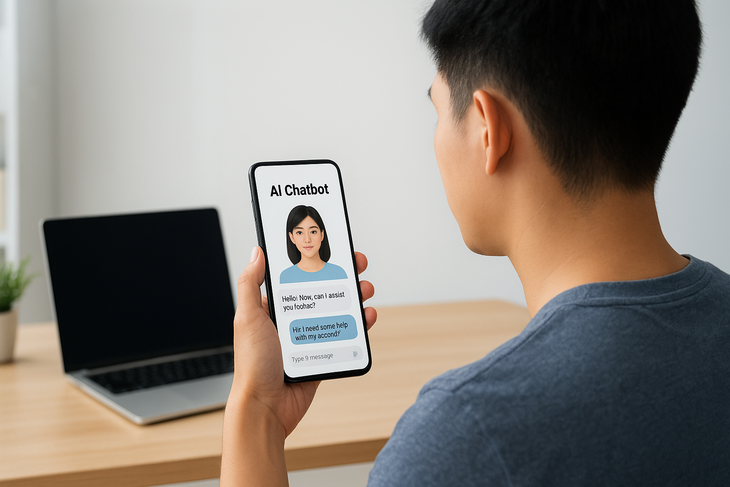
Accounts with AI-generated profile pictures, or fake profiles, make up a significant portion of social media.
Nowadays, heated debates, sometimes escalating into intense confrontations, are easily found under every social media post. Of particular note is the increasing number of clone accounts – anonymous accounts often used to express harsh opinions or launch personal attacks.
This trend is spreading rapidly among young people, blurring the lines between freedom of speech and harmful behavior more than ever before.
The proliferation of clone accounts and its consequences.
Clone accounts are fake accounts created with fake names, fake images, or impersonating others. The reasons for creating clone accounts are diverse: to engage in anonymous debates and interact freely without compromising their real identity, to experience the freedom of anonymity, or to launch attacks without accountability.
When anonymous, all psychological barriers seem to disappear, making users more likely to use strong or negative language than usual. As a result, the targeted individual may suffer mental stress, defamation, or information security breaches.
As the number of fake accounts increases, social media becomes a noisy place where it's difficult to distinguish between real and fake, right and wrong. The constant barrage of abusive comments between clone accounts leaves users feeling exhausted and hesitant to express their opinions.
Those who create clone accounts are also susceptible to a sense of invisible power, viewing online comments as harmless. However, numerous incidents have shown that malicious comments can lead to real-life conflicts, even violence. The spread of misinformation from clone accounts also makes social media a volatile environment.
Furthermore, a single individual can operate numerous different accounts, using clone accounts to defame, spread false information, or launch targeted attacks, affecting the psychology and reputation of the targeted person, creating the illusion of multiple viewpoints supporting or opposing a single issue. This leads to misunderstandings within the community, distorts the value of discussion, and manipulates public opinion...
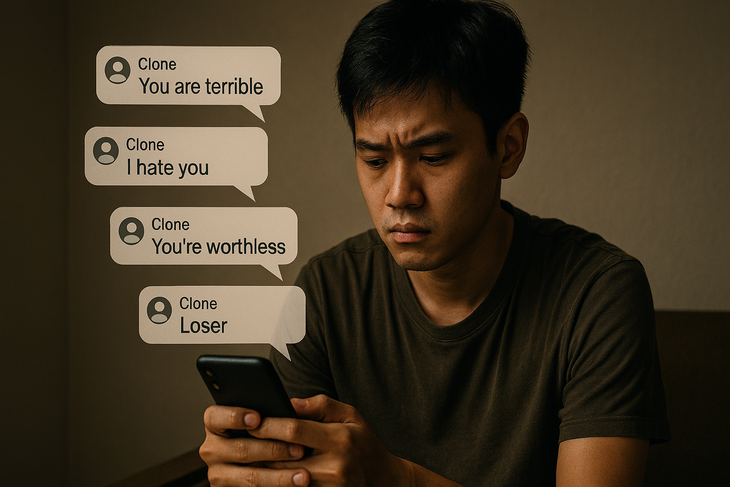
Victims may be subjected to psychological attacks, public shaming, threats, and insults, sometimes leading to stress, fear, depression, and even avoidance of social media.
How can we keep the online environment clean?
Online behavior directly reflects each user's awareness and responsibility. By choosing to hide behind a clone account to attack or insult, individuals not only violate communication norms but also contribute to a more toxic online environment.
To mitigate this situation, users need to be more mindful of their words, respect differing opinions, and remain calm during debates.
Social media platforms also need to tighten control over fake accounts, filter harmful content, and create a safe space for real users to express their opinions. Many platforms have begun to strengthen censorship, promote identity verification, and encourage users to report violations.
At the same time, the community should also cultivate the habit of civilized debate, viewing differences as a natural part of dialogue. Young people can turn social media into a place for positive connection instead of a channel for venting anger or expressing their ego.
Only when each individual becomes aware of their own responsibilities can the online environment become cleaner, safer, and more trustworthy.
Source: https://tuoitre.vn/nguoi-tre-chuong-tai-khoan-clone-mang-xa-hoi-them-lon-xon-20251210110933653.htm


![[Photo] Prime Minister Pham Minh Chinh holds a phone call with the CEO of Russia's Rosatom Corporation.](/_next/image?url=https%3A%2F%2Fvphoto.vietnam.vn%2Fthumb%2F1200x675%2Fvietnam%2Fresource%2FIMAGE%2F2025%2F12%2F11%2F1765464552365_dsc-5295-jpg.webp&w=3840&q=75)




























































Comment (0)