

Landscape paintings, with their surreal quality, weave stories that transcend the visible eye. They can not only depict the pristine beauty of nature but also bear the imprint of human presence – man-made structures, solitary figures, or intertwined lovers. The most revered landscape masterpieces seamlessly combine these diverse elements into harmonious compositions, proving that within a single painting, an entire world can unfold, rich with stories waiting to be discovered, according to the art and photography website Click121.
"The Great Waves Off Kanagawa" by Katsushika Hokusai (1831)
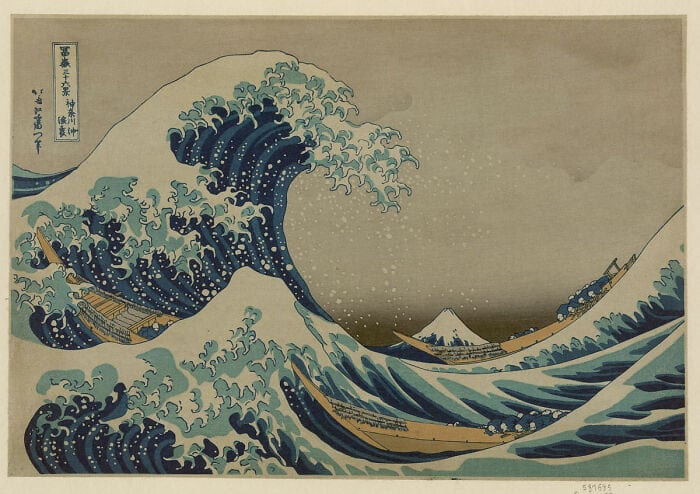
One of Japan's most famous paintings, it's beloved even in the West. The painting depicts how large waves are about to crash into several fishermen and their boat. In the background, Mount Fuji rises and looks like the northern star.
"Viewing Yosemite Valley, California" by Albert Bierstadt (1865)
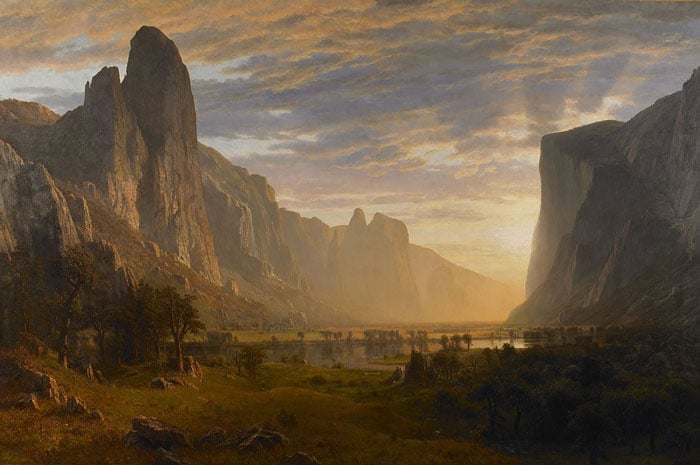
This was Bierstadt's first significant depiction of Yosemite, a subject for which he would later become famous. The painting gives us a glimpse of one of America's most beautiful destinations. Based on sketches he made in 1863, Bierstadt depicted the valley from an overhead view of the Merced River, facing west, with Sentinel Rock and El Capitan encircling the landscape to the right and left, respectively. The spire of Middle Cathedral Rock is visible in the distance.
"Starry Night" by Vincent Willem van Gogh (1889)
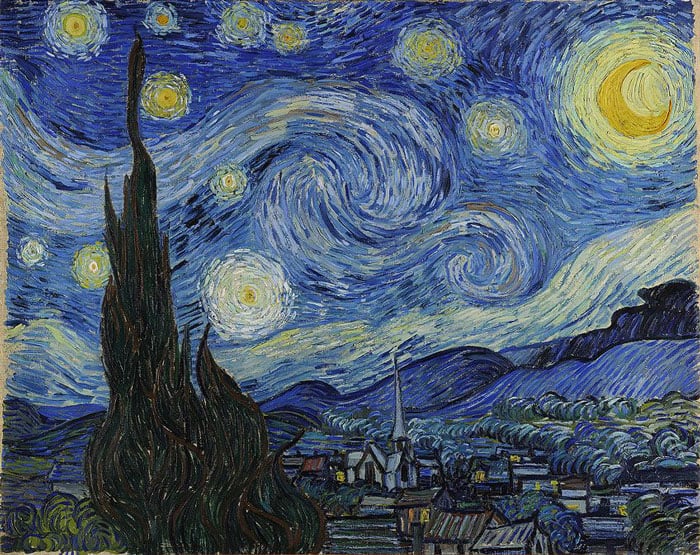
A starry night sky and moon dominate this medium-sized oil painting on canvas. It occupies three-quarters of the image plane and is characterized by strong swirling patterns that seem to glide across the surface like waves, appearing chaotic, almost agitated. The painting is surrounded by concentric circles of radiant white and yellow light and numerous glowing spheres, including the crescent moon on the far right and Venus, the morning star, to the left of the center.
"The Magpie" by Claude Monet (1869)
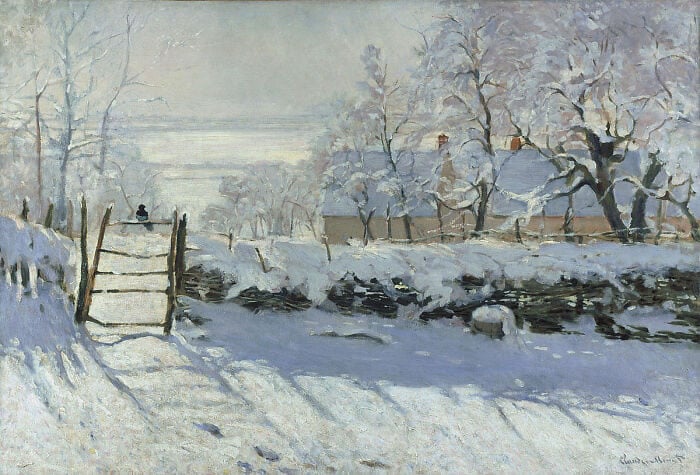
The painting "Magpie" depicts a solitary black magpie perched on a gate made of acacia stakes as the sun's rays touch the freshly fallen snow, creating bluish shadows. One of Monet's earliest uses of color shading, later associated with the Impressionist movement, can be seen in this painting.
"In the Sierra Nevada Mountains" by Albert Bierstadt (1868)
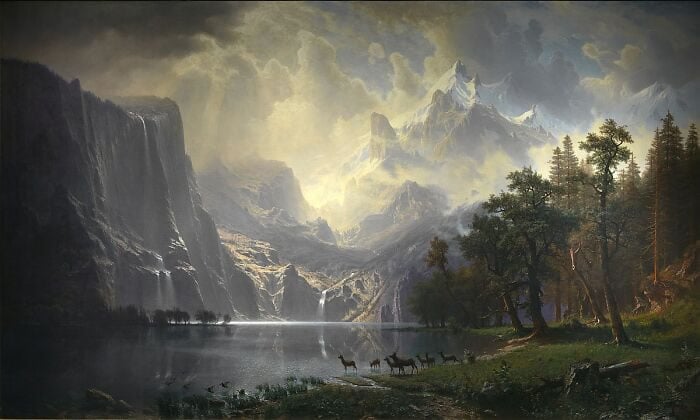
The painting features rugged mountains on the left and a vibrant sky with sunbeams piercing through the clouds in the background. To the right is a tranquil lake with deer and waterfowl at the edge of the mountains. If you look closely, you might spot a salmon in the water on the left, in the shadow of a rock.
"Starry Night on the Rhone" by Vincent Willem Van Gogh (1888)
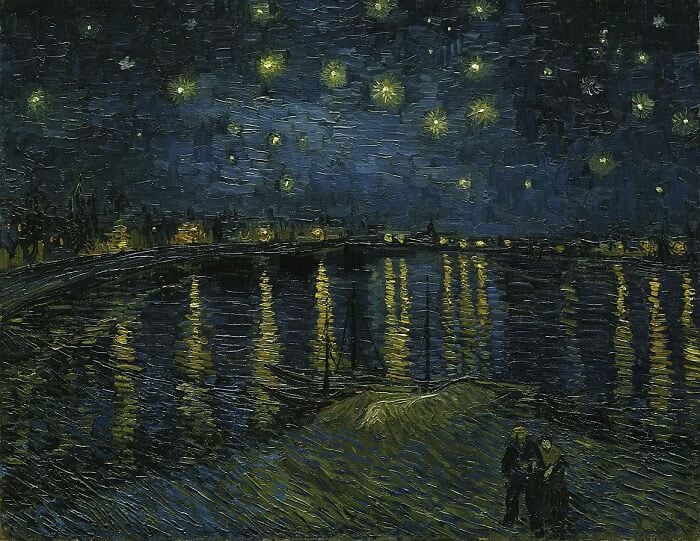
Van Gogh painted "Starry Night on the Rhone," just a short distance from the Golden House on Place Lamartine, where he resided. Some of his more famous works, especially "Starry Night," Van Gogh's most famous painting of the night sky, were inspired by the night sky and the effects of light.
"Water Lilies" by Claude Monet (1906)
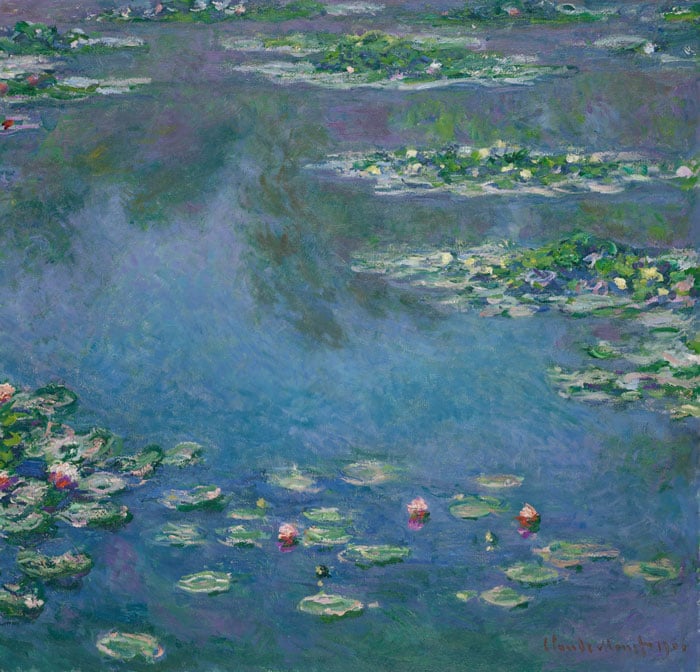
Claude Monet completely abandoned the horizon when he painted "Water Lilies." The artist looks down, focusing solely on the surface of the pond with its cluster of floating vegetation in the reflection of the sky and trees, in this spatially ambiguous work.
"The Queen of Sheba Sets Off" by Claude Lorrain (1648)
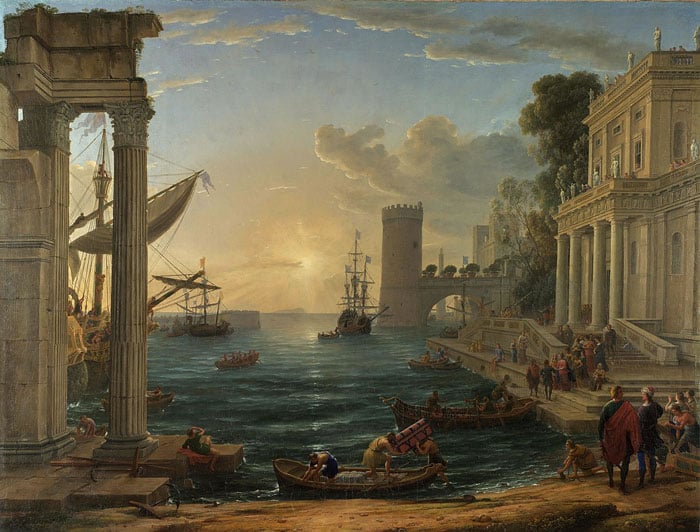
The painting's width of approximately two meters and height of one and a half meters gave Claude Lorrain ample space to develop his chosen subject. He avoided excessive detail on the canvas and allowed the sky to occupy half the space.
"A view of Haarlem with its bleaching fields" by Jacob Van Ruisdael (1670)
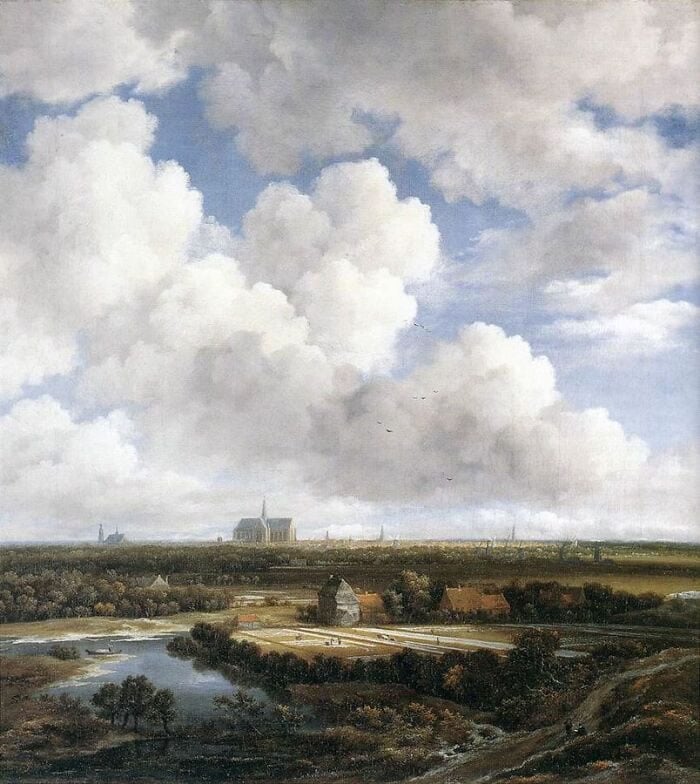
Van Ruisdael captured the essence of the Dutch landscape in this painting. We can gaze upon the flat plains toward the distant city of Haarlem from a high sand dune. The vast sky above the city is dotted with drifting clouds. In his painting, Van Ruisdael depicts the sun as it moves from one area of light to another. From fields of flax being bleached to the distant Saint Bavo church, he draws our gaze deep into the painting along the patches of sunlight.
"The Hunters in the Snow" by Pieter Bruegel the Elder (1565)
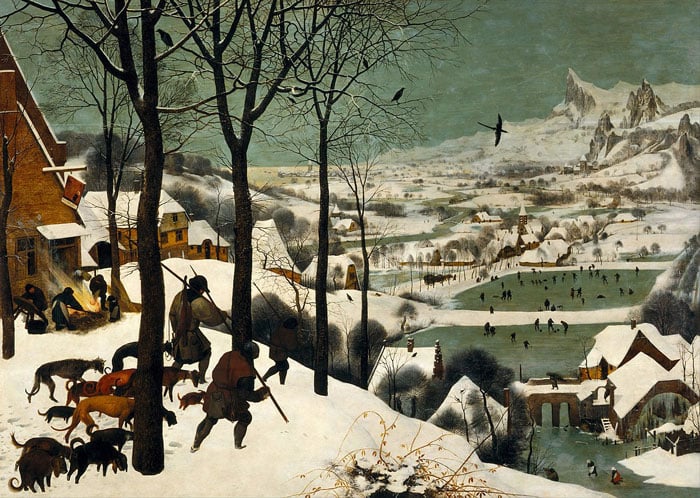
A calm, chilly day with a gloomy sky is what one sees when gazing at the painting. The trees are bare, the colors are soft, white and gray, and there is a faint wisp of smoke from burning wood. A fire outside is being used by some adults, children, and an innkeeper to prepare food. Flat valleys with rugged mountain peaks visible in the opposite direction complete the landscape of the painting.
"The Wanderer on the Sea of Fog" by Caspar David Friedrich (1817)
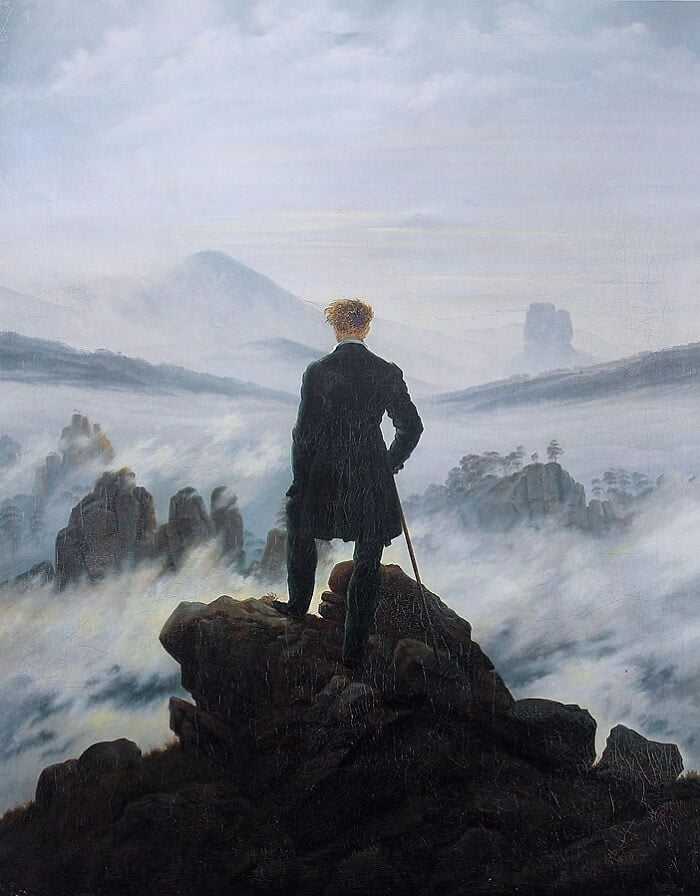
In the painting, a tall man stands on a rocky outcrop with his back to the viewer. He holds a walking stick in his right hand and wears a dark blue coat. The wanderer gazes out at the landscape shrouded in thick fog, his hair blowing in the wind.
Early spring of Guo Xi (1072)
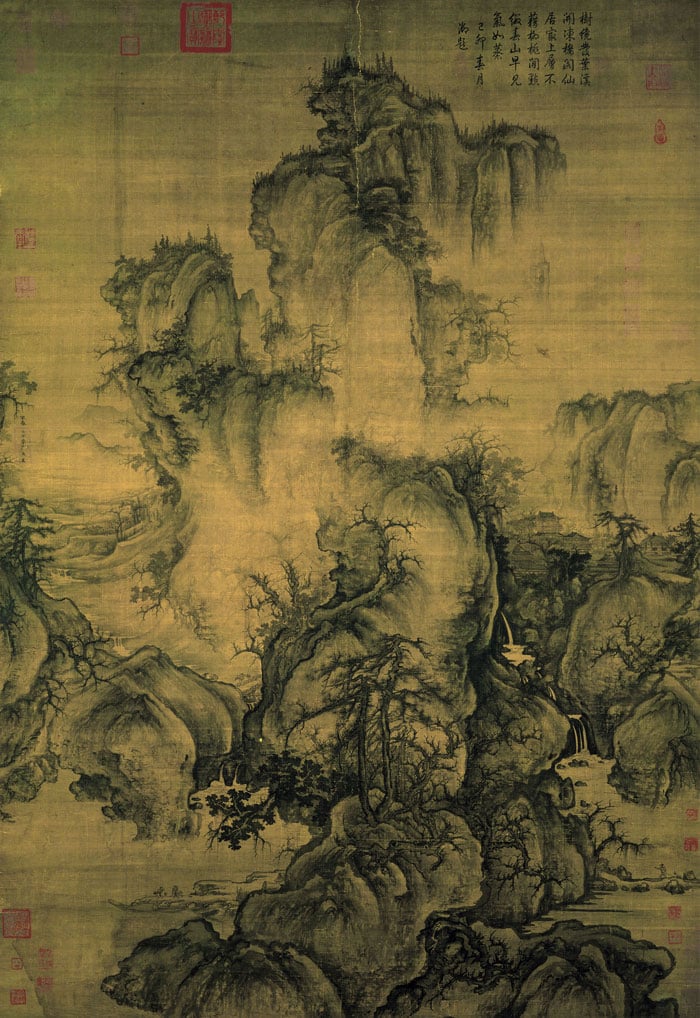
The painting demonstrates the artist's innovative methods in creating different perspectives, which he called "holistic viewpoints." "Floating perspective," a technique that shifts the viewer's fixed eye and emphasizes the differences between Chinese and Western styles of spatial representation, is another name for this type of visual expression. When it comes to painting, Guo Xi is often referred to as the "master of the Northern Song Dynasty."
Source link


![[Photo] Closing Ceremony of the 10th Session of the 15th National Assembly](/_next/image?url=https%3A%2F%2Fvphoto.vietnam.vn%2Fthumb%2F1200x675%2Fvietnam%2Fresource%2FIMAGE%2F2025%2F12%2F11%2F1765448959967_image-1437-jpg.webp&w=3840&q=75)
![[Photo] Prime Minister Pham Minh Chinh holds a phone call with the CEO of Russia's Rosatom Corporation.](/_next/image?url=https%3A%2F%2Fvphoto.vietnam.vn%2Fthumb%2F1200x675%2Fvietnam%2Fresource%2FIMAGE%2F2025%2F12%2F11%2F1765464552365_dsc-5295-jpg.webp&w=3840&q=75)













































![[OFFICIAL] MISA GROUP ANNOUNCES ITS PIONEERING BRAND POSITIONING IN BUILDING AGENTIC AI FOR BUSINESSES, HOUSEHOLDS, AND THE GOVERNMENT](https://vphoto.vietnam.vn/thumb/402x226/vietnam/resource/IMAGE/2025/12/11/1765444754256_agentic-ai_postfb-scaled.png)








































Comment (0)